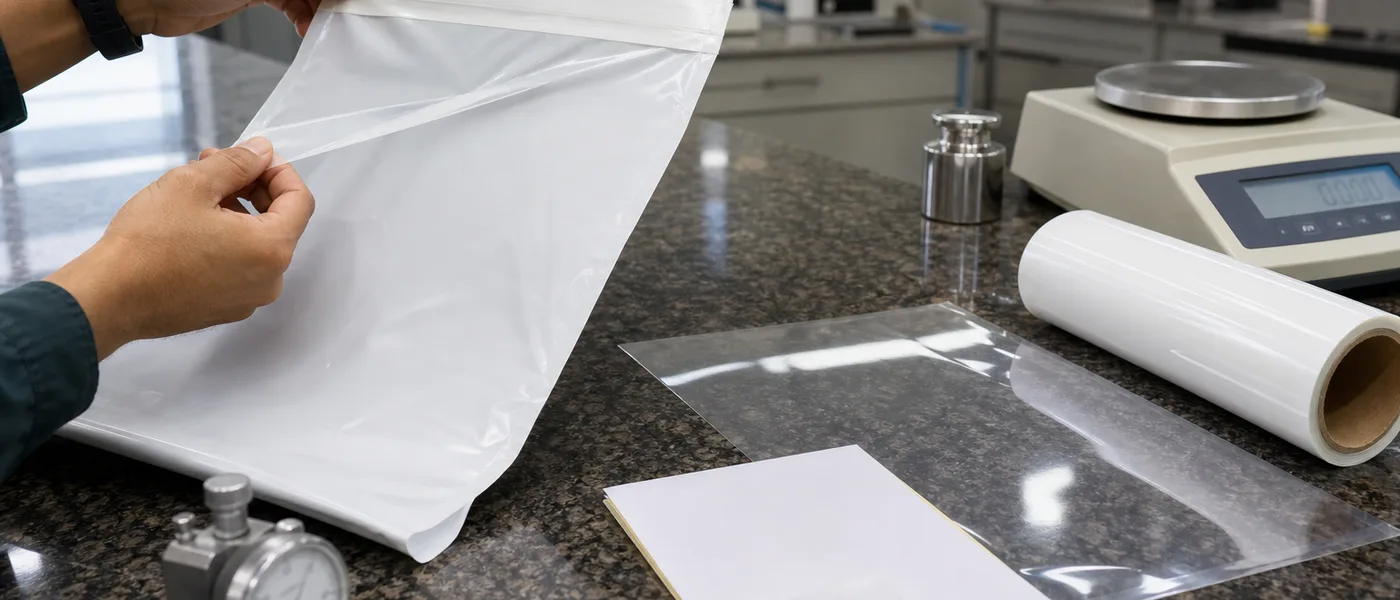
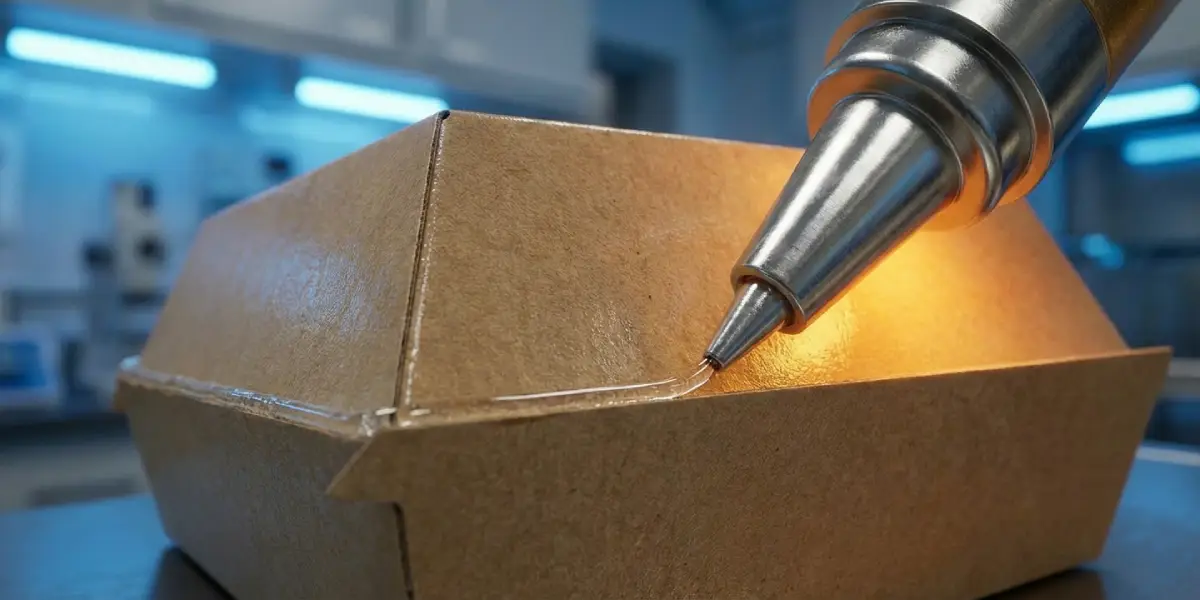
A practical regulatory explainer for packaging teams: what FDA 175.105 covers, when 176.170 matters, where FCNs fit, and how to avoid treating one route as blanket approval for every food-contact application.
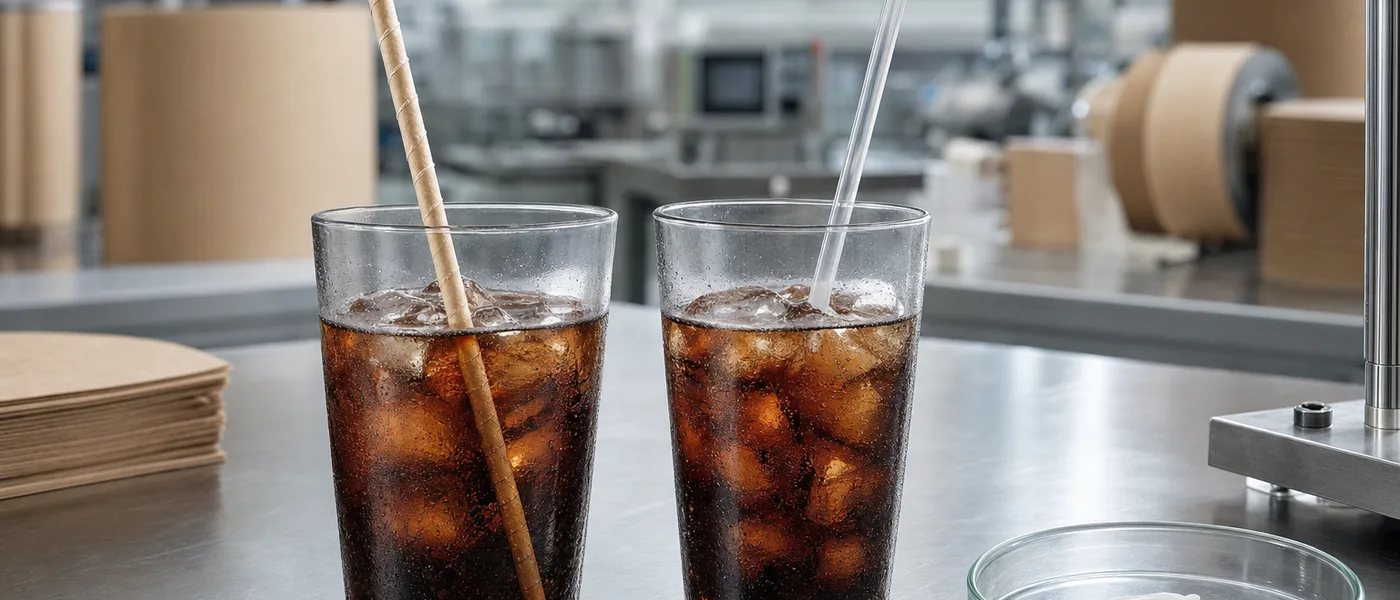
A practical comparison for beverage brands: drink-life, sensory feel, line complexity, direct-contact compliance, sustainability tradeoffs, and where paper still needs stronger adhesive engineering to compete with plastic.
How to match PSA to plastic face stocks and liners in packaging: surface energy on PE/PP/PET, coat weight, humidity and cold chain, FDA 175.105 vs marketing claims, and when hot melt fits better than PSA.
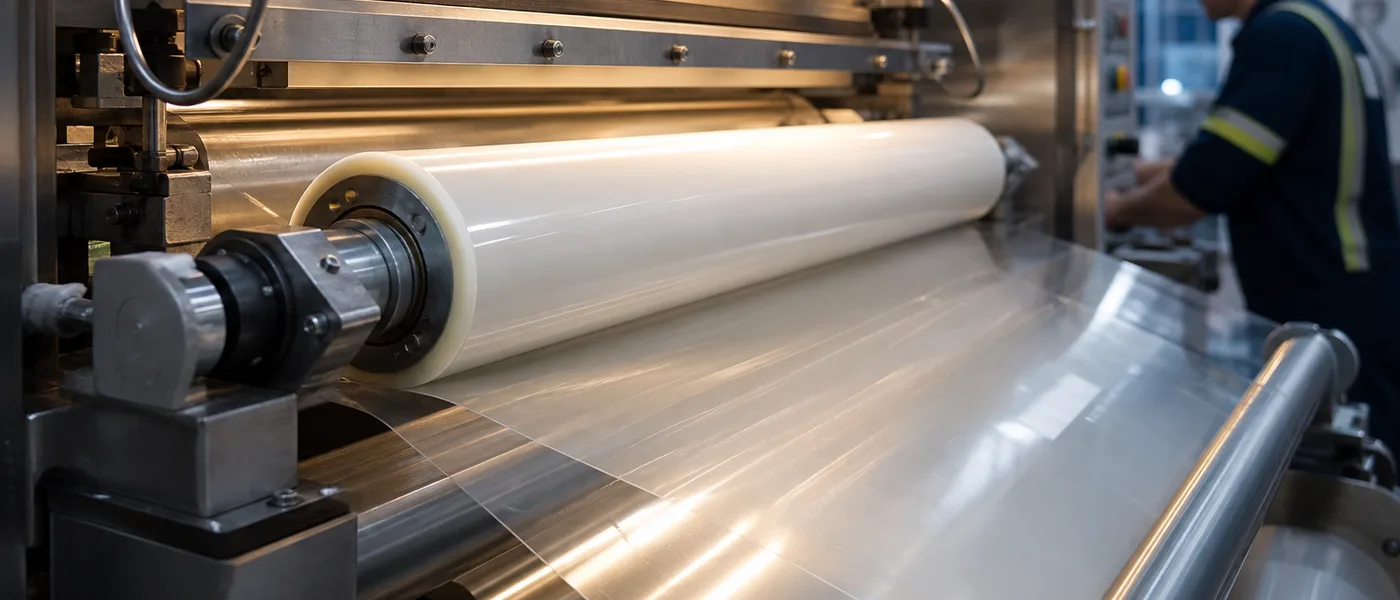
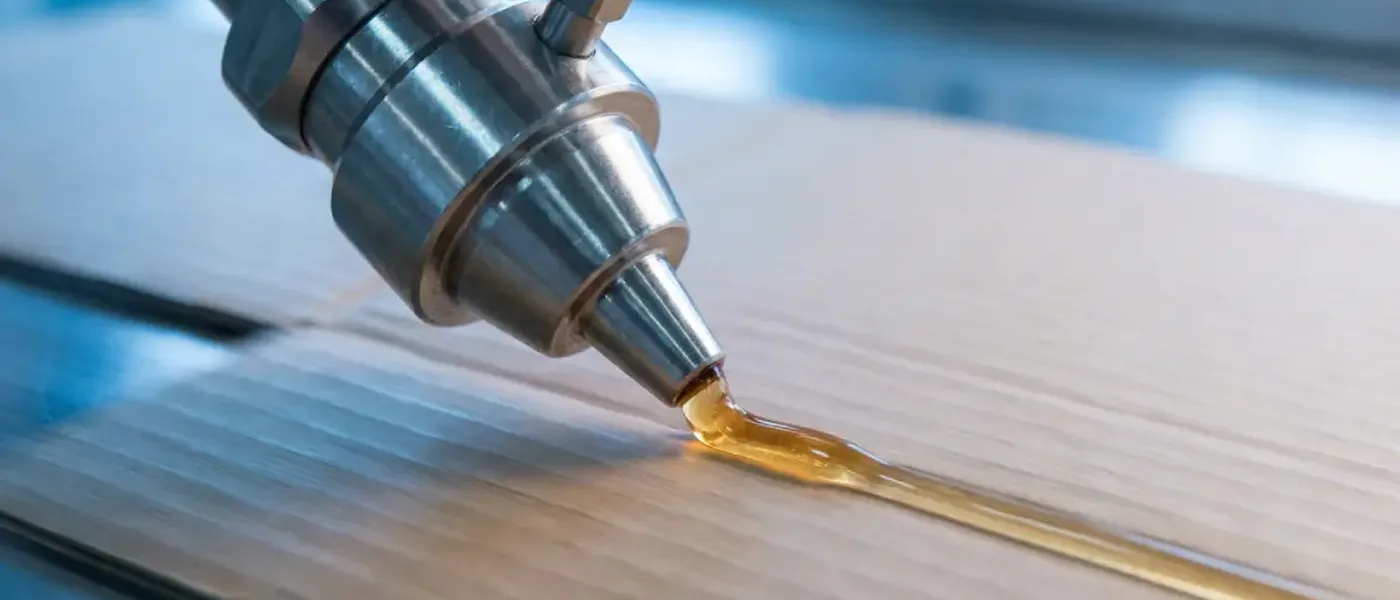
Best practices for slot die PSA coaters: coat weight control, temperature and viscosity stability, die lip maintenance, matrix stripping without stringing, and bleed-through prevention on thermal logistics labels.
Decorative wrap qualification for luxury rigid boxes should confirm stain-through control, invisible seam performance, odor behavior, board/wrap pairing, and supplier document readiness before launch. For EU, electronics, confectionery, or premium retail projects, REACH, RoHS, and FDA 21 CFR 175.105 review should be scoped to the exact adhesive, construction, market, and use case.
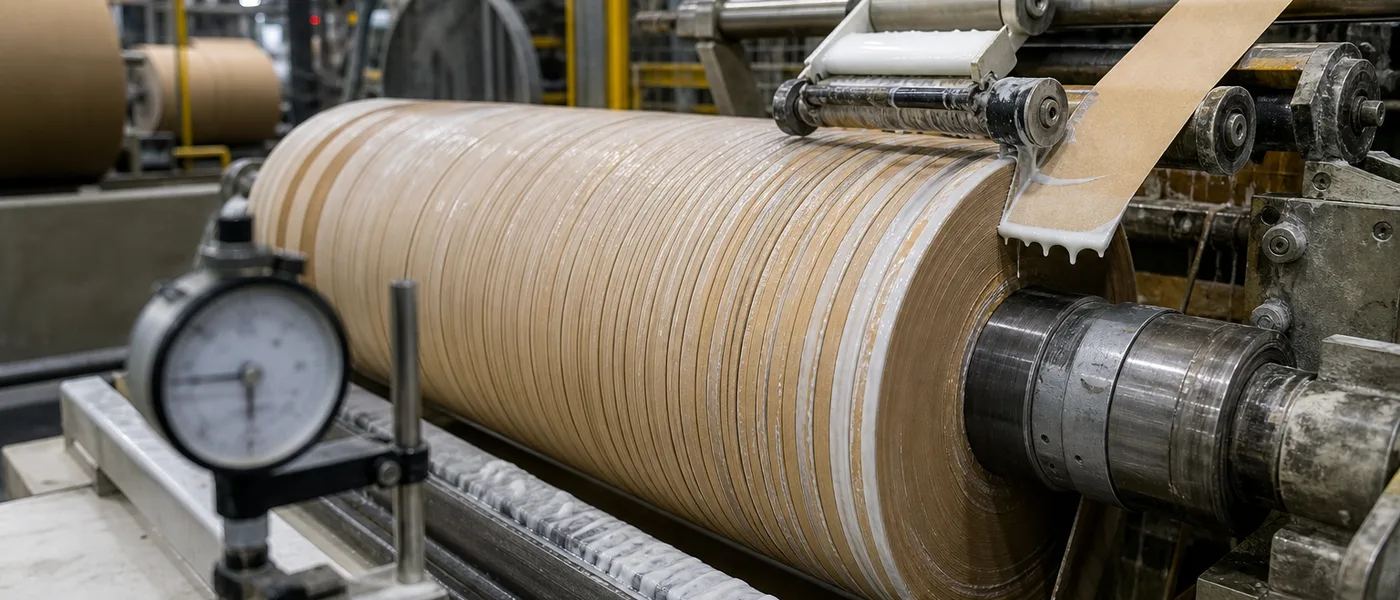
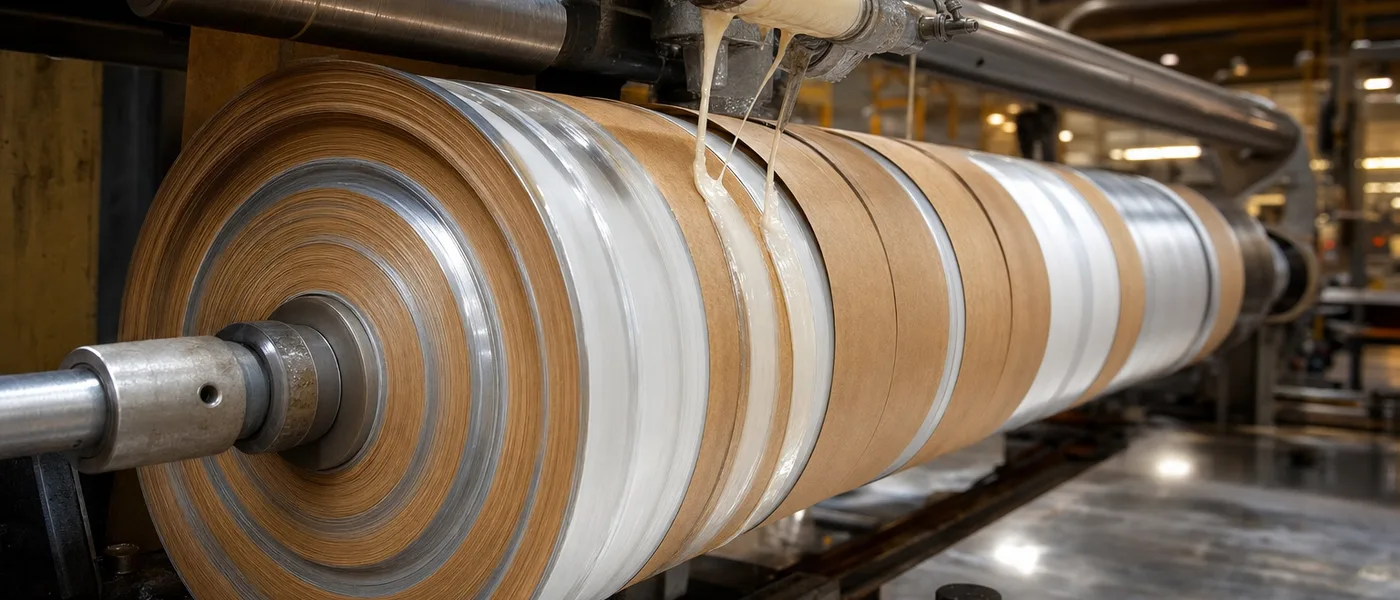
Machine-side guide for composite can winding: glue temperature, mandrel speed, paper tension, foil/PET liner tack, MAP seam integrity, and organoleptic qualification for food canisters.
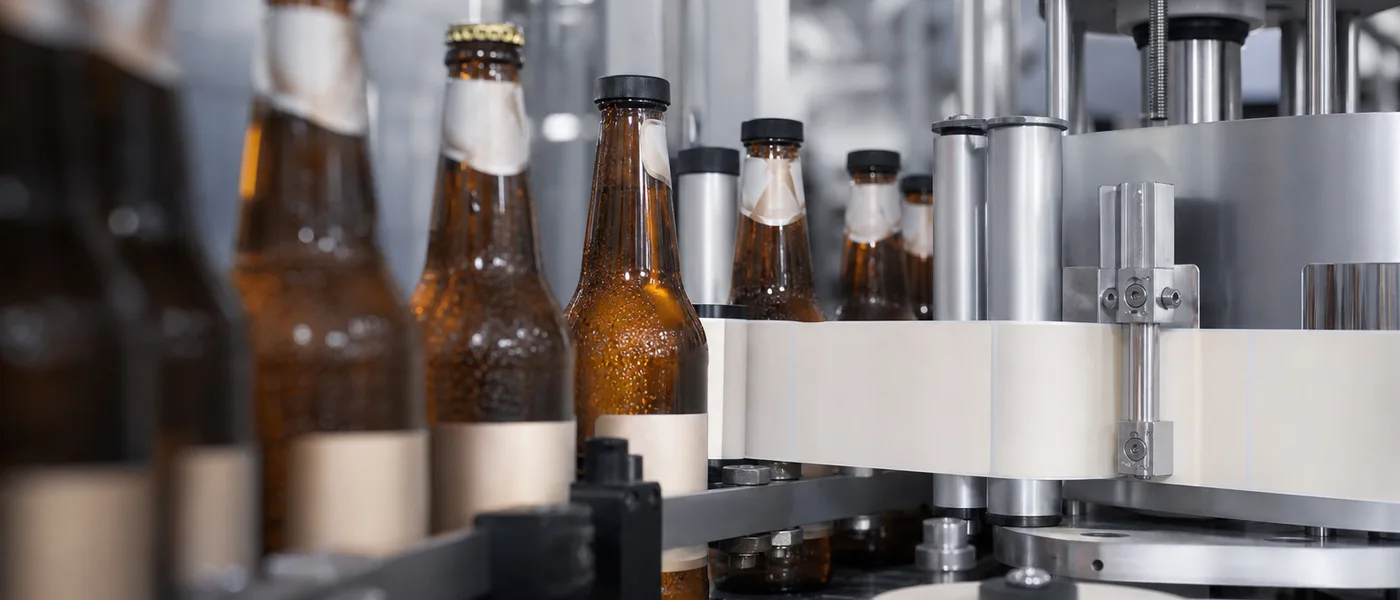
Fix label flagging and adhesive slinging on rotary lines: glue temperature, pallet wear, compression on wet bottles, ice-bath qualification, and wash-off for returnable glass—validated up to 60,000 BPH on beverage runs.
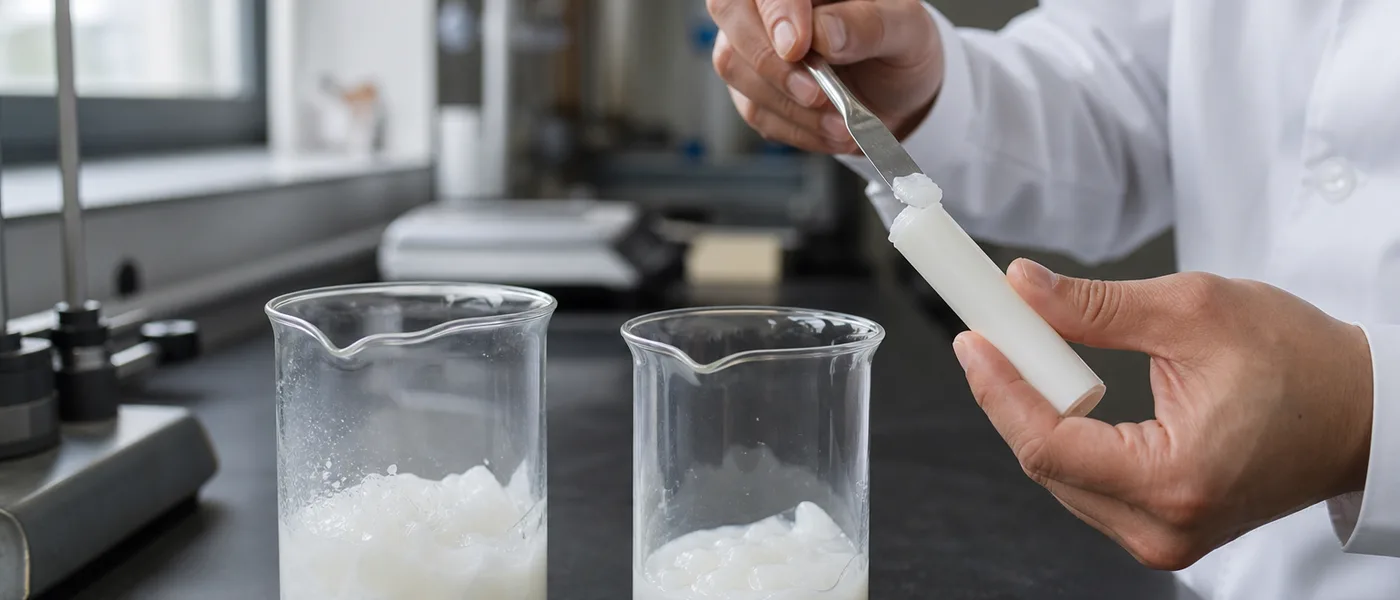
A solvent-free glue stick is not automatically ready for retail. OEM teams usually need to qualify glide feel, tube sealing, washability, shelf-life stability, and the compliance path together.
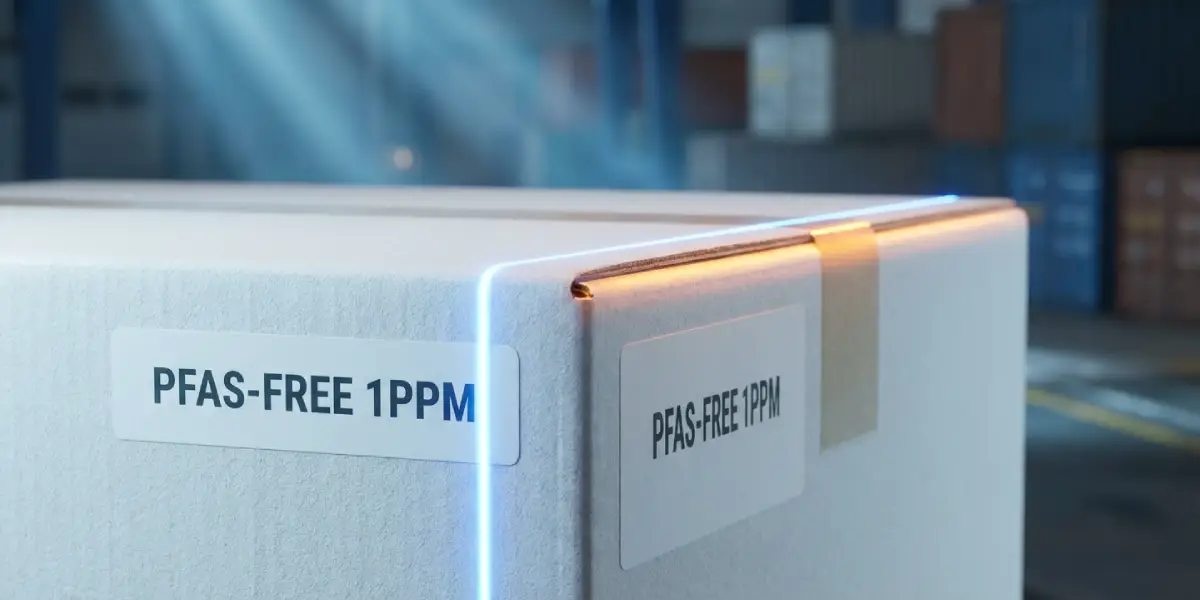
2026 PFAS enforcement is active. Learn how to catch 'ghost PFAS' contamination, protect export shipments, and qualify PFAS-free adhesive systems before customs does it for you.
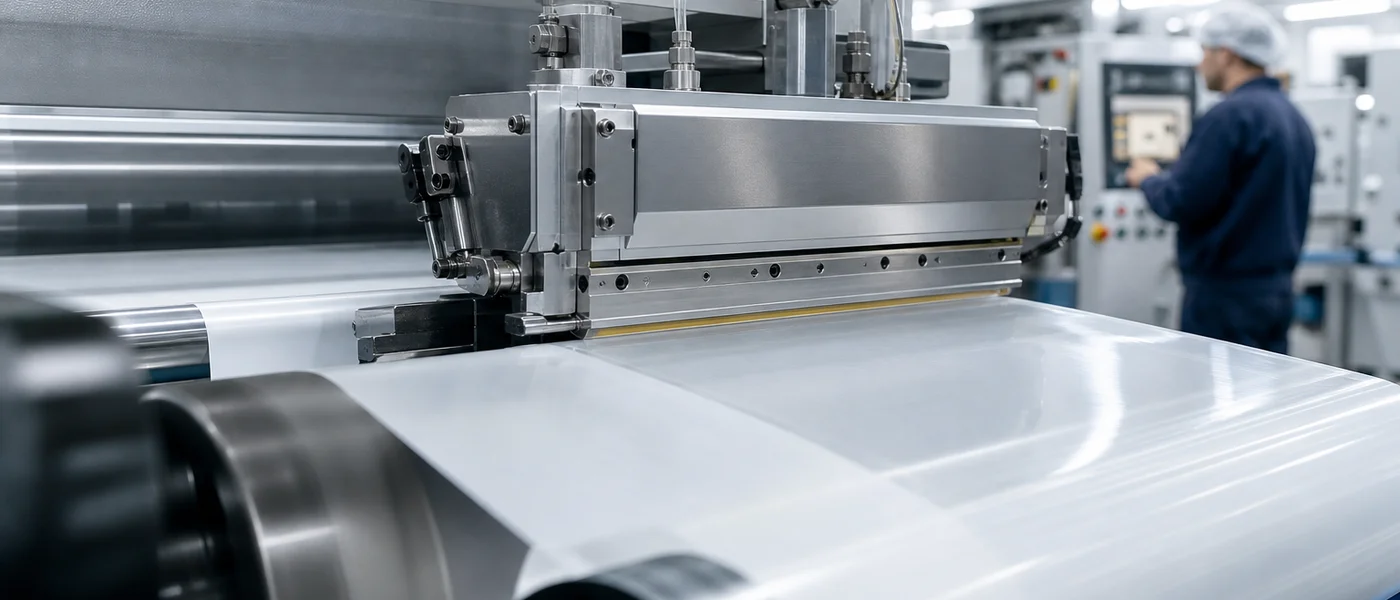
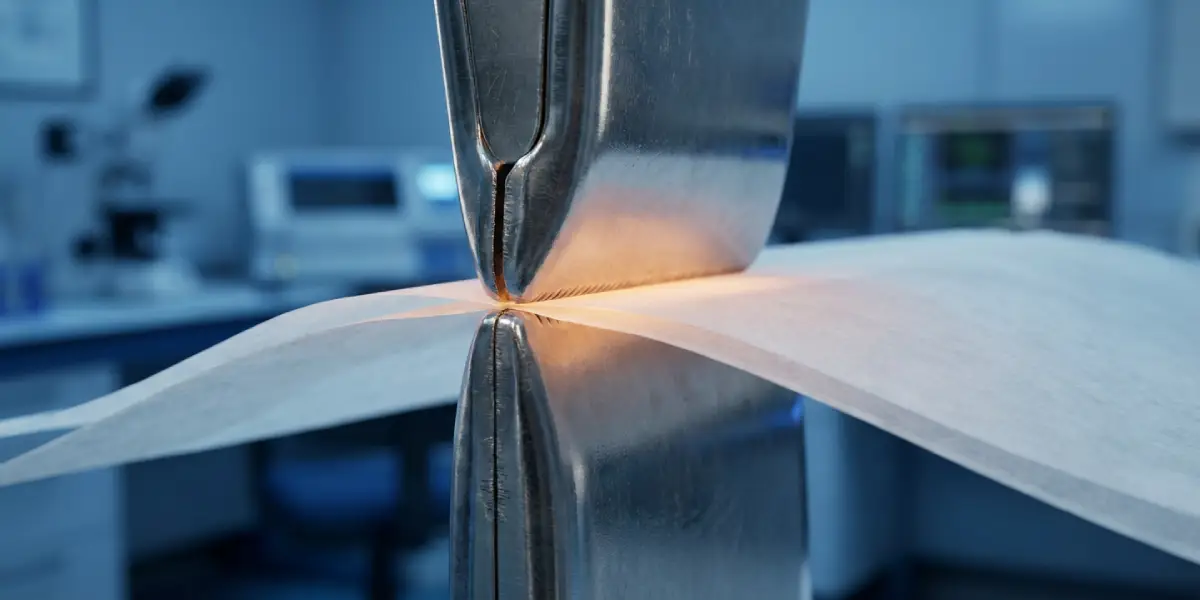
Aqueous heat-seal coatings only work when HSIT, COF, dwell time, and end-use stress stay aligned. This guide covers the qualification logic for food, beverage, medical, and VFFS applications.
Areca and bagasse tableware absorb moisture and grease. See how PFAS-screened acrylic coatings target Kit 12 performance when qualified per grade and shipping lane.
PE coatings are high-tax and non-recyclable. Learn how water-based heat seal coatings solve blocking and lower HSIT for high-speed, repulpable packaging.
An OEM stationery program moved a solvent-free glue stick launch forward by qualifying shelf-life stability, tube sealing, glide feel, and documentation review together instead of treating a clean formula label as enough proof of release readiness.
A private-label stationery supplier moved a school glue program forward by qualifying washable PVA around retailer safety-document review, filling-line transfer, viscosity stability, and paper-flatness expectations instead of treating price as the only decision.
A beverage bottler reduced label flagging and glue throw-off on cold wet glass by switching to a condensation-tolerant labeling adhesive tuned for rotary speed, ice-bath holdout, and wash-off recovery.
A secure-mail converter qualified one adhesive system across kraft paper and Tyvek envelope formats, reducing peel-back risk while keeping high-speed sealing clean and resistant to steam-based reopening.
A paper-bag converter stabilized heavy-load handle attachment and bottom shape retention by switching to a faster-setting adhesive package that improved fiber tear, reduced cleanup stops, and supported higher line speed.
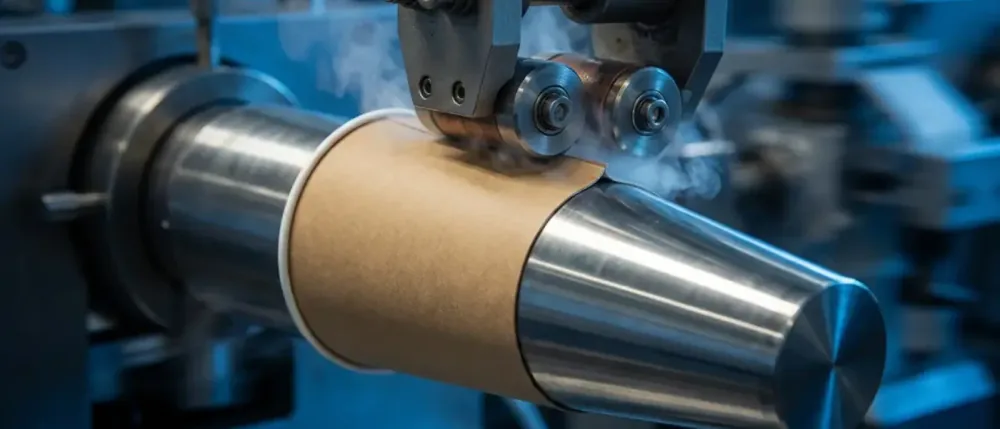
A paper-cup converter stabilized aqueous-coated cup forming by replacing PE-oriented bond logic with an adhesive package tuned for earlier green strength, cleaner stack release, and hot-liquid screening on the qualified grade.
A composite-can converter reduced sensory risk on premium tea packaging by switching to a lower-odor lamination system that improved organoleptic confidence while keeping foil-to-paper bonding stable on the winding line.
An anonymous converter moved a PE-replacement VFFS program forward by qualifying an aqueous heat-seal route around HSIT, collar COF, and rewind stability instead of treating lower sealing temperature as the only target.
An anonymous natural-fiber tableware producer reduced mold pressure and grease bleed by qualifying a PFAS-free barrier route around substrate moisture, Kit 12 holdout, and precision-spray application instead of saturating the sheet with dip-and-dry coating.
An industrial components supplier improved coating consistency by standardizing a rust-conversion route around corrosion level, prep method, and primer handoff instead of relying on uneven manual treatment across mixed-corrosion steel parts.
A converted-materials supplier shortened qualification and reduced field edge-lift pressure by matching industrial PSA chemistry to coated-film wet-out and foam-lamination shear demands instead of chasing tack alone.
A cigarette converter reduced cleanup pressure and seam-related interruptions by matching adhesive rheology and set behavior to the real pickup window on a high-speed line instead of correcting drift shift by shift.
A specialty surface-components producer stabilized a flocking program by matching adhesive laydown and anchorage to coated-board behavior, reducing visible density variation and post-brush fiber loss on premium inserts.
A spiral-wound straw converter reduced immersion seam failures in pilot and production by qualifying a water-resistant adhesive route tuned to line speed, paper grade, and dry-tunnel conditions—without relying on excess coat weight.
A pharmaceutical folding-carton converter stopped UV-coated side-seam pop-opens in validated lots by moving to a deeper-penetrating adhesive package tuned for varnished board and folder-gluer compression.
A foodservice packaging converter replaced permanent closure logic with a dry-clear PSA route that could be pre-applied, survive warm delivery handling, and reopen cleanly on bagasse and wood-fiber trays with coated sealing surfaces.
Periodic updates on adhesive qualification, compliance pathways, and converting best practices.
We care about your data in our privacy policy . Unsubscribe anytime.
Chat with us
Before you leave
Need a safer way to qualify adhesive on your line?
Send your substrate, line speed, and application target. We can suggest a 1 kg lab sample path or the right technical document before you commit to a production trial.
We use cookies to enhance your browsing experience, analyze site traffic, and personalize content. By clicking "Accept All", you consent to our use of cookies. Cookie Policy
For visitors in the EEA, UK, or Switzerland, analytics and marketing cookies stay off until you opt in.For visitors outside the EEA, UK, and Switzerland, analytics may load by default, and you can opt out at any time.

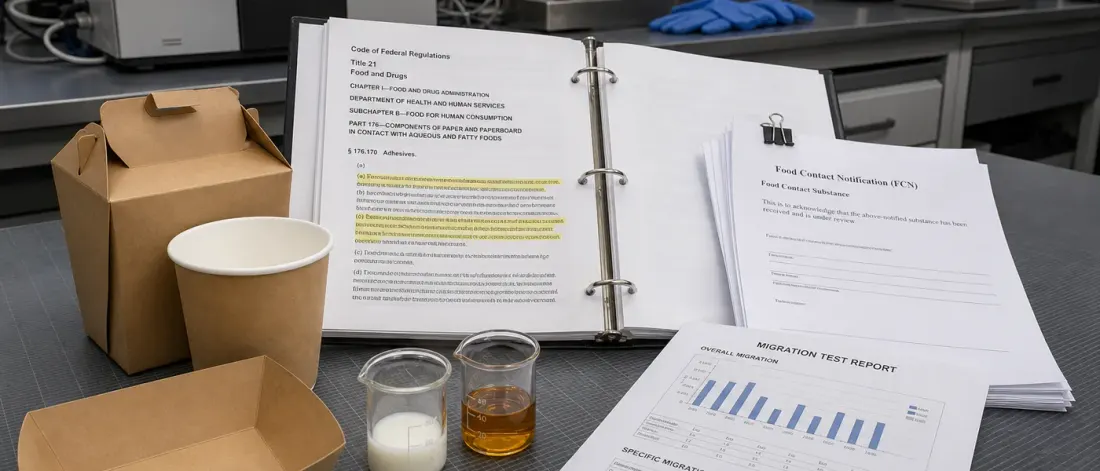 Guide
Guide