Paper Converting Adhesives for Straws, Tubes & Structural Board
Hub for spiral winding and ply lamination programs: paper straws, industrial tubes & cores, edge protectors, honeycomb panels, and composite canisters. Factory-direct qualification—1 kg lab screen → winder/laminator trial → bulk supply.
Pick your converting station below—or share mandrel speed, ply count, and compliance needs for a faster route.

5 Programs
Straw, tube, edge, honeycomb, composite can
1 kg → 20 kg
Lab screen then winder/laminator trial
TDS + DoC
Technical Data Center and audit packages on request
WB + HM
Water-based and hot-melt routes by station
Choose Your Converting Program
Each line has dedicated specs, compliance path, and sample workflow—soak/crush/beam targets, compliance path, and sample workflow matched to that bond station.
Paper Straw Adhesives
Spiral straw seams with hot/cold soak qualification on your stock—176.170 paper-contact routes where applicable.
Industrial Tubes & Cores
Dextrin/PVA grades for textile, film, and tape cores—radial crush and mandrel cutoff qualified on your ply stack.
Paper Tube Adhesive Powder
Dry powder starch/dextrin route for on-site mixing—control viscosity, hydration, pot life, and finished tube performance before replacing liquid glue.
Edge Protectors
V-board and U-profile ply bonding—beam and strap-tension screening on your board grade.
Honeycomb Board
Low-moisture lamination for lay-flat panels and structural loads—curl and compression qualified together.
Composite Cans
Foil/PET liner spiral canisters—low-odor routes and 175.105 indirect paperwork for food-adjacent programs.
Custom Winding Challenge
Unusual liner, ply count, or speed window? Share mandrel or laminator specs for a qualification path.

Why Converting Teams Start at This Hub
Five commercial programs, clear program routing, and qualification language aligned to each winder—not one generic “tube glue” list.
Right Program, Right Page
Compliance by Structure
Qualify Before Bulk
Technology Platforms Behind These Programs
Match water-based, hot-melt, or food-contact documentation to the station—not one chemistry for every winder.
Water-Based Adhesives
Dextrin, PVA, and VAE routes for tubes, edge board, honeycomb, and straw programs—repulpable options where mills qualify.
Hot-Melt Adhesives
Core starting, tail tying, and difficult film/foil tack on converting lines—after substrate and speed audit.
Food Contact Adhesives
175.105 vs 176.170 routing for straws, canisters, and export audits—hub before you approve the wrong FDA chapter.
Factory-Direct Supply & Line Screening
Source manufacturer for winding and lamination lines: batch documentation, substrate-matched grades, and chemist support when your mandrel or laminator needs tuning.
- Consistent batches with TDS and SDS for the grade you approve—traceability when your customer audit requires it.
- Line-side screening on your paper grade, speed, and compliance zone—crush, soak, beam, or curl targets before bulk MOQ.

Converting Documentation Support
Regulatory fit depends on application and pack structure. We provide TDS, SDS, and compliance statements for the grade you nominate—not a blanket “FDA approved” label.
Common Documentation Paths
Request an audit package when your customer or export program requires batch paperwork.
- FDA 176.170 (Direct-contact paper routes (straws—structure-dependent))
- FDA 175.105 (Indirect routes (canisters, cores, secondary packaging))
- REACH & RoHS (Statements on request for export programs)
Batch-level TDS, SDS, and compliance notes scoped to your nominated grade and converting program.

We run both textile cores and MAP canisters—Senda’s team pointed us to the right programs for each line and kept crush vs sensory qualification separate instead of one “strongest glue” pitch.
Technical Proof (Optional Reading)
After you pick a program above, use these for deeper reading—not a substitute for program-specific samples.
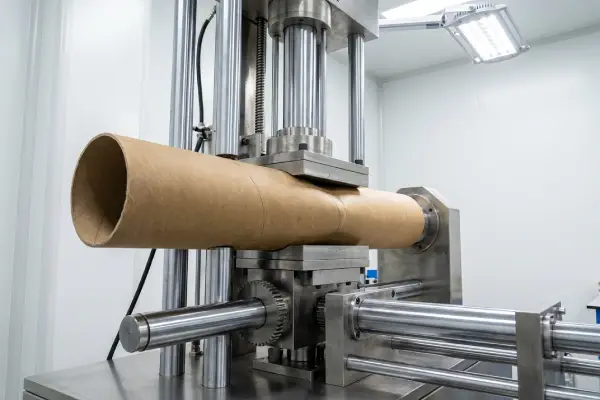 CASE STUDY
 Case Study: High-Speed Tube Winding Window
How a converter matched wet tack and cutoff to hold conditioned crush without only increasing glue laydown.
Read the Full Story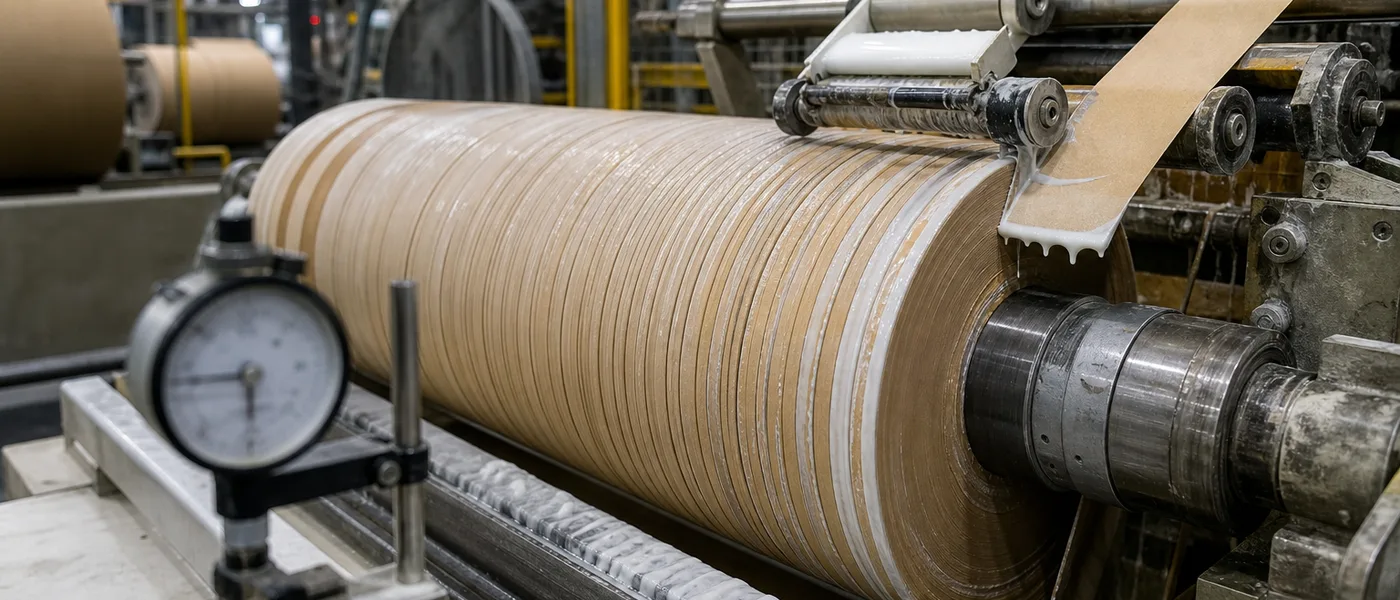 TECHNICAL GUIDE
 Guide: Maximizing Paper Core & Board Strength
Solids, ply tension, and drying balance for tubes, cores, and structural board—before you chase viscosity alone.
Read Full ArticleFrequently Asked Questions
Which page should I use for my converting line?
Use the application grid: straws → paper straw adhesives; textile/film cores → industrial tubes; V-board → edge protectors; honeycomb panels → honeycomb board; foil canisters → composite cans; regulatory routing → food contact adhesives.
What are MOQ, lead time, and samples?
MOQ is typically ~1,000 kg per approved grade. Lead time is often 7–10 business days. Start with complimentary 1 kg lab material (recipient prepaid shipping), then 20 kg winder/laminator trials for that application.
How do we determine whether our structure should follow an FDA 175.105 or 176.170 route?
Routes are matched to your structure—176.170 for direct liquid-contact paper (many straws), 175.105 for indirect/canister programs with barriers. See food contact adhesives for the decision tree.
Water-based or hot-melt for my winder?
Most tube, edge, honeycomb, and straw seam programs are water-based (dextrin/PVA/VAE). Hot melts often fit core start/tail tie or film tack—share your station map on your sample inquiry.
Can you bond recycled kraft or low-grade board?
Yes—qualification adjusts solids, wetting, and penetration on your paper. Crush, beam, and curl targets are agreed in trial, not assumed from a generic datasheet.
Is straw adhesive the same as cup coating or barrier?
No. Paper straws covers seam glue; cup barrier coatings live under recyclable barrier; cup seam adhesive under paper cups. Route each layer separately.
Where do I get TDS, SDS, or audit documents?
Use the Technical Data Center (`/technical-resources`) or request an audit package with your sample request.
Do you customize viscosity for our mandrel speed?
Yes—share mandrel RPM, ply count, liner type, or laminator nip for that application. Tuning is part of qualification, not a separate catalog SKU.