Fix label flagging and adhesive slinging on rotary lines: glue temperature, pallet wear, compression on wet bottles, ice-bath qualification, and wash-off for returnable glass—validated up to 60,000 BPH on beverage runs.
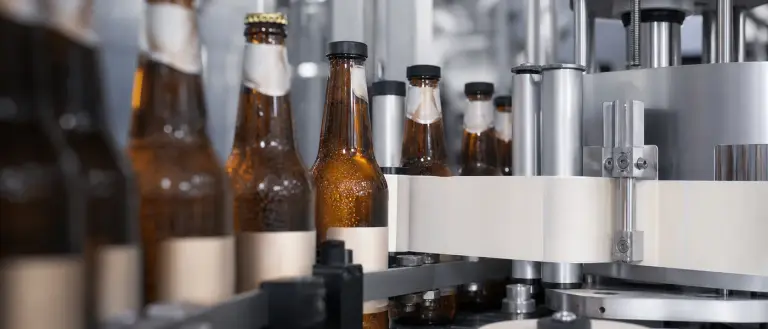
Table of Contents
- ·Symptom Map: Flagging vs. Slinging vs. Skew
- ·Glue Temperature and Viscosity
- ·Pallet Wear and Label Pickup
- ·Compression on Cold, Wet Bottles
- ·Glass vs. PET vs. Cans (Quick Substrate Notes)
- ·Ice-Bath Qualification (What “Ice-Proof” Should Mean on Your Line)
- ·Wash-Off and Returnable Glass
- ·Field Evidence: Zero Flagging at 60,000 BPH
- ·Compliance Note: FDA 175.105 for Labeling
- ·Startup Checklist Before You Chase a New Adhesive
- ·Final Takeaway
- ·Frequently Asked Questions
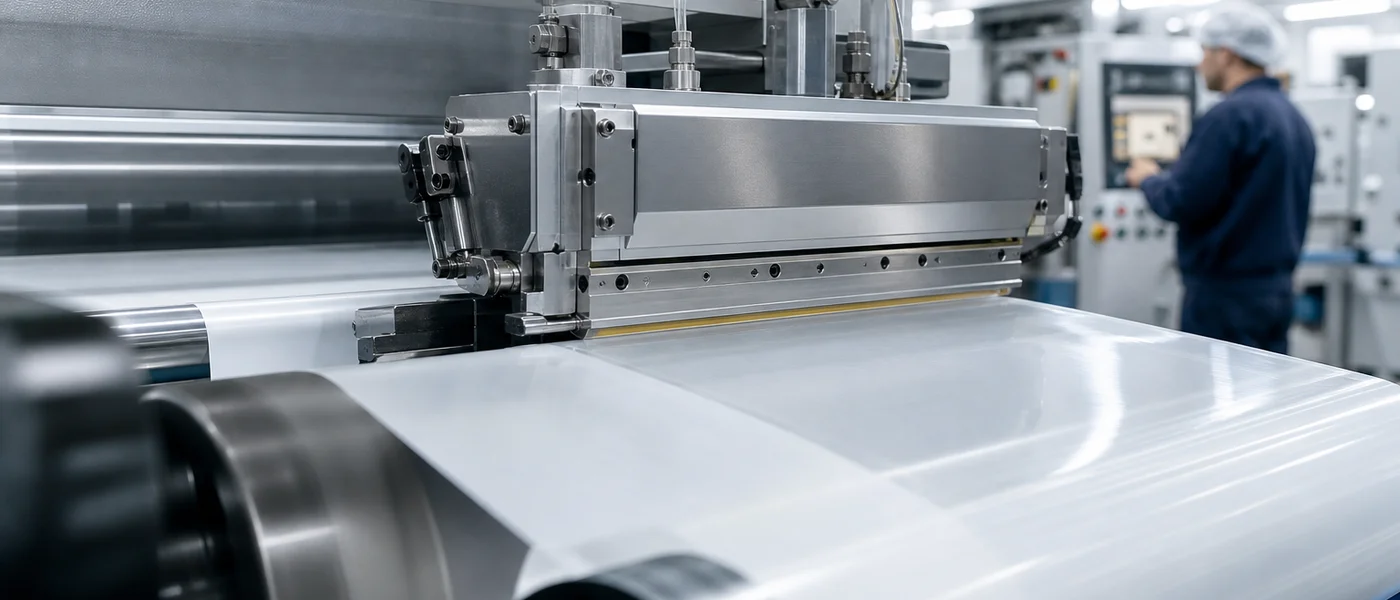
On a rotary labeler, the adhesive rarely fails in isolation. The bottle arrives cold and wet, the pallet picks up a paper label in a fraction of a second, and the compression belt has one chance to lock the leading edge before centrifugal force and condensation work against you. When maintenance calls about “bad glue,” the symptom is usually flagging, slinging, or skew—but the root cause is often a machine variable that moved during startup.
This guide is for bottling engineers and labeler technicians working glass, PET, or cans on industrial rotary systems—the same failure modes we document on our bottle labeling adhesives page. Field results from a brewery condensation run at 60,000 BPH are summarized below; it does not replace your OEM manual or your own ice-bath and wash-off validation.
Symptom Map: Flagging vs. Slinging vs. Skew
Start by naming what the line is actually doing. Flagging is edge lift or wrinkle after the bottle leaves the labeler—often worse on the leading edge when condensation load increases. Slinging or misting is adhesive throw-off from the pallet or glue roller, fouling sensors, star wheels, and guards. Skew or walk-off is misalignment before compression: the label never lands square, so no amount of tack will look acceptable downstream.
- Flagging after cold storage or ice service: Usually moisture penetration or insufficient compression time on wet glass—not “weak glue” alone.
- Slinging at full speed: Often viscosity/temperature mismatch or worn pallet geometry throwing low-viscosity adhesive.
- Skew at pickup: Check vacuum on label magazine, pallet lip wear, and bottle stability in the star wheel before adjusting glue volume.
Glue Temperature and Viscosity
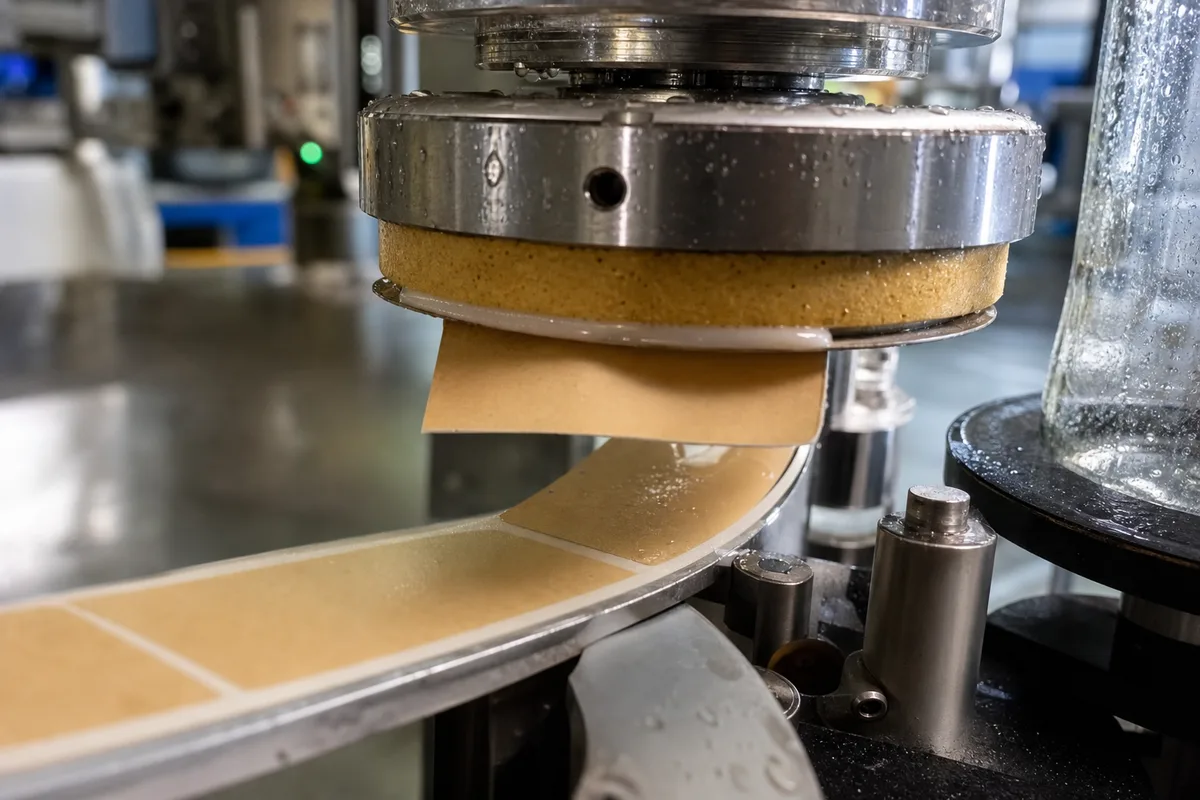
Rotary systems need rheology that stays in band at line speed. If temperature drifts low, viscosity rises and pickup becomes inconsistent; if temperature drifts high, viscosity drops and throw-off increases even when the tank level looks stable. Our bottle-labeling matrix cites cold-glass grades in roughly the 30,000–60,000 cps range (tested at 25°C)—use your supplier TDS for the approved window, not a generic “bottling glue” setpoint.
- Log tank temperature at startup and after each speed change; compare to the grade’s recommended application band.
- Verify recirculation: hot spots in the hose run cause intermittent slinging that looks random on the floor.
- After a grade change, allow the system to purge old material—mixing casein residue with synthetic grades often spikes throw-off.
Engineering Pro Tip
Page benchmarks cite up to 90% less adhesive throw-off versus traditional casein on some synthetic grades at 60,000 BPH—that is a comparison context from our bottling line data, not a guarantee on every machine. Always qualify on your pallet type, label stock, and bottle temperature.
Pallet Wear and Label Pickup
The pallet is the transfer surface. Grooves, glaze, or chipped edges change how much adhesive transfers and how cleanly the label releases. Worn pallets often show up as intermittent flagging on one lane while the rest of the machine looks fine.
- Inspect pallet faces each shift for buildup; hardened adhesive changes pickup volume.
- Replace pallets on a wear schedule—waiting for visible damage usually means weeks of edge lift data.
- Match adhesive open time to label stiffness; heavy paper labels need consistent glue film, not just more volume.
Compression on Cold, Wet Bottles
Condensation is not a cosmetic issue. Standard grades can sit on top of the water film while the label looks tacked in the labeler and flags in the cold room. Our condensation-tolerant grades are engineered to penetrate surface moisture and build hold on glass down to about 4°C, with qualification paths that include 72-hour total immersion in ice-water (0°C–4°C) for export and cold-service programs.
Compression belt pressure and dwell time must match bottle diameter and label overlap. Too little pressure leaves air under the leading edge; too much can wrinkle lightweight paper. Tune compression after glue temperature is stable—changing both at once makes root-cause analysis impossible.
Glass vs. PET vs. Cans (Quick Substrate Notes)
- Glass (beer/wine): Condensation and returnable wash-off dominate; casein and advanced synthetics are common—ice-bath holdout is the pass/fail gate.
- PET / LSE plastics: Low surface energy needs hot-melt PSA routes with clean cutoff at speed; watch carbonation expansion on thin bottles.
- Metal cans: Overlap paste and hot pick-up grades focus on corrosion control and zero stringing—not the same rheology as paper-on-glass.
Flagging or Slinging on Your Rotary Line?
Review bottle labeling grades built for condensation penetration, up to 60,000 BPH rotary running, and returnable-glass wash-off—with trial pail support.
See Bottle Labeling AdhesivesIce-Bath Qualification (What “Ice-Proof” Should Mean on Your Line)
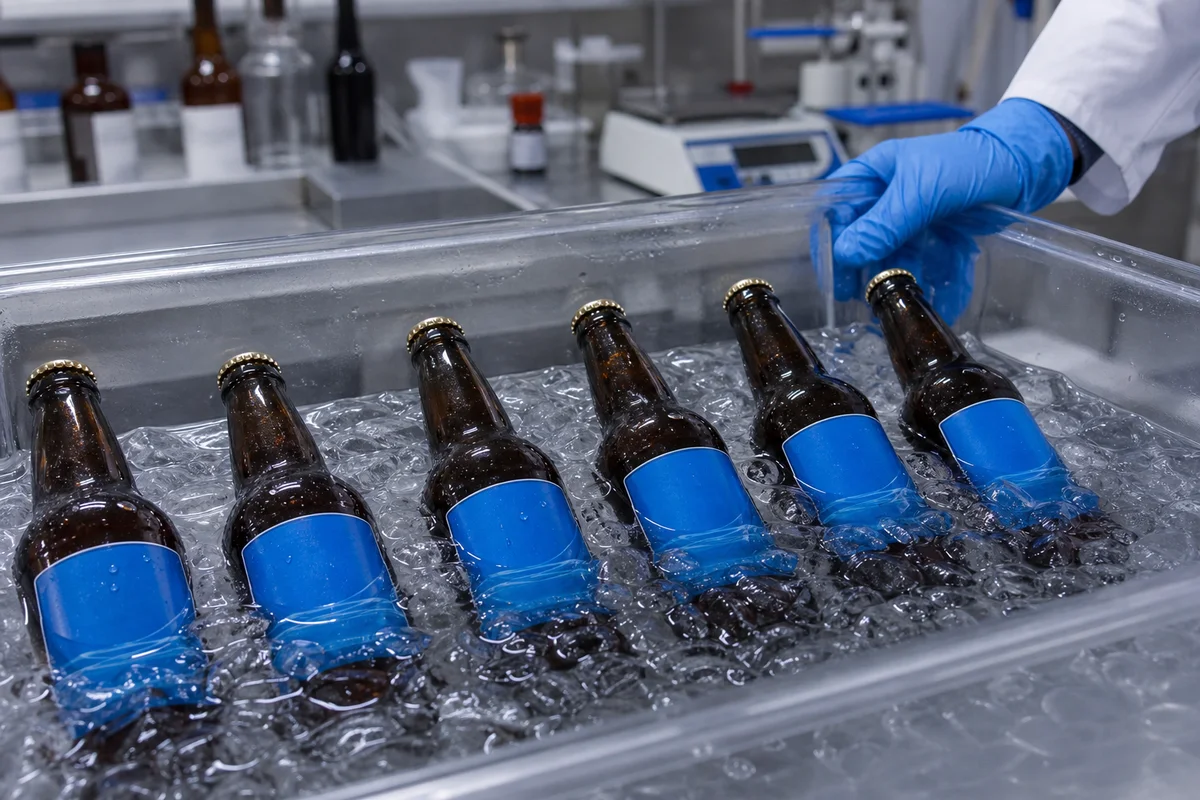
Marketing language is not a release test. We use total immersion holdout—labels applied to cold, wet bottles, then held in ice-water for the customer’s required duration (commonly up to 72 hours in beverage export specs). Pass criteria: zero flagging, peeling, or edge lift at the leading edge after removal and warm-up.
Document bottle exit temperature, filler room humidity, and label stock lot. A formula that passes in winter may flag in summer if condensation load doubles—our brewery bottle labeling case study describes that full-loop validation (pickup, rotary cleanliness, ice-bath, wash-off) on a European bottling line.
Wash-Off and Returnable Glass
Returnable-bottle programs need two bonds: aggressive hold in service and clean release in caustic wash. Our wash-off grades target dissolution in roughly 1–2% NaOH at 80°C (page also references 65°C–80°C alkali-soluble ranges depending on plant protocol). Residue on glass lowers recyclate quality and increases caustic consumption.
Do not solve flagging with a permanent resin that fails wash-off audits. Qualify hold and release in the same week—improving cold tack while creating wash tank burden is a common failure mode in returnable glass.
Field Evidence: Zero Flagging at 60,000 BPH
A major brewery running at maximum rotary speed faced label flagging and adhesive slinging on cold wet glass. After aligning moisture-penetrating chemistry with pallet cleanliness and compression, the line reported zero flagging at 60,000 BPH with ice-bath holdout and wash-off still in spec. Full narrative: brewery bottle labeling condensation case study.
Compliance Note: FDA 175.105 for Labeling
Beverage labels are typically indirect food contact under FDA 21 CFR 175.105 when the adhesive does not contact the product contents. Keep DoC, SDS, and migration statements aligned to your actual label geometry and regional export requirements.
Startup Checklist Before You Chase a New Adhesive
- Confirm symptom: flagging vs. slinging vs. skew.
- Stabilize glue temperature; log viscosity context from TDS.
- Inspect and clean pallets; replace worn units.
- Tune compression on the wettest bottle condition you see in production.
- Run ice-bath and wash-off screens on the same label lot.
- Request batch documentation for audit packages if the pack is food-adjacent.
Final Takeaway
Rotary labeler troubleshooting is machine discipline first, chemistry second. Stabilize temperature and pallet transfer, prove compression on cold wet bottles, then qualify ice-bath and wash-off in one program. For food-contact paper labels, align declarations with our FDA paper-packaging guide. If you want structured benchmarking, send bottle type, label stock, line speed, and a photo of the failure edge—we typically start with adhesion and ice-bucket screening before recommending a grade change.
Frequently Asked Questions
Do your adhesives work on wet, cold bottles?
Yes. Our ice-proof range is engineered to penetrate condensation and bond cold glass (down to about 4°C), with qualification paths that include up to 72-hour total immersion in ice-water for export programs—always validate on your bottle and label stock.
What is the maximum line speed supported?
High-performance grades are validated for industrial rotary labelers running up to 60,000 BPH with reduced slinging versus many casein systems—actual speed depends on pallet design, label material, and compression setup.
Are your adhesives compatible with returnable glass wash-off systems?
We offer wash-off grades designed to detach in standard caustic wash (about 1–2% NaOH at 80°C, with plant-specific 65°C–80°C protocols). Qualify both hold and release; improving cold tack must not create wash tank residue.
What is your MOQ for labeling adhesives?
Standard industrial MOQ is about 1,000 kg (one pallet). We also provide 20 kg trial pails for machine validation and free 1 kg lab samples for compatibility screening.
How do I reduce adhesive slinging on a rotary labeler?
Stabilize glue temperature within the grade’s viscosity window, clean or replace worn pallets, and avoid mixing old casein with new synthetic material in the tank. Throw-off often drops after pallet maintenance even before changing chemistry.
Fix labeler glue issues on your line
Request complimentary 1 kg lab material (shipping prepaid by recipient) after screening on your substrate and line conditions.
References
Technical Disclaimer: All technical data is based on standard laboratory conditions. Users should perform their own verification testing to confirm suitability for specific substrates, processes, and regulatory requirements. Senda Glue makes no warranties, express or implied, and assumes no liability for improper use of the products or reliance on this information.