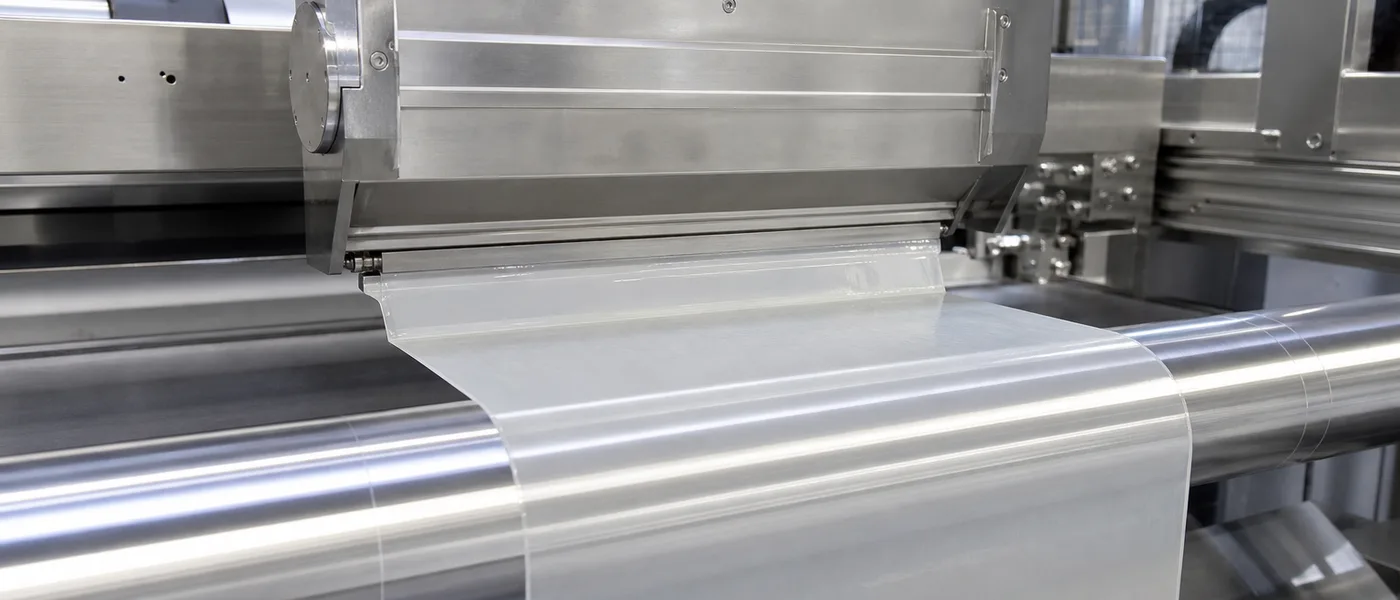
Best practices for slot die PSA coaters: coat weight control, temperature and viscosity stability, die lip maintenance, matrix stripping without stringing, and bleed-through prevention on thermal logistics labels.

Table of Contents
- ·Coat Weight vs. Bleed-Through on Thermal Paper
- ·Temperature and Viscosity Stability
- ·Die Lip Maintenance and Chatter
- ·Matrix Stripping Without Stringing
- ·Cold-Chain Tack (-20°C)
- ·Recycled Face Stock Variability
- ·Case: Winter Label Drop-Off on Recycled Board
- ·End-User Labeling (Short Pointer)
- ·Startup Checklist
- ·Final Takeaway
- ·Frequently Asked Questions
On a label converting line, slot die coating is where barcode quality is won or lost. Too much adhesive bleeds through direct-thermal face stock; too little leaves winter drop-off on recycled corrugated. The die must deliver uniform coat weight, then release cleanly so matrix stripping does not gum rotary blades.
This guide is for PSA coating supervisors and die technicians on logistics and thermal label programs—the same zero-bleed, clean matrix, and -20°C tack targets on our logistics labels page. It is converter-side coating, not end-user label application on cartons (see
e-commerce logistics labels for downstream use). For streaking, chatter, and edge ooze on tape coaters, pair with specialty tape PSA defect workflows.
Coat Weight vs. Bleed-Through on Thermal Paper
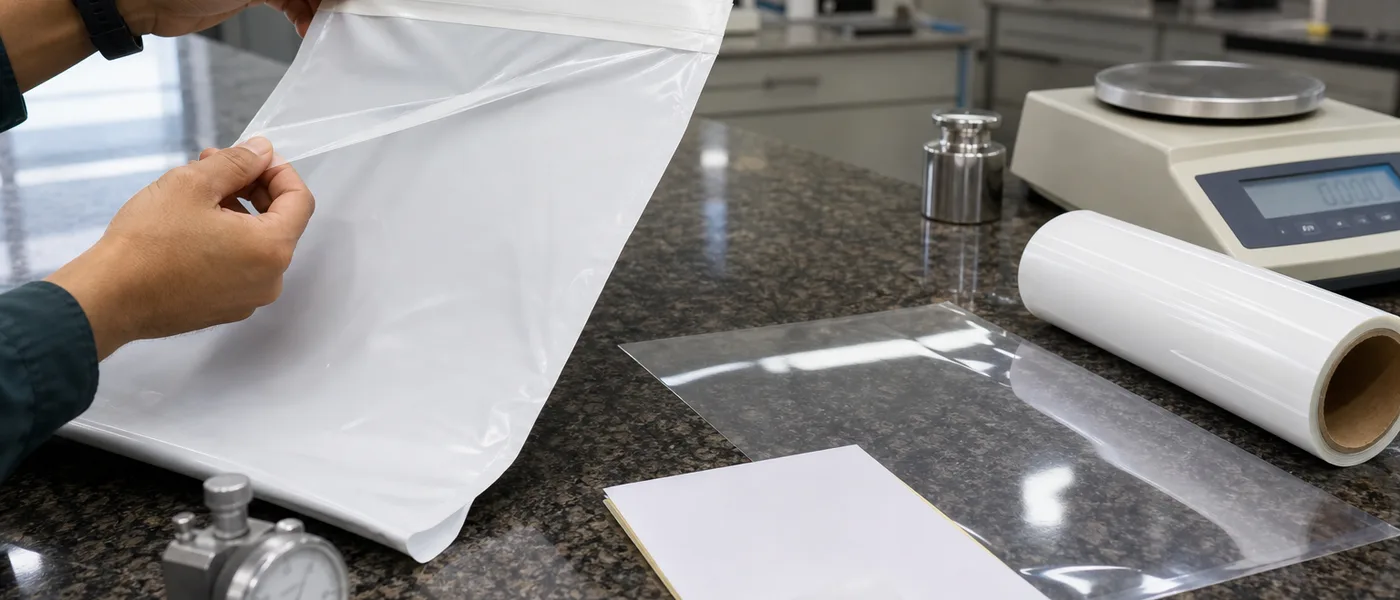
Bleed-through is adhesive migration through thin thermal facestock—barcodes fade, rolls can block in storage. Hold-out comes from viscosity stability and coat weight discipline, not from “permanent” marketing claims. Start with grams-per-square-meter targets from your supplier TDS, then verify barcode contrast after accelerated aging, not only fresh off the coater.
- Roll blocking in warehouse → often overweight coat or low hold-out resin.
- Thermal darkening → check coat weight, liner compatibility, and storage temperature.
- Fiber-tear on boxes is a field test—do not solve it by overcoating the web.
Temperature and Viscosity Stability
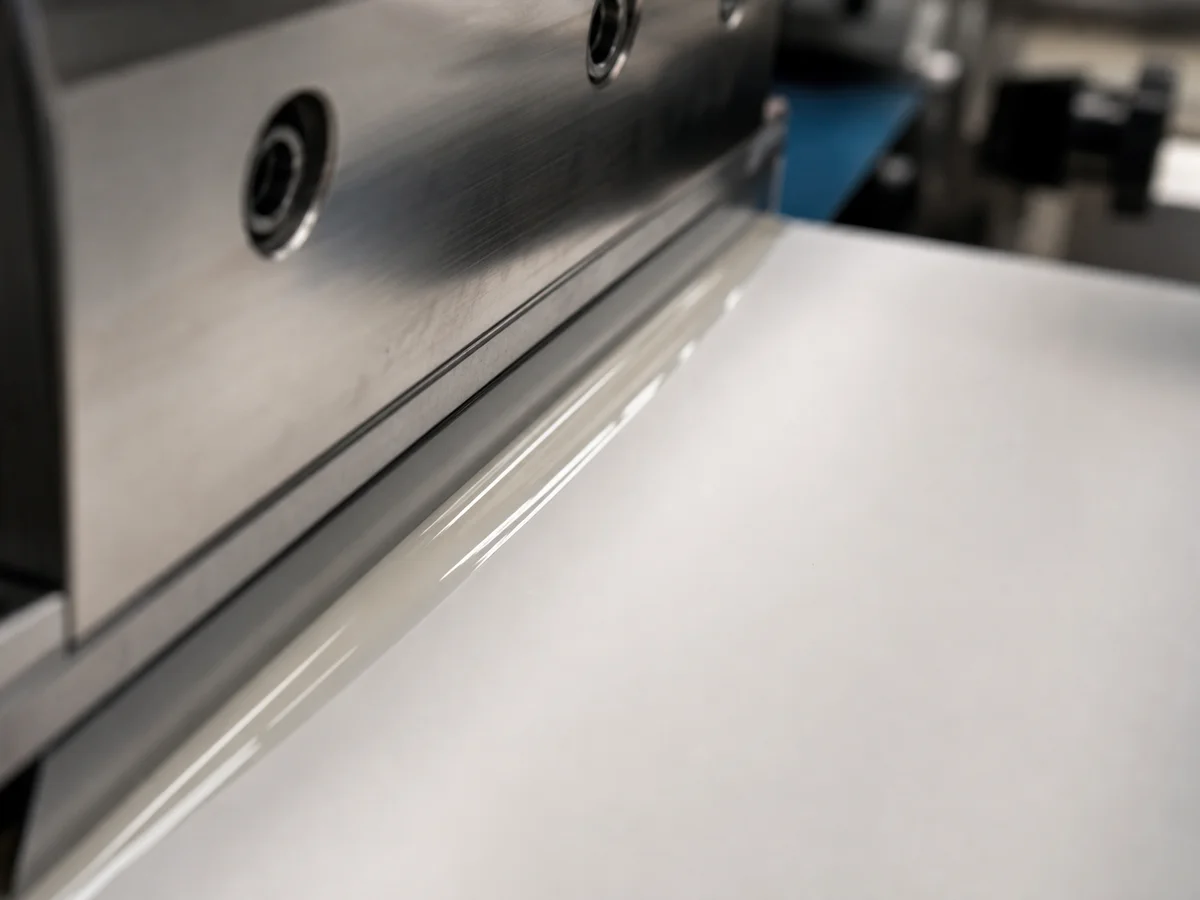
PSA viscosity shifts with temperature. Drift at the slot shows up as chatter, ribbing, or coat-weight bands before it shows up in peel data. Log bulk temperature, hose heat trace, and die body setpoint at shift start and after grade changes. Winter-grade logistics PSA must stay coatable in the plant while still gripping at -20°C in service—that is two different temperature problems; qualify both.
Die Lip Maintenance and Chatter
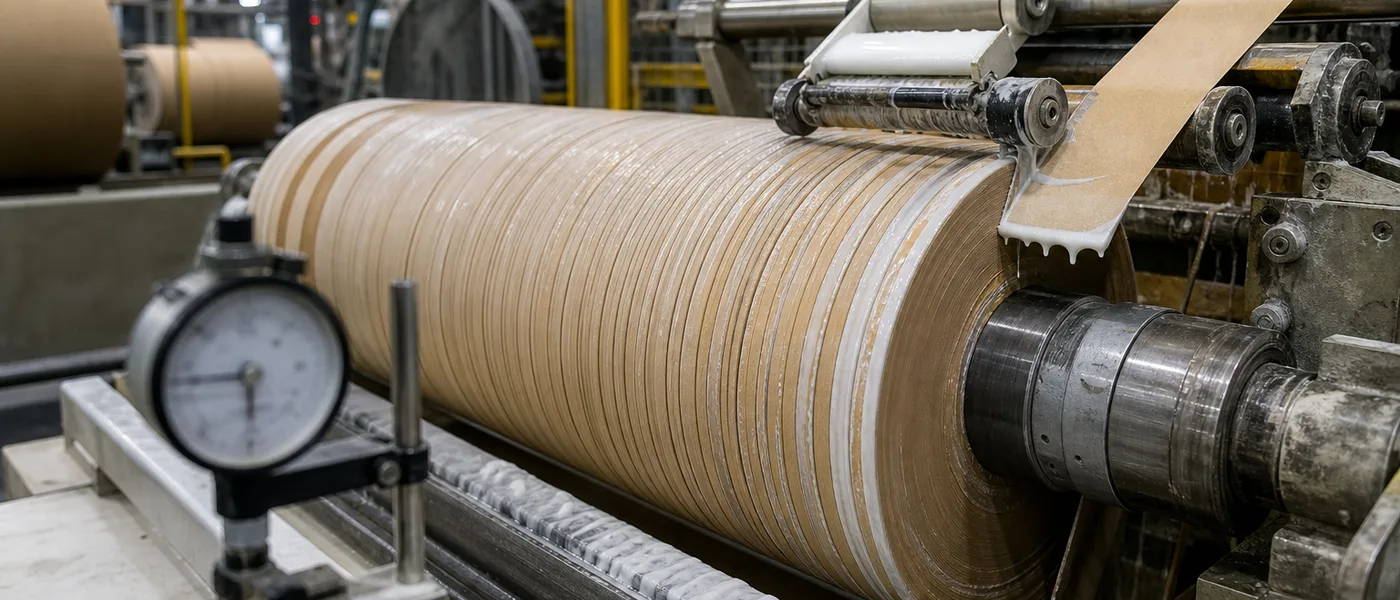
Nicked lips, dried adhesive build-up, and shim misalignment create periodic defects that look like chemistry failures. Schedule lip inspection and cleaning with the same discipline as anilox rolls. After shutdown, purge old material before starting a new grade—mixed cohesive breaks often spike stringing on the first thousand meters.
Matrix Stripping Without Stringing
Die-cutting needs a sharp cohesive break: adhesive splits in the film, not at the blade edge. Stringy grades build on rotary dies, break matrix, and force cleanup stops. Matrix stripping trials should run at your production web speed—our winter logistics case qualified about 150 m/min converter trial speed with clean die-cutting, not bottle-line 60,000 BPH context.
Cold-Chain Tack (-20°C)
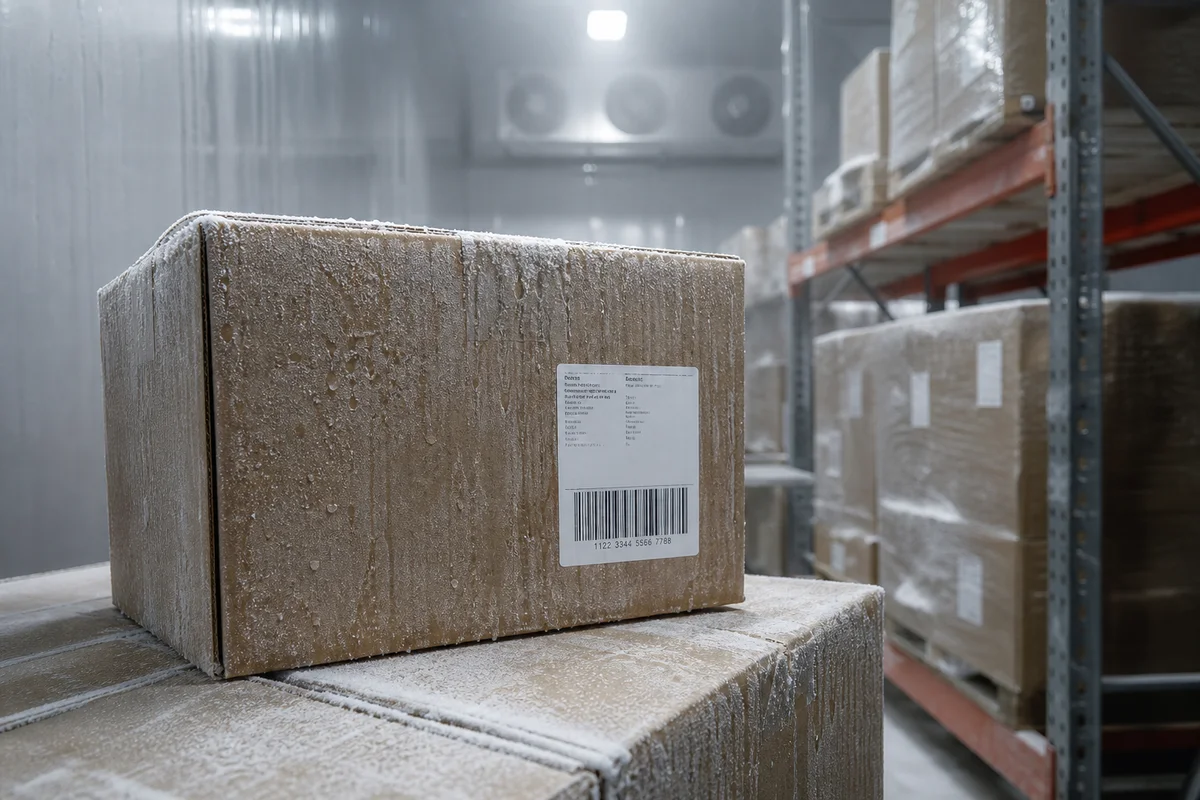
Standard PSA loses loop tack in cold warehouses. Winter-grade balance keeps aggressive grab on dusty recycled corrugated down to about -20°C without sacrificing hold-out on thermal paper. Field validation: apply to board, cold-soak, then scan—edge lift is the failure mode customers see.
Engineering Pro Tip
Resources copy cites 40% fewer lost packages after a winter-grade PSA switch in our logistics label winter tack case study—that is a customer distribution outcome, not a coating-line guarantee. Always cite your own traceability data.
Bleed-Through or Matrix Breaks on Your Coater?
Review logistics label PSA grades for zero bleed-through, clean die-cutting, and -20°C cold tack—with converter trial pails.
See Logistics Label PSARecycled Face Stock Variability
High-recycled corrugated is dusty and short-fibered; coat weight that works on virgin kraft may look perfect in the lab and fail in the DC. Tune loop tack and wet-out on the actual board lot. Matrix mentions aggressive loop tack targets (e.g. >15 N/inch in page copy)—confirm against your peel/tack test method.
Case: Winter Label Drop-Off on Recycled Board
A North American logistics-label converter faced edge lift on dusty recycled boxes plus thermal face-stock risk. After qualifying hold-out, cohesive break, and -20°C retention, the program reported improved scan reliability and the 40% fewer lost packages outcome documented in the case. Full story: logistics label recycled board winter tack.
End-User Labeling (Short Pointer)
Coating optimization stops at the rewind roll. Application temperature, pressure, and box surface condition on packing lines are a separate troubleshooting path—see e-commerce logistics labels if your customer asks about applicator issues, not coat weight.
Startup Checklist
- Set coat weight from TDS; verify with gravimetric spot checks.
- Stabilize bulk and die temperature before speed increases.
- Inspect die lips and purge lines on grade change.
- Run matrix strip trial at production speed; log blade buildup.
- Cold-soak labels on recycled board; scan after exposure.
- Request FDA 175.105 documentation for food-adjacent label constructions.
Final Takeaway
Slot die success is uniform coat weight, stable viscosity, and a cohesive break that keeps dies clean. Qualify thermal hold-out and winter tack in one program—improving field grab by overcoating usually destroys barcode integrity. Submit facestock and liner for die-cutting and adhesion analysis if you want a structured trial grade.
Frequently Asked Questions
Can you prevent bleeding on thermal paper?
Yes. Grades with optimized hold-out and controlled coat weight reduce migration through thin thermal facestock—verify with barcode contrast and aging tests on your stock.
Do your adhesives work on recycled cardboard?
Logistics grades are tuned for aggressive tack on dusty, high-recycled corrugated—validate on the customer board lot, not only lab virgin kraft.
What is the minimum service temperature?
Winter-grade systems are designed to maintain bond performance down to about -20°C in cold warehouses and distribution—coating temperature in the plant is still a separate control variable.
Do you tune for slot die vs. roll coaters?
Yes. Rheology, coat weight, and hold-out are adjusted for slot die, curtain, or roll coating equipment to achieve uniform laydown and stable matrix stripping.
What is your MOQ for PSA label adhesives?
Standard MOQ is about 1,000 kg. We offer free 1 kg lab samples and 20 kg trial pails for pilot coating runs.
Tune coat weight on your slot die
Request complimentary 1 kg lab material (shipping prepaid by recipient) after screening on your substrate and line conditions.
References
Technical Disclaimer: All technical data is based on standard laboratory conditions. Users should perform their own verification testing to confirm suitability for specific substrates, processes, and regulatory requirements. Senda Glue makes no warranties, express or implied, and assumes no liability for improper use of the products or reliance on this information.