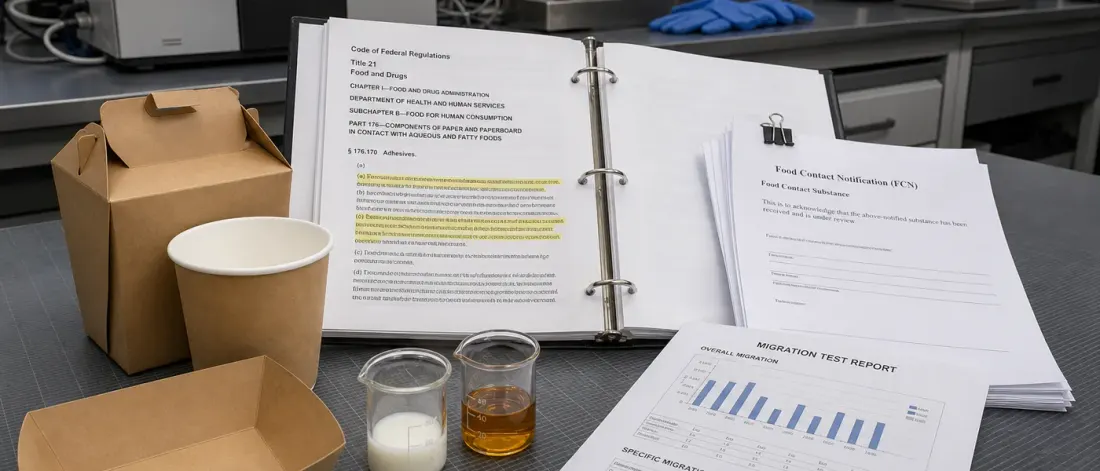
A practical regulatory explainer for packaging teams: what FDA 175.105 covers, when 176.170 matters, where FCNs fit, and how to avoid treating one route as blanket approval for every food-contact application.
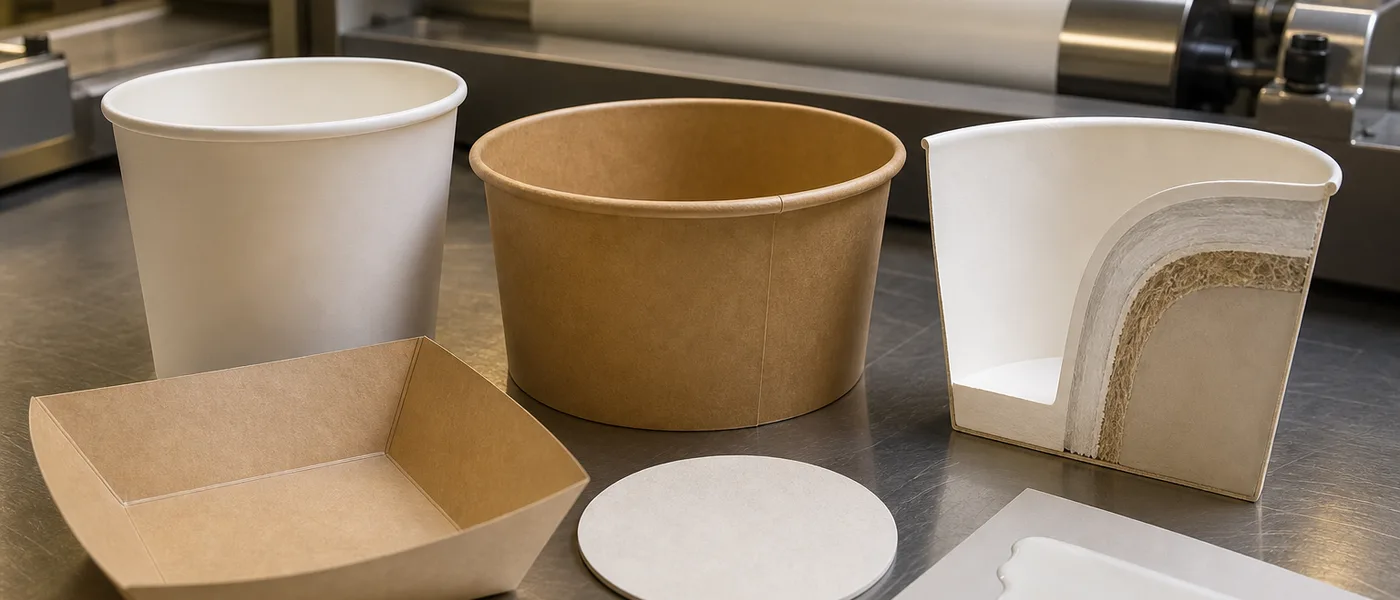
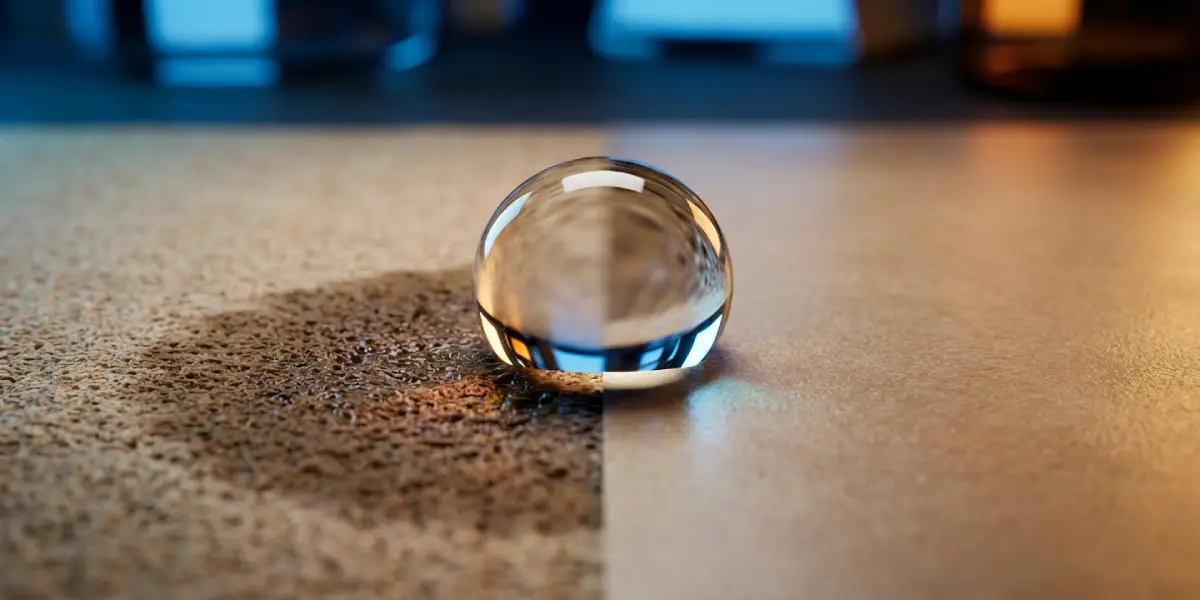
A practical guide to food-grade coatings for paper containers: hot and cold liquid holdout, grease resistance, heat-seal behavior, repulpability, and how to choose between recyclable barrier and future biodegradable routes.
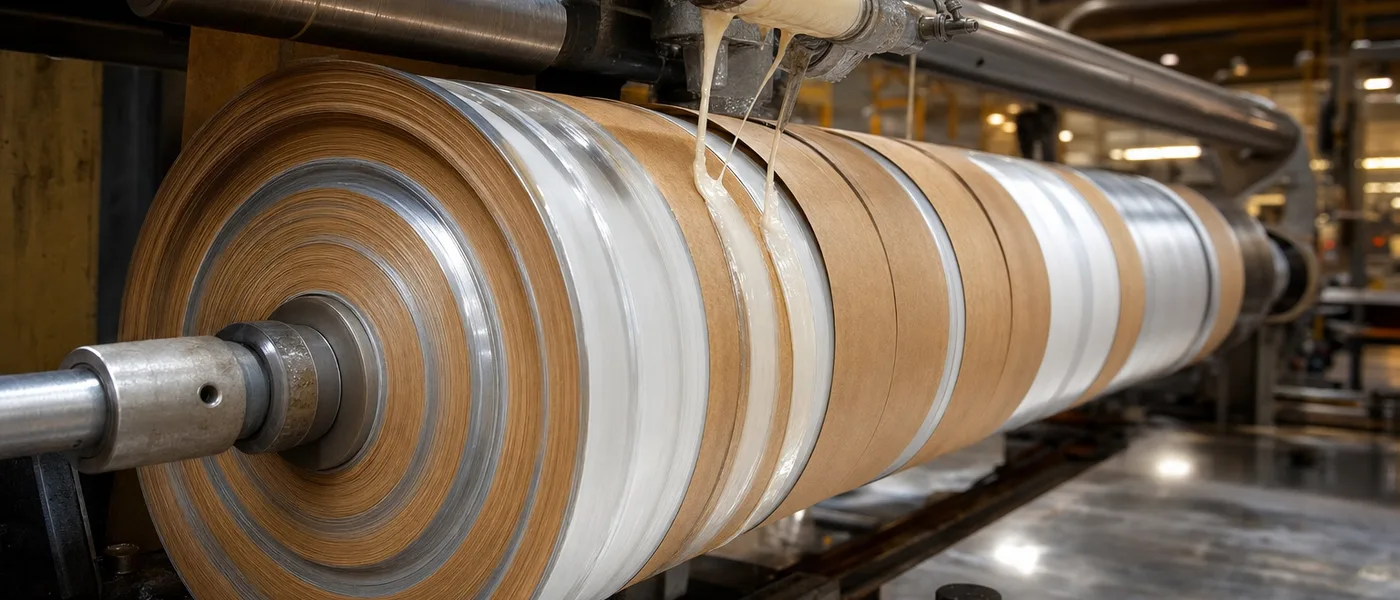
Machine-side guide for composite can winding: glue temperature, mandrel speed, paper tension, foil/PET liner tack, MAP seam integrity, and organoleptic qualification for food canisters.
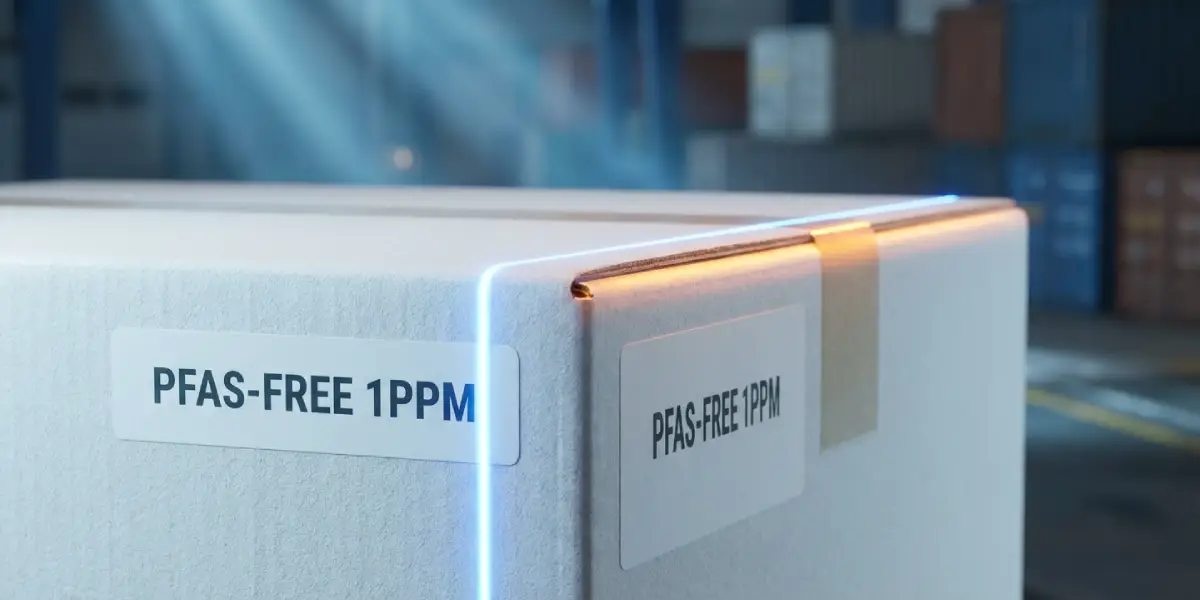
2026 PFAS enforcement is active. Learn how to catch 'ghost PFAS' contamination, protect export shipments, and qualify PFAS-free adhesive systems before customs does it for you.
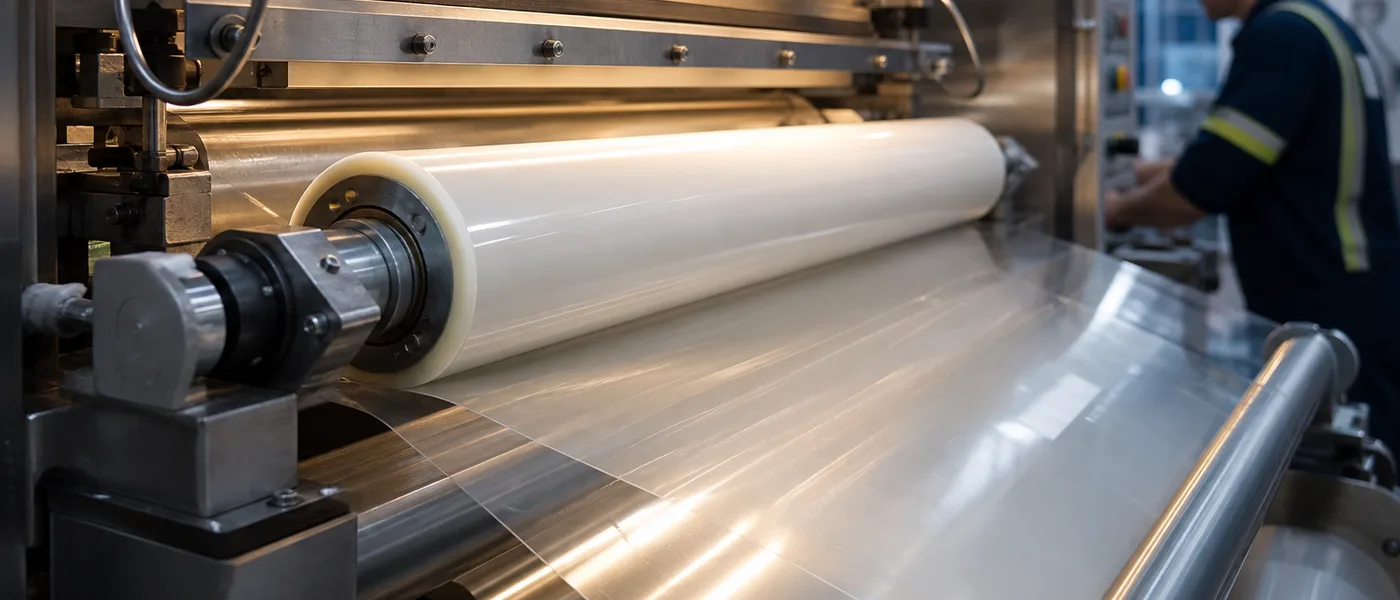
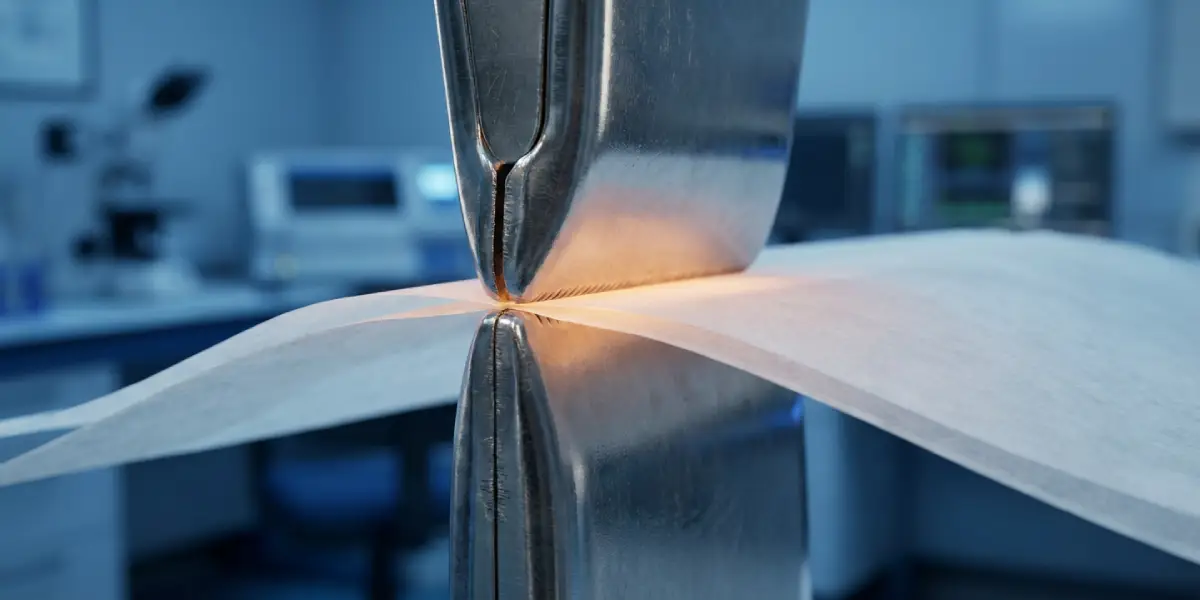
Aqueous heat-seal coatings only work when HSIT, COF, dwell time, and end-use stress stay aligned. This guide covers the qualification logic for food, beverage, medical, and VFFS applications.
Bio-based origin does not guarantee performance. Bridge sustainability goals with repulpable aqueous barriers qualified on your facestock and mill protocol.
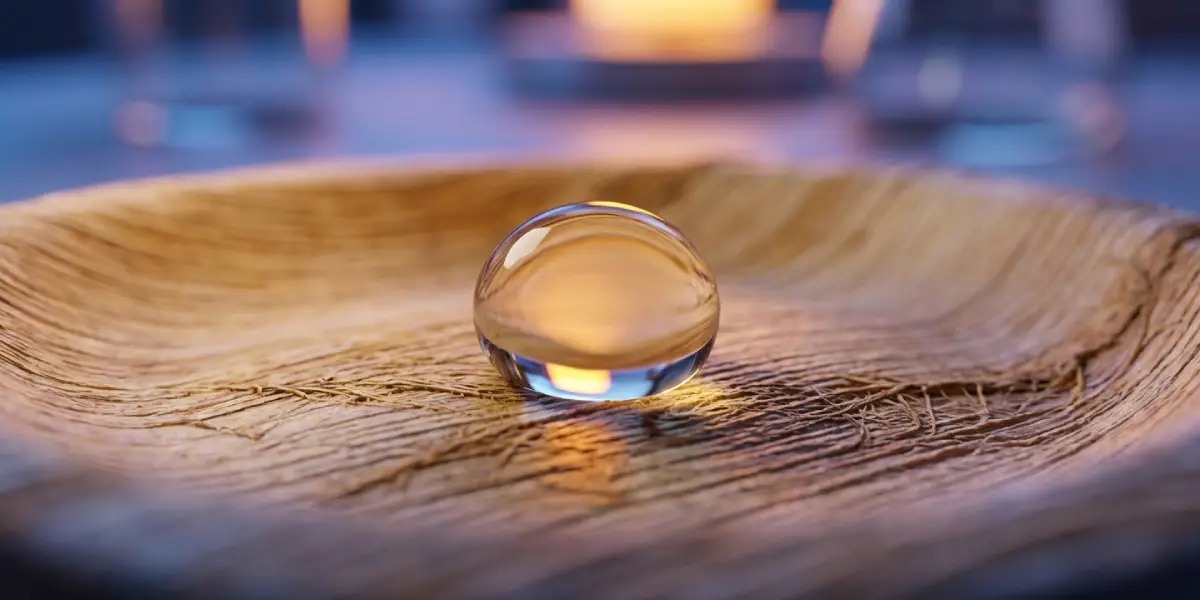
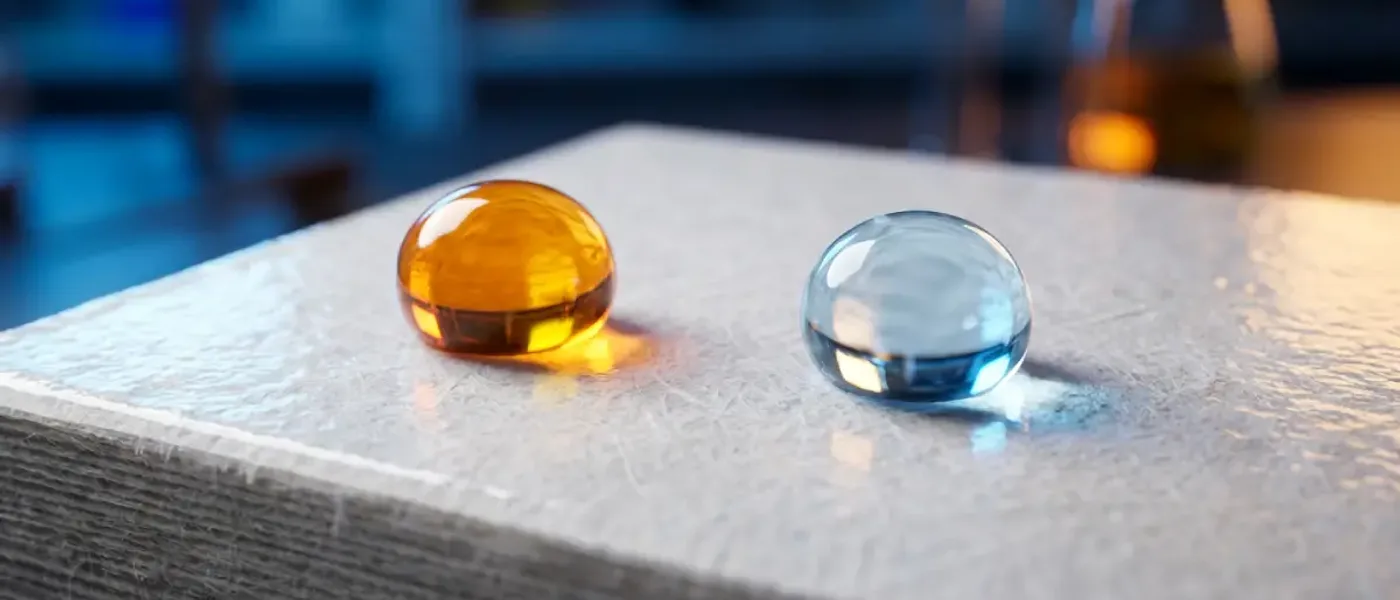
Areca and bagasse tableware absorb moisture and grease. See how PFAS-screened acrylic coatings target Kit 12 performance when qualified per grade and shipping lane.
Monomaterial packaging is becoming less of a trend story and more of a qualification story. Here is how repulpable barrier coatings fit the compliance roadmap for paper-based formats.
PE coatings are high-tax and non-recyclable. Learn how water-based heat seal coatings solve blocking and lower HSIT for high-speed, repulpable packaging.
Plastic-tax exposure usually comes down to material structure, paper-stream behavior, and what documentation you can defend. This guide explains how repulpable barrier systems change that math.
Replacing PE with a repulpable barrier is a qualification project, not a slogan swap. This article covers the Kit, Cobb, and hydropulper logic behind paper-stream-ready aqueous coatings.
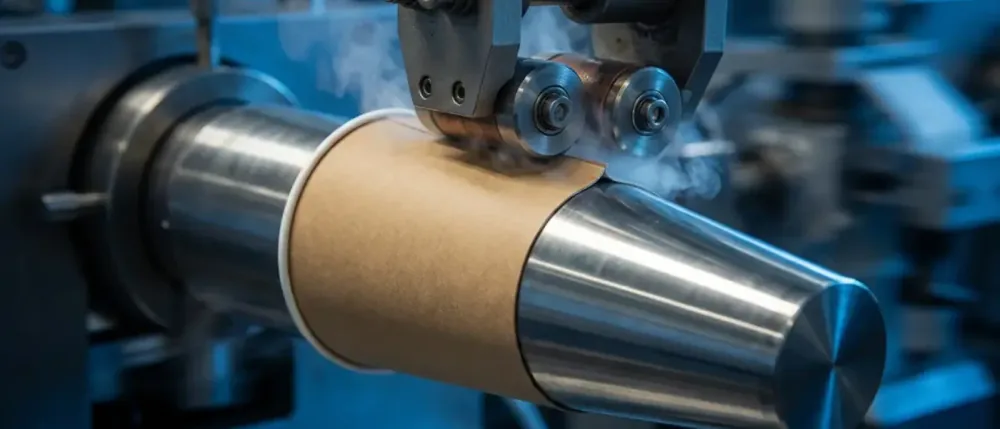
A paper-cup converter stabilized aqueous-coated cup forming by replacing PE-oriented bond logic with an adhesive package tuned for earlier green strength, cleaner stack release, and hot-liquid screening on the qualified grade.
An anonymous converter moved a PE-replacement VFFS program forward by qualifying an aqueous heat-seal route around HSIT, collar COF, and rewind stability instead of treating lower sealing temperature as the only target.
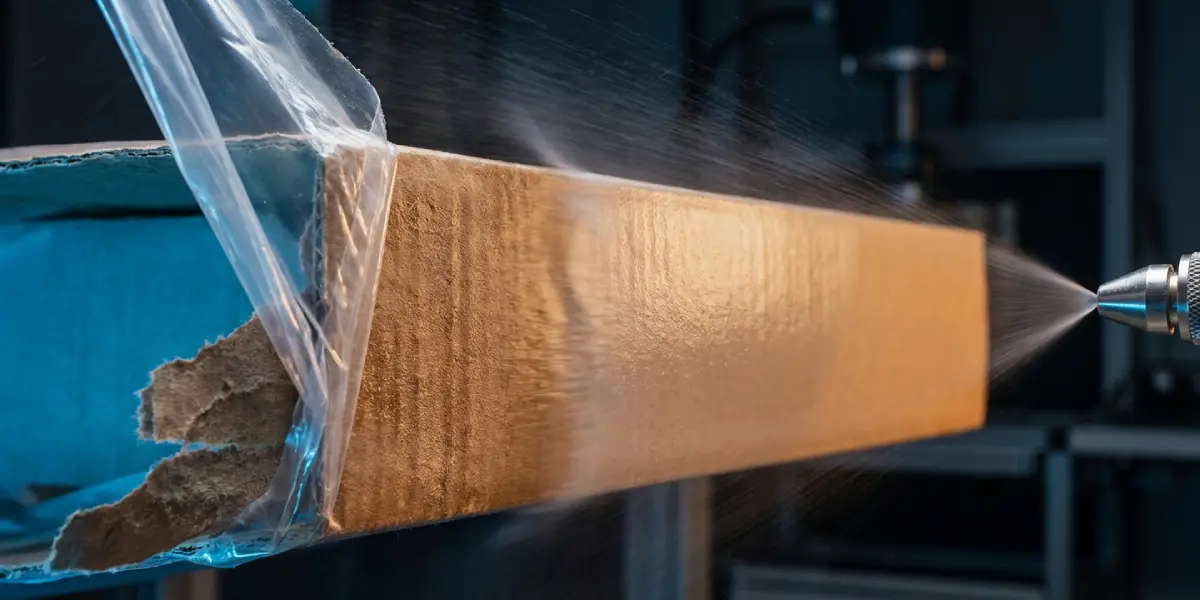
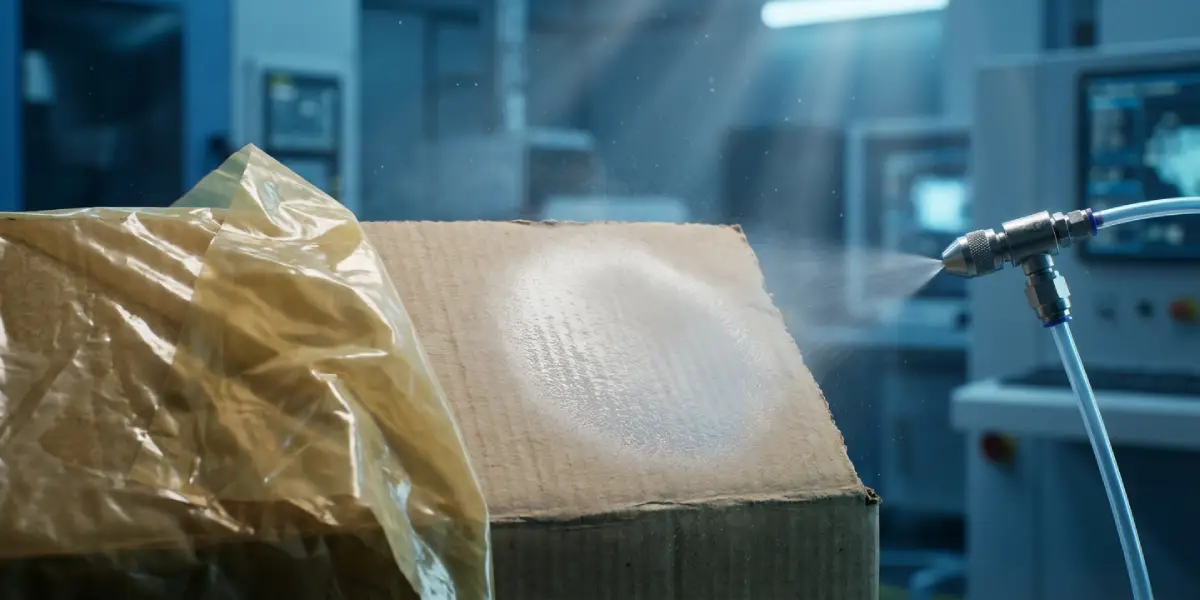
An anonymous natural-fiber tableware producer reduced mold pressure and grease bleed by qualifying a PFAS-free barrier route around substrate moisture, Kit 12 holdout, and precision-spray application instead of saturating the sheet with dip-and-dry coating.
A spiral-wound straw converter reduced immersion seam failures in pilot and production by qualifying a water-resistant adhesive route tuned to line speed, paper grade, and dry-tunnel conditions—without relying on excess coat weight.
A beverage packaging producer paired a repulpable barrier coat with Senda cup-bonding chemistry to move a pilot cup grade off PE film lamination while keeping forming efficiency and leak screening on the qualified structure.
Periodic updates on adhesive qualification, compliance pathways, and converting best practices.
We care about your data in our privacy policy . Unsubscribe anytime.
Chat with us
Before you leave
Need a safer way to qualify adhesive on your line?
Send your substrate, line speed, and application target. We can suggest a 1 kg lab sample path or the right technical document before you commit to a production trial.
We use cookies to enhance your browsing experience, analyze site traffic, and personalize content. By clicking "Accept All", you consent to our use of cookies. Cookie Policy
For visitors in the EEA, UK, or Switzerland, analytics and marketing cookies stay off until you opt in.For visitors outside the EEA, UK, and Switzerland, analytics may load by default, and you can opt out at any time.

 Guide
Guide