Heat Seal Coatings for Lidding, Pouches & Paper-to-Film Seals
Commercial hub for heat-activated seal coatings on lids, trays, pouches, and paper-to-film structures. Narrow peelable, permanent, or paper-film routes—then review linked application notes and HSIT guides for cup stock, barrier stacks, and hot-melt tradeoffs.
Pick your format below—or share substrate pair, seal target, and jaw window. Cup seam adhesive and barrier coating are qualified through separate routes.

Seal window
HSIT, dwell, and pressure screened on your sealing line
Substrate pair
Paper, film, foil, and treated facestock routes
Peel vs permanent
Opening behavior qualified on the built pack
Where Heat Seal Coatings Fit Best
This is a technology hub—each tile routes to a product program or qualification path. Match seal target first, then screen on that page.
Cup & Tray Lidding
Lidding seal layers on cup and tray formats—activation window and peel screened separately from side-seam adhesive on the cup program.
Peelable & Reopenable Packs
Controlled opening on trays and flexible packs—compare dry-film PSA vs heat-seal activation on your rim or web.
Barrier + Seal Structures
Aqueous barrier and seal on fiber cups, bowls, and trays—qualify holdout and lidding together when the pack uses multiple layers.
Food-Contact Paper Programs
FDA chapter routing for food packaging—start on the paper glue hub, then return here for seal-coat weight on your web.
VFFS & Coated Paper Webs
Collar COF, blocking, and HSIT on vertical form-fill lines—screen aqueous coat weight before you promise lower sealing temperature alone.
Custom Heat-Seal Route
Unusual laminate, sterilizable spec, or export audit? Share substrate pair and jaw profile for qualification.
How to Choose the Right Heat Seal Coating
The right route depends on substrate pair, seal target, activation window, and line conditions—not temperature on the datasheet alone.
What to Check First
Substrate Pair & Surface
Paper-to-film, film-to-film, and foil pairs change wet-out, seal initiation, and peel—start with the facestocks you actually run.
Jaw Window & Line Speed
Dwell, pressure, and HSIT must fit VFFS, lidding, or pouch equipment—too hot risks blocking; too cold risks weak seals at speed.
Peel, Integrity & End Use
Peelable lids, permanent seals, and hot-fill each need different coat chemistry—opening behavior is screened with seal strength.
How We Narrow the Options
Filter by Seal Requirement
Peelable vs permanent and package format narrow the field before comparing coat weight and activation range.
Review COF, Blocking & HSIT Together
Machinability on the web matters as much as seal strength—collar friction and rewind blocking screened on your line.
Trial on the Built Structure
Final fit on the pack—barrier, adhesive, and seal layers reviewed together when the program spans more than one coating.

Why Teams Shortlist Senda Heat Seal Coatings
Balance seal performance, process window, and documentation—without treating peelable and permanent coats as interchangeable SKUs.
Substrate-Pair Screening
Line-Realistic Seal Window
Honest Layer Routing
Heat-Seal Technologies by Seal Requirement
Permanent, peelable, and paper-to-film routes—pick the holdout and opening target first, then qualify on the application tile or resources below.
Permanent-Seal Systems
Package integrity first—HSIT, COF, Cobb, and blocking screened on coated webs for lidding and pouch structures.
Peelable & Easy-Open
Controlled opening on trays and flexible packs—compare heat-seal activation vs dry-film reopenable PSA routes.
Paper Containers & Barriers
Cups, bowls, trays needing barrier plus seal logic—qualify seal coat, barrier, and seam layers on the full structure.
When to Choose Heat Seal Coatings vs Hot Melt or Lamination
Heat seal coatings fit seal layers built into paper or film webs and activated in the jaw. Hot melt fits bead glue and structural bonds; extrusion lamination fits heavy tie layers coatings may not replace alone.
- Choose heat seal coatings when HSIT, dwell, peel, and coat weight must be tuned on the web before the pack reaches the sealer.
- Choose heat seal coatings for paper-to-film lidding, pouches, and coated paper webs where blocking and collar COF shape uptime.
- Choose hot melt when the line needs a bulk adhesive bead or immediate structural set—not a pre-applied seal coat on the facestock.
- Compare all routes when food-contact review, sterilization, or export audits require the full structure—not one layer in isolation.
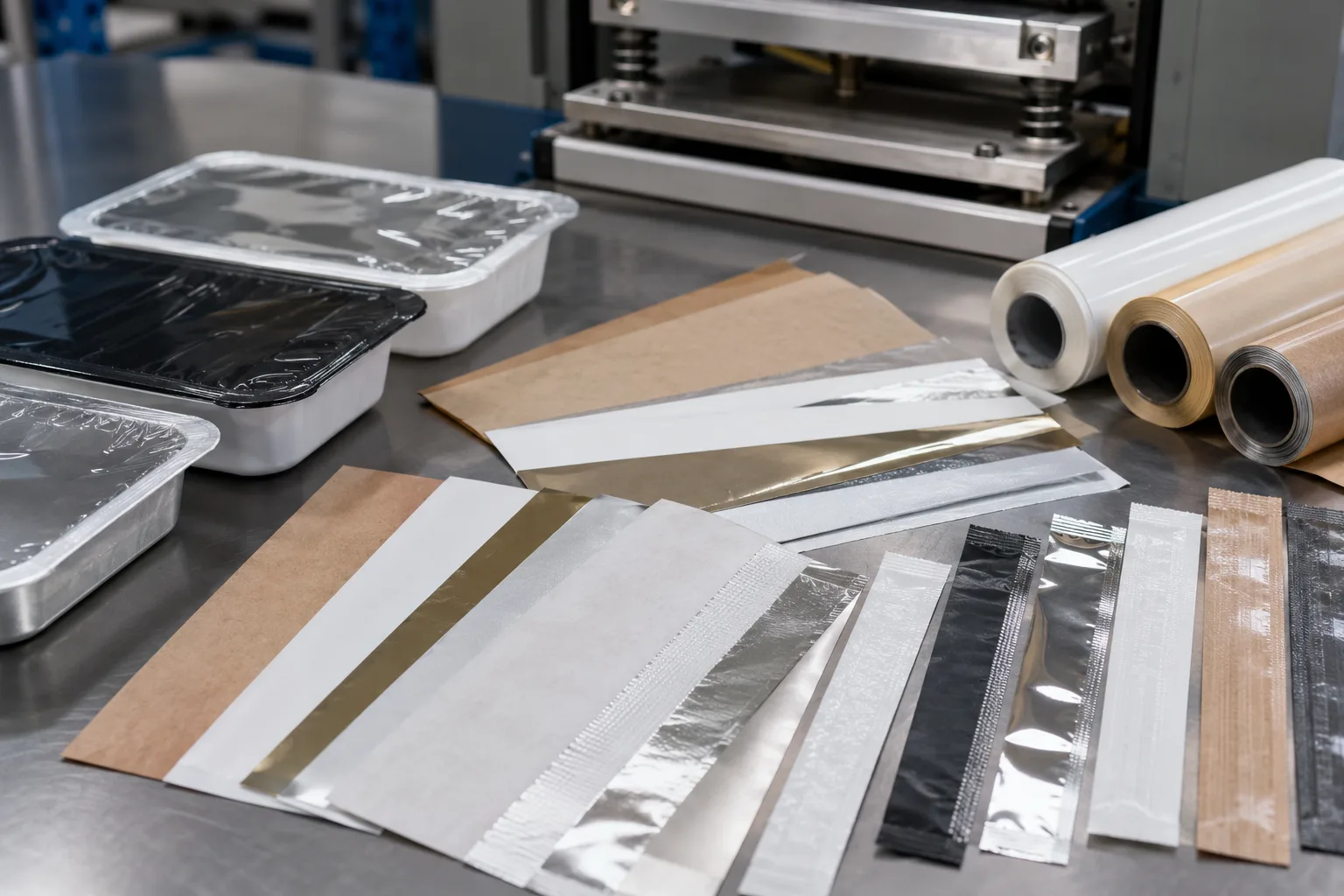
Heat-Seal Documentation Support
Regulatory fit depends on application and market. Request TDS, SDS, and compliance notes for the grade you nominate.
Common documentation paths
FDA and REACH claims are scoped per grade and structure—not site-wide certifications.
- FDA 175.105 / 176.170 routes (Indirect or direct food-contact screening where applicable (structure-dependent).)
- REACH & RoHS (SVHC statements on request for export programs (per grade).)
- TDS + SDS (Via technical resources for operator training and plant approval.)
- Application notes (Peel target, sterilization, or HSIT comparisons documented per nominated grade.)
Batch-level TDS, SDS, and compliance notes scoped to your heat-seal program.

Peel consistency, HSIT, and substrate pairing stalled three seal coats. Senda qualified an aqueous route that matched our jaw window and lidding target—after line approval, not a one-point lab seal test.
Technical Proof (Optional Reading)
After you pick an application tile, use these for deeper reading—not a substitute for structure-specific trials.
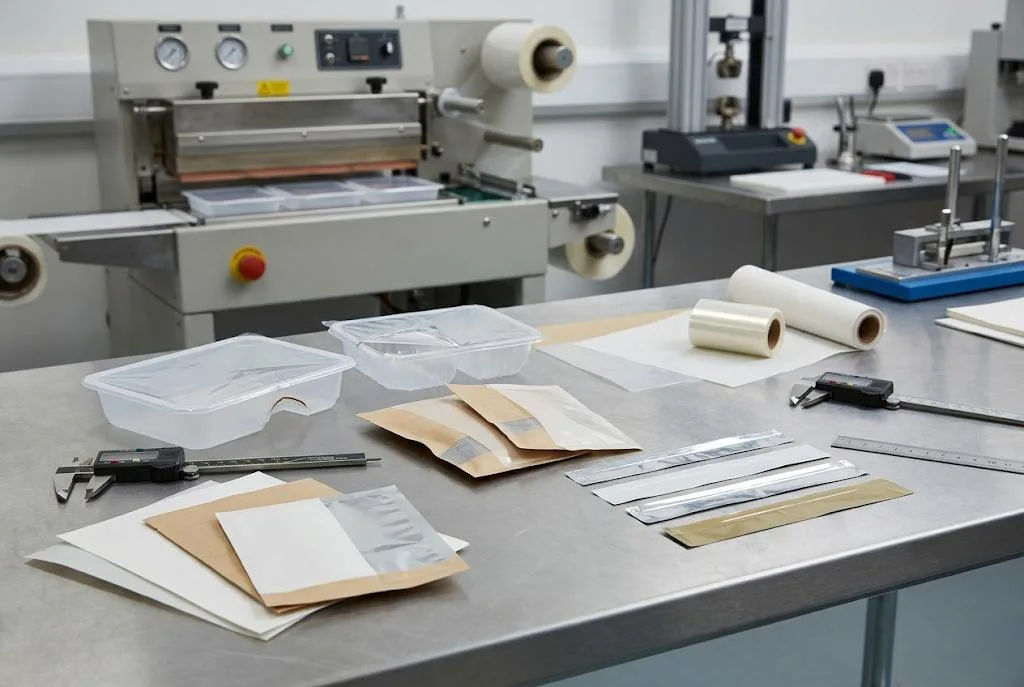 CASE STUDY
 Case Study: Lowering HSIT on VFFS Lines
How a converter balanced lower HSIT, collar COF, and blocking resistance on an aqueous heat-seal web.
Read the Full Story TECHNICAL GUIDE Guide: HSIT, COF & Cobb for Heat Seal
Compare activation temperature, blocking, collar friction, and coat weight before you commit to a paper or film seal route.
Read Full ArticleHeat Seal Coating FAQ
Commercial, seal-window, and documentation answers for teams sourcing heat-seal coating systems.
What is your standard MOQ for heat-seal coatings?
MOQ is typically ~1,000 kg per approved grade. Lead time is confirmed at quotation. Start with complimentary 1 kg lab material (recipient prepaid shipping), then 20–25 kg structure trials for that application.
Is the 1 kg sample free? Who pays shipping?
Yes—the 1 kg lab material (200 g–1 kg) is complimentary for qualified screening. Courier freight is prepaid by the recipient (liquid formulations ship prepaid only). 20 kg production trials are quoted separately before dispatch.
Is this the same as heat seal adhesive or hot melt?
This hub is for heat seal coatings applied to webs and activated in the jaw. Structural hot melt beads and cup seam adhesives are different programs—see hot-melt and paper-cups routes when that is your bond method.
Where should food-packaging teams start when the structure, contact route, and test target are still being defined?
Start on the paper glue hub and food-contact program for FDA routing, then return here for seal-coat qualification on your web or lidding film.
How do you choose peelable vs permanent heat-seal routes?
Peelable routes are screened for opening force and seal footprint; permanent routes for integrity and hot-fill—compare on your substrate pair, not bond strength alone.
Can you support medical or sterilizable packaging?
Application-specific qualification is possible when structure, sterilization method, and document path are defined—scoped per grade, not as a site-wide claim.
How do heat-seal coatings compare with extrusion lamination?
Coatings fit seal layers in the web; extrusion lamination fits heavier tie layers or barrier builds coatings may not replace—compare on your full structure.
Where do I get TDS, SDS, or compliance paperwork?
Use technical resources or request an audit package for your nominated heat-seal grade.