Machine-side guide for composite can winding: glue temperature, mandrel speed, paper tension, foil/PET liner tack, MAP seam integrity, and organoleptic qualification for food canisters.
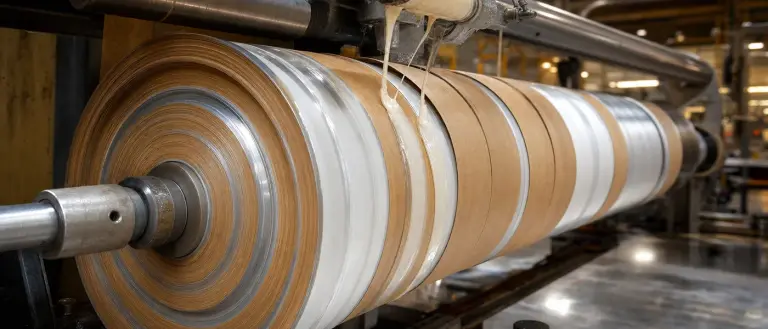
Table of Contents
- ·Three Failure Modes on Spiral Can Lines
- ·Winding Parameters That Move the Seam
- ·Matching Chemistry to the Liner Zone
- ·Lab Validation: Airtight + Odor
- ·Regulatory Note: FDA 175.105 (Indirect, Not Direct Contact)
- ·Field Evidence: Odor Migration on Premium Tea Cans
- ·Startup Checklist
- ·Final Takeaway
- ·Frequently Asked Questions
A composite can is only as good as the spiral seam you cannot see. Snack brands judge you on MAP hold and fat oxidation; tea buyers judge you on whether the adhesive whispers through the paper. On the winder, those outcomes trace back to three levers your right-card already names—application temperature, mandrel speed, and paper tension—plus chemistry matched to the liner zone.
This guide is for spiral-wound can and luxury tube converters bonding kraft to aluminum, PET, or metallized liners—the same failure modes on our composite can adhesives page. It reuses qualification language from our organoleptic case work; it does not replace your barrier-film supplier spec or full-can leak testing.
Three Failure Modes on Spiral Can Lines
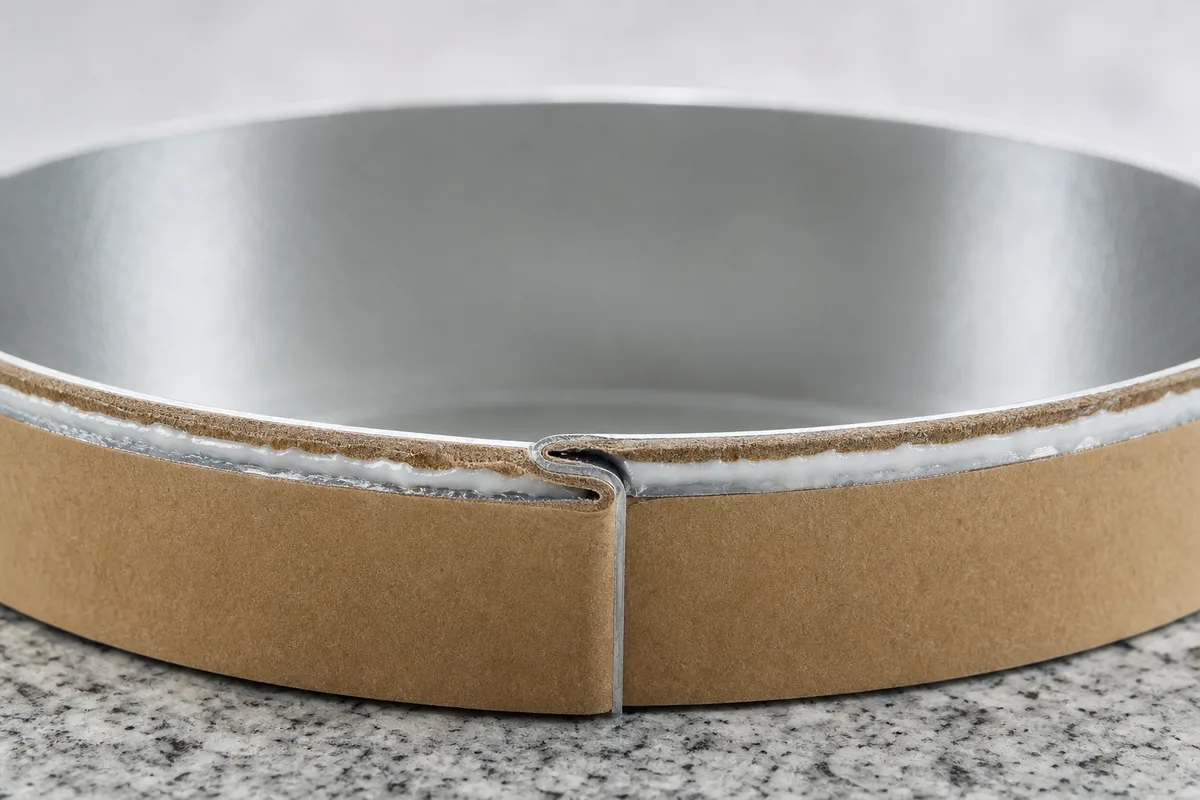
Seam Micro-Gaps and MAP Integrity
Micro-gaps in the overlap let moisture and oxygen migrate. Chips and nuts go soggy or oxidized when the gas barrier chain breaks—even if the end cap and foil liner are specified correctly. MAP (modified atmosphere) and nitrogen flush only work when adhesive + paper + liner + crimp form a continuous barrier.
Organoleptic Taint Paths
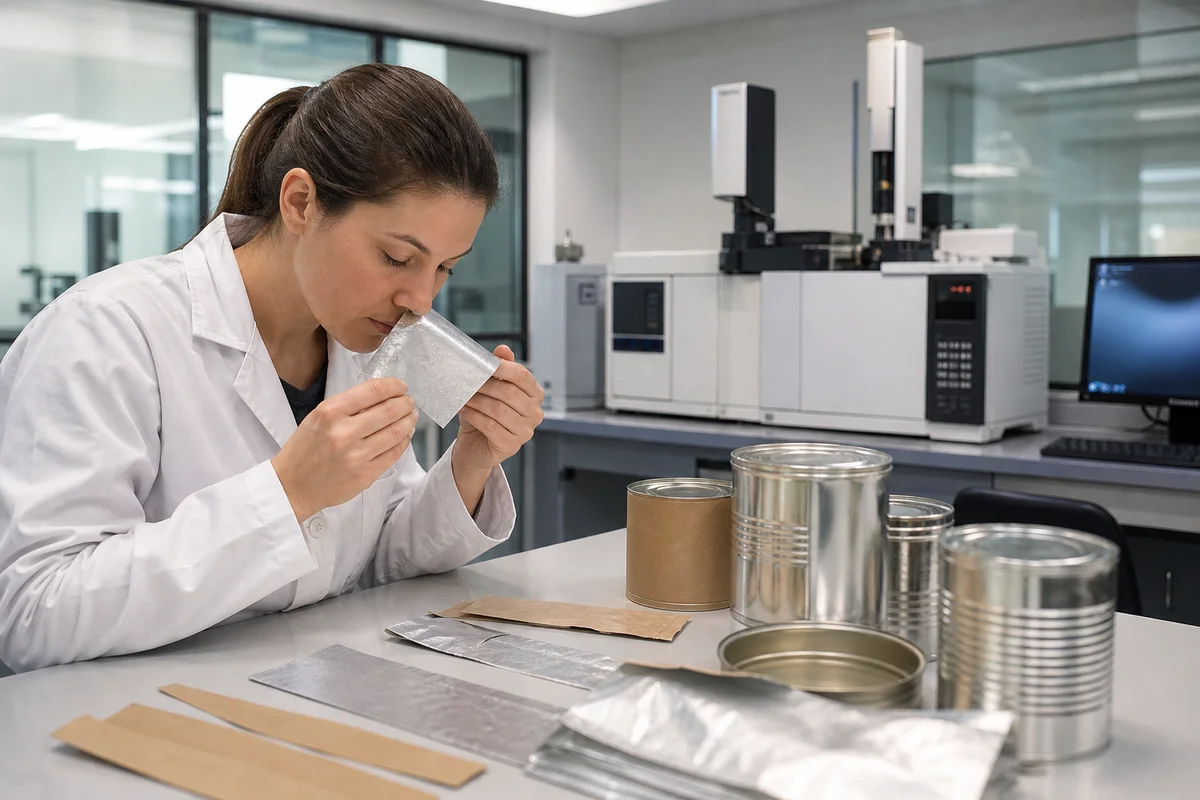
Residual solvents or VOCs from standard grades can migrate through paper into tea, cocoa, or premium snacks. Our low-VOC routes are screened for organoleptic neutrality (including GC-MS support in lab qualification)—not “odor-free by marketing.”
Liner Delamination on LSE Films
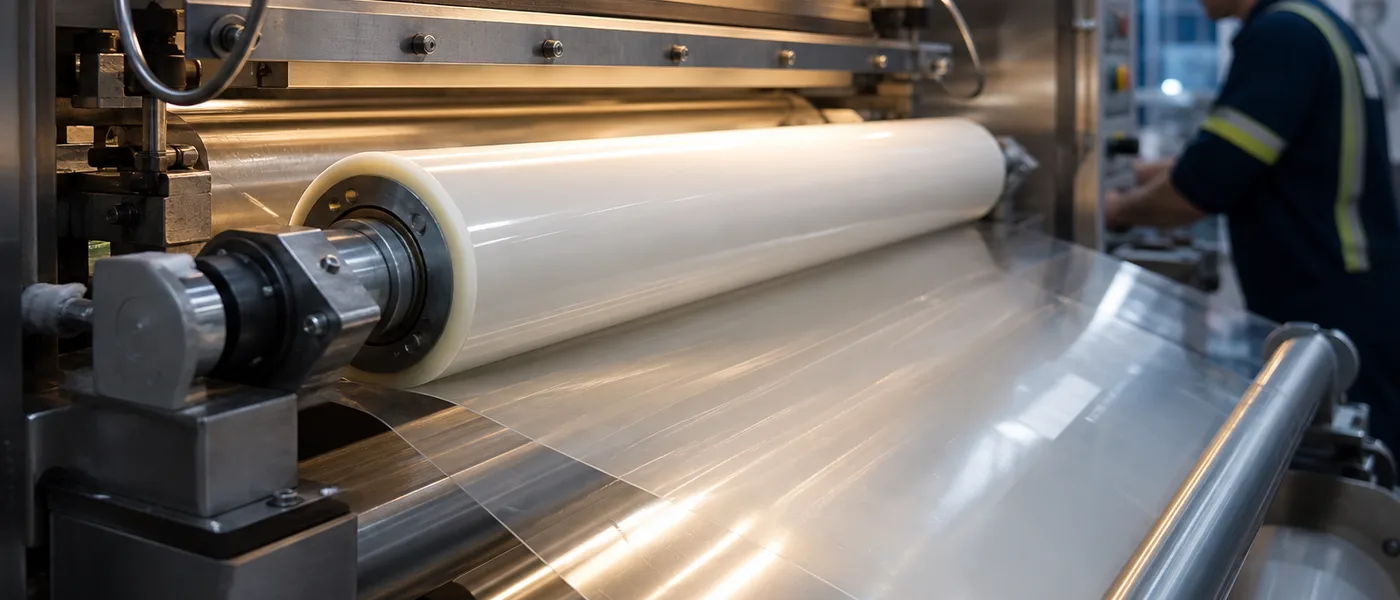
When aluminum foil, PET, or Met-PET releases from the paper body, the can loses barrier function and can collapse in handling. High-tack acrylics in the inner zone are tuned for low-surface-energy wet-out—not the same emulsion you run on the outer decorative ply.
Winding Parameters That Move the Seam
Application Temperature
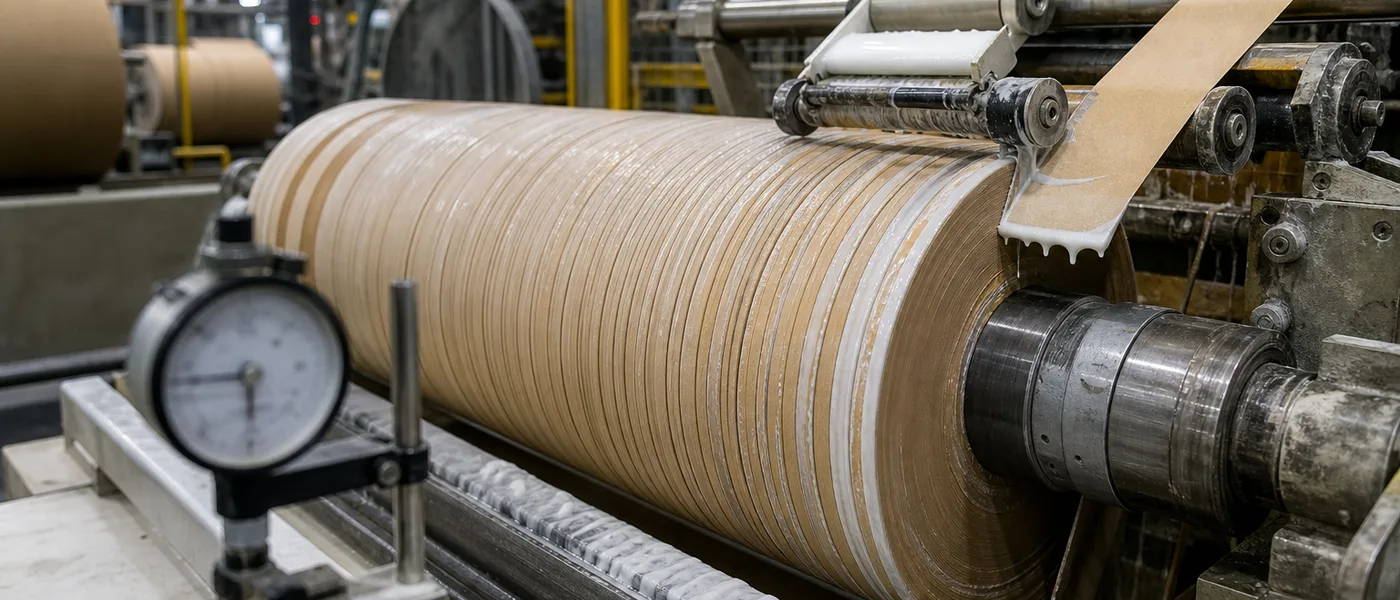
Viscosity bands on our matrix range from about 500–2,500 cps depending on zone (inner barrier acrylic ~500–1,200 cps; structural VAE ~1,000–2,000 cps; crimp flex ~1,200–2,500 cps). If temperature drifts low, pickup and wet-out suffer; if it drifts high, you risk bleed-through on lay-flat outer plies. Log tank and hose temperature at each speed change.
Mandrel Speed vs. Pickup
Faster mandrel speed shortens the open time the adhesive has to penetrate kraft and wet the foil. Speed increases without viscosity adjustment often show up as intermittent seam channels that pass visual inspection but fail vacuum or pressure differential screens.
Paper Tension
Too little tension creates slack in the overlap; too much tension can distort thin liner films. Tension interacts with mandrel diameter and ply count—document the approved window per can size, not only per adhesive lot.
Engineering Pro Tip
Claims like 100% airtight or 3 months longer shelf-life belong in customer validation with your full can structure (liner, end, crimp)—not as universal guarantees. Our lab simulates vacuum/pressure on seams; your QA still owns finished-can MAP performance.
Matching Chemistry to the Liner Zone
- High-barrier inner (kraft + Alu/PET): High-tack acrylic for spiral sealing and nitrogen-flushed snack formats.
- Structural body winding: VAE/hybrid for rigidity and organoleptic-neutral body plies.
- Top/bottom crimping: High-flex copolymer to survive mechanical crimp and end-cap seaming without crack propagation.
- Regulatory row: Plasticizer-free / low-VOC grades aligned to FDA 175.105 indirect contact when a functional foil barrier is present.
Lab Validation: Airtight + Odor
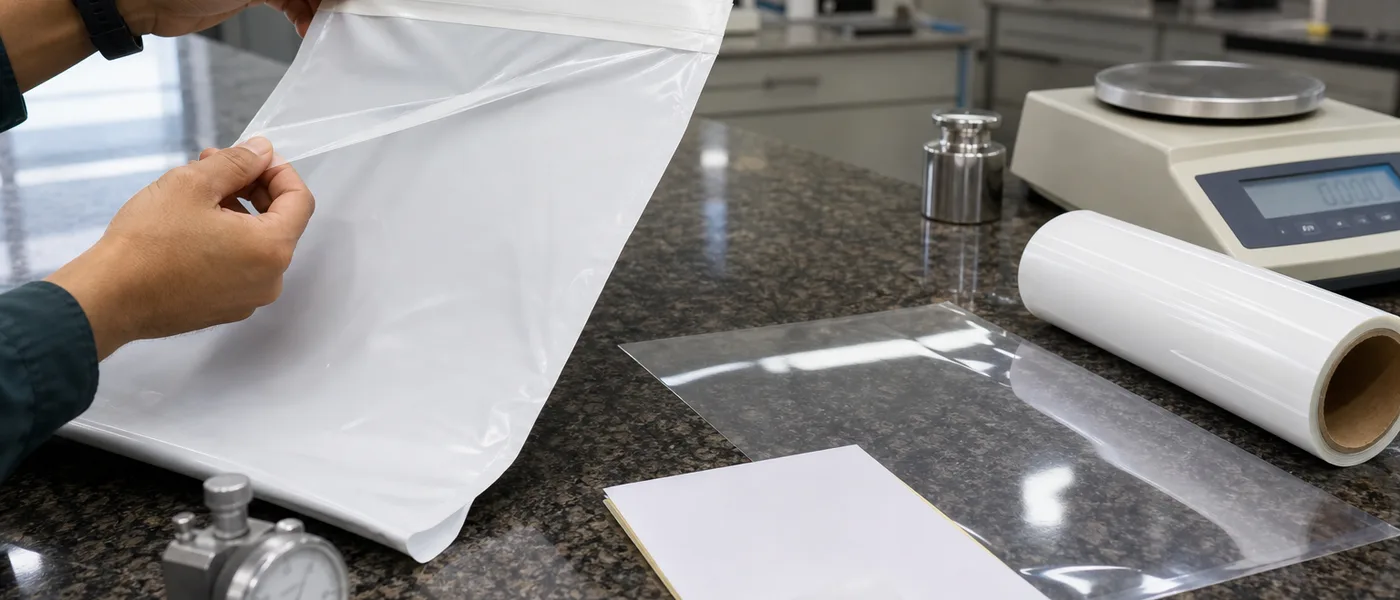
Before production sign-off, run seam differential testing (vacuum/pressure as your spec requires) and organoleptic screening on the actual paper–foil pair. Sensory risk is part of qualification, not a post-approval checkbox—especially for tea and cocoa.
MAP Leaks or Odor Risk on Composite Cans?
Review composite can adhesives for foil/PET liners, low-odor grades, and lab airtight + organoleptic screening.
See Composite Can AdhesivesRegulatory Note: FDA 175.105 (Indirect, Not Direct Contact)
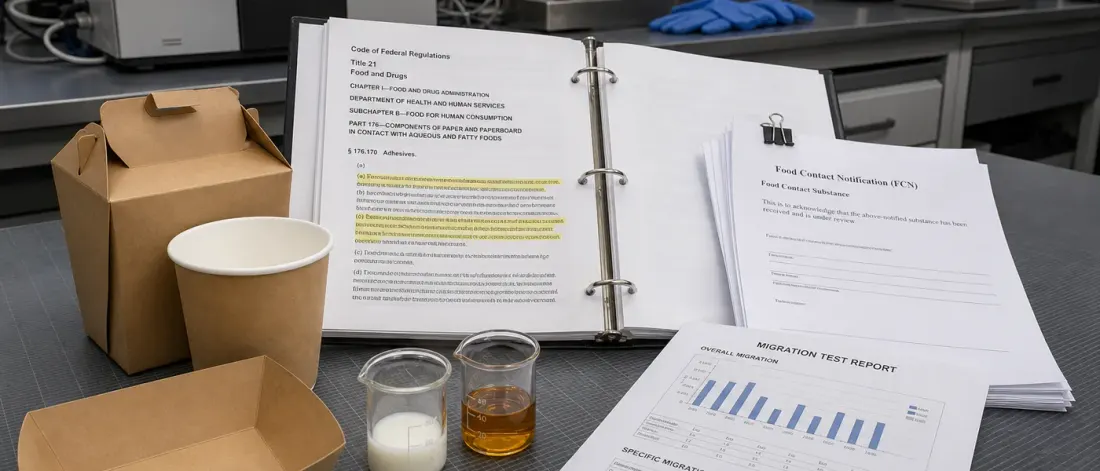
Composite food canisters with a foil barrier typically fall under FDA 21 CFR 175.105 for indirect food contact—not 176.170 direct contact. Liquid-contact formats (for example paper straws) follow a different path; see food contact adhesives and our paper straw manufacturing guide for route selection.
Field Evidence: Odor Migration on Premium Tea Cans
A European converter on foil-lined composite cans needed lower odor risk without losing liner anchorage on the winder. After aligning a low-odor lamination grade with foil-to-paper stability, the program passed strict sensory panel review for premium tea—see the full composite can odor migration case study.
Startup Checklist
- Map failure mode: MAP leak vs. odor vs. delamination.
- Stabilize glue temperature per zone viscosity band from TDS.
- Match mandrel speed to wet-out; do not tune speed and temperature together blindly.
- Set paper tension per can diameter and ply stack.
- Run seam differential + organoleptic screens on production paper/foil lots.
- Request batch DoC for 175.105 audits.
Final Takeaway
Spiral can performance is barrier continuity plus sensory discipline. Control temperature, speed, and tension as a system, match chemistry to the liner zone, and qualify MAP and odor on real components—not generic lab boards. Submit can samples for adhesion and airtight screening if you want a structured trial path.
Frequently Asked Questions
Can your adhesive bond aluminum foil liners?
Yes. We use high-tack acrylic emulsions engineered for wet-out on aluminum foil, PET, and metallized films in the inner barrier zone—always qualify on your paper grade and winding speed.
Does the adhesive have a strong smell?
Our organoleptic-neutral grades are low-VOC and virtually odorless in qualification screening. Sensitive tea and cocoa programs should still run sensory panel review on the production laminate.
Is this adhesive food safe?
Formulations are aligned with FDA 21 CFR 175.105 for indirect food contact when a functional barrier (such as foil) is present—not for direct liquid contact without a separate compliance review.
What viscosity should I run on the winder?
Zone-dependent: inner barrier acrylics often run ~500–1,200 cps, structural VAE ~1,000–2,000 cps, crimp flex ~1,200–2,500 cps at test conditions—use your supplier TDS for setpoints, not a single plant-wide number.
What is your MOQ for composite can adhesives?
Standard MOQ is about 1,000 kg. We provide 20 kg trial pails for winding validation and free 1 kg lab samples for compatibility screening.
Validate spiral winding bond
Request complimentary 1 kg lab material (shipping prepaid by recipient) after screening on your substrate and line conditions.
References
Technical Disclaimer: All technical data is based on standard laboratory conditions. Users should perform their own verification testing to confirm suitability for specific substrates, processes, and regulatory requirements. Senda Glue makes no warranties, express or implied, and assumes no liability for improper use of the products or reliance on this information.