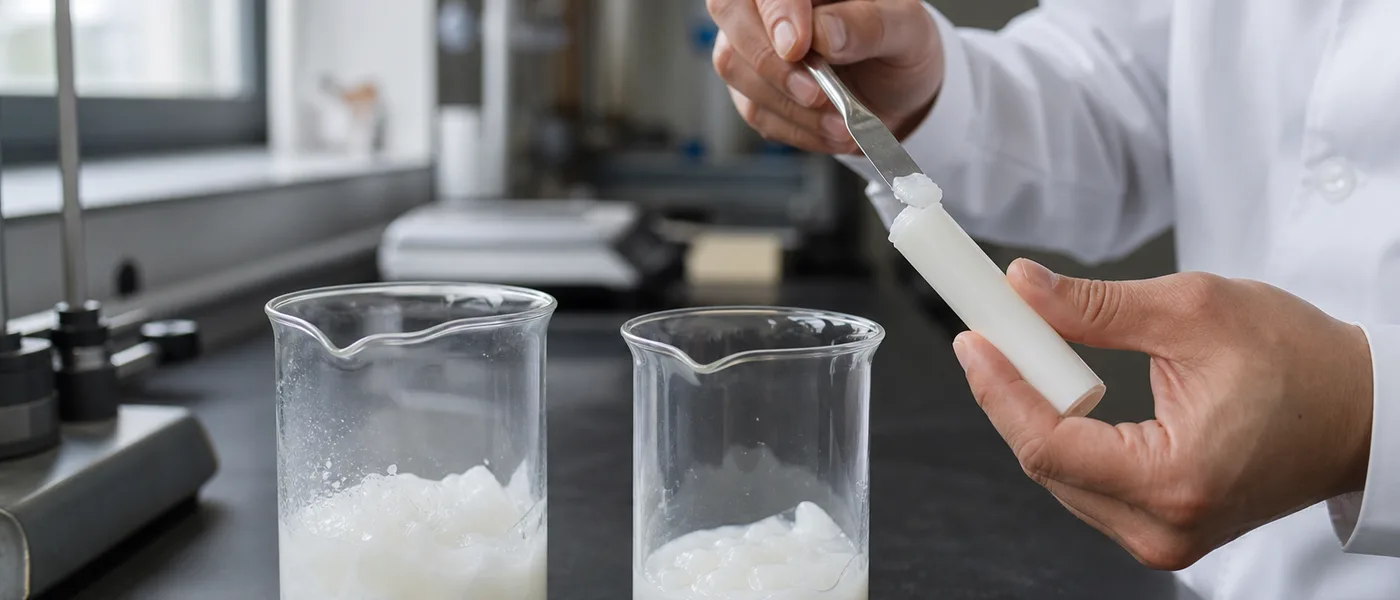
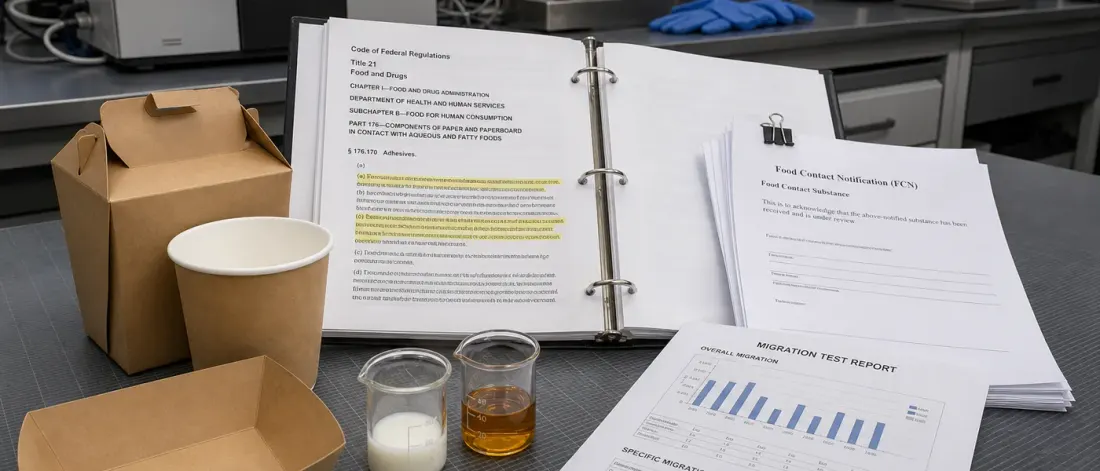
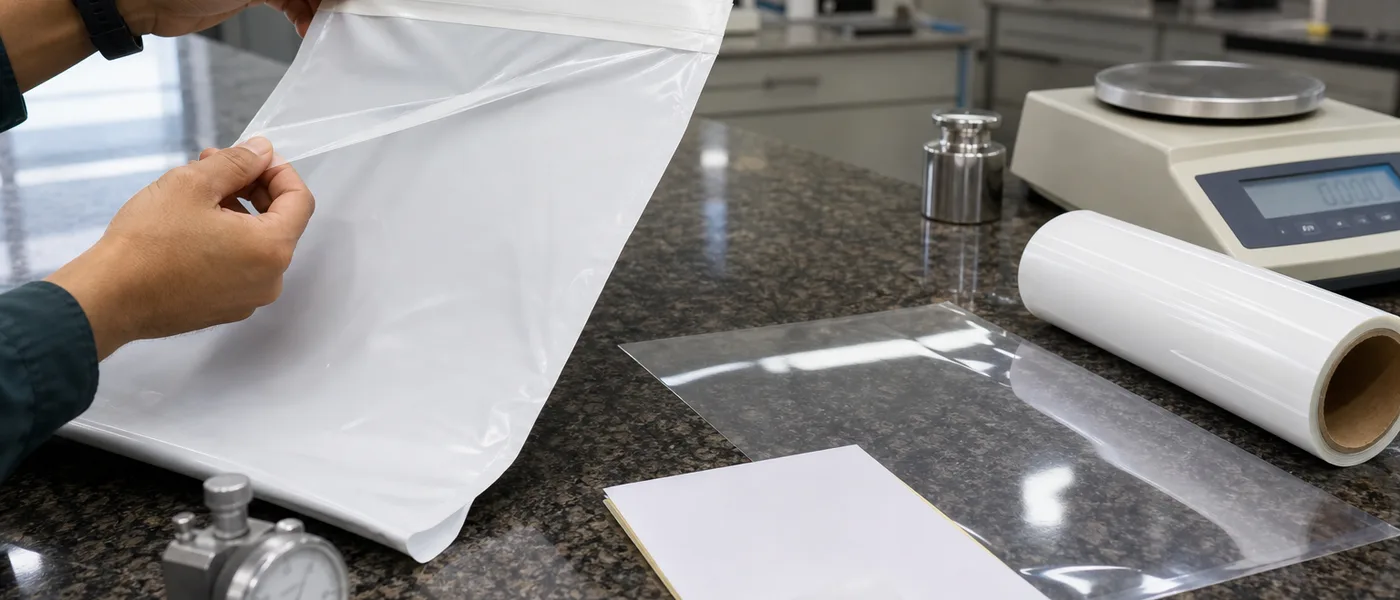
Decorative wrap qualification for luxury rigid boxes should confirm stain-through control, invisible seam performance, odor behavior, board/wrap pairing, and supplier document readiness before launch. For EU, electronics, confectionery, or premium retail projects, REACH, RoHS, and FDA 21 CFR 175.105 review should be scoped to the exact adhesive, construction, market, and use case.
Table of Contents
- ·Why Decorative Wrap Qualification Matters for Luxury Rigid Boxes
- ·Textured Papers and Stain-Through Risk
- ·Silk, Fabric, and Silk-Like Overwrap Qualification
- ·Board and Wrap Pairing Must Be Tested Together
- ·Open Time, Compression, and Seam Hold
- ·Odor Review for Premium Retail, Fragrance, and Confectionery Boxes
- ·Color-Matched Adhesive and Visible Glue Line Control
- ·Compliance Review: REACH, RoHS, and FDA 21 CFR 175.105 Scope
- ·Recycling and Mechanical Separation Considerations
- ·Qualification Pack Checklist for Buyers and Plant Teams
- ·Field Evidence to Request Before Launch
- ·Final Takeaway
- ·Frequently Asked Questions
Why Decorative Wrap Qualification Matters for Luxury Rigid Boxes
Luxury rigid boxes are judged before they are opened. A faint glue line, darkened corner, lifted seam, odor in the box cavity, or visible stain-through on textured stock can make an expensive launch feel unfinished. For premium packaging buyers, the adhesive is not just a hidden production aid. It affects appearance, handling, sensory quality, line stability, and customer approval.
Decorative wrap qualification should therefore start with the finished box experience. The plant team needs to know whether the adhesive can bond the chosen wrap to the selected board, hold corners and seams cleanly, survive compression, and remain visually quiet after drying. A lab drawdown can help, but it does not replace a press-side trial using the actual wrap stock, board grade, adhesive amount, open time, compression pressure, and drying conditions.
This is especially important for textured papers, dyed stocks, fabric overwraps, silk-like materials, and high-contrast designs. These materials can show adhesive problems quickly. A dark wrap may reveal glossy marks. A pale wrap may show water staining. A textured paper may hide surface variation but expose glue shadows at compressed areas. A silk or fabric overwrap may absorb adhesive unevenly and create hard spots, seam halos, or local discoloration.
A practical qualification process should answer four buyer questions:
| Buyer Question | Qualification Focus |
|---|---|
| Will the box look clean after drying? | Stain-through, edge marks, glue line visibility, surface change |
| Will the seam stay closed? | Open time, compression, board memory, wrap tension |
| Will the box smell acceptable? | Adhesive odor, cavity odor, sensory transfer after closed storage |
| Will documents support the launch? | TDS, SDS, restricted substance statements, scoped compliance review |
When these points are tested early, buyers can avoid last-minute disputes between design, purchasing, production, and quality teams. The best goal is not to find a single adhesive that sounds good on paper. The goal is to prove that the adhesive, wrap, board, application method, and production window work together.
Textured Papers and Stain-Through Risk
Textured decorative papers can create a premium feel, but they also raise the risk of stain-through and show-through. Embossed stocks, uncoated papers, soft-touch papers, dyed sheets, and open-fiber surfaces can absorb adhesive in different ways. When adhesive penetrates too deeply or unevenly, the surface may darken, flatten, gloss, wrinkle, or show a visible glue path after drying.
Stain-through is not only an adhesive chemistry issue. It is often the result of several factors working together: adhesive solids, water level, viscosity, coat weight, paper absorbency, board surface, compression pressure, drying time, and environmental humidity. A formula that looks clean on one wrap may mark another wrap from the same design family if the surface treatment or fiber structure changes.
Corners and hinge areas deserve special attention. Stress concentrates in these zones, and the wrap is often pulled, folded, pressed, and held under tension. Adhesive can collect at fold lines or squeeze toward the surface during compression. A flat coupon test may pass, while a real corner fails because the adhesive is trapped under pressure.
For this reason, decorative wrap qualification should include actual box geometry. Test flat panels, corners, hinges, inside turns, outside turns, and seam overlaps. Review the box immediately after wrapping, after initial drying, and again after a rest period. Some appearance problems become more visible after moisture redistributes or after the box has been closed and stacked.
A useful stain-through review should include:
| Test Area | What to Check |
|---|---|
| Flat wrap panels | Surface darkening, mottling, gloss change, fiber swelling |
| Corners | Edge shadows, adhesive squeeze, color shift, hard spots |
| Hinges | Creasing, cracking, glue pooling, delayed staining |
| Seam overlaps | Visible line, ridge, halo, lift after drying |
| Dark wrap stock | Gloss marks, lighter seam line, pressure shine |
| Light wrap stock | Water marks, yellowing, uneven tone, shadowing |
The safest approach is to approve the adhesive with the exact production wrap and board pairing. Do not assume that a clean result on smooth coated paper will repeat on embossed or fabric-like stock.
Silk, Fabric, and Silk-Like Overwrap Qualification
The term “silk overwrap” can mean different things in packaging discussions. It may refer to true textile material, silk-like paper, satin-finish wrap, fabric-backed stock, coated decorative material, or a premium surface designed to imitate textile softness. Each material behaves differently, so the first step is to define the overwrap construction before selecting the adhesive.
Fabric and textile-like wraps may absorb adhesive into the structure. This can create uneven bonding, stiff areas, surface bleed, or odor retention. Silk-like papers may be more dimensionally stable, but they can still show seam halos or edge marks if the adhesive amount is too high or the open time is wrong. Film-faced decorative materials may have lower surface wetting and may need a different bonding approach than paper-based wraps.
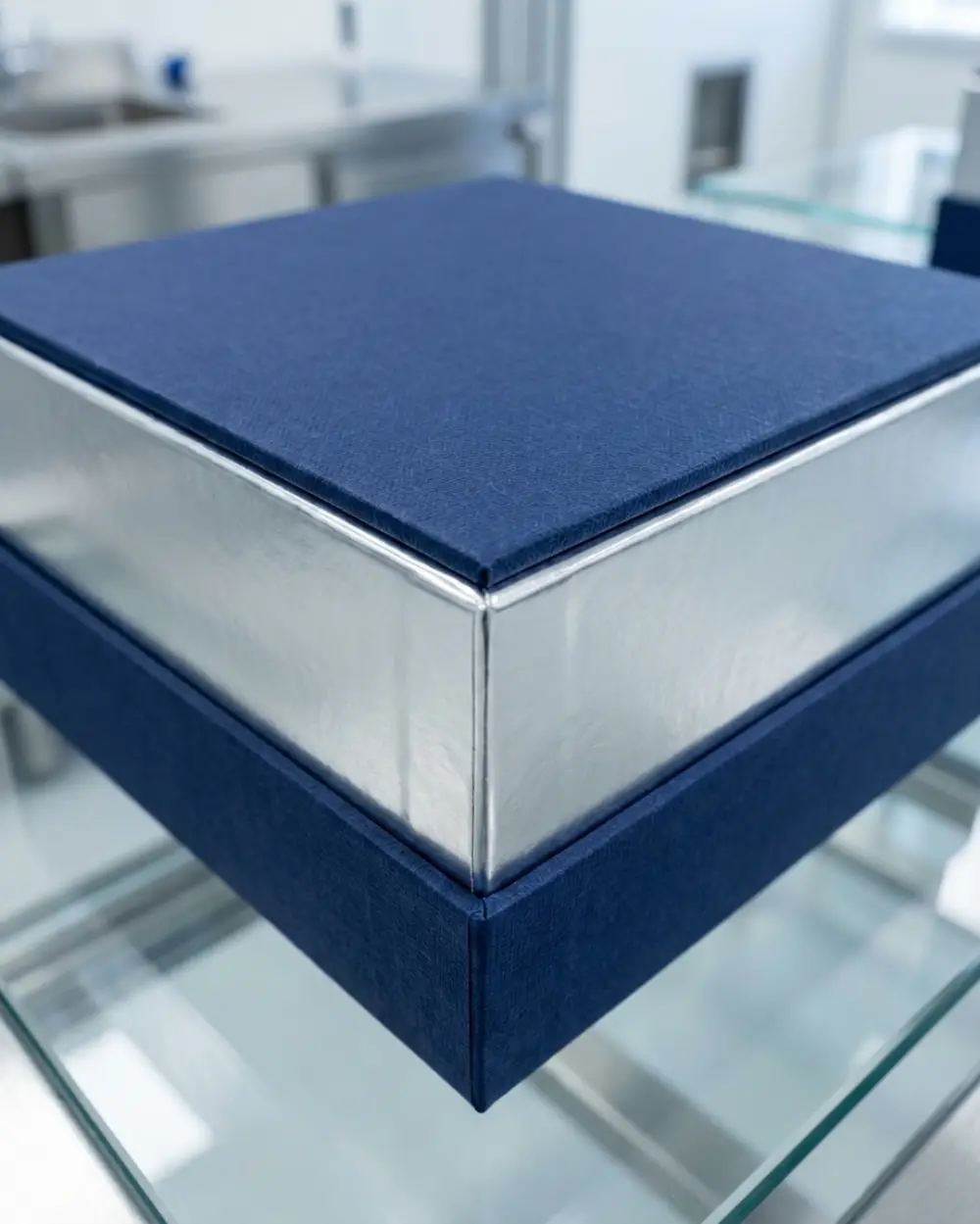
Invisible seam performance is often the main buyer concern. A seam that is technically bonded can still fail visually if the overlap line is too raised, too glossy, too dark, or too easy to feel. On luxury boxes, a visible seam may be rejected even when bond strength is acceptable. This is why qualification should include both mechanical hold and appearance review.
Compression also needs to be controlled. Too little compression can leave weak seams or edge lift. Too much compression can force adhesive into the wrap surface or create a hard line. The right window depends on wrap thickness, board stiffness, adhesive amount, and the time between application and pressing.
For silk, fabric, or silk-like overwraps, plant teams should record:
- Exact overwrap material and supplier code
- Whether the material is paper-based, fabric-based, film-faced, or laminated
- Surface finish, backing type, and thickness
- Board grade, caliper, and surface finish
- Adhesive application method and coat weight target
- Time between adhesive application and compression
- Compression method, pressure, and dwell time
- Visual seam result after drying and after closed-box storage
This record helps prevent a common launch problem: the sample room makes a beautiful box by hand, but the production line cannot repeat the same seam quality at scale.
Board and Wrap Pairing Must Be Tested Together
Decorative wrap problems are often blamed on the wrap or the adhesive, but the board underneath can be just as important. Board stiffness, surface absorbency, density, flatness, moisture level, and recycled content can influence how the adhesive dries and how the wrap sits on the box.
A very absorbent board can pull moisture away from the adhesive quickly. This may reduce open time and make it harder to position the wrap cleanly. A dense or coated board may slow moisture movement, leaving the adhesive wet longer and increasing the risk of slip, squeeze-out, or delayed seam hold. Board memory can also push against the wrap, especially at corners and flaps.
Pairing becomes even more important when the wrap is expensive, textured, or dark. A small mismatch may show as a shadow line on the face panel or a lifted corner after the box has been stacked. A good qualification should test the actual board and wrap combination, not only the adhesive on a generic substrate.
Recommended pairing checks include:
| Pairing Factor | Why It Matters |
|---|---|
| Board absorbency | Changes adhesive drying and open time |
| Board stiffness | Affects seam stress and corner spring-back |
| Wrap thickness | Changes fold behavior and seam height |
| Wrap texture | Can trap adhesive or show pressure marks |
| Surface coating | Affects wetting and bond formation |
| Moisture balance | Can shift drying speed and final appearance |
For premium launches, it is wise to qualify the most difficult pairing first. If the adhesive works only on the easiest board and smoothest wrap, the approval may not protect production when the line moves to more sensitive designs.
Open Time, Compression, and Seam Hold
Open time is the working period between adhesive application and the moment the wrap is pressed into place. In decorative wrap production, this window must be long enough for positioning but short enough to support fast seam hold and clean handling. If open time is too short, the adhesive may not wet the surface properly. If it is too long, the wrap may slide, wrinkle, or lift before the bond develops.
Compression timing is just as important. The adhesive must be pressed while it can still form a clean bond. Pressing too early, too late, too lightly, or too aggressively can all create defects. On textured wrap, excessive pressure may flatten the surface. On fabric or silk-like overwrap, it may create hard marks or visible seam edges. On coated stock, weak compression can leave poor wetting and edge lift.
A good press-side trial should not only check whether the seam is closed after wrapping. It should check whether the seam remains stable after drying, stacking, and handling. The team should also inspect inner corners and hinge areas because those areas often fail after the box is moved or stored.
Record these trial details:
| Trial Record | Why It Helps |
|---|---|
| Adhesive application amount | Controls staining, drying, and bond hold |
| Open time range | Defines the real production window |
| Compression pressure | Explains seam hold and surface marking |
| Dwell time | Shows how long the bond was held under pressure |
| Room temperature and humidity | Helps explain drying and odor behavior |
| Drying time before inspection | Prevents early approval before defects appear |
| Stack conditions | Shows whether pressure changes appearance |
For buyers, this information is useful during supplier comparison. Two adhesives may both bond the seam, but one may require a much narrower open time or more careful compression. That difference affects production risk.
Odor Review for Premium Retail, Fragrance, and Confectionery Boxes
Odor is a serious quality issue in premium packaging. A luxury box may be used for fragrance, cosmetics, watches, chocolate, tea, spirits accessories, jewelry, or gift sets. Even when the adhesive is not in direct contact with the product, odor inside the box cavity can affect the buyer’s approval.
Odor review should be built into decorative wrap qualification when the package will be closed, stored, shipped, or displayed for long periods. The key question is not only how the adhesive smells when wet. It is how the finished box smells after drying and closed storage. A strong odor during production may disappear. A mild odor may become noticeable inside a sealed cavity.
A practical odor check can include:
- Wet adhesive odor during application
- Odor after the box has dried
- Odor inside the closed box cavity
- Odor after warm storage, if required by the customer
- Sensory comparison against an approved control sample
- Review by trained internal staff or customer-approved reviewers
Odor language should stay careful. Instead of making broad claims, define the project need and test method. For example, the qualification record can say that the sample was reviewed under the buyer’s sensory protocol and accepted for the specified packaging construction. That is more useful than a broad marketing phrase.
Color-Matched Adhesive and Visible Glue Line Control
Color-matched adhesive can help reduce visible glue lines on certain decorative wrap projects, especially dark papers, dyed stocks, exposed edges, and seam areas. However, color match should be treated as a qualification step, not a shortcut.
A color-matched adhesive still needs to be tested for stain-through, transfer, set time, odor, and bond strength. The color may look right in the container but change after drying, spreading, compression, or contact with the wrap surface. Different lighting conditions can also make the same seam look acceptable in the plant but visible in a retail environment.
For color-sensitive luxury boxes, the approval process should include:
| Approval Item | What to Confirm |
|---|---|
| Wet color | Matches expected application appearance |
| Dry color | Does not create visible seam contrast |
| Surface effect | No gloss shift, halo, or darkening |
| Edge behavior | No visible line at corners or overlaps |
| Production timing | Lab match, sample approval, and launch schedule are aligned |
| Batch control | Color target and acceptance range are documented |
If a custom color is needed, confirm the lab timing, sample size, approval method, and production MOQ early. Do not promise launch dates until the color standard and box sample are approved.
Launching a Premium Rigid Box?
Review print-finishing adhesives for textured wrap, silk overwrap, and odor-neutral seams.
Print Finishing SolutionsCompliance Review: REACH, RoHS, and FDA 21 CFR 175.105 Scope
Compliance review should be scoped carefully. Decorative wrap adhesives may be used in luxury retail boxes, electronics packaging, fragrance cartons, confectionery gift boxes, or other premium applications. Each use case can trigger different document requests. The supplier should provide product-specific documents, and the buyer should confirm which documents are required by the market, customer, and finished package construction.
REACH is an EU chemicals framework used to manage chemical substance obligations and supply chain information. For decorative wrap projects entering the EU market, buyers may request REACH-related declarations, restricted substance information, or SVHC review depending on their internal compliance process and customer requirements. REACH should be treated as a regulatory review topic, not a casual marketing label. (European Commission REACH overview)
RoHS is focused on restricting certain hazardous substances in electrical and electronic equipment. For ordinary luxury gift boxes, RoHS may not be the central framework unless a customer, electronics brand, or product category requires it. If RoHS documentation is requested, confirm why it applies, which product is being assessed, and whether the adhesive statement is part of a wider packaging or component file. (European Commission RoHS overview)
FDA 21 CFR 175.105 should be reviewed only when the packaging construction and use case make adhesive review under that section relevant. For food or confectionery packaging, the buyer should confirm whether the adhesive use, food type, exposure condition, package design, and any seam or edge exposure fit the intended scope. The official regulation addresses adhesives used as components of articles intended for packaging, transporting, or holding food and includes use conditions that should be reviewed by qualified compliance personnel. (eCFR 21 CFR 175.105)
Documents commonly requested during qualification include:
| Document | Buyer Use |
|---|---|
| TDS | Application guidance, viscosity range, handling notes, storage information |
| SDS | Safety handling, hazard communication, storage and transport review |
| Product label | Grade confirmation, batch reference, shelf-life tracking |
| Restricted substance statement | Customer or market compliance file support |
| FDA 21 CFR 175.105 statement, when relevant | Food or confectionery packaging review under the scoped use case |
| REACH-related statement, when relevant | EU customer or internal restricted substance review |
| RoHS-related statement, when relevant | Electronics supply chain or customer-specific review |
| MOQ and lead time note | Trial planning, launch scheduling, purchasing approval |
The safest wording is always product-specific and use-specific. A supplier statement should say what product it applies to, what document date is current, what regulation or customer list was reviewed, and what the limits of the statement are.
Recycling and Mechanical Separation Considerations
Luxury rigid boxes often combine board, decorative wrap, liners, magnets, ribbons, windows, foils, coatings, inks, and adhesives. This makes recycling and separation review more complex than a simple material claim. Buyers should avoid broad environmental statements unless the full package construction and target recycling route have been reviewed.
For adhesive qualification, the practical step is to collect information that supports the customer’s packaging questionnaire. This may include board grade, wrap fiber type, adhesive solids, adhesive application amount, separation behavior, and whether the adhesive interferes with the customer’s intended process. The exact requirement will depend on the brand owner, retailer, region, and package design.
A useful recycling review file may include:
- Board and wrap specifications
- Adhesive type and application amount
- Description of bonded areas
- Notes on mechanical separation, if tested
- Presence of non-paper components
- Customer questionnaire responses
- Any third-party test request or brand-specific protocol
Do not turn a limited separation observation into a broad recyclability claim. Keep the wording tied to the actual package, test method, and customer requirement.
Qualification Pack Checklist for Buyers and Plant Teams
A decorative wrap qualification pack should help both the buyer and plant team make a decision. It should not be limited to a sample bottle and a short email. The pack should connect the design goal, substrate details, adhesive selection, trial conditions, quality results, and document status. For a broader approval baseline, review the industrial adhesive qualification checklist.
Use the checklist below before approving a new adhesive or changing wrap stock:
| Checklist Item | What to Include |
|---|---|
| Project description | Box type, launch timing, customer requirements |
| Wrap details | Supplier, code, color, texture, coating, thickness |
| Board details | Grade, caliper, surface, stiffness, recycled content if relevant |
| Overwrap details | Paper, silk-like, fabric, film-faced, laminated, or other construction |
| Adhesive method | Roller, wheel, nozzle, spray, hand application, or semi-automatic process |
| Open time window | Minimum and maximum working time observed in the trial |
| Compression details | Pressure, dwell time, tool type, operator setup |
| Appearance review | Stain-through, glue line, seam halo, gloss change, corner quality |
| Odor review | Wet odor, dry odor, closed-cavity odor, customer protocol if applicable |
| Bond review | Seam hold, corner hold, hinge performance, stacking behavior |
| Cleanliness review | Build-up, transfer marks, cleanup effort |
| Documents | TDS, SDS, batch label, scoped compliance statements |
| Commercial details | Sample size, MOQ, lead time, storage guidance |
This pack makes the approval easier to defend. If a problem appears later, the team can compare production conditions against the approved trial record instead of guessing.
Field Evidence to Request Before Launch
For a related production proof point, review the luxury rigid box finish control case study before finalizing seam, odor, and stain-through acceptance criteria.
Skeptical buyers do not need vague promises. They need evidence that the adhesive has been screened against the same risks their launch will face. If a supplier has internal case studies, ask whether the evidence matches your box type, wrap stock, board grade, production method, and quality expectations.
Good field evidence may include:
- Photos of approved seam areas and corners
- Before/after stain-through observations
- Trial run notes from similar wrap materials
- Odor review method used by the customer
- Cleanup and application notes
- Document pack examples
- Known limits or conditions from previous trials
Known limits are valuable. If an adhesive performs well on textured paper but needs careful coat weight control, that should be stated. If a fabric overwrap needs longer compression or a different application amount, the plant should know before production starts. Clear limits reduce launch risk.
Final Takeaway
Decorative wrap qualification is finish-control plus document-control. A luxury rigid box adhesive should be approved only after the real wrap, board, overwrap material, application method, open time, compression setting, odor behavior, and seam appearance have been reviewed together.
The main goal is simple: protect the premium look and feel of the box while giving purchasing, quality, and compliance teams the records they need. Test the hardest substrate pairing first. Inspect corners and seams after drying. Keep compliance wording scoped to product-specific documents and the actual use case. Then scale only when the press-side result matches the buyer’s approval standard.
Frequently Asked Questions
How fast can custom color-matched adhesive ship?
Timing depends on the supplier’s lab process, pigment target, raw material availability, approval sample, and production MOQ. Buyers should confirm lab-match timing, dry-color approval, sample quantity, and production lead time before committing to a launch schedule.
Is FDA 21 CFR 175.105 enough for confectionery gift boxes?
Not by itself. FDA 21 CFR 175.105 may be relevant for certain adhesive uses in food packaging constructions, but the buyer still needs to review the exact adhesive, package design, food type, exposure condition, and customer requirement. Qualified compliance personnel should confirm whether the statement fits the intended use case.
What is the MOQ for luxury decorative wrap trials?
MOQ is supplier-specific. For early screening, buyers may request a small lab sample. For press validation, a larger trial quantity may be needed to test open time, compression, odor, seam hold, and appearance across a realistic run. Confirm trial quantity and production MOQ before approval.
Why does textured paper show stain-through more easily?
Textured and open-fiber papers can absorb adhesive unevenly. Pressure at corners, hinges, and seams may also push adhesive toward the surface. This can create darkening, gloss change, glue shadows, or visible seam marks after drying.
Can one adhesive work for paper wrap, silk-like overwrap, and fabric overwrap?
Sometimes, but it should not be assumed. Paper, silk-like, fabric, and film-faced materials have different wetting, absorption, compression, and drying behavior. Each material should be tested with the actual board and production method.
What should be checked during an odor review?
Check wet adhesive odor, dry box odor, closed-cavity odor, and odor after storage if the customer requires it. For fragrance, confectionery, cosmetics, and premium gift packaging, use the buyer’s sensory protocol or an agreed internal method.
What documents should buyers request from the adhesive supplier?
Common documents include TDS, SDS, product label, batch information, storage guidance, shelf-life details, and scoped compliance statements where relevant. Depending on the project, buyers may also request REACH, RoHS, or FDA 21 CFR 175.105 review documents.
When should a decorative wrap adhesive be requalified?
Requalify when the wrap stock, board grade, supplier, surface coating, application method, adhesive amount, compression setup, production site, or compliance requirement changes. Requalification is also recommended when stain-through, odor, seam lift, or visible glue lines appear after a previously stable launch.
Qualify decorative wrap on your press
Request complimentary 1 kg lab material (shipping prepaid by recipient) after screening your wrap stock, board, overwrap material, adhesive application method, and line conditions.
References
Technical Disclaimer: All technical data is based on standard laboratory conditions. Users should perform their own verification testing to confirm suitability for specific substrates, processes, and regulatory requirements. Senda Glue makes no warranties, express or implied, and assumes no liability for improper use of the products or reliance on this information.