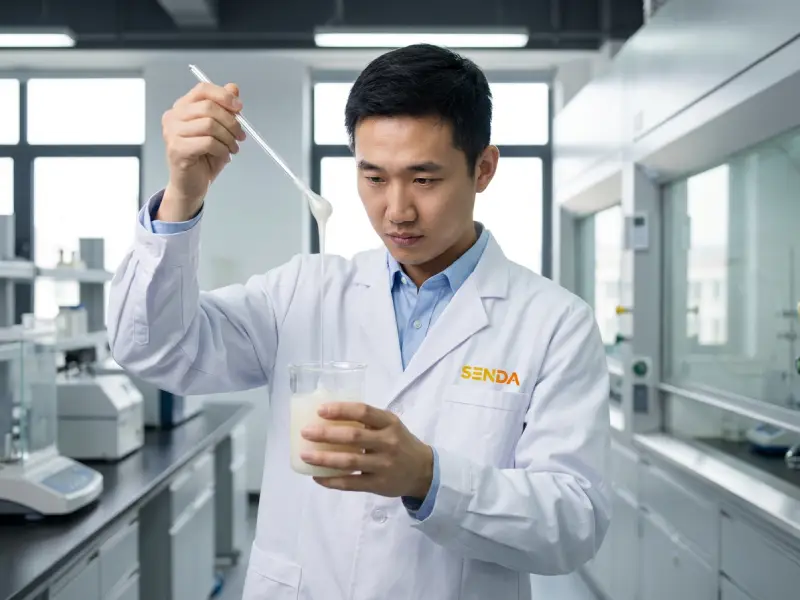
High-speed cup forming requires instant green strength. Learn to prevent "flagging" and "blocking" on PE, PLA, and Aqueous Dispersion coatings.
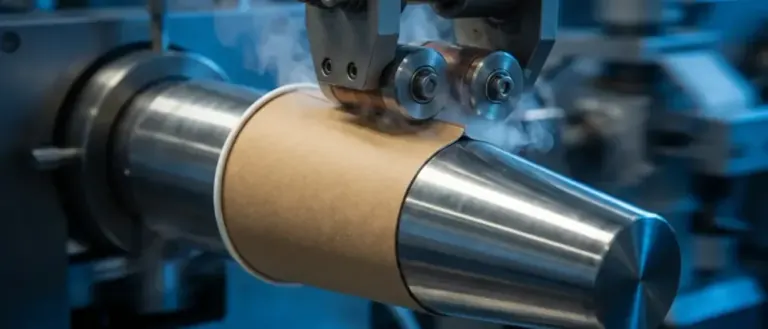
Table of Contents
In paper cup manufacturing, line speed is the ultimate stress test. Whether you are running a PMC, Hörauf, or a high-speed Chinese former at 150+ cups per minute, your adhesive has milliseconds to develop "green strength." If the bond doesn't set instantly, the cup "flags" (pops open) before it even hits the stacker.
But speed isn't the only variable. The global shift away from PE (Polyethylene) linings to "plastic-film-free" Aqueous Dispersions has created a crisis in side-seam selection. For barrier chemistry, read repulpable aqueous barriers; for FDA screening on paper packaging, see food-safe adhesives for paper and the aqueous cup case study.
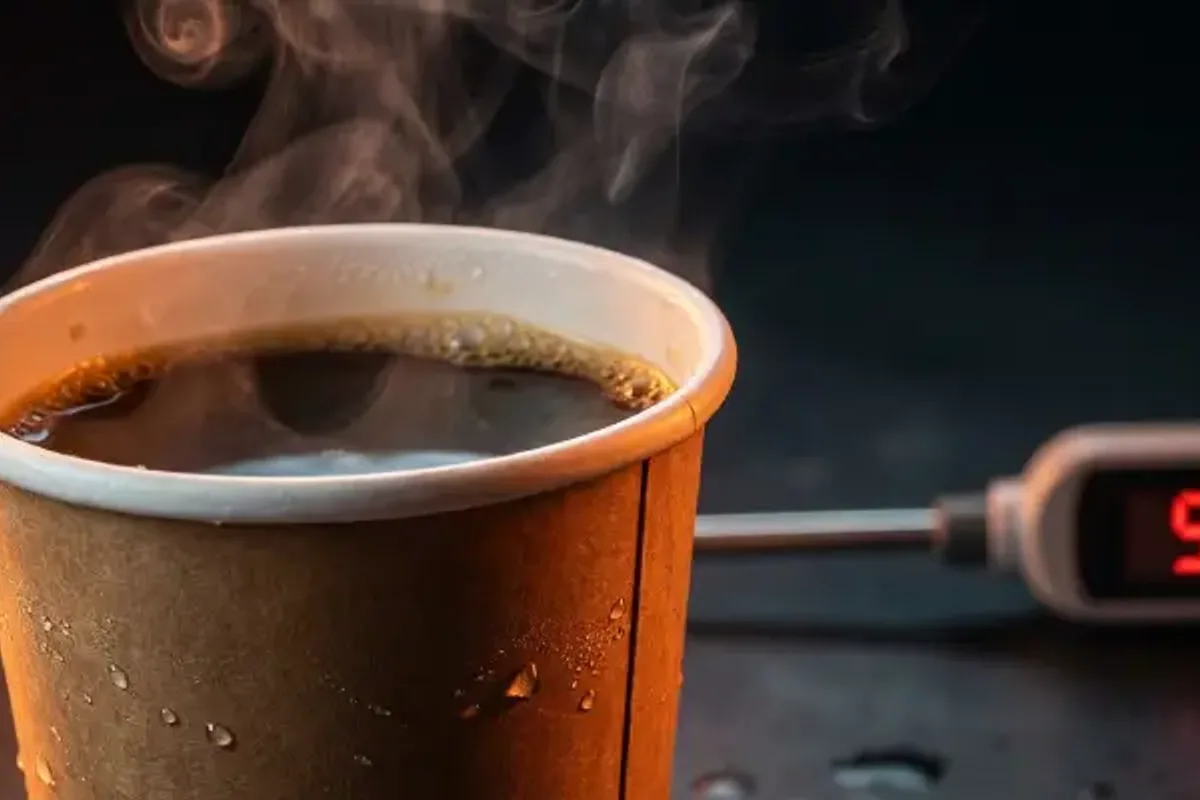
"A paper cup is not just paper; it is a heat-resistant liquid container. Your adhesive must withstand 90°C (194°F) coffee without softening, yet bond instantly on a machine running at ambient temperature."
Matching the Glue to the Coating
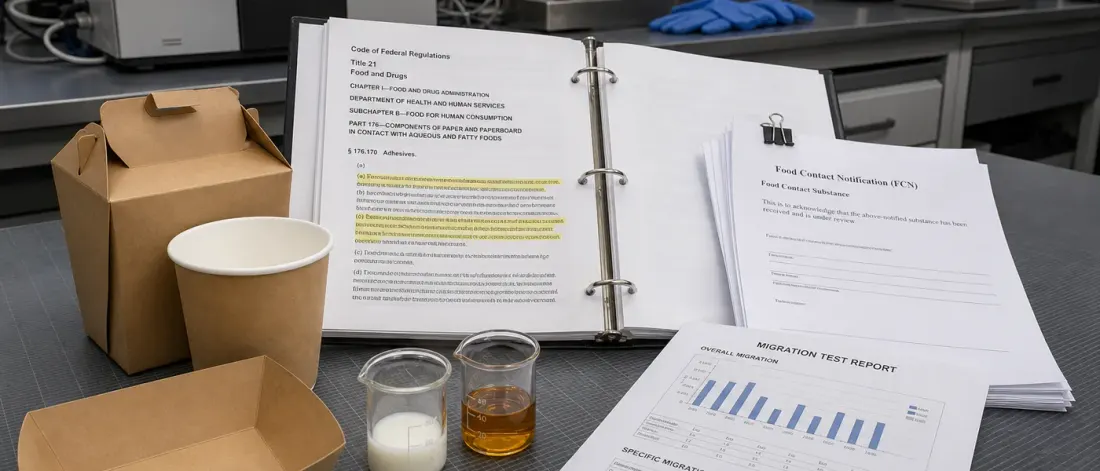
The success of your cup forming process depends entirely on the interaction between the adhesive and the cup stock lining. Because paper cups involve direct contact with liquid and fatty substances (like milk in coffee), compliance with FDA 176.170 is non-negotiable. We categorize solutions based on the barrier technology you are running.
The industry baseline. Compatible with standard Vinyl Acetate (EVA) hot melts and ultrasonic sealing. High heat tolerance and easy processability.
The "Green" standard. Often repels standard glues. Requires specialized High-Tack Emulsion adhesives designed to wet out hydrophobic barrier coatings.
Compostable bioplastic. Extremely heat sensitive. Requires Low-Temperature Hot Melt to prevent the liner from melting or deforming during application.
Side Seam: Requires high shear strength (structural). Bottom Seal: Requires flexibility and leak-proof integrity (often heat-sealed).
Troubleshooting Side Seam Failures
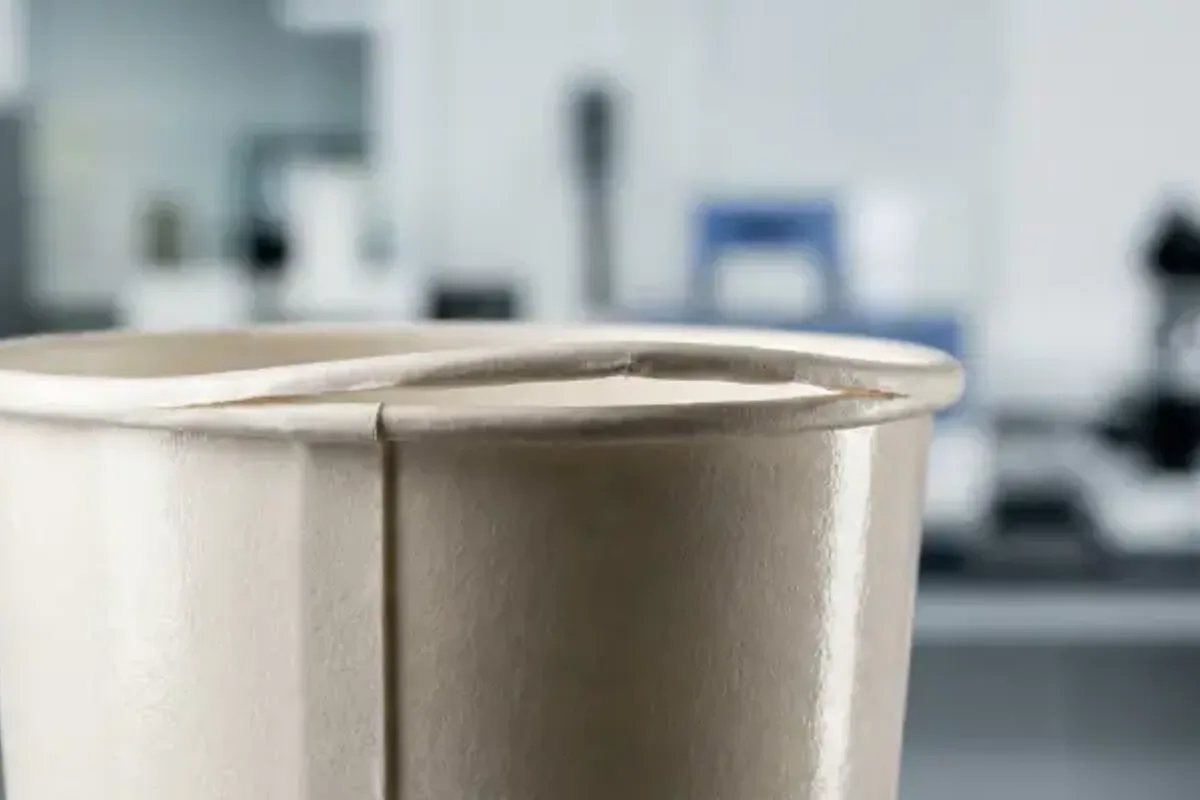
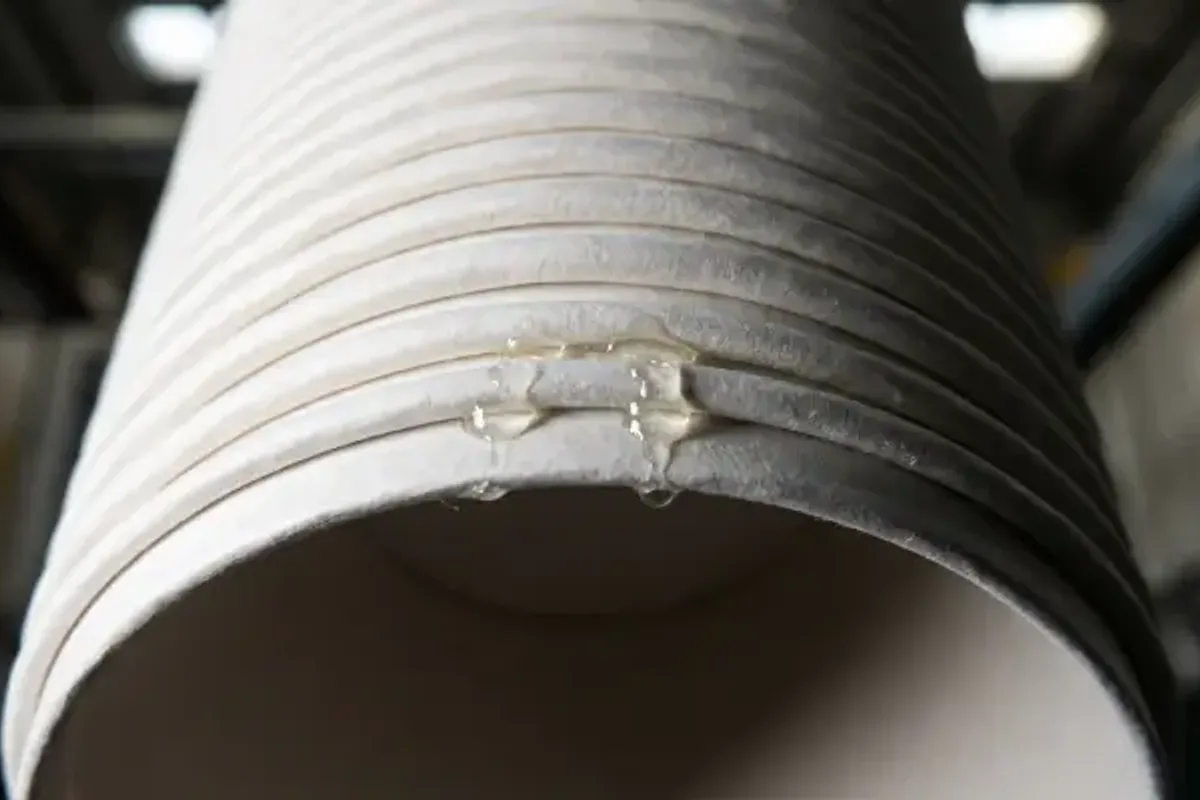
The most common defect we see in the field is "Flagging"—where the side seam opens up, either immediately on the line or later when hot liquid is poured in.
Problem: Cup Seam "Flagging"
Symptoms: The side overlap pops open at the top or bottom edge; cups jam in the stacker; leaks occur during hot liquid tests.
Solutions:
- Audit Open Time: If the machine is too fast for the glue, the bond sets before compression. Switch to a faster-setting grade.
- Verify Temperature: For hot melt, running too cold prevents penetration. Increase temp by 5°C.
- Substrate Tension: If the cup blank (fan) has too much "spring-back" memory, mechanical pressure must be increased at the mandrel.
The "Blocking" Nightmare
In our lab simulations of high-speed stacking, we observed that "blocking" (sticking) occurs when cups are nested before the bond has fully crystallized. Our thermal analysis shows that if the internal coating retains residual heat, it reactivates the adhesive squeeze-out, fusing the cups together inside the sleeve.
Problem: Cup Blocking (Sticking)
Symptoms: Cups are fused together in the sleeve; loud "cracking" sound when separating cups; adhesive residue on the inner wall.
Solutions:
- Reduce adhesive application volume (minimize squeeze-out).
- Ensure the coating is fully dried/cured before stacking.
- Switch to a non-blocking, hard-set adhesive grade.
Switching to Aqueous Coatings?
Don't risk leakers with old glue tech. Get a 1kg sample of our specialized Aqueous-Compatible Side Seam Adhesive.
Request Aqueous SampleSenda Technical Verdict
- Test Hot Liquid Resistance: Never approve a cup adhesive without a 30-minute test at 90°C. Standard packaging glues will soften and fail.
- Respect the Coating: You cannot use PE glue on Aqueous board. The surface energy (Dyne level) is different. You need a formula with specific wetting agents.
- Calibrate the Mandrel: Mechanical pressure is just as important as chemical adhesion. Ensure your tooling is tight to the mandrel shape to prevent flagging.
Frequently Asked Questions
Why do paper cup side seams "flag" (pop open) on the production line?
Flagging is usually caused by insufficient "green strength" (the bond sets too slowly for the machine speed) or low-temperature application preventing the glue from penetrating the coating.
What adhesive is required for "plastic-film-free" Aqueous Dispersion cups?
Aqueous coatings are hydrophobic and often repel standard EVA. You need a specialized High-Tack Emulsion or specific Hot Melt designed to wet out difficult, low-surface-energy barriers.
Why does paper cup adhesives need a direct-contact paper review under FDA 176.170?
Paper cups hold hot liquids and fatty substances (like milk) that can migrate through the paper. FDA 176.170 regulates adhesives in direct contact with these food types to ensure safety.
How do I prevent paper cups from "blocking" or sticking together in the stacker?
Blocking occurs if cups are nested before the adhesive has fully crystallized or dried. Reduce application volume, ensure proper curing time, or switch to a "hard-set" non-blocking grade.
Can I use the same glue for PE and PLA lined cups?
Generally, no. PLA (bioplastic) is heat-sensitive and can deform under standard hot melt temperatures. A Low-Temperature Hot Melt is specifically required for PLA to maintain cup integrity.
Qualify cup seam on your line
Request complimentary 1 kg lab material (shipping prepaid by recipient) after screening on your substrate and line conditions.
References
Technical Disclaimer: All technical data is based on standard laboratory conditions. Users should perform their own verification testing to confirm suitability for specific substrates, processes, and regulatory requirements. Senda Glue makes no warranties, express or implied, and assumes no liability for improper use of the products or reliance on this information.