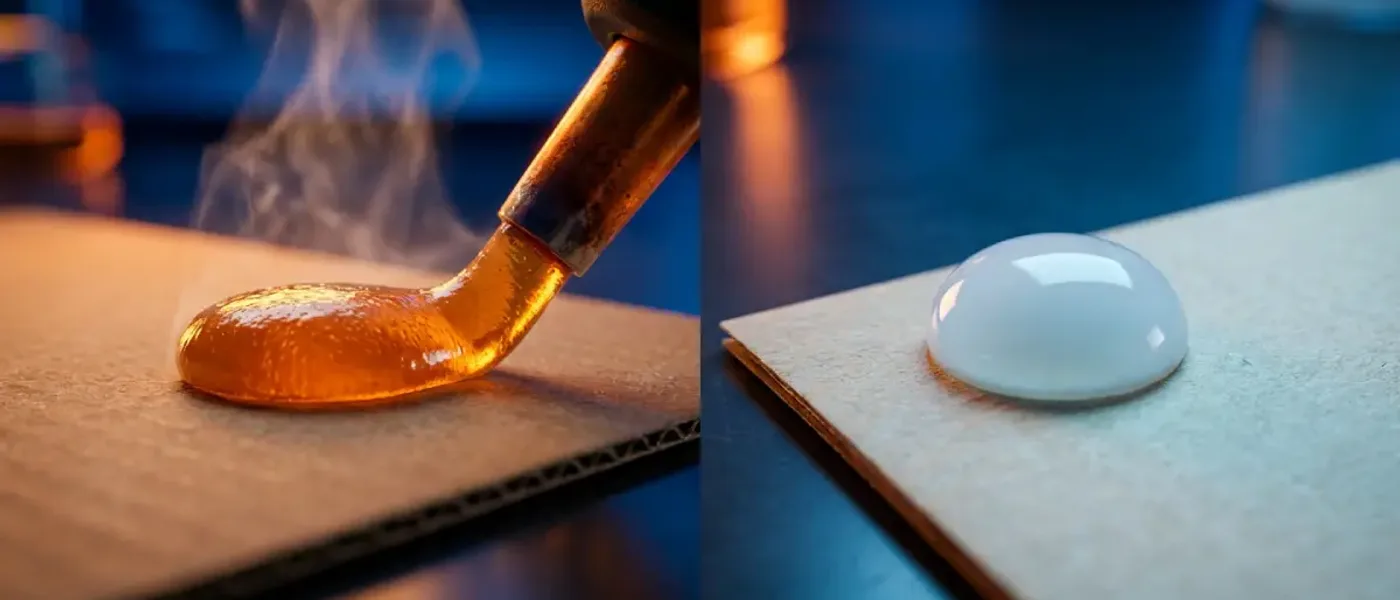
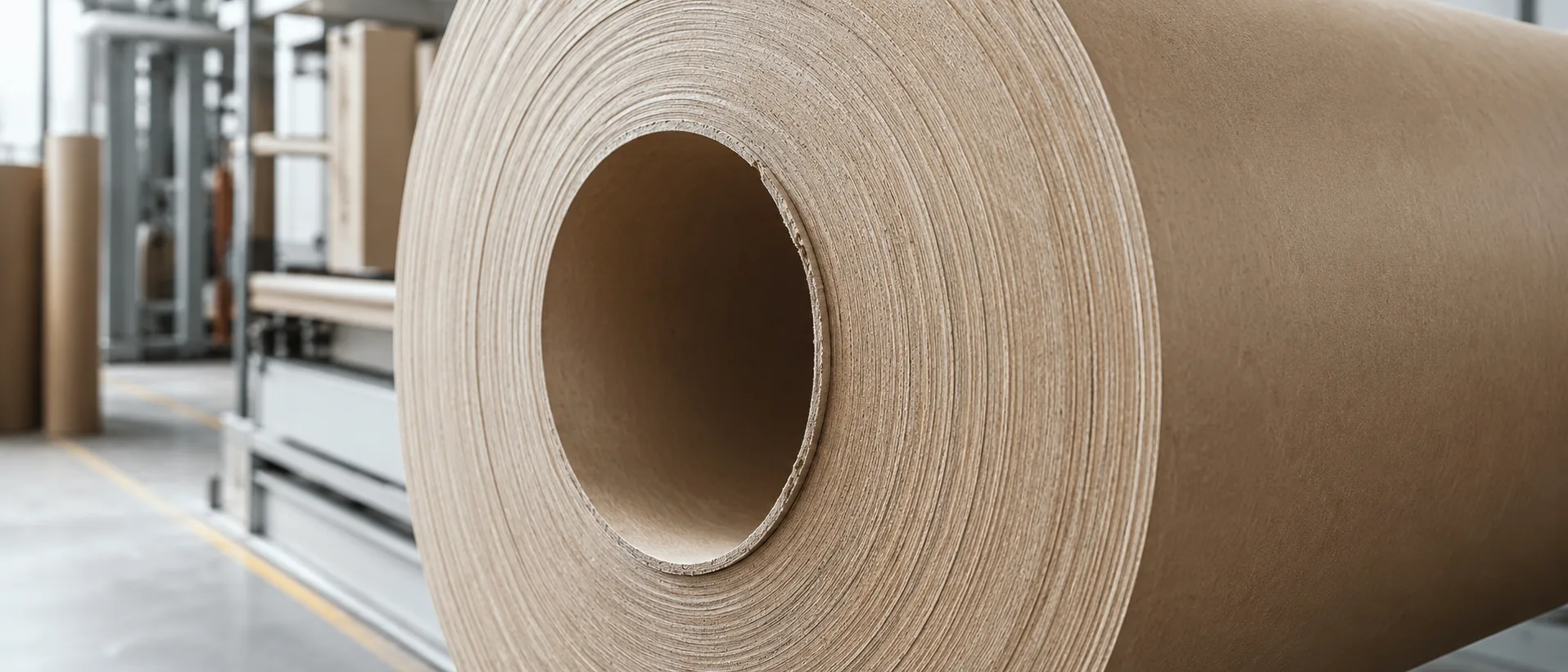
Optimize adhesive coverage, nip pressure, and paper grade on V-board lines to stop strapping delamination, soft corners, and slow drying—plus beam-strength qualification for heavy-duty profiles.
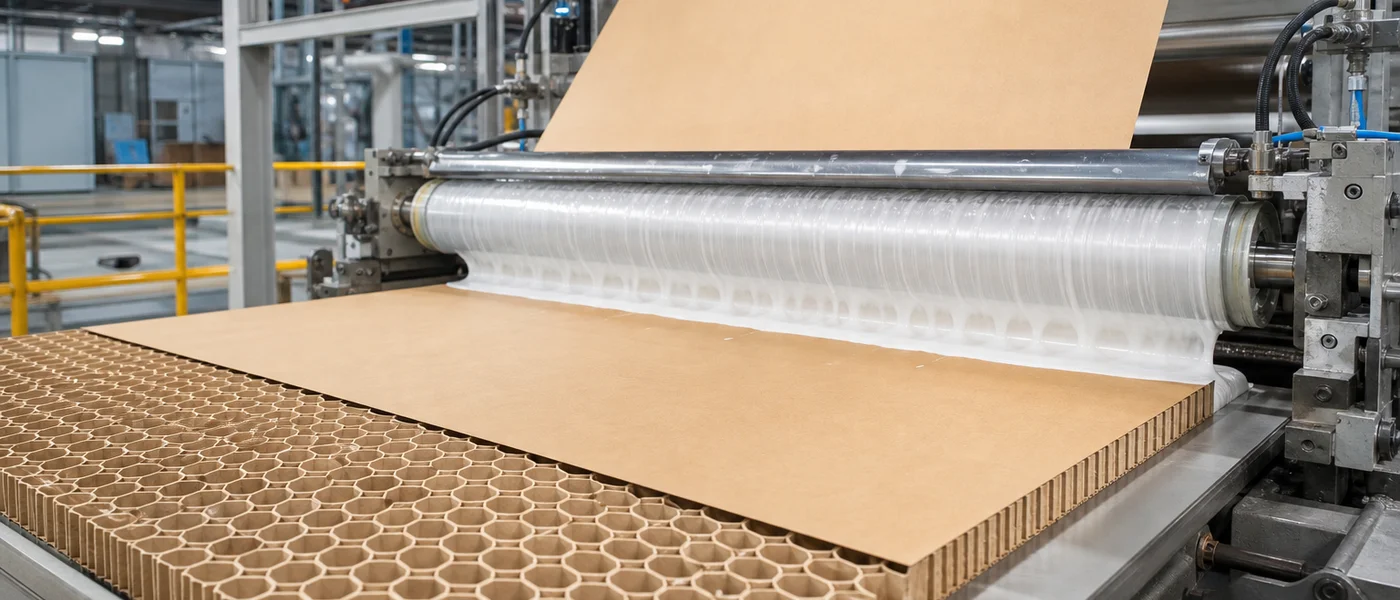
Control moisture introduction, glue spread, and lamination pressure to stop honeycomb curling, core delamination, and drying bottlenecks on structural panel and paper-pallet lines.
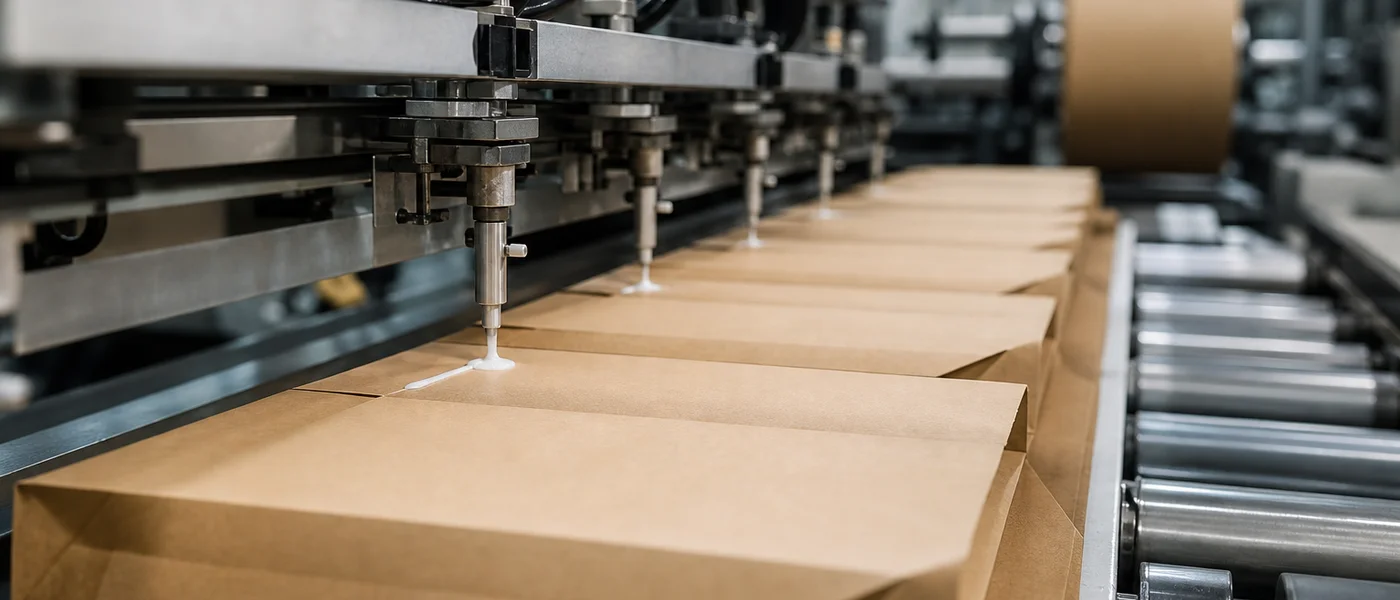
Machine-side practices for paper bag and sack lines: handle shear and fiber tear, bottom pasting wet tack, nozzle misting and stringing, multi-ply bonding, and FDA 175.105 food-bag compliance.
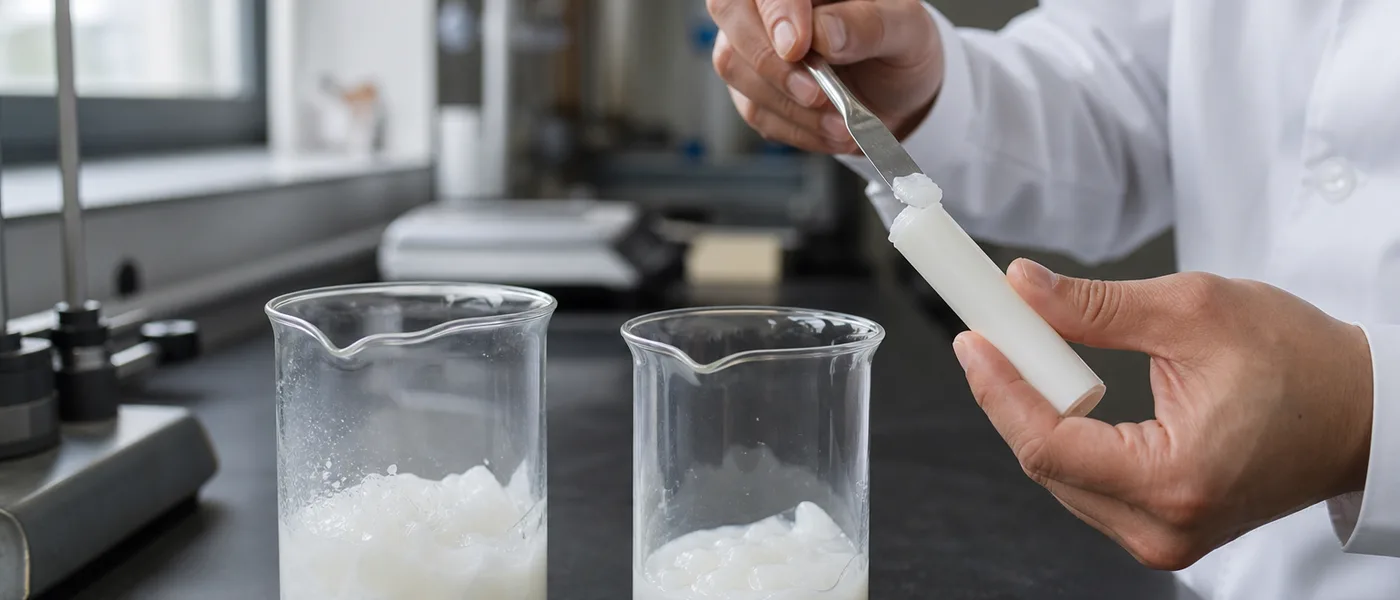
A solvent-free glue stick is not automatically ready for retail. OEM teams usually need to qualify glide feel, tube sealing, washability, shelf-life stability, and the compliance path together.
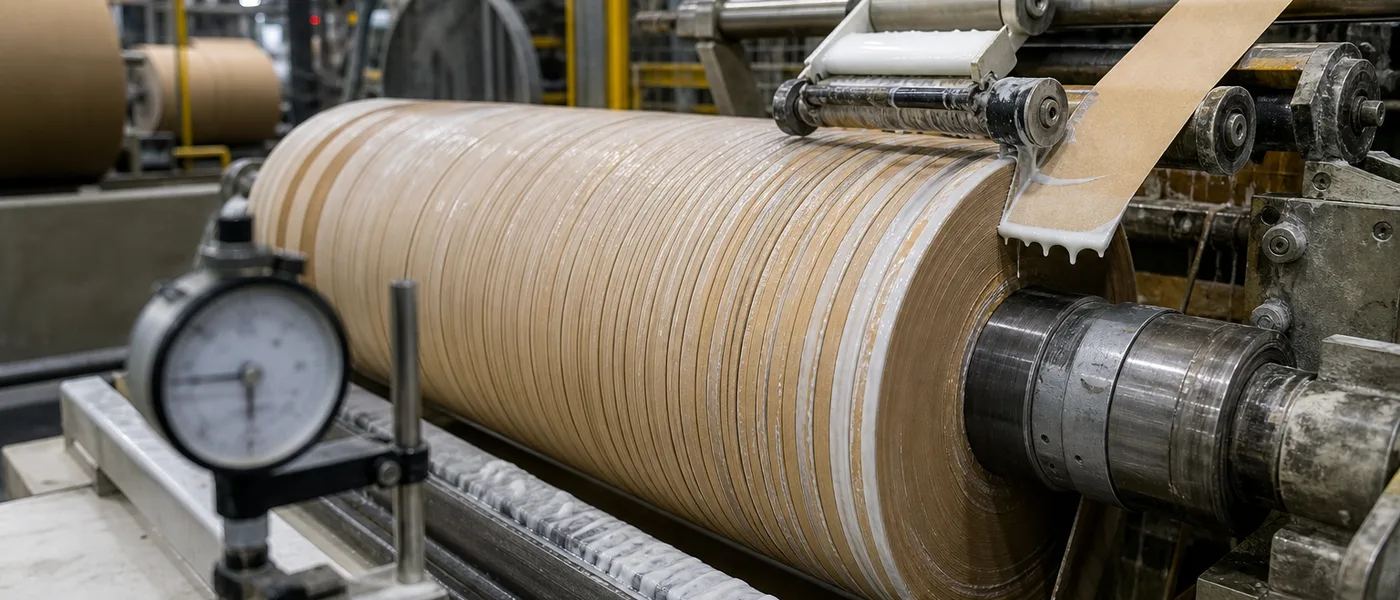
A paper straw that survives service is built through tension control, winding speed, solids management, and the right water-resistant adhesive chemistry. This guide walks through the full process.
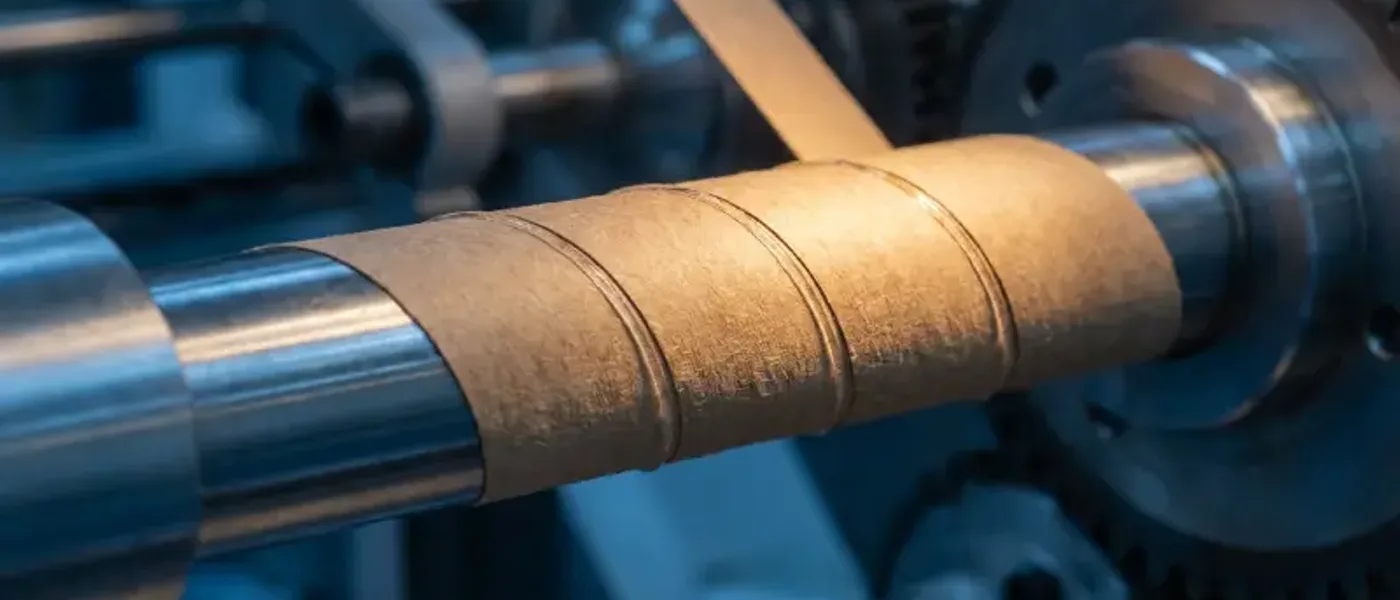
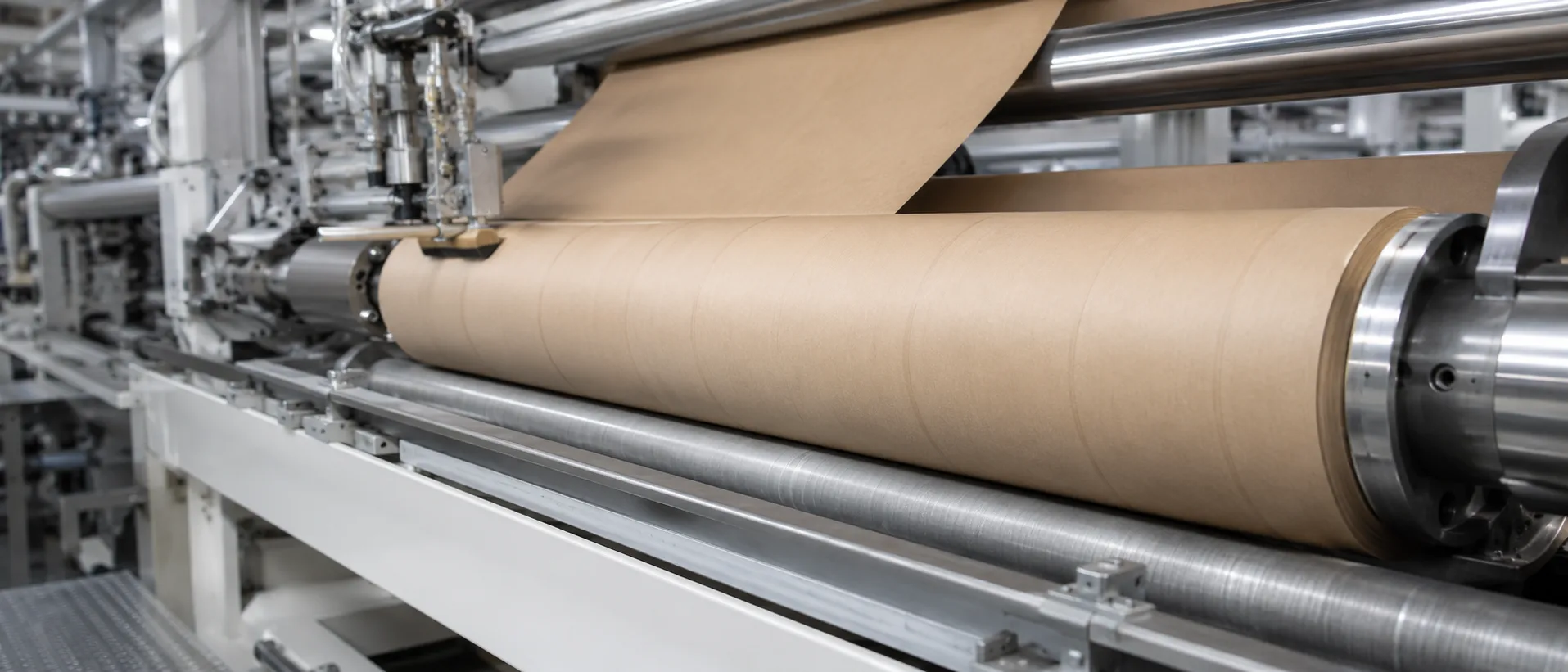
When paper tube cores start failing on high-speed lines, the adhesive is often blamed first. Sometimes that is right. Just as often, the real problem is a bad machine window: wet tack develops too slowly, cutoff gets messy, moisture load stays too high, or crush strength collapses after conditioning.
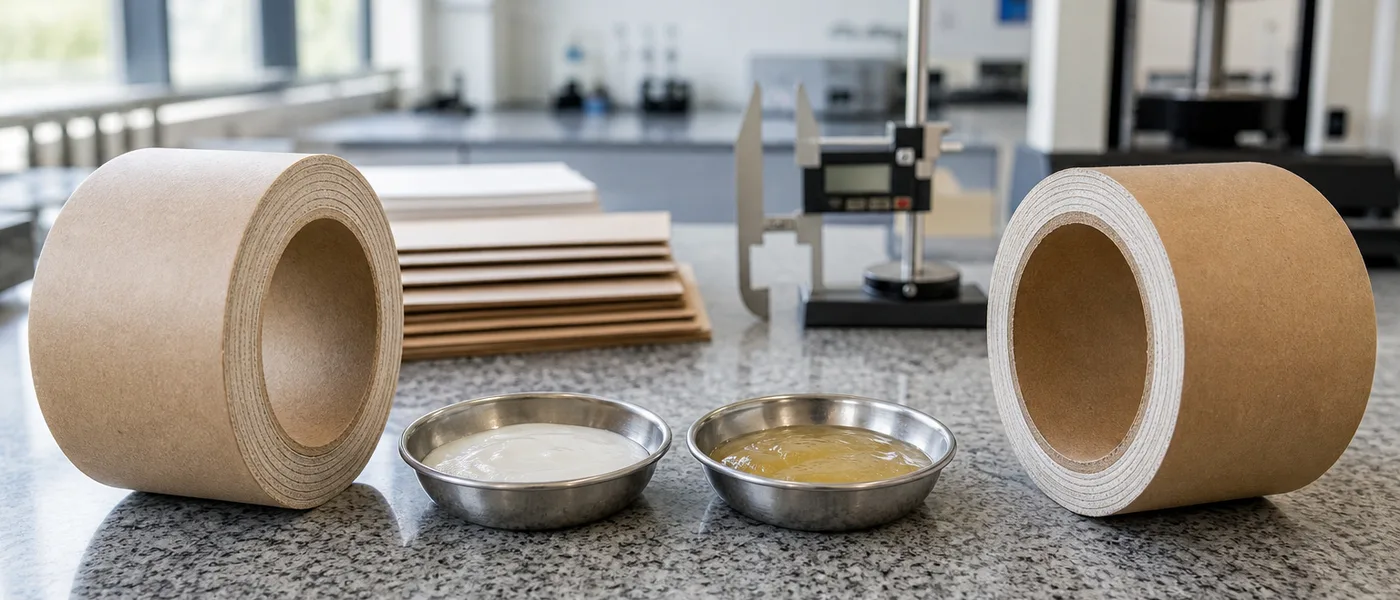
There is no universal winner between starch and PVA for paper tube adhesives. The better fit usually depends on line speed, early green strength, crush target, drying window, and how much sustainability language you actually need to defend with data.
If you are trying to replace a generic 'paper tube glue' with a more sustainable option, the short answer is this: starch and dextrin systems are usually bio-based, but biodegradability depends on the full formula, the additives, and the performance target on your line.
An OEM stationery program moved a solvent-free glue stick launch forward by qualifying shelf-life stability, tube sealing, glide feel, and documentation review together instead of treating a clean formula label as enough proof of release readiness.
A private-label stationery supplier moved a school glue program forward by qualifying washable PVA around retailer safety-document review, filling-line transfer, viscosity stability, and paper-flatness expectations instead of treating price as the only decision.
A tube and core converter stabilized a faster winding program by matching adhesive chemistry to wet-tack development, cutoff behavior, and conditioned crush instead of simply increasing glue laydown.
A paper-bag converter stabilized heavy-load handle attachment and bottom shape retention by switching to a faster-setting adhesive package that improved fiber tear, reduced cleanup stops, and supported higher line speed.
A paper-cup converter stabilized aqueous-coated cup forming by replacing PE-oriented bond logic with an adhesive package tuned for earlier green strength, cleaner stack release, and hot-liquid screening on the qualified grade.
Periodic updates on adhesive qualification, compliance pathways, and converting best practices.
We care about your data in our privacy policy . Unsubscribe anytime.
Chat with us
Before you leave
Need a safer way to qualify adhesive on your line?
Send your substrate, line speed, and application target. We can suggest a 1 kg lab sample path or the right technical document before you commit to a production trial.
We use cookies to enhance your browsing experience, analyze site traffic, and personalize content. By clicking "Accept All", you consent to our use of cookies. Cookie Policy
For visitors in the EEA, UK, or Switzerland, analytics and marketing cookies stay off until you opt in.For visitors outside the EEA, UK, and Switzerland, analytics may load by default, and you can opt out at any time.

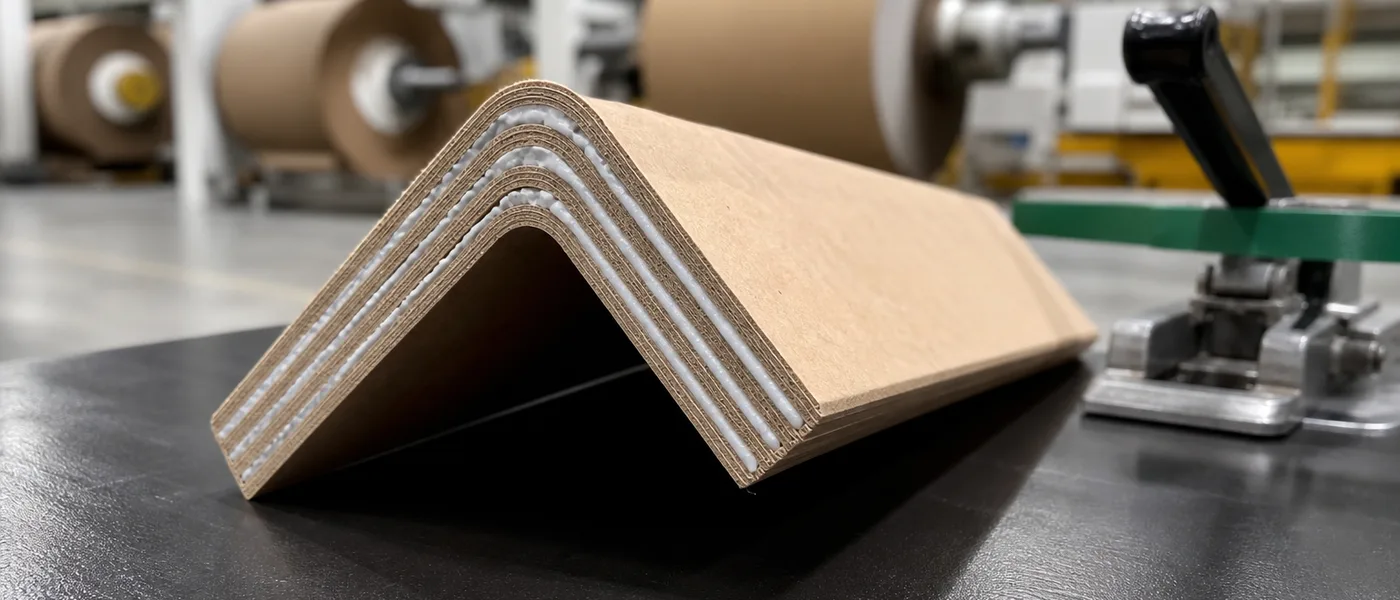 Guide
Guide