At a Glance
- 150+ cpm Validated Cup Speed
- 90°C Hot-Liquid Screen
- 0 Seam Flagging at Speed
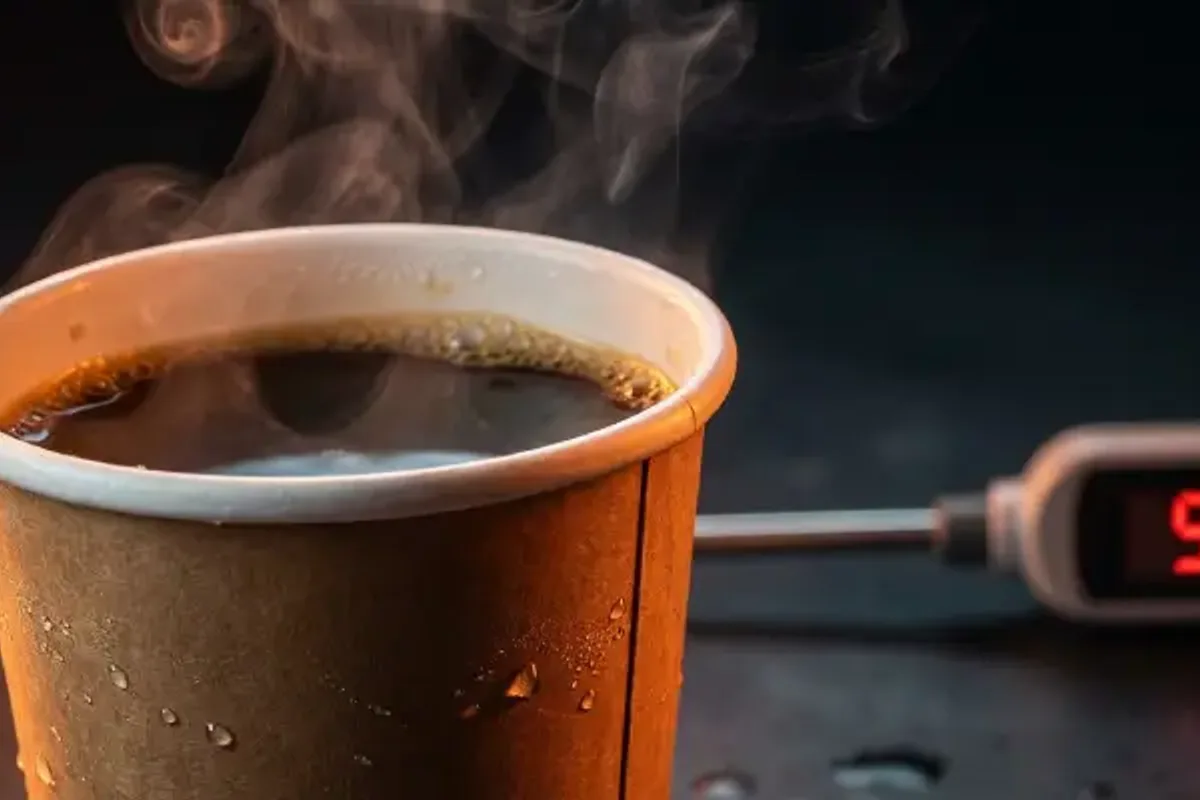
Service-temperature performance stayed in scope because a smoother forming line could not come at the cost of weaker hot-liquid confidence on the finished cup.
Aqueous-coated board exposed the limits of PE-oriented side-seam logic
The converter was moving cup production onto aqueous-coated stock, but the adhesive approach that worked on PE-style structures no longer built enough early hold to keep the seam stable at production speed.
- Some cups flagged at the side seam before reaching the stacker because green strength arrived too late for the real machine sequence.
- Other runs developed stack-blocking behavior, which made cup release and downstream handling less predictable after forming.
- Hot-liquid qualification also became less comfortable, because any seam weakness on the line could reappear later as leakage or seam lift under service temperature.
A coating-specific adhesive route built around green strength, stack release, and hot-liquid hold
Senda treated the change as a substrate-conversion project rather than a direct chemistry swap, adjusting side-seam bond build so the line could hold speed on aqueous-coated board without carrying flagging risk into the finished cup.
Products Used:
- Aqueous Cup Side-Seam Grade
Designed for faster green-strength development, more stable stacking, and stronger liquid-service confidence on coated cup stock.
What mattered most was not only final bond strength in a lab cup. The approved formula had to build enough early hold inside the actual forming cycle, release cleanly in the stacker, and still remain reliable when the finished cup saw hot-liquid service.
Qualification path
Coating and failure-mode review
The team separated aqueous-coated stock behavior from PE and PLA assumptions, mapping whether the dominant issue was side-seam flagging, stack-blocking, or later hot-liquid weakness.
Mandrel and stacker checks
Trial cups were compared at production speed to see whether the seam held through forming, release, and stacking without lifting or sticking in downstream handling.
Hot-liquid confirmation
Final approval still included elevated-temperature liquid checks so a smoother line did not come at the cost of weaker service performance in the finished cup.
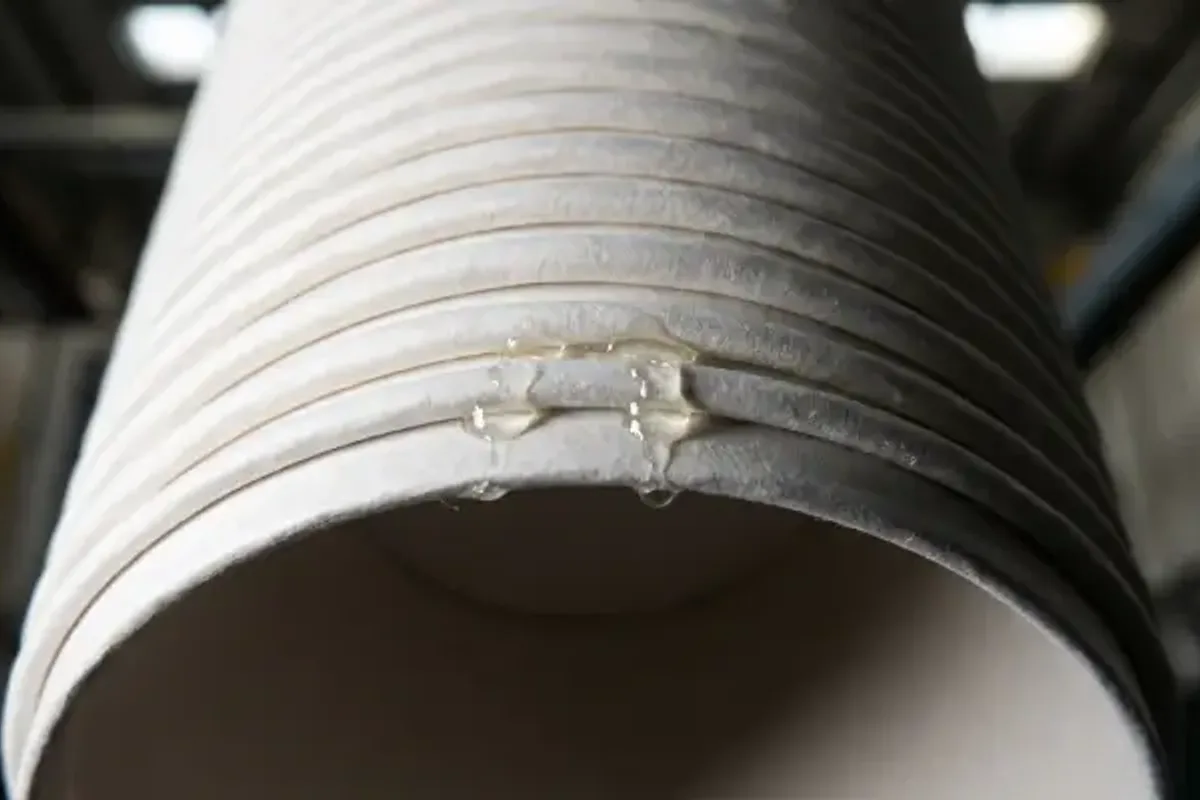
Stack-blocking was a second-order symptom of the same qualification problem: the bond and drying profile were not yet matched to the new coated board.
What changed on the cup line
- Faster usable green strength: The approved grade held the side seam earlier in the forming cycle instead of letting the cup open before stable stacking.
- More predictable stack release: Cups separated more cleanly after forming, which reduced blocking-related handling noise at the stacker.
- Better hot-liquid confidence: The converter could treat line-side improvement and service-temperature performance as the same qualification path instead of two disconnected tests.
Validated operating window
Validated operating window
The adhesive was reviewed against the high-speed forming range already defined on the solution page and technical blog.
Service-temperature qualification remained tied to hot-liquid exposure instead of stopping at ambient bond feel.
Side-seam lift during forming was eliminated at the validated line speed on the pilot aqueous grade.
Related resources
- Paper Cup Manufacturing: Bonding PE, PLA, and Aqueous Coatings
Coating-specific bond logic for aqueous cup stock—the guide paired with this qualification path.
- Request a 1 kg cup-forming trial
Prepaid sample for mandrel-line side-seam and stack-release screening on your aqueous-coated grade.

" When we moved onto aqueous-coated cup stock, side-seam flagging was disrupting stack release and hot-liquid confidence. Senda's route gave us earlier green strength on the mandrel line without pushing us back toward PE-style bond logic. "
Ready to Write Your Own Success Story?
Our technical engineers are ready to help you solve your specific adhesion challenges. Get in touch for a free consultation and sample testing.
Replicate This Success