2026 PFAS enforcement is active. Learn how to catch 'ghost PFAS' contamination, protect export shipments, and qualify PFAS-free adhesive systems before customs does it for you.
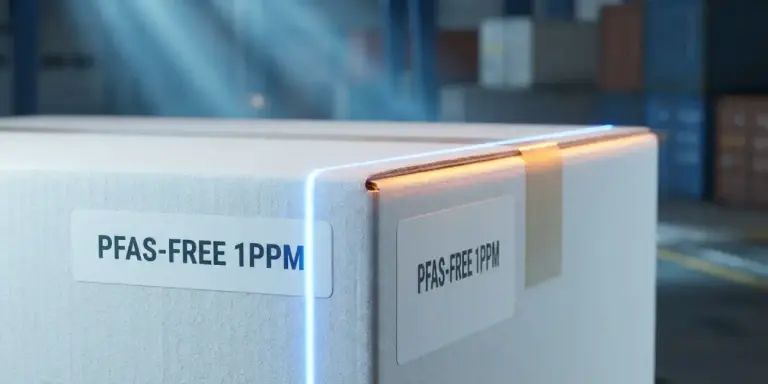
Table of Contents
The grace period is over. As of February 2026, state-level bans in the US and broader EU REACH restrictions have shifted from "future compliance targets" to active enforcement on recyclable barrier coatings and adhesive supply chains.
For Sustainability Officers, the nightmare scenario isn't just knowing you have PFAS; it's the "Ghost PFAS"—trace amounts of fluorine detecting in adhesives that were never intentionally added. Audit food-safe paper packaging, PFAS-free metallocene bonding, and plastic-film-free barrier transition as one program—not three separate labels.
"The deadline didn't just pass; the enforcement has begun. If your adhesives aren't third-party certified PFAS-free down to 1ppm, you are risking immediate container rejection at Rotterdam or New York."
The "Ghost" Contamination Crisis: Why Audits Fail
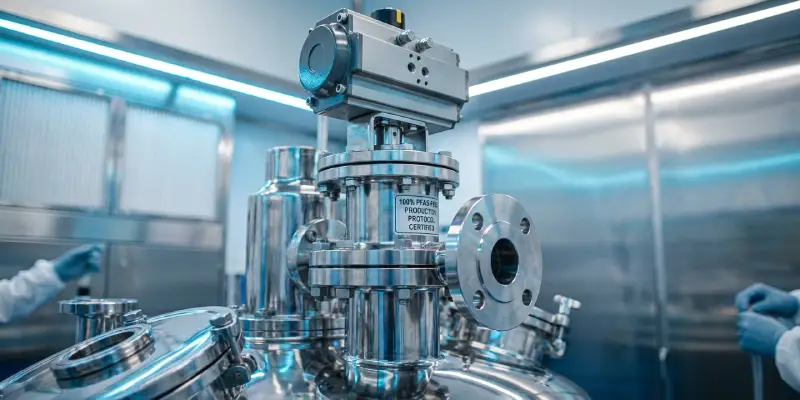
We are seeing a surge in audit failures among manufacturers who switched to "PFAS-Free" labels but failed to audit the secondary supply chain. "Non-Intentionally Added Substances" (NIAS) are the new enemy. These traces enter via contaminated mixing vats or nozzle cleaning agents used by legacy suppliers.
At Senda, we transitioned our entire reactor fleet to PFAS-free protocols two years ago. Here is how the new compliance landscape stacks up against the risks of legacy adhesives:
Status: High Risk. Excellent oil resistance, but actively targeted by customs. Subject to remediation fines and immediate delisting by major retailers.
Status: Certified Compliant. 100% PFAS-Free. Uses engineered nanocellulose polymers to match fluorine performance. Safe for -45°C blast freezing.
Status: The Silent Killer. Adhesives labeled "Green" but processed on dirty lines. Frequently fail sensitive 2026 EPA reporting limits (1 ppm detection).
Cost Factor: While PFAS-free grades cost ~12% more initially, they eliminate the €7k/tonne fines and customs detention fees, resulting in net savings.
Performance Reality: FreeSeal 410 at -45°C
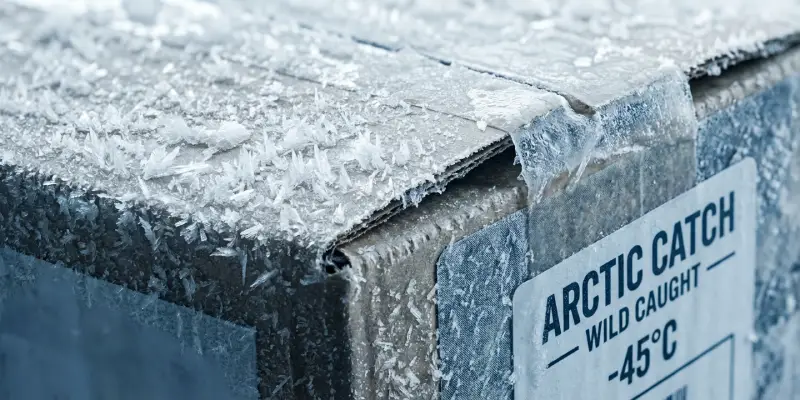
The industry myth was that you needed fluorochemistry for cold-chain resistance. That myth has been busted. For the past 12 months, our FreeSeal 410 has been running in commercial blast freezers for frozen seafood packaging.
Problem: Port Detention (Trace Fluorine)
Symptoms: Goods held at customs for "Chemical Screening"; unexpected bills for demurrage (storage) fees; retailers cancelling contracts due to non-compliance.
Solutions:
- Activate Senda's Screener: Use our "2026 Supply Chain Fluorine Screener" to detect NIAS down to parts-per-billion before shipping.
- Audit Cleaning Agents: Ensure your production lines aren't being cleaned with fluorinated solvents that leach into new "safe" glue.
- Demand Third-Party COA: Do not accept a manufacturer's word. Require an independent lab report confirming <1ppm total organic fluorine.
The Financial Argument: Cost vs. Compliance
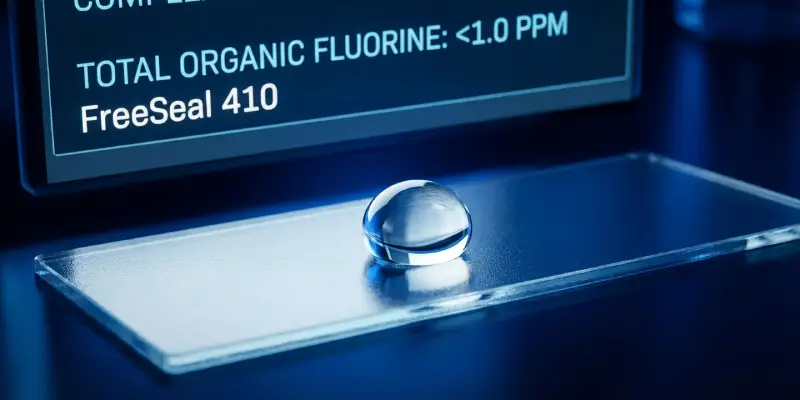
In a recent case study with a 5000-ton/year paper straw plant, the transition to Senda FreeSeal initially raised raw material costs by €28k/month. However, by eliminating customs detention fees (€7k/quarter) and reducing rejection rates by 52% (due to superior bond consistency), the client realized an annual saving of €236,000.
Is Your Supply Chain Clean?
Don't let "Ghost PFAS" ground your shipments. Request a sample of FreeSeal 410 and our 2026 Regulatory Compliance Pack today.
Request Fluorine Screen & SampleSenda Technical Verdict
- Verify the "Free" Claim: A "PFAS-Free" label is marketing. A Total Organic Fluorine (TOF) test report <1ppm is engineering proof. Demand the latter.
- Watch the Cleaning Crew: Adhesives often get contaminated by the maintenance process. Audit the solvents used to clean your melting tanks.
- Performance Parity Exists: Do not accept "lower performance" as the price of compliance. Our FreeSeal 410 proves you can hold a bond in deep freeze without the toxins.
Frequently Asked Questions
What is "Ghost PFAS" or NIAS in adhesives?
NIAS stands for Non-Intentionally Added Substances. This occurs when "PFAS-free" adhesives are contaminated by trace amounts of fluorine from dirty mixing vats, piping, or cleaning agents used by legacy suppliers.
Are there PFAS-free adhesives that work in deep-freeze environments?
Yes. Senda FreeSeal 410 is specifically engineered to maintain bond integrity in blast freezers down to -45°C, showing cold-chain performance can be screened on PFAS-free grades when bond and coat are qualified together.
What testing do buyers request for PFAS screening in 2026?
Many buyers request Total Organic Fluorine (TOF) or related fluorine screening on adhesives and coatings. Requirements vary by retailer, port, and destination—confirm the protocol in your purchase spec.
How does switching to PFAS-free adhesives impact the Total Cost of Ownership (TCO)?
While raw material costs may increase slightly (~12%), the transition eliminates the risk of heavy fines (often €7k/tonne), demurrage fees from customs detentions, and the total loss of rejected cargo.
Is a self-declaration from a supplier enough for a safety audit?
No. Due to the risk of "Ghost PFAS," self-declarations are often insufficient. Regulatory auditors and major retailers now demand independent third-party lab reports confirming the absence of trace organic fluorine.
Request PFAS-screened barrier grades
Complimentary 1 kg lab material for qualified barrier programs—courier prepaid by recipient.
References
Technical Disclaimer: All technical data is based on standard laboratory conditions. Users should perform their own verification testing to confirm suitability for specific substrates, processes, and regulatory requirements. Senda Glue makes no warranties, express or implied, and assumes no liability for improper use of the products or reliance on this information.