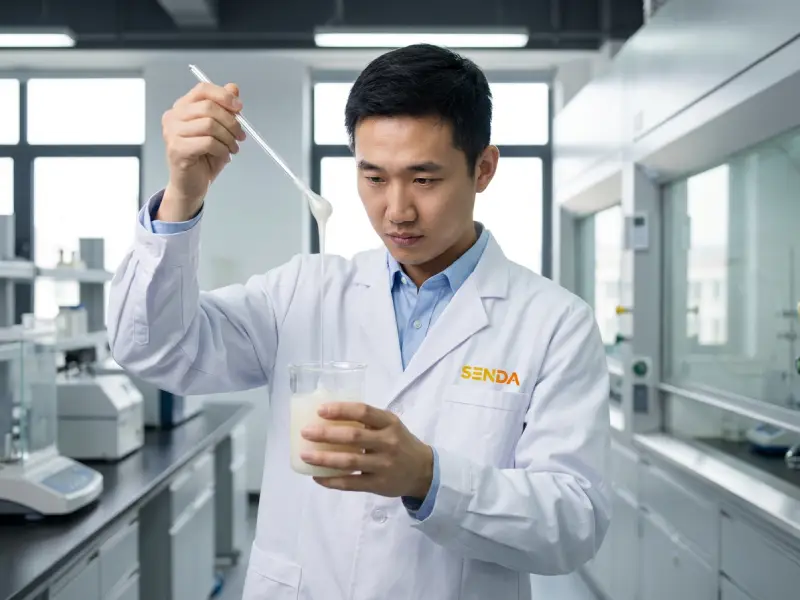
Bookbinding & Stationery Adhesives for Bindery & OEM Programs
Hub for perfect binding (PUR/EVA), hardcover case making, stationery OEM (PVA & glue sticks), and luxury rigid-box finishing. Factory-direct qualification—complimentary 1 kg lab screen → line trial → bulk supply.
*Complimentary 1 kg lab material · shipping prepaid by recipient. Pick your program below—or share binder, casemaker, or OEM specs for routing.*

4 Programs
Binding, case, stationery OEM, luxury box
1 kg → 20 kg
Lab screen then binder or fill-line trial
TDS + SDS
Technical Data Center and audit packages on request
HM + WB
Hot-melt bindery and water-based OEM routes
Choose Your Bookbinding or Stationery Program
Each line has dedicated specs, compliance path, and sample workflow—page-pull, anti-warp, washability, or seam aesthetics matched to that bond station.
Perfect Binding (Spine & Side)
PUR/EVA hot melts for spine and side gluing—page-pull and cutoff qualified on your coated/digital stock.
Hardcover & Case Making
Case wrap and casing-in on grey board, cloth, and laminate—anti-warp and bubble screening on your casemaker.
Stationery & Office Adhesives
Bulk PVA and glue-stick routes for OEM programs—EN 71-3 / ASTM statements per grade, fill-line stability.
Luxury Print Finishing
Rigid gift and jewelry boxes—non-staining wraps, low-odor grades, soft-touch and foil wet-out qualification.
Custom Bindery Challenge
Unusual substrate, speed window, or sensory spec? Share binder or wrap details for a qualification path.
Why Bindery & OEM Teams Start at This Hub
Four commercial programs, clear program routing, and qualification language aligned to each station—not one generic “book glue” list.
Right Program, Right Page
Compliance by End Use
Qualify Before Bulk
Technology Platforms Behind These Programs
Match hot-melt, water-based, or compliance documentation to the station—not one chemistry for every bindery.
Hot-Melt Adhesives
PUR and EVA routes for perfect binding and selected packaging bonds—page-pull and char screened on your line.
Water-Based Adhesives
VAE, PVA, and protein (jelly) routes for case making, stationery OEM, and low-moisture wrap programs.
Stationery Safety & OEM
EN 71-3 / ASTM D-4236 paths for school and craft SKUs—start on the stationery program before retail submission.
Factory-Direct Supply & Line Screening
Source manufacturer for bindery and stationery lines: batch documentation, substrate-matched grades, and chemist support when your binder or casemaker needs tuning.
- Consistent batches with TDS and SDS for the grade you approve—traceability when your customer audit requires it.
- Line-side screening on your paper, board, or wrap—page-pull, flatness, washability, or seam targets before bulk MOQ.
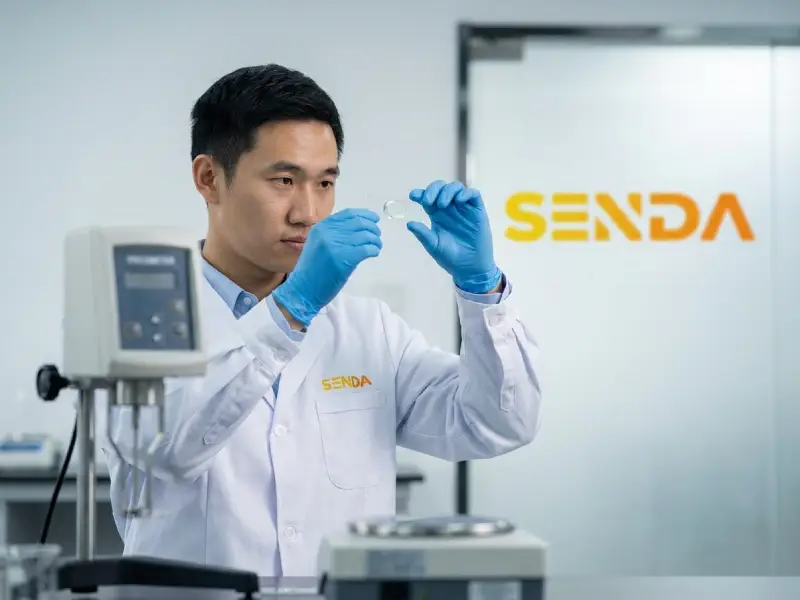
Bindery & Stationery Documentation Support
Regulatory fit depends on application and end use. We provide TDS, SDS, and compliance statements for the grade you nominate—not blanket “certified safe” badges.
Common Documentation Paths
Request an audit package when your customer or retail program requires batch paperwork.
- EN 71-3 (Educational stationery and children’s books (per grade))
- ASTM D-4236 (US art-material labeling support on request)
- FDA 175.105 (Indirect-contact routes for gift food packaging (structure-dependent))
- REACH & RoHS (Statements on request for export programs)
Batch-level TDS, SDS, and compliance notes scoped to your nominated grade and program.
We run perfect binding and a school-glue OEM line—Senda’s team pointed us to the right programs for each line and kept page-pull vs fill-line documentation separate instead of one “strongest glue” pitch.
Technical Proof (Optional Reading)
After you pick a program above, use these for deeper reading—not a substitute for program-specific samples.
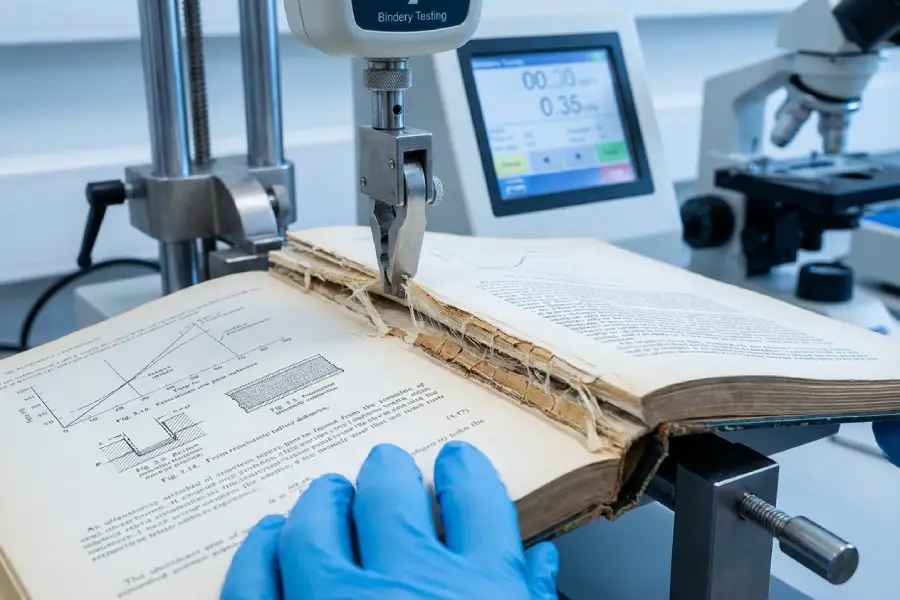 CASE STUDY
 Case Study: Textbook Spine Durability
How a textbook printer improved page-pull and spine flex validation on demanding coated stocks with a PUR route.
Read the Full Story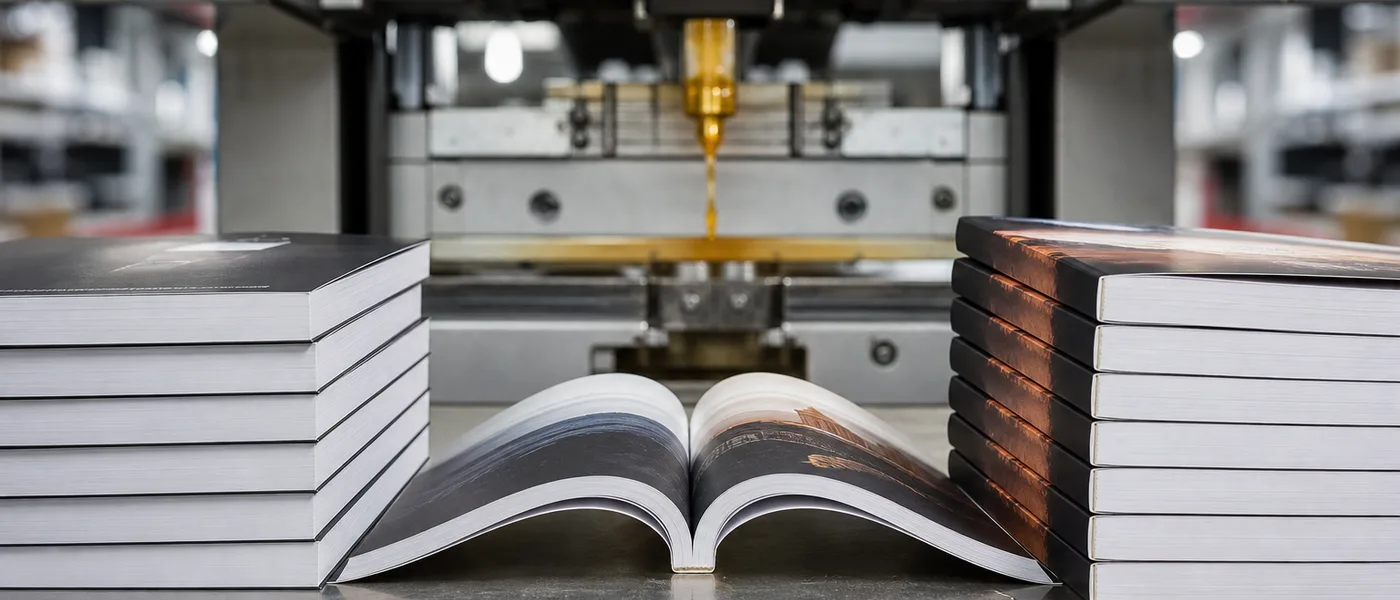 TECHNICAL GUIDE
 Guide: PUR vs EVA for Bookbinding
When to use reactive PUR vs EVA hot melt—spine prep, pot life, and coated-stock trade-offs before you trial.
Read Full ArticleFrequently Asked Questions
Which page should I use for my line?
Use the application grid: spine binding → perfect binding; grey-board covers → hardcover & case making; school/office OEM → stationery adhesives; luxury rigid boxes → print finishing.
What are MOQ, lead time, and samples?
MOQ is typically ~1,000 kg per approved grade. Lead time is often 7–10 business days. Start with complimentary 1 kg lab material (recipient prepaid shipping), then 20 kg binder, casemaker, or fill-line trials for that application.
Is the 1 kg sample free? Who pays shipping?
The 1 kg lab material (200 g–1 kg) is complimentary for qualified screening. Courier freight is prepaid by the recipient (liquid formulations ship prepaid only). 20 kg trials are quoted separately.
When should we choose PUR instead of EVA for our perfect binding line and book structure?
Depends on stock, spine prep, and lay-flat targets—see the PUR vs EVA guide (Resources) and qualify on perfect binding with page-pull on your paper.
How do I limit warping in hardcover case making?
Match solids and water add-on to board caliper—qualify on hardcover & case making with flatness after drying and conditioning, not only at the casemaker exit.
Do you support private-label stationery OEM?
Yes—bulk PVA and glue-stick routes on the stationery adhesives page. Share pack format, safety market (EU/US), and fill-line speed for screening.
Where do I get TDS, SDS, or audit documents?
Use technical resources (`/technical-resources`) or request an audit package with your sample request.
Can your adhesives run on Müller Martini or Kolbus lines?
Share your binder model, glue unit, and speed window on the perfect binding program—we screen cutoff and stringing on your stock in trial, not from a generic cycles/hour claim.