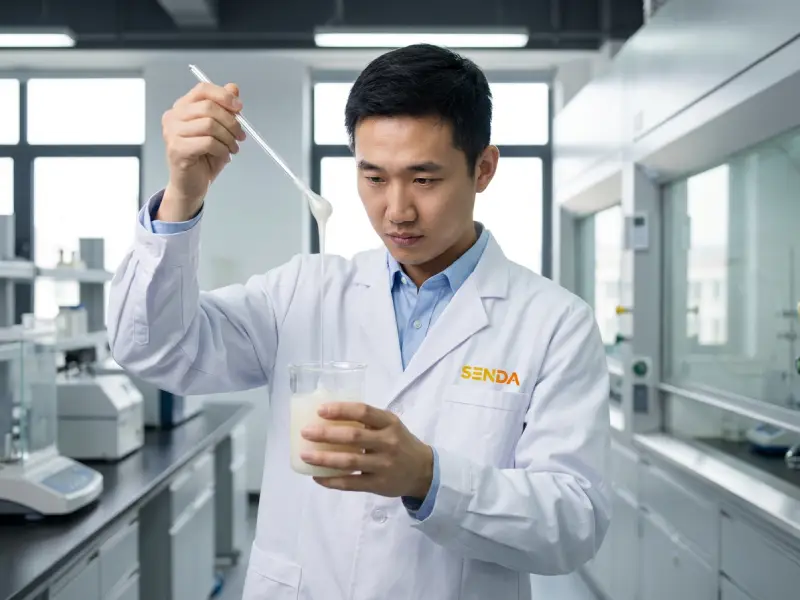
How to match PSA to plastic face stocks and liners in packaging: surface energy on PE/PP/PET, coat weight, humidity and cold chain, FDA 175.105 vs marketing claims, and when hot melt fits better than PSA.
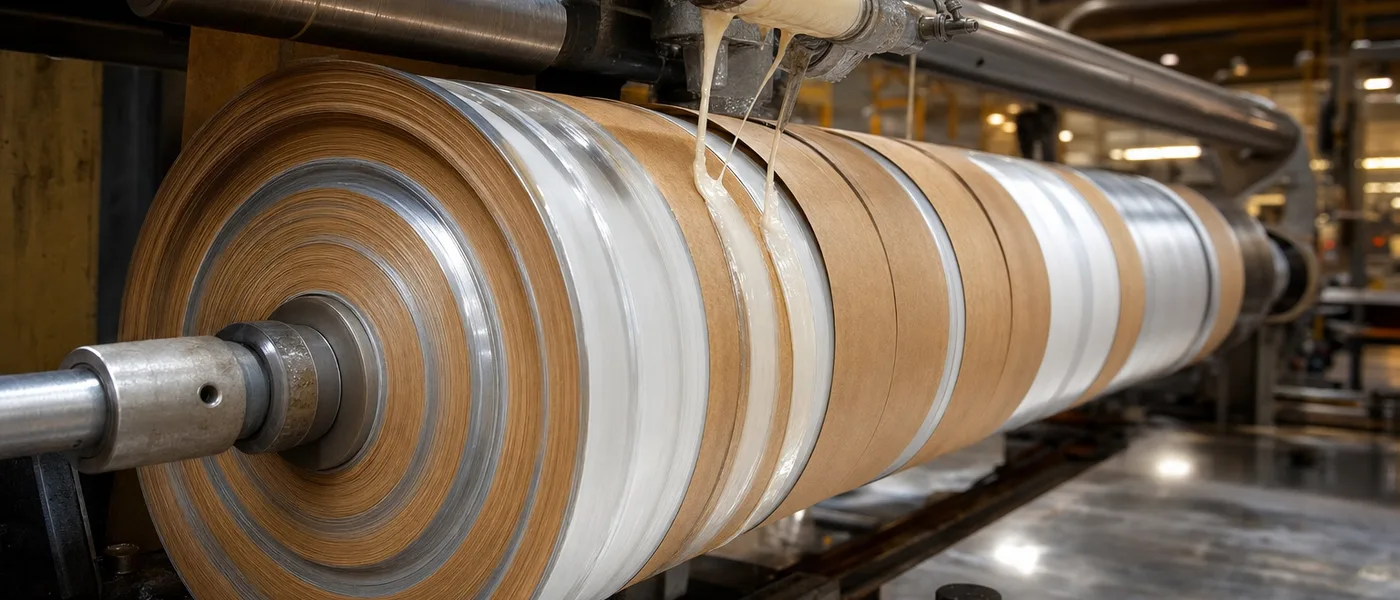
Machine-side guide for composite can winding: glue temperature, mandrel speed, paper tension, foil/PET liner tack, MAP seam integrity, and organoleptic qualification for food canisters.
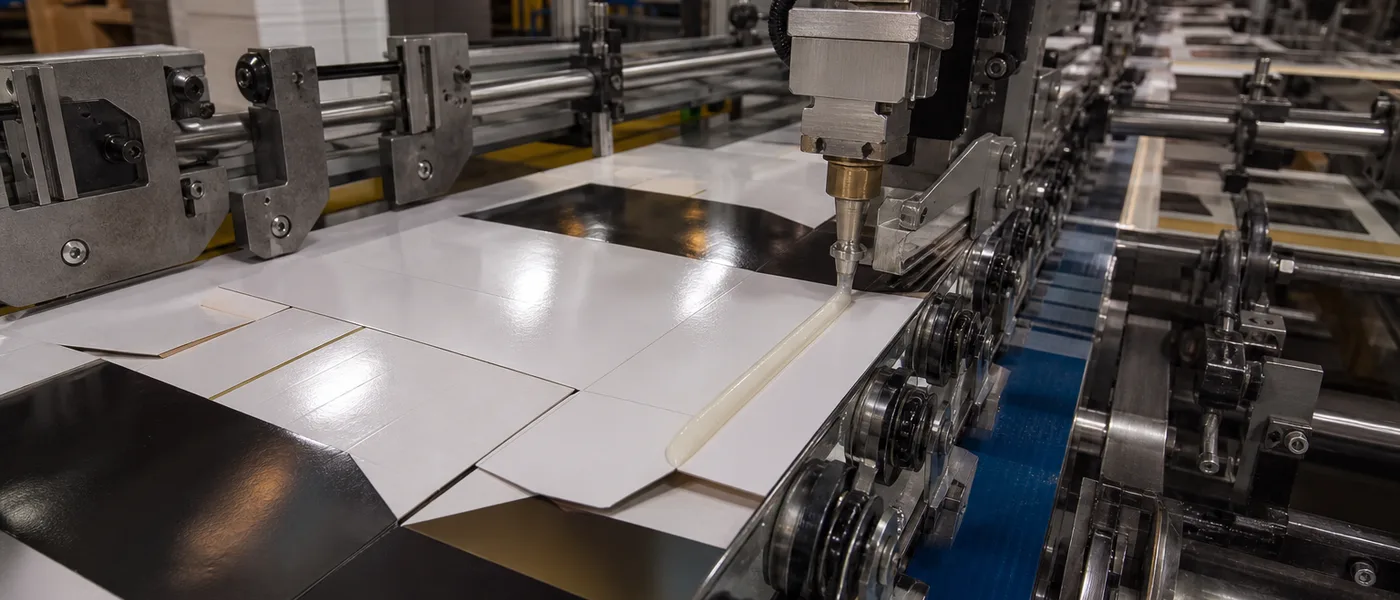
Stop pop-opens on UV varnish, metallized board, and aqueous-coated cartons. A machine-side guide to surface energy, glue wheel and nozzle setup, bond zones, and when metallocene hot melt beats standard EVA on difficult stocks.
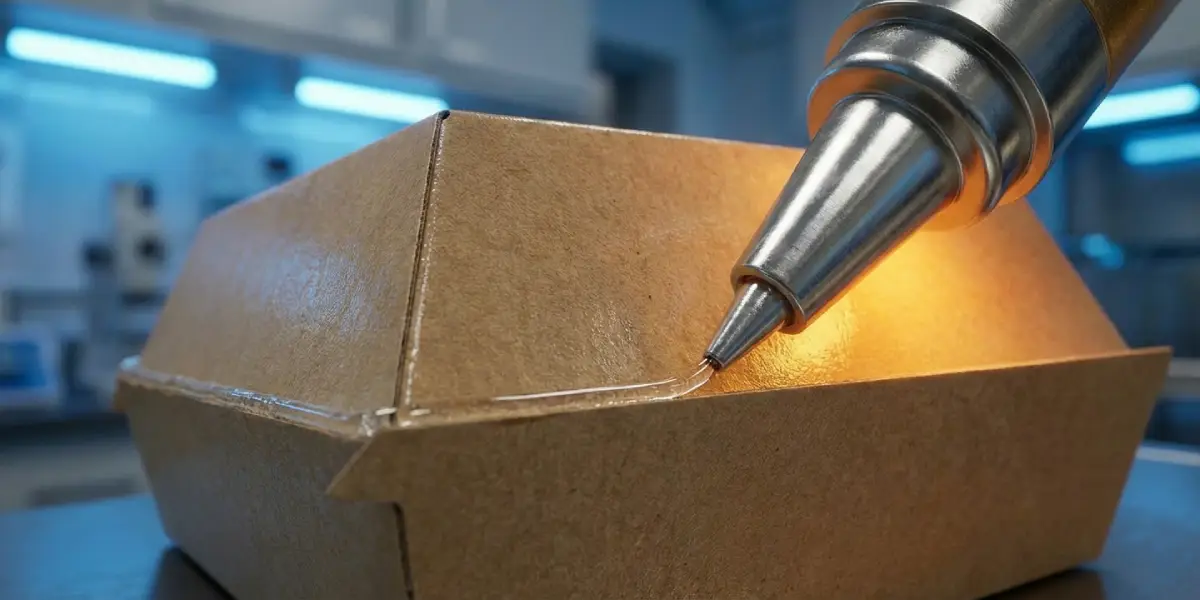
Hot-melt adhesive viscosity is one of the most critical properties that determines application success in manufacturing. Understanding how viscosity affects performance, application methods, and end-product quality is essential for selecting the right adhesive for your specific needs.
A premium packaging converter stabilized a luxury rigid-box launch by qualifying a low-water, odor-neutral adhesive route around seam appearance, textured-wrap control, and sensory review instead of treating dry bond strength alone as the release criterion.
A secure-mail converter qualified one adhesive system across kraft paper and Tyvek envelope formats, reducing peel-back risk while keeping high-speed sealing clean and resistant to steam-based reopening.
A logistics-label converter stabilized winter scan reliability on recycled corrugated by switching to a PSA system that improved cold tack, protected direct-thermal face stock, and kept die-cutting clean at production speed.
A packaging converter improved easy-open performance on corrugated packs by switching to a tear-tape PSA route that strengthened anchor bond, cleaned up cut-through, and reduced complaints about ragged opening and tape snap.
A beverage packer replaced a char-prone hot melt with a metallocene case-sealing route that kept nozzles cleaner over a six-month qualification window, improved adhesive mileage, and held fast set on recycled corrugated.
A composite-can converter reduced sensory risk on premium tea packaging by switching to a lower-odor lamination system that improved organoleptic confidence while keeping foil-to-paper bonding stable on the winding line.
A premium case-making converter stabilized cloth and laminated cover production by moving to a lower-moisture adhesive program that kept grey board flatter, gave trapped air more time to escape, and reduced corner-lift pressure on automated casemakers.
An industrial components supplier improved coating consistency by standardizing a rust-conversion route around corrosion level, prep method, and primer handoff instead of relying on uneven manual treatment across mixed-corrosion steel parts.
A converted-materials supplier shortened qualification and reduced field edge-lift pressure by matching industrial PSA chemistry to coated-film wet-out and foam-lamination shear demands instead of chasing tack alone.
A specialty surface-components producer stabilized a flocking program by matching adhesive laydown and anchorage to coated-board behavior, reducing visible density variation and post-brush fiber loss on premium inserts.
A pharmaceutical folding-carton converter stopped UV-coated side-seam pop-opens in validated lots by moving to a deeper-penetrating adhesive package tuned for varnished board and folder-gluer compression.
A foodservice packaging converter replaced permanent closure logic with a dry-clear PSA route that could be pre-applied, survive warm delivery handling, and reopen cleanly on bagasse and wood-fiber trays with coated sealing surfaces.
Periodic updates on adhesive qualification, compliance pathways, and converting best practices.
We care about your data in our privacy policy . Unsubscribe anytime.
Chat with us
Before you leave
Need a safer way to qualify adhesive on your line?
Send your substrate, line speed, and application target. We can suggest a 1 kg lab sample path or the right technical document before you commit to a production trial.
We use cookies to enhance your browsing experience, analyze site traffic, and personalize content. By clicking "Accept All", you consent to our use of cookies. Cookie Policy
For visitors in the EEA, UK, or Switzerland, analytics and marketing cookies stay off until you opt in.For visitors outside the EEA, UK, and Switzerland, analytics may load by default, and you can opt out at any time.

 Guide
Guide