A practical comparison for beverage brands: drink-life, sensory feel, line complexity, direct-contact compliance, sustainability tradeoffs, and where paper still needs stronger adhesive engineering to compete with plastic.
Table of Contents
- ·Start With the Use Case, Not the Material Narrative
- ·Consumer Performance: Where Plastic Still Has the Easier Job
- ·Manufacturing Complexity: Plastic Is Simpler, Paper Is More Tunable
- ·Compliance and Audit Risk
- ·Sustainability: Paper Wins the Optics, but Not Automatically the End-of-Life
- ·Total Cost: Unit Cost vs. Program Cost
- ·When Paper Is the Better Choice
- ·Final Takeaway
- ·Frequently Asked Questions
The honest comparison is not "paper good, plastic bad." Plastic still wins on raw wet endurance and process simplicity. Paper wins when policy pressure, retailer requirements, and brand positioning make single-use plastic a strategic liability. The real engineering task is deciding whether your paper straw can deliver enough consumer-use performance without creating a manufacturing or compliance mess upstream.
This guide is for beverage brands, converters, and straw manufacturers deciding whether a paper format can replace plastic in a specific drink program. It complements our paper straw manufacturing guide and the application detail on paper straw adhesives.
Start With the Use Case, Not the Material Narrative
A smoothie chain, a UHT juice brand, and a quick-service iced tea program are not running the same straw problem. Compare formats by dwell time in liquid, drink temperature, straw diameter, consumer chewing behavior, and whether the product must survive delivery hold time before the first sip.
Decision Frame
Usually the most workable paper conversion path if the straw holds structure for the full expected drink window.
Large IDs and slower sipping magnify collapse risk, so winding quality and wet strength matter much more.
Paper can work, but heat plus long contact time exposes weak adhesive selection faster than cold programs do.
Humidity exposure before use can be just as damaging as the drink itself if wrappers or storage are poorly controlled.
Consumer Performance: Where Plastic Still Has the Easier Job
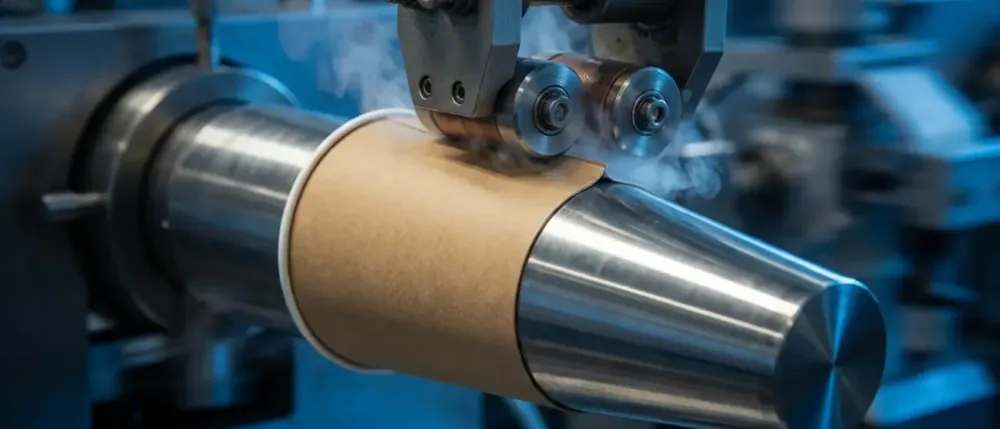
Plastic straws are forgiving because the polymer tube itself carries the structural load. Paper straws rely on a multi-ply paper structure plus a direct-contact adhesive system that must keep layers locked together while the paper is absorbing moisture. That means paper performance lives or dies on spiral winding quality, coat weight, and water resistance, not on material choice alone.
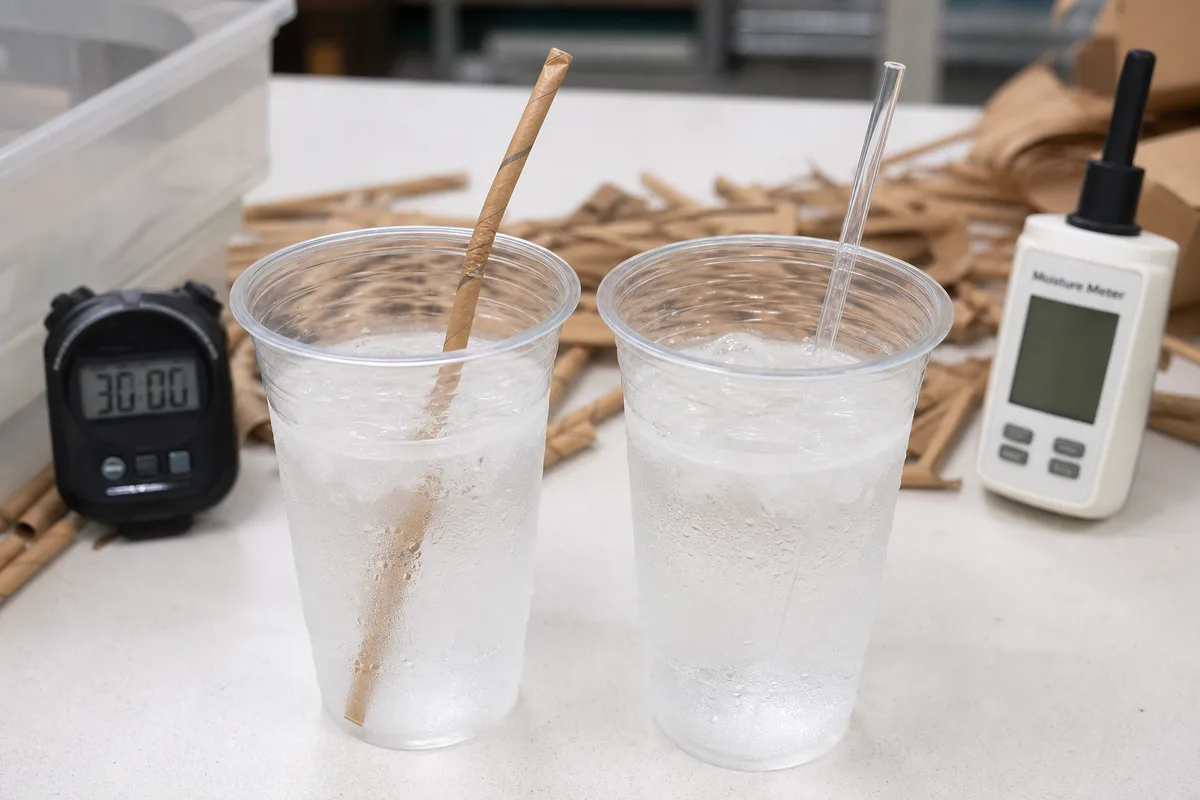
- Plastic benchmark: Excellent wet endurance and low variability in consumer use.
- Paper benchmark: Good consumer acceptance only when the bond line resists layer lift, softening, and tip crush.
- Sensory question: Paper must control taste, odor, and mouthfeel as carefully as it controls soak time.
Manufacturing Complexity: Plastic Is Simpler, Paper Is More Tunable
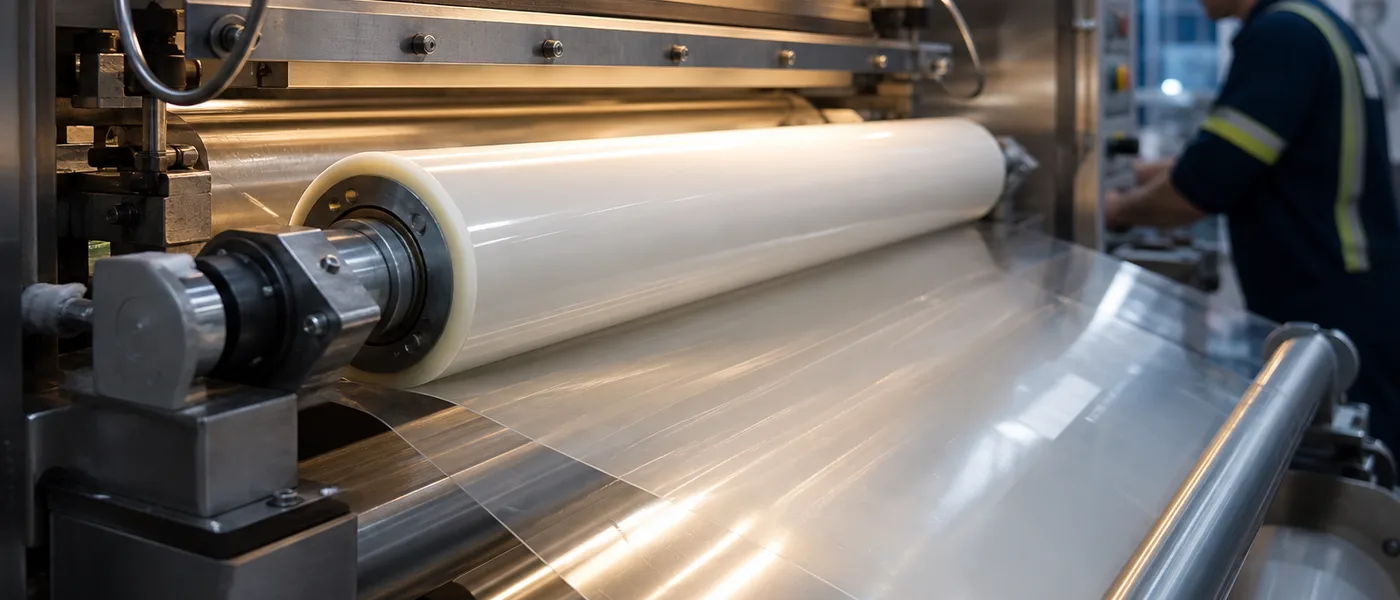
Extruded plastic straws are largely a polymer-processing problem. Paper straws are a paper + adhesive + line-setting problem. You can improve them through adhesive solids, viscosity, winding tension, and cure control, but that also means more variables to qualify.
What Usually Fails First
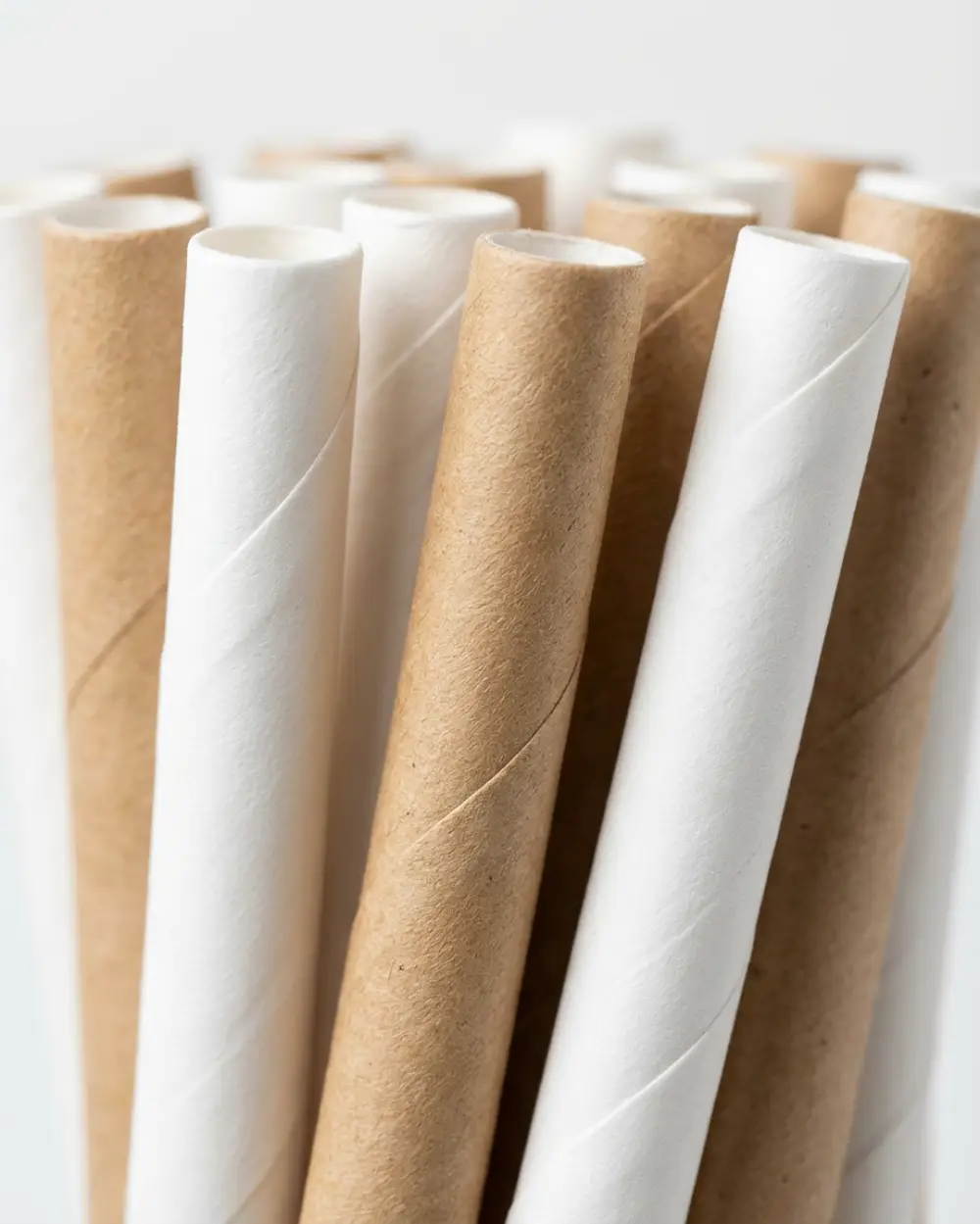
When brands say paper straws are "too soggy," the failure is often not paper itself. It is usually one of three things: insufficient wet tack during winding, incomplete cure before packing, or an adhesive route that clears general packaging use but is weak for prolonged direct-liquid service.
Compliance and Audit Risk
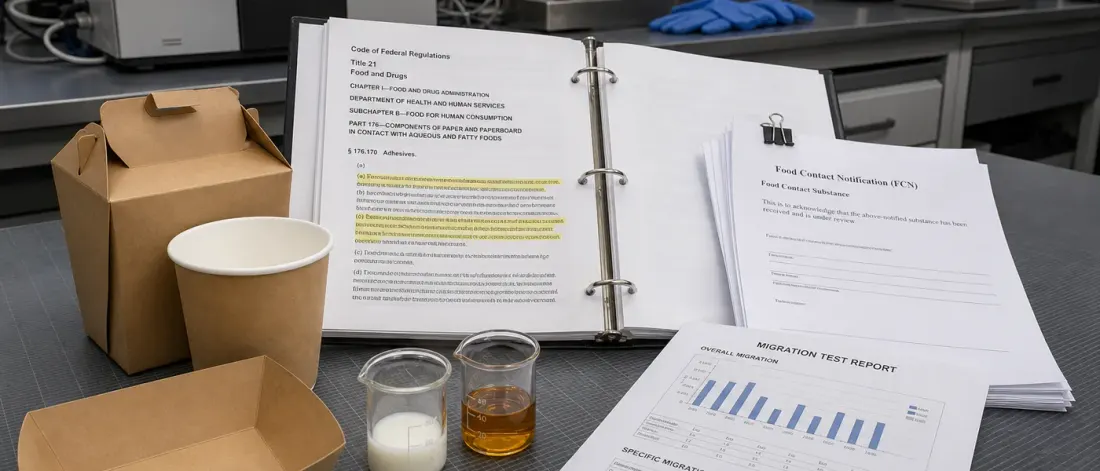
For direct beverage contact, the conversation should move beyond a vague "food safe" label. Paper straws are a direct-contact paper article, so your documentation path has to match that reality. Our baseline explainer on food-safe adhesives lays out why a direct-contact route is different from an indirect carton-closing claim.
That matters because a brand replacing plastic with paper often increases its documentation burden even while reducing plastic exposure risk. The material story gets greener, but the supplier-qualification work gets stricter.
Trying to Make Paper Straws Feel Less Like a Compromise?
Review the adhesive routes that usually decide cold-drink dwell time, winding stability, and whether the straw survives customer use without tip crush.
See Straw Adhesive OptionsSustainability: Paper Wins the Optics, but Not Automatically the End-of-Life
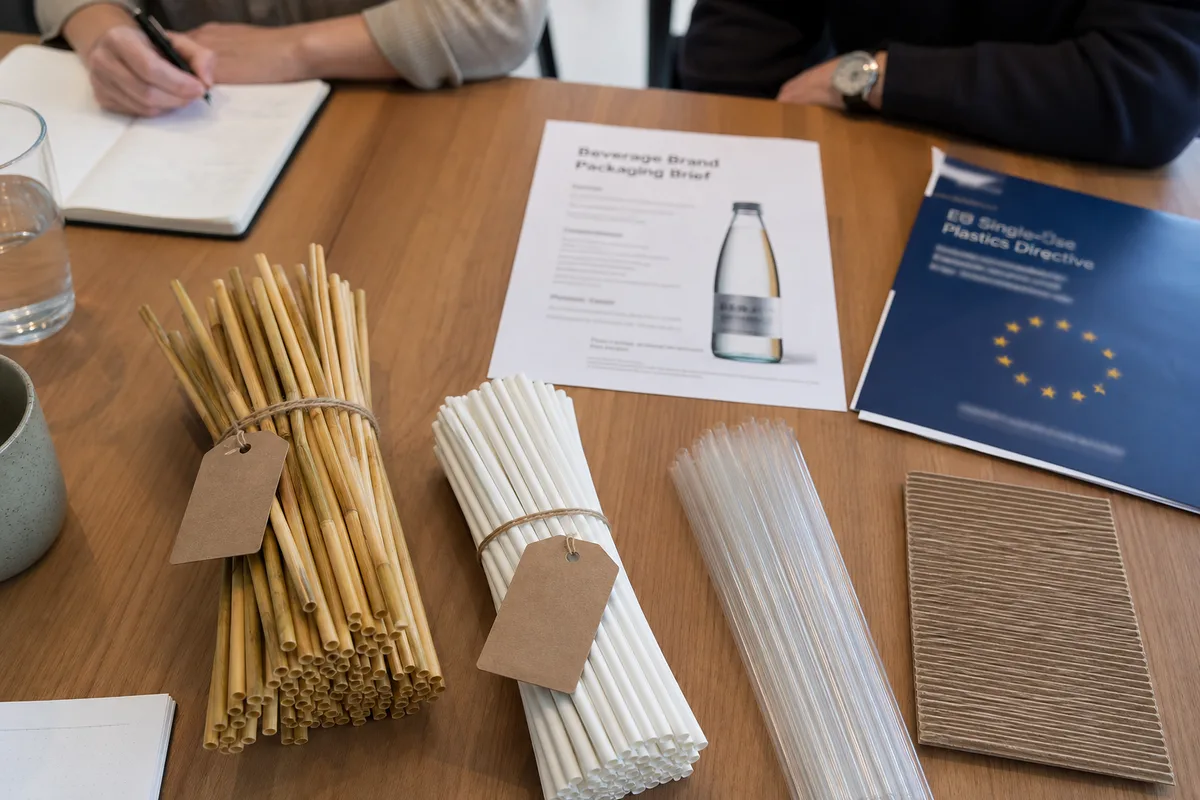
Paper straws usually align better with anti-plastic programs and consumer expectations, but they are not automatically recyclable, compostable, or low-impact in every market. Additives, coatings, and poorly chosen wet-strength systems can undermine the end-of-life story. A better question is whether the structure balances use performance with credible disposal pathways.
Total Cost: Unit Cost vs. Program Cost
Plastic often still wins on unit economics. Paper can win on program cost when it helps a brand stay aligned with retailer scorecards, plastic-reduction commitments, or local restrictions. The trap is forcing paper into service conditions it cannot hold; then you pay twice through complaints, scrap, and requalification cycles.
- Count complaint risk: One failed drink experience can erase the sustainability message immediately.
- Count QA burden: Paper conversion needs tighter supplier documentation, line trials, and storage discipline.
- Count brand value: For some brands, removing visible plastic has real commercial value beyond resin cost.
When Paper Is the Better Choice
- You can define a realistic drink-life target and validate it on production straws.
- Your converter can control winding, cure, and direct-contact adhesive selection.
- Retail, export, or brand policy makes visible plastic strategically expensive.
- You are prepared to qualify the straw as a system, not just buy a greener-looking tube.
Final Takeaway
Plastic remains the easiest material to make durable. Paper becomes the smarter business choice when policy pressure and brand optics matter enough to justify tighter engineering discipline. If you move to paper, treat the straw as a direct-contact converting system and validate dwell time, sensory neutrality, and bond integrity before launch.
Frequently Asked Questions
Are paper straws always worse than plastic in real use?
No. Poor paper straws feel much worse, but a well-wound paper straw with the right direct-contact adhesive can stay functional for the intended drink window. Plastic still has a higher raw durability ceiling, but paper performance is tunable.
How long should a paper straw last in a cold drink?
It depends on the beverage, diameter, and usage pattern. The right target is not a generic number but the full consumer-use window for your drink program, including time between serving and first sip.
Does switching from plastic to paper automatically solve sustainability concerns?
No. The end-of-life outcome still depends on the paper structure, additives, coatings, and local waste infrastructure. Paper improves the single-use plastic story, but it still needs honest disposal and recycling logic.
What documentation matters most when qualifying paper straws?
Direct-contact food documentation, adhesive composition clarity, and evidence tied to your actual use conditions matter more than a vague supplier claim that the straw is simply “food safe.”
Qualify bond and soak performance
Complimentary 1 kg lab material for qualified straw lines—courier prepaid by recipient.
References
Technical Disclaimer: All technical data is based on standard laboratory conditions. Users should perform their own verification testing to confirm suitability for specific substrates, processes, and regulatory requirements. Senda Glue makes no warranties, express or implied, and assumes no liability for improper use of the products or reliance on this information.