Recyclable Barrier Coatings for Paper Cups, Foodservice & Fiber Formats
Commercial hub for repulpable barrier coatings on fiber packaging. Narrow liquid, grease/OGR, or multifunctional routes—then review linked application notes and supporting guides for cup stock, food-contact review, and PE-transition tradeoffs.
Pick your format below—or share basis weight, barrier target, and coating method. Cup seam adhesive and heat-seal lidding are qualified through separate routes.

Holdout
Water, grease, and moisture targets screened per structure
Converting
Forming, print, and fold compatibility on your board
Repulpable
Mill-dependent recovery reviewed with your nominated grade
Where Recyclable Barrier Coatings Fit Best
This is a technology hub—each tile routes to a product program or qualification tool. Match your package format, then screen holdout on that page.
Paper Cups & Bowls
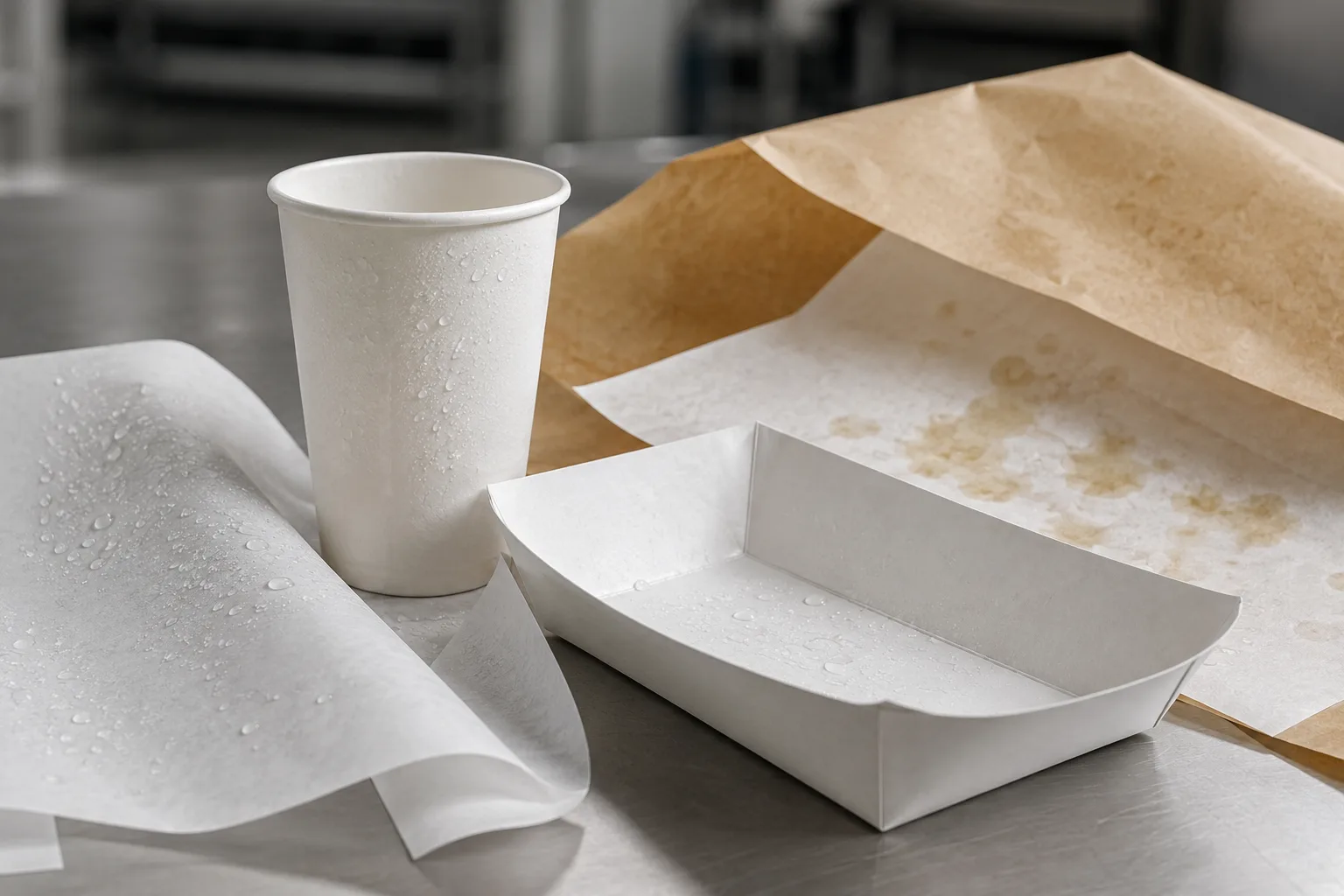
Aqueous barrier on cup stock—liquid holdout, forming, and stack behavior screened separately from side-seam adhesive in the cup qualification route.
Grease & Foodservice Fiber
OGR and grease holdout on wraps, trays, and formed fiber—food-contact and structure review on your pack build.
Paper Straws & Formed Products
Water resistance and mouthfeel on wound paper straws—drying profile and durability screened on your winding line.
Composite Cans & Specialty Fiber
Odor, migration, and lamination on composite can and specialty fiber structures—qualify coating weight with the full build.
PE-Transition & Plastic-Tax Review
Model repulpable switch economics before you commit coating weight—pair with aqueous barrier qualification on your stock.
Custom Barrier Route
Unusual board, coat weight, or export audit? Share structure drawings and barrier targets for a qualification path.
How to Choose the Right Barrier Coating
The right route depends on holdout target, paper structure, coating method, and approval path—not a single “barrier score” from a datasheet.
What to Check First
Failure Mode & End Use
Liquid leak, grease strike-through, or moisture creep each need different coating chemistry—define the failure mode before comparing grades.
Board, Coat Weight & Forming
Basis weight, porosity, and forming change how the barrier builds—cup wall, tray, and wrap programs rarely share one coat weight.
Structure Review & Repulpability
Holdout must survive converting and match your mill’s recovery expectations—repulp results are structure- and mill-dependent.
How We Narrow the Options
Filter by Holdout Objective
Water, grease/OGR, or multifunctional routes are compared against package type and regulatory path before grade shortlist.
Review Line & Coating Method
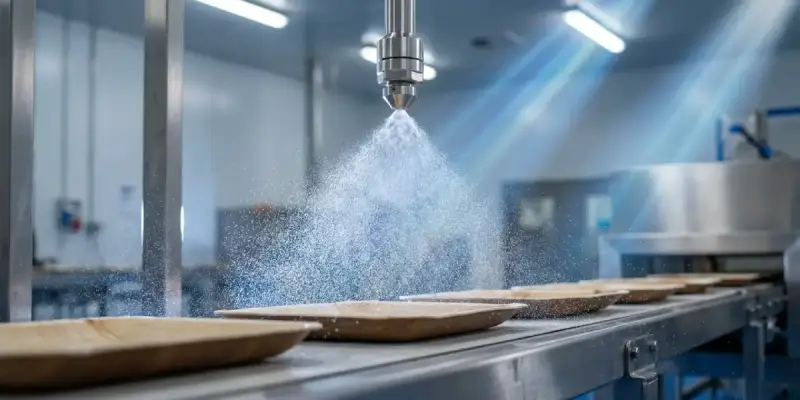
Rod, curtain, or spray plus line speed and drying energy shape workable coat weight and defect risk on your equipment.
Validate on the Full Structure
Final fit on the built pack—seam adhesive, barrier, and optional heat-seal layers reviewed together when needed.
Why Teams Shortlist Senda Barrier Coatings
Balance holdout, converting fit, and documentation—without treating every aqueous coating as interchangeable.
Structure-First Screening
Converting Fit on the Line
Documentation per Nominated Grade
Barrier Technologies by Performance Need
Water/moisture, grease/OGR, and multifunctional routes—pick the holdout stack first, then qualify coat weight on your board.
Water & Moisture Barrier
Liquid holdout on cup stock, bowls, and wraps—paired with forming and stack-release behavior on your converting line.
Grease & OGR Systems
Oil and grease resistance for foodservice fiber and quick-service packs—Kit-style holdout screened on your food simulant protocol.
Multifunctional Barrier Routes
Combined targets when moisture, grease, print, and food-contact review must balance on one structure.
When to Choose Barrier Coatings vs Film or PE Linings
Aqueous barrier coatings fit fiber-first packs that need repulpable holdout on paper workflows. Film or PE linings may still apply when extreme barrier, seal chemistry, or legacy equipment limits aqueous coat weight.
- Choose aqueous barriers when the pack stays paper-forward and repulpability or fiber recovery is part of the approval path.
- Choose aqueous barriers when grease or liquid holdout must work with cup forming, tray die-cutting, or wrap converting on your board.
- Compare film/PE carefully when the structure needs extreme barrier, legacy seal equipment, or coat weights aqueous routes cannot reach alone.
- Compare both when food-contact chapters, export audits, or plastic-tax economics shape the final structure decision.
Barrier Coating Documentation Support
Regulatory fit depends on application and market. Request TDS, SDS, and compliance notes for the grade you nominate.
Common documentation paths
FDA and REACH claims are scoped per grade and structure—not site-wide certifications.
- FDA 176.170 / 175.105 routes (Direct or indirect food-contact screening where applicable (structure-dependent).)
- REACH & RoHS (SVHC statements on request for export programs (per grade).)
- TDS + SDS (Via technical resources for operator training and plant approval.)
- Repulpability notes (Mill-dependent recovery guidance documented per nominated grade and structure.)
Batch-level TDS, SDS, and compliance notes scoped to your barrier program.

Cup forming, grease holdout, and structure review stalled three barrier options. Senda narrowed an aqueous route that matched our board, coat weight, and the approval packet our team actually filed—not a generic “PE-free” slide.
Technical Proof (Optional Reading)
After you pick an application tile, use these for deeper reading—not a substitute for structure-specific trials.
 CASE STUDY
 Case Study: Bio-Tableware Mold & Grease Control
How a fiber tableware line improved grease holdout and mold resistance after barrier qualification on areca and bagasse structures.
Read the Full Story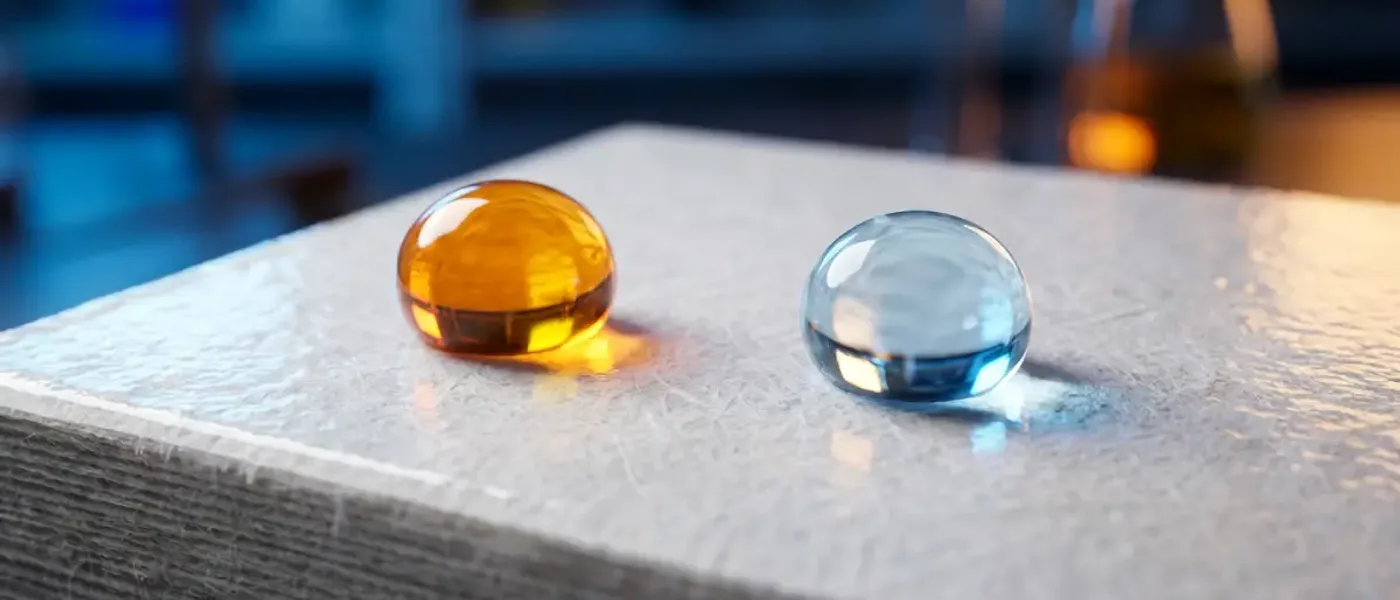 TECHNICAL GUIDE
 Guide: Film-Free Barriers & Repulpable Coatings
Compare aqueous coat weight, holdout targets, and mill recovery logic before replacing PE or film layers on paper packs.
Read Full ArticleRecyclable Barrier Coating FAQ
Commercial, holdout, and documentation answers for teams sourcing aqueous barrier systems.
What is your standard MOQ for barrier coatings?
MOQ is typically ~1,000 kg per approved grade. Lead time is confirmed at quotation. Start with complimentary 1 kg lab material (recipient prepaid shipping), then 20–25 kg structure trials for that application.
Is the 1 kg sample free? Who pays shipping?
Yes—the 1 kg lab material (200 g–1 kg) is complimentary for qualified screening. Courier freight is prepaid by the recipient (liquid formulations ship prepaid only). 20 kg production trials are quoted separately before dispatch.
How is barrier coating different from cup seam adhesive?
Barrier coating controls liquid/grease holdout on the board; side-seam adhesive closes the cup body. Many programs need both layers qualified separately—see the paper cups program and this hub for routing.
Where should food-packaging teams start when the structure, contact route, and test target are still being defined?
Start on the paper glue hub and food-contact program for FDA chapter routing, then return here for aqueous barrier coat weight on your stock.
How do aqueous barriers compare with PE or film linings?
Aqueous routes target repulpable fiber packs; PE/film may still win on extreme barrier or legacy equipment. Compare holdout, converting fit, and recovery on your structure—not marketing “drop-in” claims.
Do you claim universal repulpability, or does our paper structure need to be validated separately?
No—recovery depends on coat weight, inks, facings, and your mill. We document per nominated grade; run mill trials before you promise recyclability in market.
How does this relate to functional coatings and heat seal?
Recyclable barrier is one layer in the functional coatings portfolio. Programs that also need lidding heat seal should review the heat-seal hub in parallel.
Where do I get TDS, SDS, or compliance paperwork?
Use technical resources or request an audit package for your nominated barrier grade.