Price per pound is a false economy. Compare EVA vs. Metallocene hot melts to solve "angel hair," eliminate char, and optimize high-speed case sealing.
Table of Contents
If you ask a procurement manager what glue to buy, they look at the price per pound. If you ask a maintenance manager, they look at how many hours they spend chipping carbonized "black rocks" out of the melter. As an engineer, your job is to balance these two realities while ensuring the package actually stays closed.
There is no "universal" food packaging adhesive. The industry relies on distinct chemical architectures, each with a specific rheology profile designed for different machine speeds, service temperatures, and substrates. Understanding the difference between traditional EVA and modern Metallocene is the first step in optimizing your line efficiency.
"The cheapest adhesive per pound is often the most expensive per carton. If a low-cost EVA causes 20 minutes of nozzle downtime per shift due to charring, you have lost far more in production than you saved on raw materials."
The Chemical Hierarchy: EVA vs. Metallocene vs. Water-Based
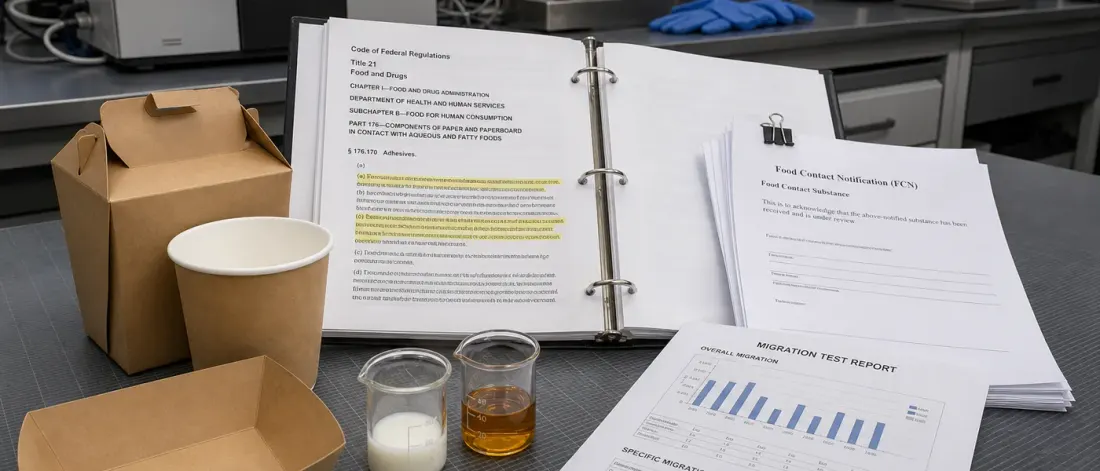
We break down food packaging adhesives into three primary categories. Your choice dictates your maintenance schedule, your bond strength, and your regulatory compliance under FDA 175.105 (see also 21 CFR text).
The traditional standard. High viscosity, lower cost per pound. Prone to thermal degradation (charring) if left idle. Best for slow-to-medium speed case sealing.
High-performance technology. Thermally stable (zero char), lower density (more volume per lb), and clean cut-off. Mandatory for high-speed auto-feed systems.
Used for lamination, folding cartons, and direct food contact applications. Requires compression time to "set" as water evaporates/absorbs.
Permanently tacky. Used for labeling, resealable flaps, and "peel-and-stick" applications. Remains soft and flexible even in cold temperatures.
Solving the "Angel Hair" Phenomenon
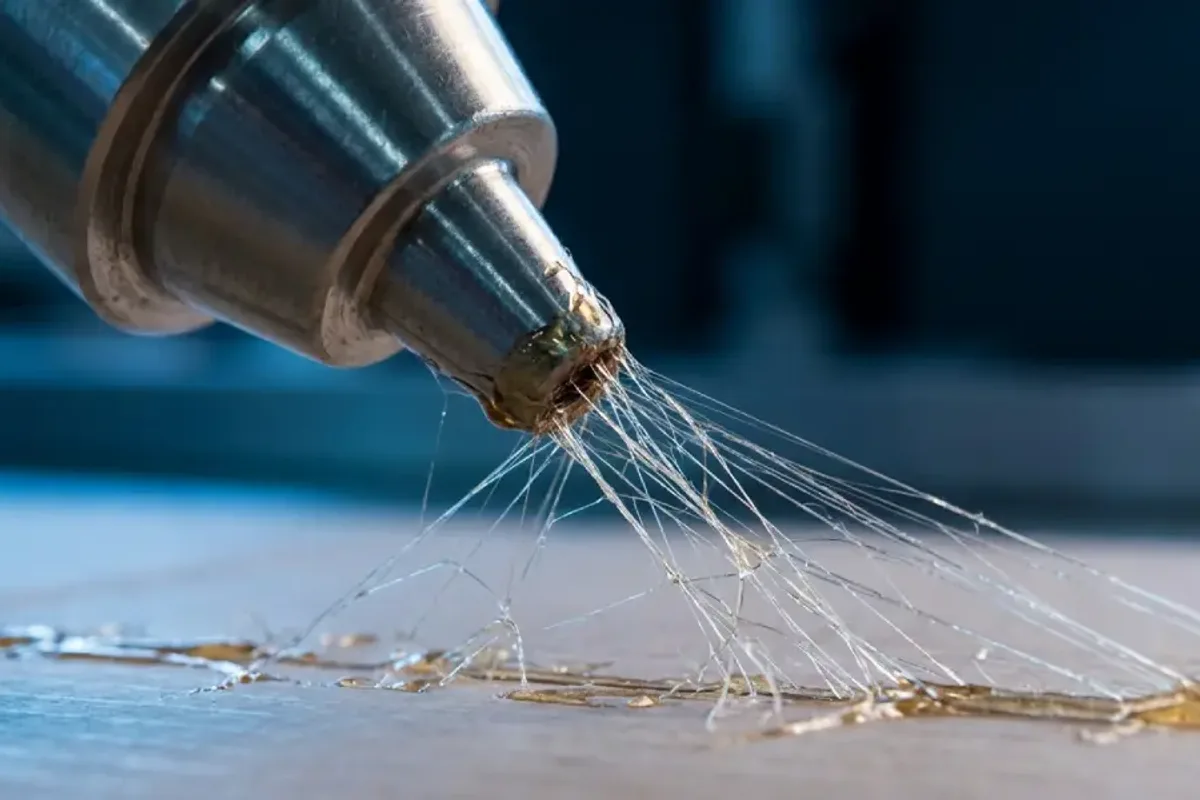
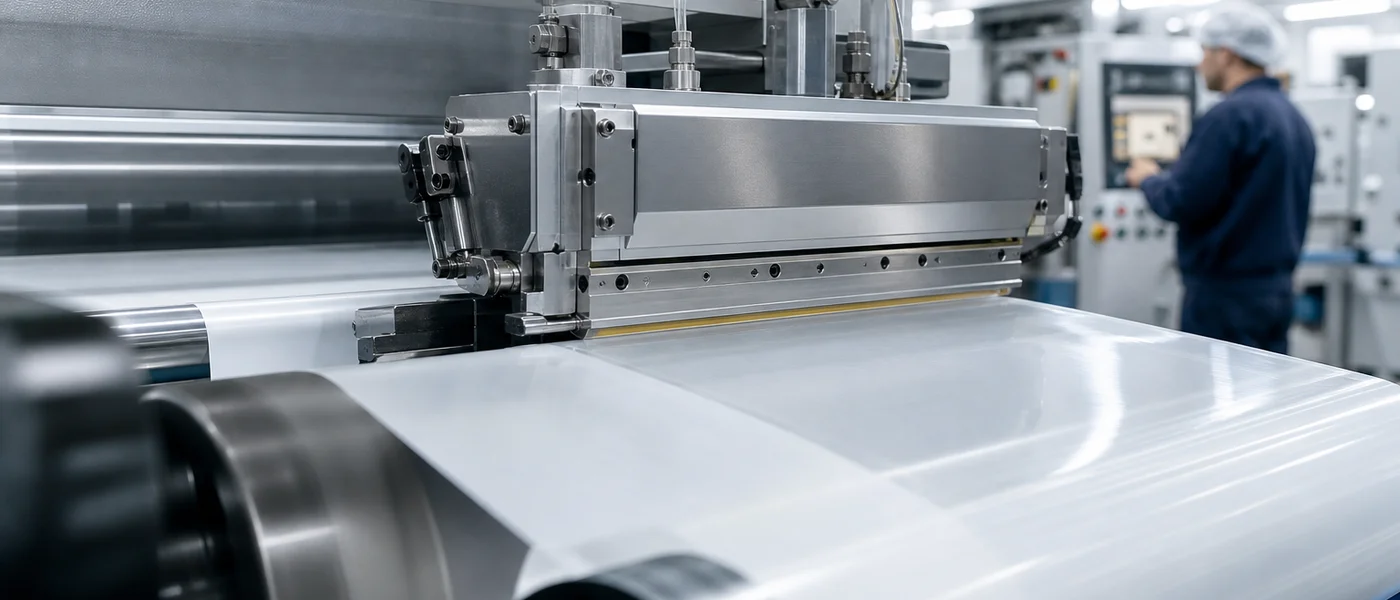
In our field audits on high-speed lines (running 50+ cartons/minute), the most frequent failure mode we identify is "stringing" or "angel hair." This occurs when the adhesive fails to break cleanly from the nozzle, spinning fine webs of glue across the production line. These webs interfere with photo-eyes, degrade package aesthetics, and gum up conveyor belts.
Our rheology data confirms this is rarely a machine fault; it is a chemistry mismatch where the adhesive's elastic modulus is too high for the cut-off speed. On UV-coated folding cartons, pop-opens are usually a wetting problem—not the same failure class as stringing on a case erector.
Problem: Stringing & Angel Hair
Symptoms: Fine threads of glue trailing from the nozzle; buildup on guide rails; photo-eye sensor errors.
Solutions:
- Check Nozzle Distance: Ensure the nozzle is close enough to the substrate to prevent "stretching" the bead.
- Verify Temperature: Running too cold increases viscosity and prevents clean cut-off. Increase temp by 5°C increments.
- Upgrade Chemistry: EVA is prone to stringing. Switch to a Metallocene grade specifically formulated for "clean cut-off" at high cycle rates.
Thermal Stability and Tank Maintenance
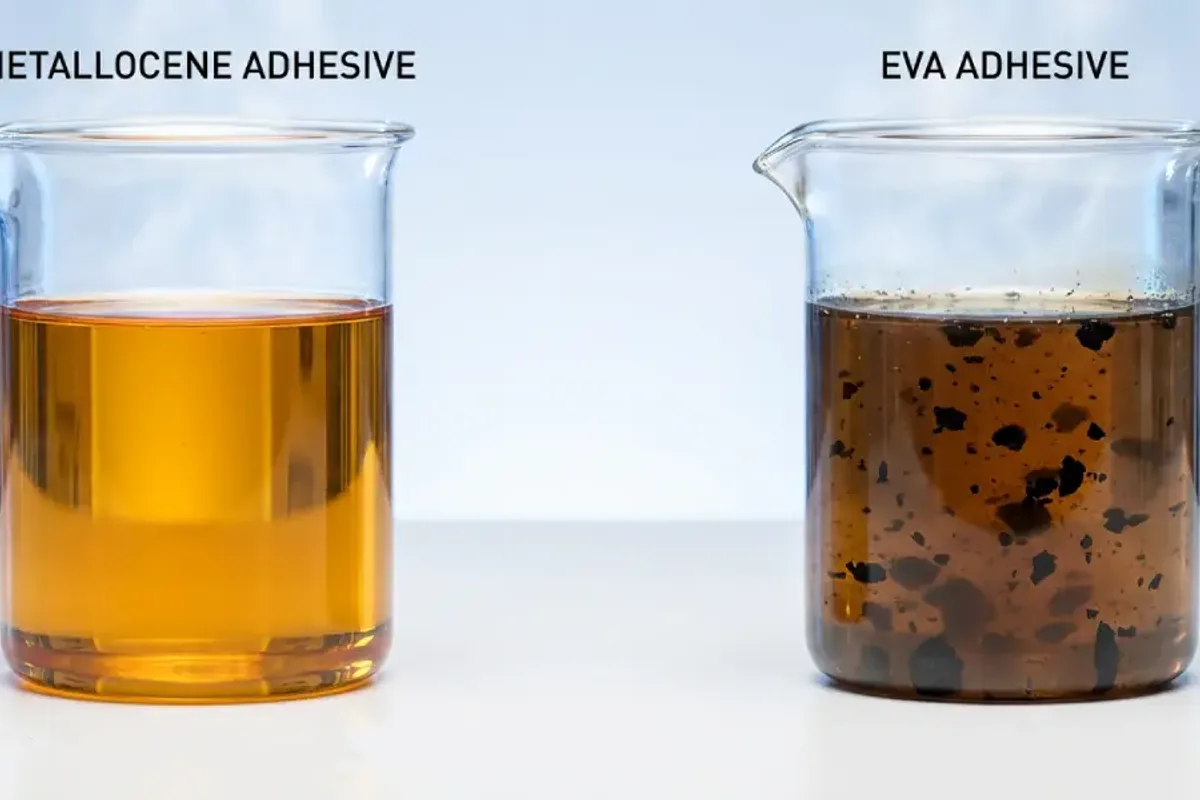
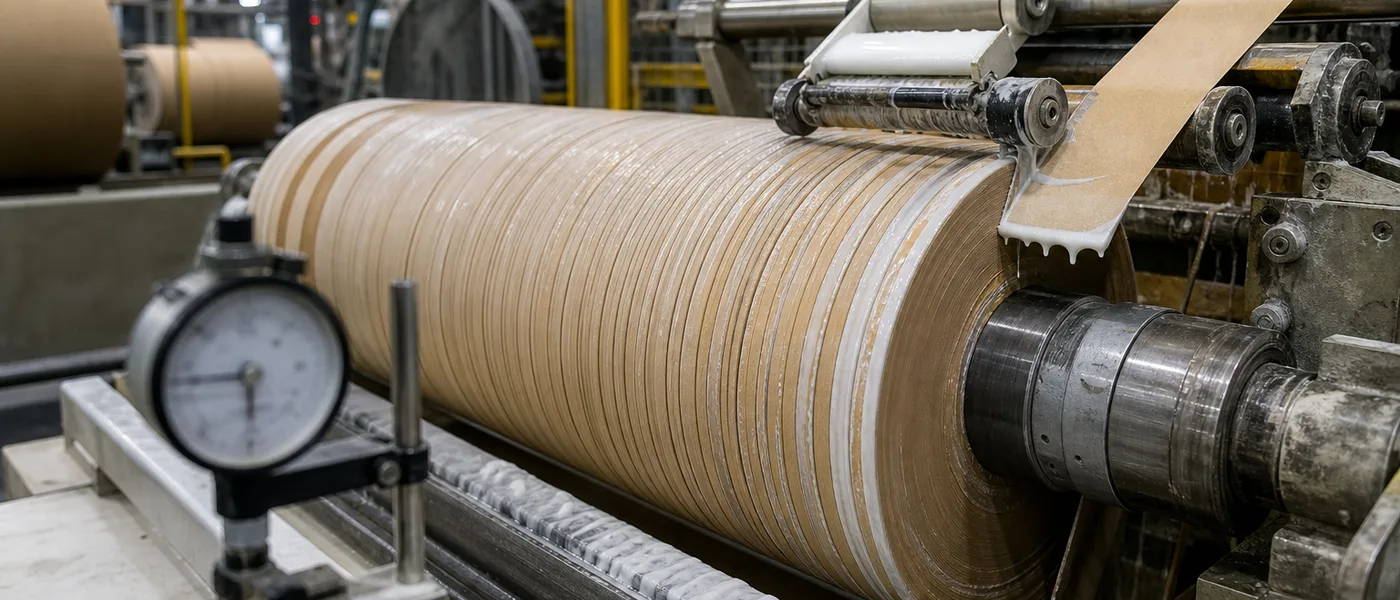
The hidden cost of adhesive is maintenance. When we subject traditional EVA hot melts to 100-hour heat stability tests at 170°C, we observe rapid oxidation and charring. On high-speed case sealers, that downtime shows up as uneven beads and filter clogging—see our zero-char case-sealing case study and the hot-melt adhesives pillar for platform selection.
For operations running 24/7, thermal stability is non-negotiable. Metallocene adhesives maintain clarity and viscosity stability even after 72 hours in the tank, virtually eliminating char-related downtime.
Related case study: Stopping Freezer Pop-Opens on Frozen Food Cases at -40°C — qualification context from a live line program.
Compare EVA vs. Metallocene
Want to see the difference in thermal stability? Request our "Cook Test" comparison data or get a sample to run a density trial on your line.
Request Selection GuideSenda Technical Verdict
- Calculate Density: Metallocene costs more per pound but has a lower density (~0.88g/cc) than EVA (~0.98g/cc). You use less glue per case, often equalizing the cost.
- Speed Dictates Chemistry: If you run under 30 cartons/minute, EVA is cost-effective. Above 40 cartons/minute, Metallocene is the engineering standard for clean cut-off. For coated-board folder work, pair this with our folder-gluer bonding guide.
- Substrate First: Always verify if your board is recycled (short fiber) or virgin (long fiber), as this dictates the required penetration speed.
Frequently Asked Questions
What is the main difference between EVA and Metallocene hot melts?
EVA is a traditional, lower-cost adhesive suitable for slower lines but prone to charring. Metallocene is a high-performance polyolefin that offers high thermal stability (no char), lower density, and cleaner cut-off for high-speed lines.
What causes "angel hair" or stringing in hot melt applications?
Stringing is usually caused by an adhesive with an elastic modulus that is too high for the machine speed, or running the glue too cold. Upgrading to Metallocene or increasing temperature typically solves this.
Is Metallocene adhesive more expensive than EVA?
Per pound, yes. However, Metallocene is less dense (~0.88 g/cm³) than EVA (~0.98 g/cm³), meaning you get more volume per pound. Combined with reduced maintenance downtime, Metallocene often has a lower Total Cost of Ownership.
When should I use Water-Based Acrylics instead of Hot Melt?
Water-based acrylics are necessary for lamination, folding cartons, or direct food contact areas where the adhesive needs to set via absorption/evaporation rather than cooling.
Compare hot-melt on your pack line
Request complimentary 1 kg lab material (shipping prepaid by recipient) after screening on your substrate and line conditions.
References
Technical Disclaimer: All technical data is based on standard laboratory conditions. Users should perform their own verification testing to confirm suitability for specific substrates, processes, and regulatory requirements. Senda Glue makes no warranties, express or implied, and assumes no liability for improper use of the products or reliance on this information.