Aqueous heat-seal coatings only work when HSIT, COF, dwell time, and end-use stress stay aligned. This guide covers the qualification logic for food, beverage, medical, and VFFS applications.
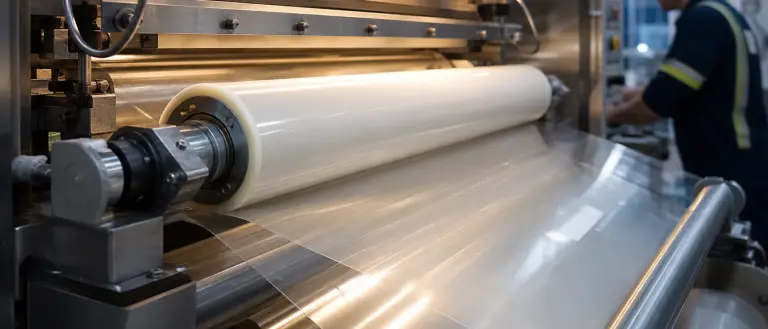
Table of Contents
In high-volume converting, the move away from Polyethylene (PE) lamination is no longer just a sustainability goal—it is an operational necessity. While PE provides a thick moisture barrier, its high Heat Seal Initiation Temperature (HSIT) and lack of recyclability create massive bottlenecks in modern, circular-economy packaging lines. The industry standard is shifting toward aqueous heat-seal coatings and the related HSIT & blocking deep dive: water-based dispersions that offer hermetic seal integrity at lower energy costs.
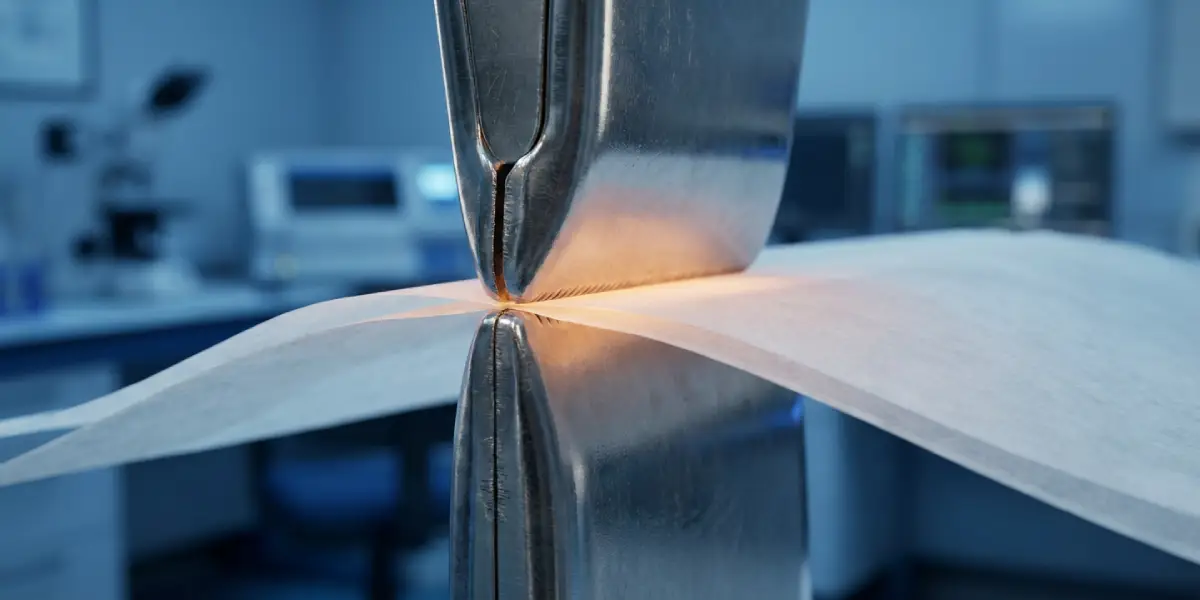
As an engineer, I see many plants struggle with seal failures because they treat aqueous coatings like traditional plastic films. Aqueous coatings are engineered surface modifications. Success depends on the precise balance of thermal energy, dwell time, and the Coefficient of Friction (COF) to ensure machinability without "blocking" in the roll.
"The engineering paradox of heat-sealing is achieving a destructive fiber-tear bond in milliseconds on the filling line, while ensuring the coating remains completely inert during storage so the master roll doesn't fuse into a solid cylinder."
Technical Selection: Matching Grades to Application Stress

Not all seals are created equal. A pouch for snacks requires different rheology than a sterile medical blister pack. We categorize aqueous coatings based on their activation windows and service environments.
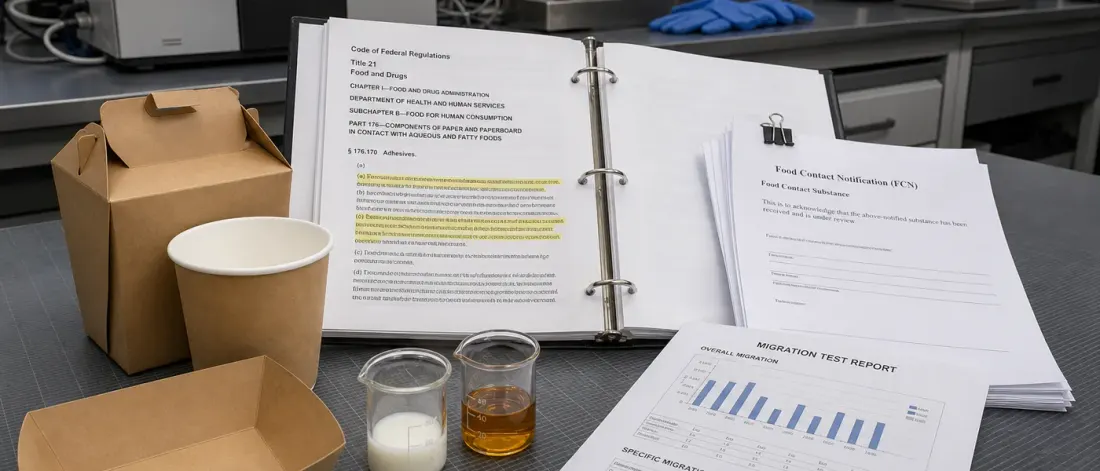
HSIT: 85°C - 105°C. Optimized for FDA 176.170 . Provides a grease-resistant barrier with a Cobb value < 20.
HSIT: 90°C - 110°C. Compliant with ISO 11607 . Engineered for fiber-free peel in blister packs and sterile pouches.
Seal Strength: >5N/15mm. Designed for lidding films and cups. High vibration resistance to prevent leaks during transit.
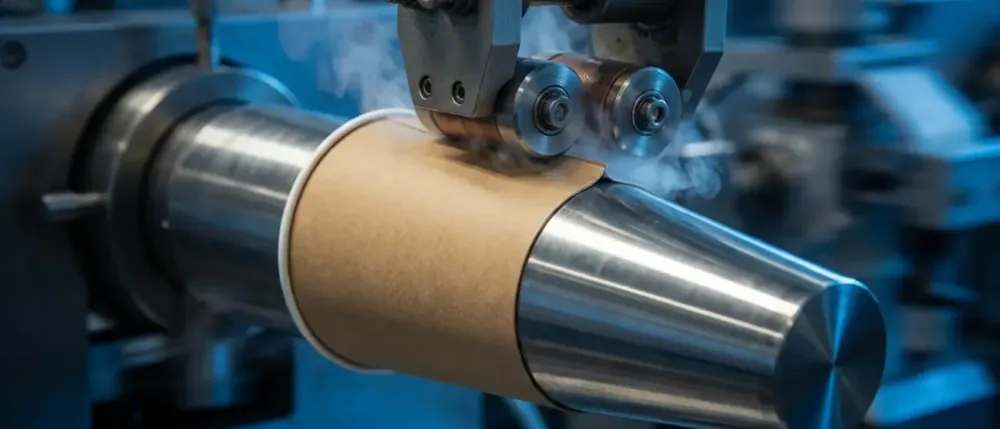
COF: 0.20 - 0.30. Low-drag formulation for Vertical Form Fill Seal machines, ensuring consistent bag lengths at 120+ ppm.
B2B Sector Focus: Beyond Food Packaging — For pouch and lidding work, pair this guide with our reopenable food-packaging adhesives cluster and the VFFS heat-seal case study. For plastic-film-free barrier programs, see repulpable aqueous barriers.
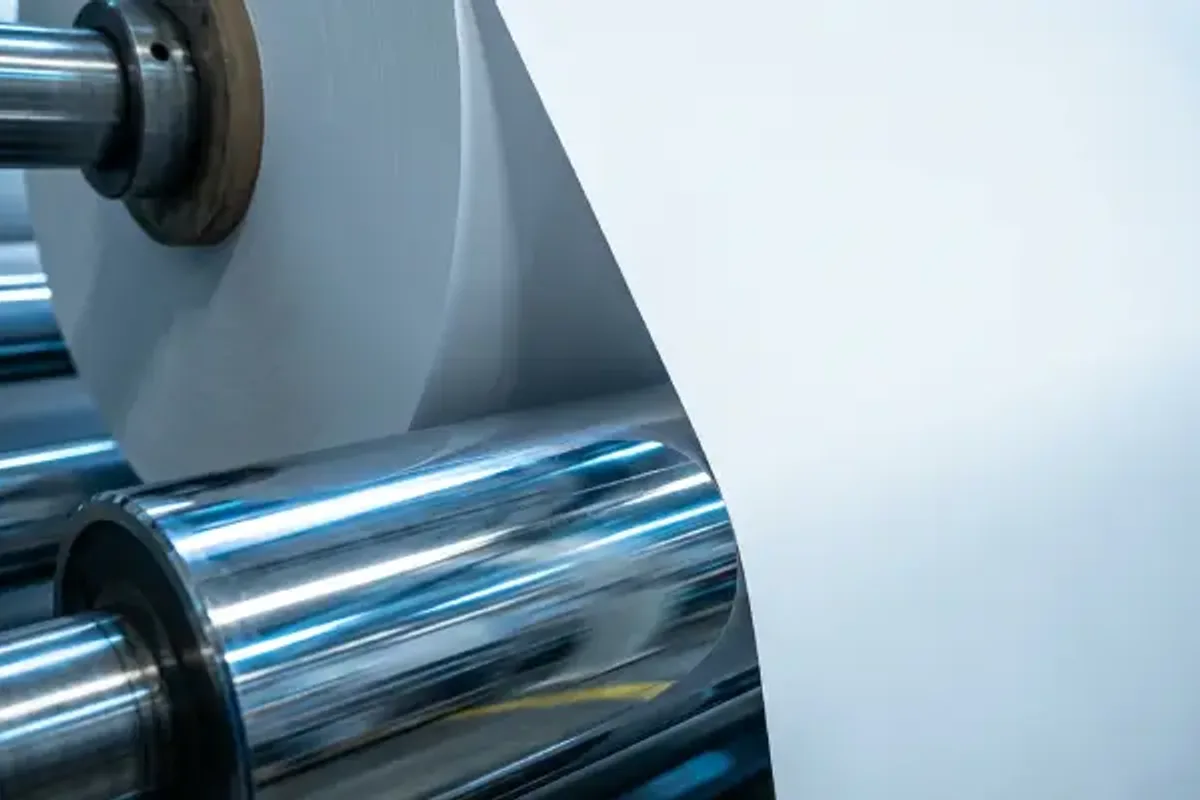
While food "freshness" is a common talking point, industrial applications require much higher technical validation. In the Medical Sector, heat-seal coatings are critical for maintaining a sterile barrier. Our formulations focus on "Clean Peel" mechanics; if the coating shatters or creates "fuzz" (fiber tear) during opening, it can contaminate a sterile field. Our medical-grade aqueous coatings are tested for microbial barrier integrity even after accelerated aging.
In the Beverage and Liquid Packaging sector, the primary challenge is the hydrostatic pressure on the seal. When a pallet of juice cartons is transported, high-frequency vibration puts immense stress on the lidding bond. Traditional coatings often become brittle, leading to micro-cracks. We utilize specialized elastomers in our aqueous dispersions to maintain a flexible, "rubbery" bond that absorbs kinetic energy without seal failure.
Problem: Brittle Seal or "Channel Leaks"
Symptoms: Packaging appears sealed but leaks under pressure; bond snaps cleanly off the substrate (adhesive failure) rather than tearing fiber.
Solutions:
- Audit HSIT: If the temperature is too low, the polymer doesn't "wet out" the substrate. Increase jaw temperature by 5°C.
- Verify Dwell Time: At high speeds, the paper may not reach the activation temp. Increase pressure or slow the line for validation.
- Check Surface Energy: If the substrate is highly coated or waxed, the aqueous coating may "bead up." Use a grade with higher specific adhesion.
Related case study: Stabilizing Reopenable Closures on Bio-Based Food Trays — qualification context from a live line program.
Need a sample to test?
Unsure which HSIT fits your machinery or application? Get a free 1kg sample to run a live test on your specific VFFS, HFFS, or medical lidding line.
Get Free SampleSustainability and Compliance Logic

The strongest argument for transitioning to aqueous coatings is the Total Cost of Ownership (TCO). Beyond avoiding plastic taxes, water-based coatings are strictly PFAS-Free and satisfy the repulpability standards of PTS and Western Michigan University. This allows your entire package to be binned in the "Paper Only" stream, a major advantage for global retailers.
Senda Technical Verdict
- Specify the Peel: Don't just ask for "strong glue." Specify if you need "Fiber Tear" (destructive) for security or "Clean Peel" (cohesive) for medical/convenience.
- Optimize the COF: If your machine is dragging or snapping webs, your coating is too "tacky." Request a lower COF grade (below 0.25).
- Sterility First: For medical applications, always verify compliance with ISO 11607. Never substitute a general food grade for a medical-critical bond.
- Audit Your Cooling: Most "Blocking" issues in the master roll are caused by residual heat. Ensure the web is below 35°C before rewinding.
Frequently Asked Questions
What is the difference between a food-grade and a medical-grade heat-seal coating?
A medical-grade coating must comply with ISO 11607 and is engineered for "Clean Peel" (fiber-free opening) to prevent contamination of sterile fields. A food-grade coating prioritizes barrier properties and FDA compliance for food contact.
How do you prevent leaks in liquid packaging seals under vibration?
Leak prevention requires a flexible, non-brittle bond. Senda incorporates specialized elastomers into its beverage-grade coatings to absorb kinetic energy from transport vibration, preventing micro-cracks and channel leaks.
What is "Clean Peel" and why is it critical for sterile packaging?
"Clean Peel" refers to a cohesive seal that separates cleanly without tearing paper fibers ("fuzz"). This is mandatory in medical applications to ensure no particulate matter contaminates a sterile device or environment upon opening.
Why is a low Coefficient of Friction (COF) essential for VFFS machines?
A low COF (target: 0.20-0.30) reduces drag as the packaging material moves over the machine's forming collar. This prevents web breaks, ensures consistent bag lengths, and allows for higher throughput (packets per minute).
Are aqueous heat-seal coatings repulpable?
Yes, unlike PE-laminates, Senda's aqueous dispersions are designed to break down in standard paper mill hydropulpers. We provide third-party repulpability reports (e.g., from PTS) to verify this and support your brand's circular economy goals.
Validate HSIT on your laminate
Complimentary 1 kg lab material for screening—shipping prepaid by recipient.
References
Technical Disclaimer: All technical data is based on standard laboratory conditions. Users should perform their own verification testing to confirm suitability for specific substrates, processes, and regulatory requirements. Senda Glue makes no warranties, express or implied, and assumes no liability for improper use of the products or reliance on this information.