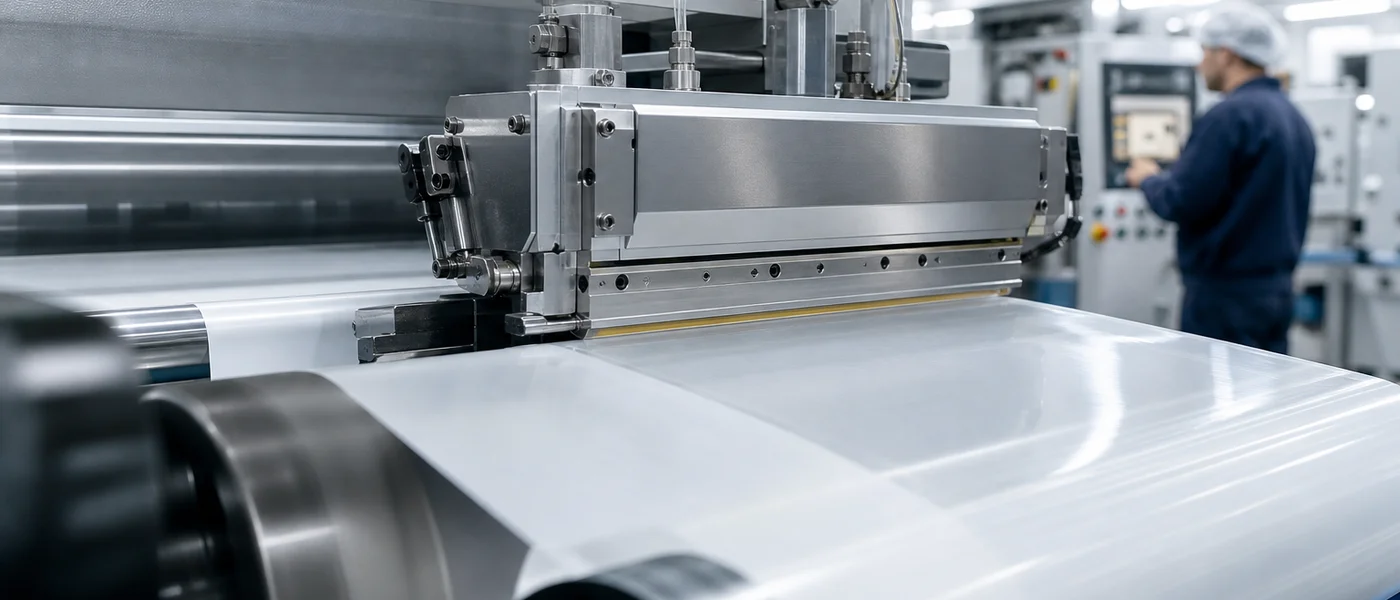
Diagnose streaking, chatter, edge ooze, and uneven coat weight on slot die and roll coaters—plus shear retention and aging stability for BOPP, foam, and masking tape constructions.
Best practices for slot die PSA coaters: coat weight control, temperature and viscosity stability, die lip maintenance, matrix stripping without stringing, and bleed-through prevention on thermal logistics labels.
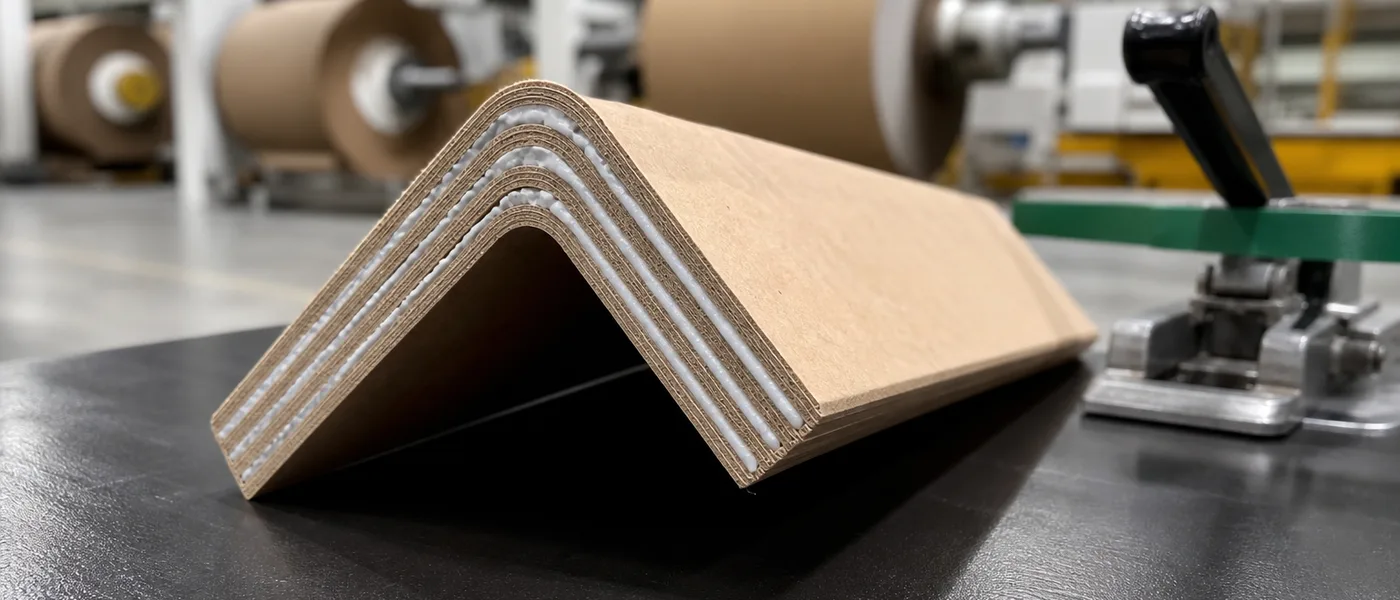
Optimize adhesive coverage, nip pressure, and paper grade on V-board lines to stop strapping delamination, soft corners, and slow drying—plus beam-strength qualification for heavy-duty profiles.
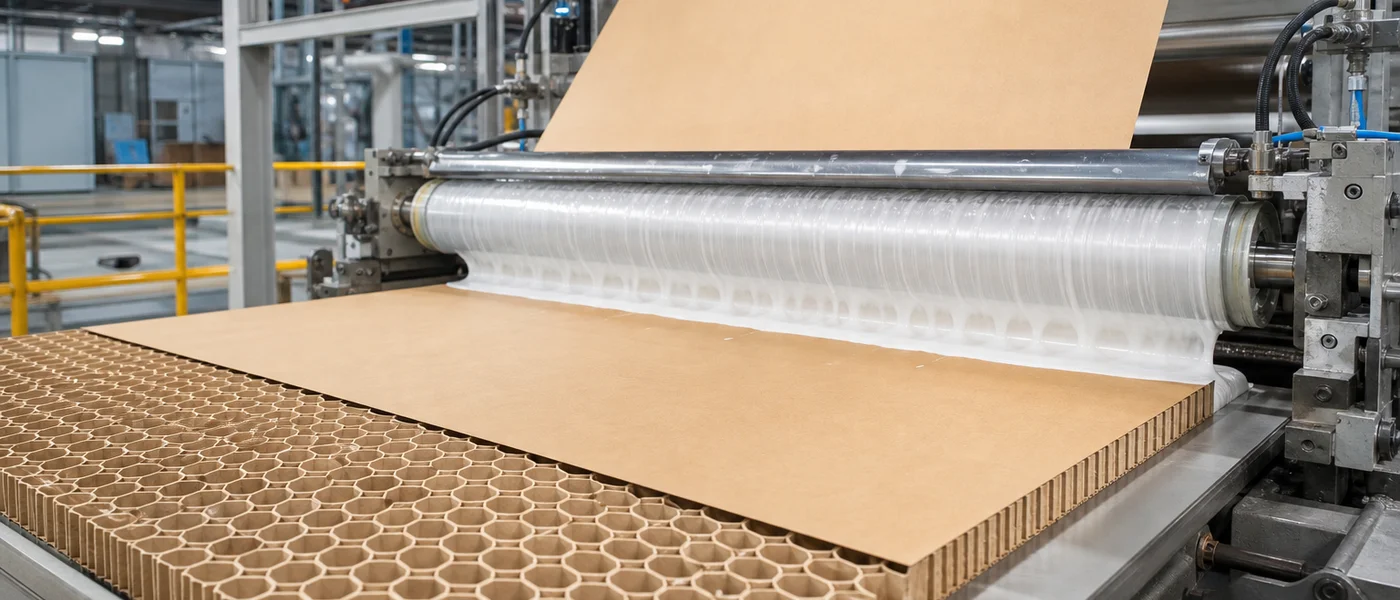
Control moisture introduction, glue spread, and lamination pressure to stop honeycomb curling, core delamination, and drying bottlenecks on structural panel and paper-pallet lines.
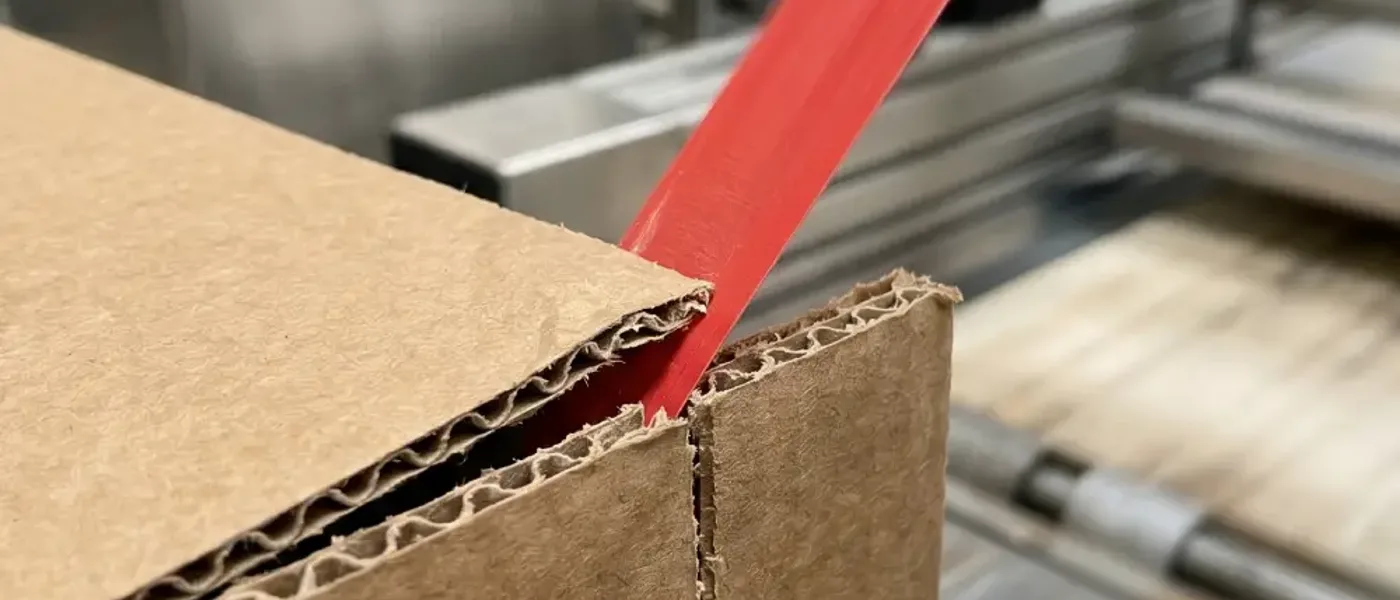
Tear tape coating performance depends on controlled web tension, stable coating temperature, correct adhesive system selection, coating weight uniformity, and precise positioning on corrugated or folding carton lines. Reliable opening behavior is achieved through validated process windows—not through single-point peel force values or assumed line-speed claims.
High-speed envelope sealing should be qualified as a complete production system: envelope structure, adhesive chemistry, glue wheel transfer, viscosity, compression belt pressure, cleaning discipline, and security-bond validation. A useful trial proves seal integrity, fiber tear or destructive opening behavior, startup stability, and defect control on the actual envelope structure and machine setup.
End-user troubleshooting for logistics labels: bleed-through darkening, barcode fade, print-head ooze, recycled-board wet-out, and when to escalate to converter coat-weight review.
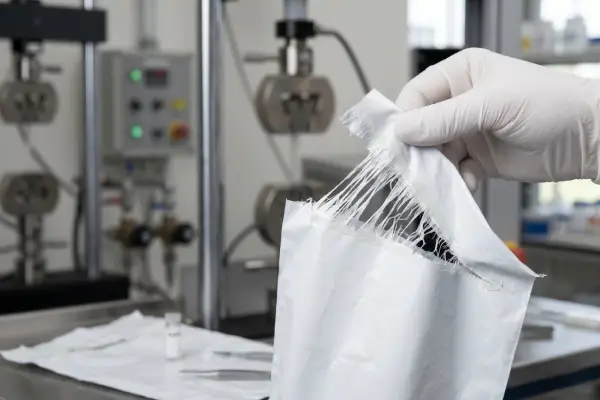
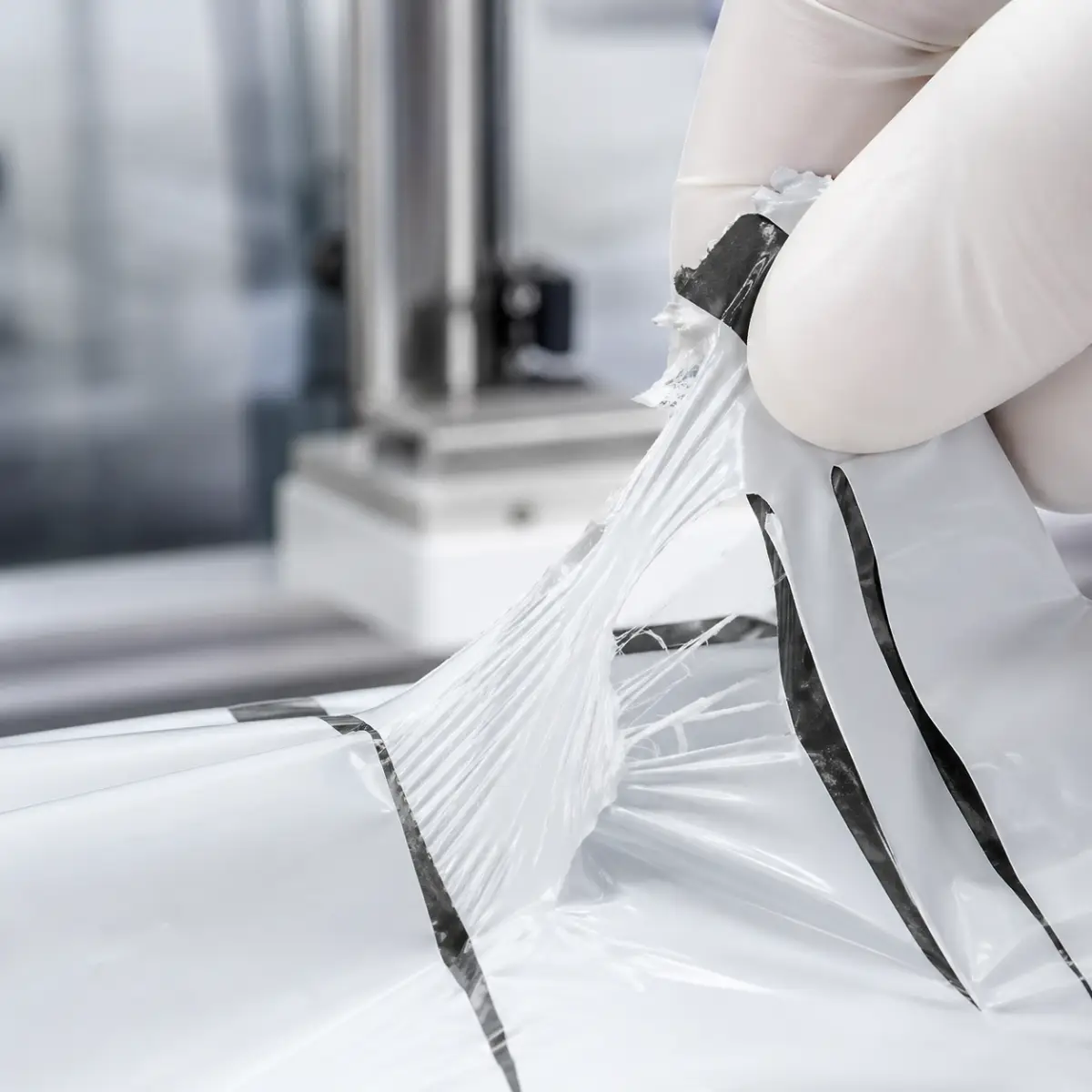
Machine-side guide for poly mailer auto-baggers: application temperature, bead geometry, sub-0.5s set time, clean nozzle cutoff, and destructive bond validation on PCR PE—without inventing line-speed guarantees beyond your equipment rating.
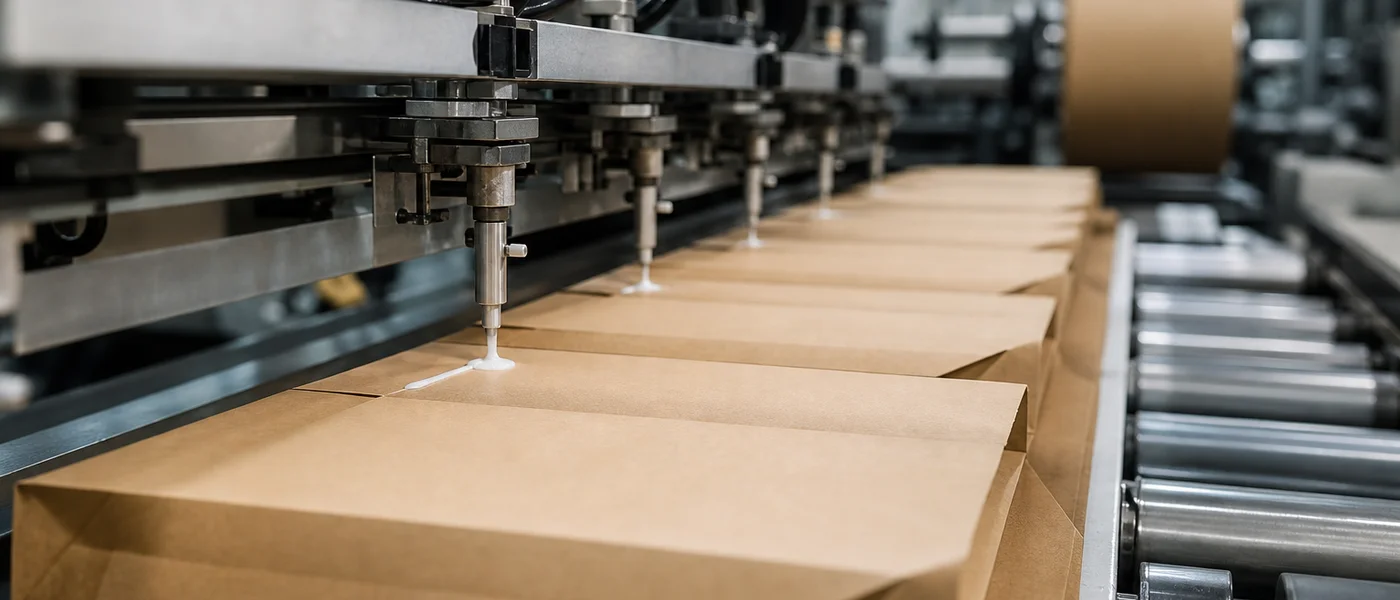
Machine-side practices for paper bag and sack lines: handle shear and fiber tear, bottom pasting wet tack, nozzle misting and stringing, multi-ply bonding, and FDA 175.105 food-bag compliance.
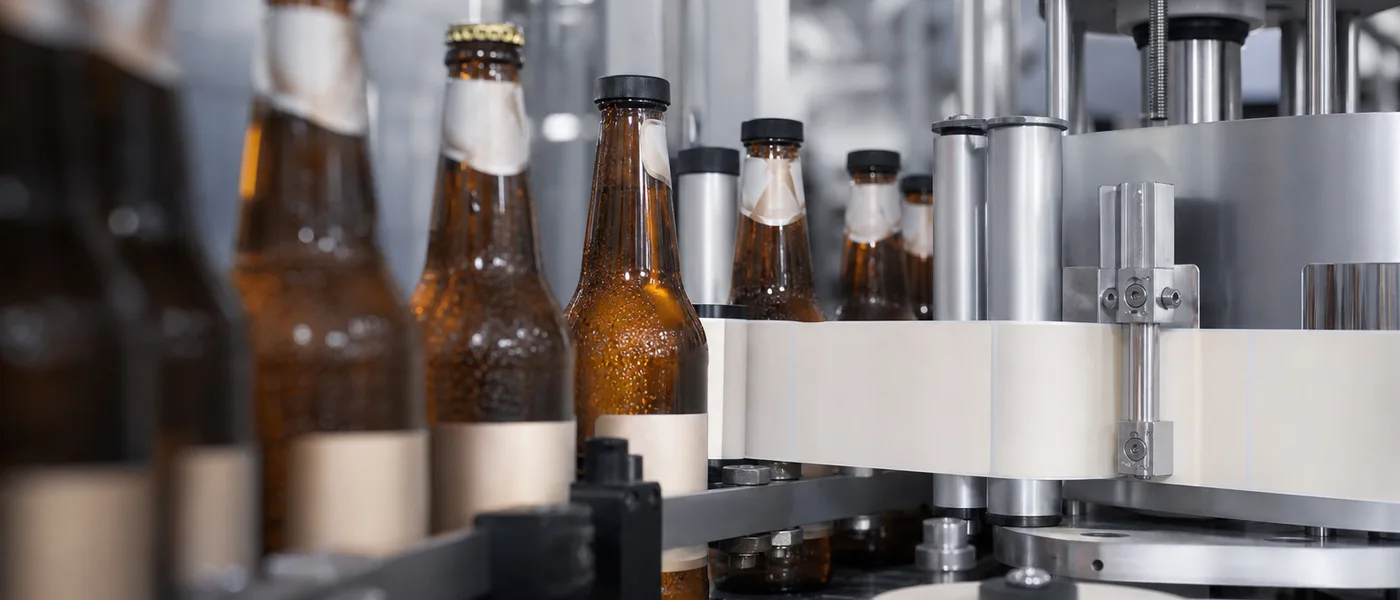
Fix label flagging and adhesive slinging on rotary lines: glue temperature, pallet wear, compression on wet bottles, ice-bath qualification, and wash-off for returnable glass—validated up to 60,000 BPH on beverage runs.
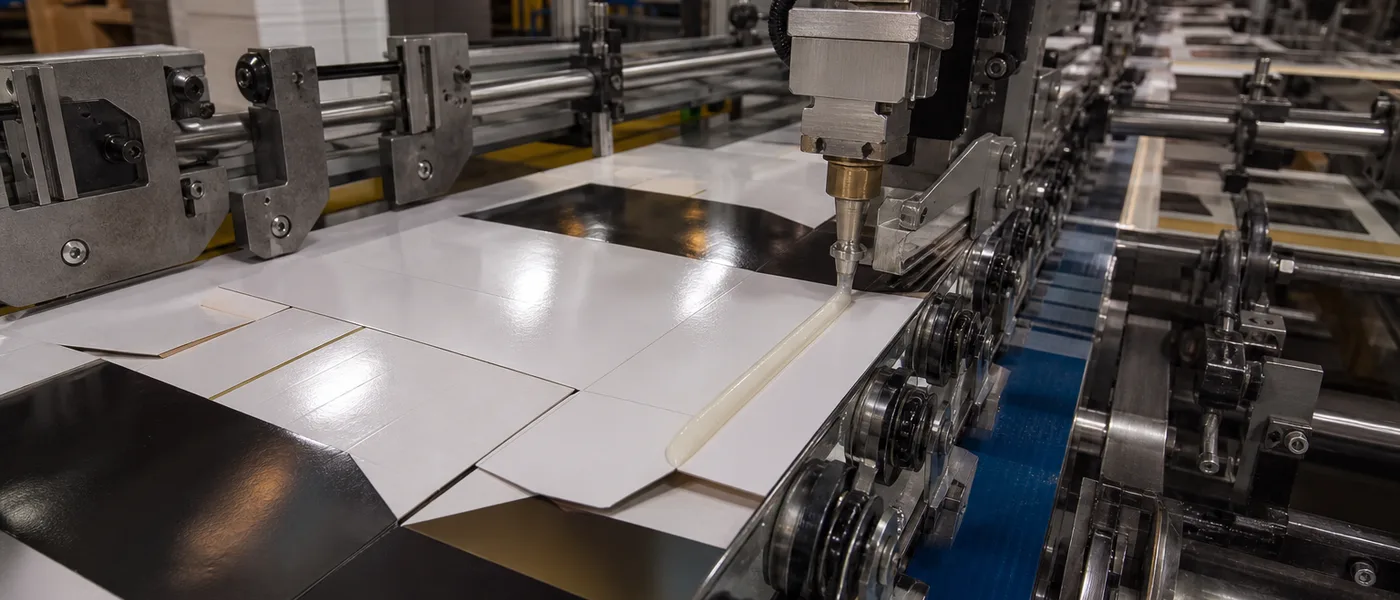
Stop pop-opens on UV varnish, metallized board, and aqueous-coated cartons. A machine-side guide to surface energy, glue wheel and nozzle setup, bond zones, and when metallocene hot melt beats standard EVA on difficult stocks.
Is your glue slowing down your line? Learn how High-Speed Metallocene eliminates charring and provides instant green strength to maximize industrial throughput.
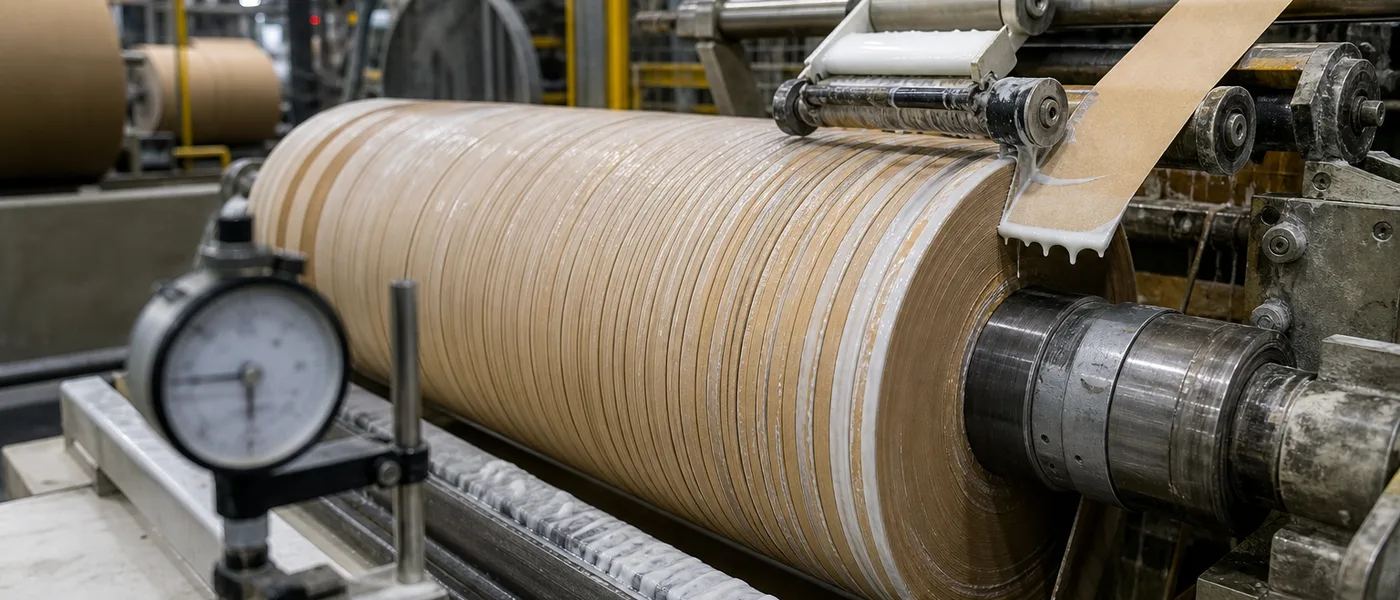
A paper straw that survives service is built through tension control, winding speed, solids management, and the right water-resistant adhesive chemistry. This guide walks through the full process.
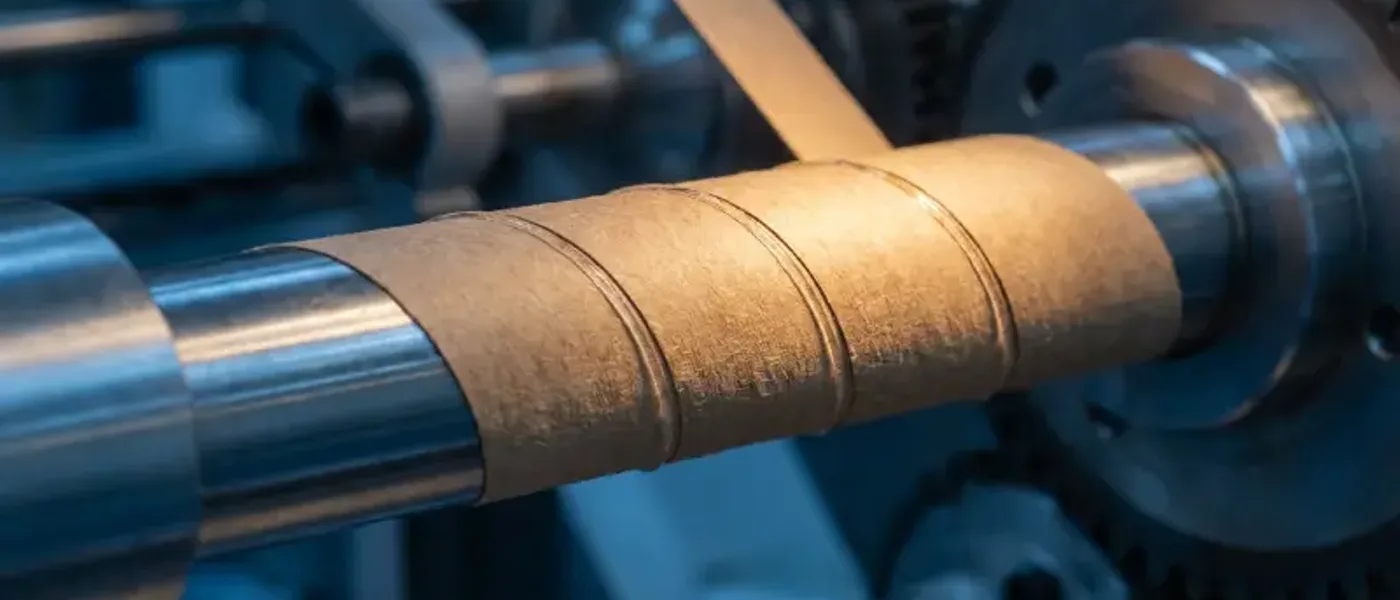
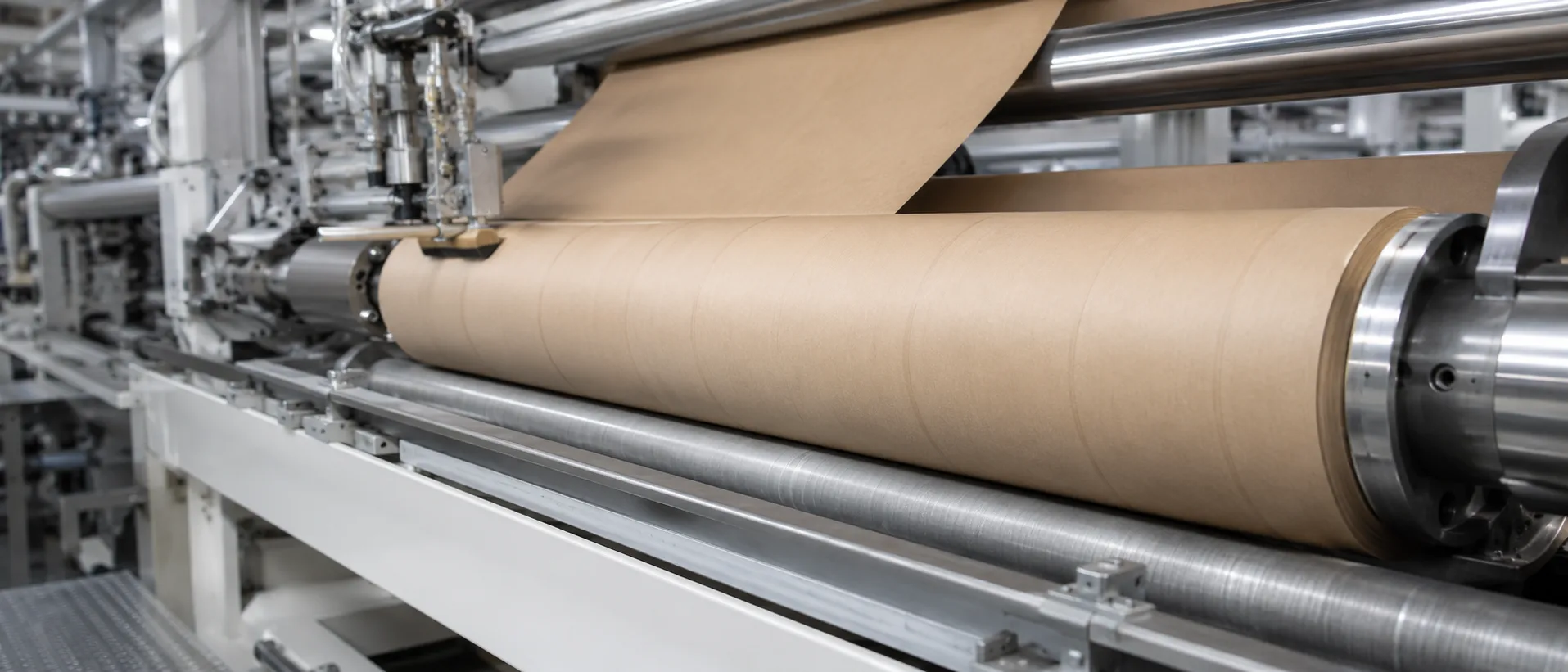
When paper tube cores start failing on high-speed lines, the adhesive is often blamed first. Sometimes that is right. Just as often, the real problem is a bad machine window: wet tack develops too slowly, cutoff gets messy, moisture load stays too high, or crush strength collapses after conditioning.
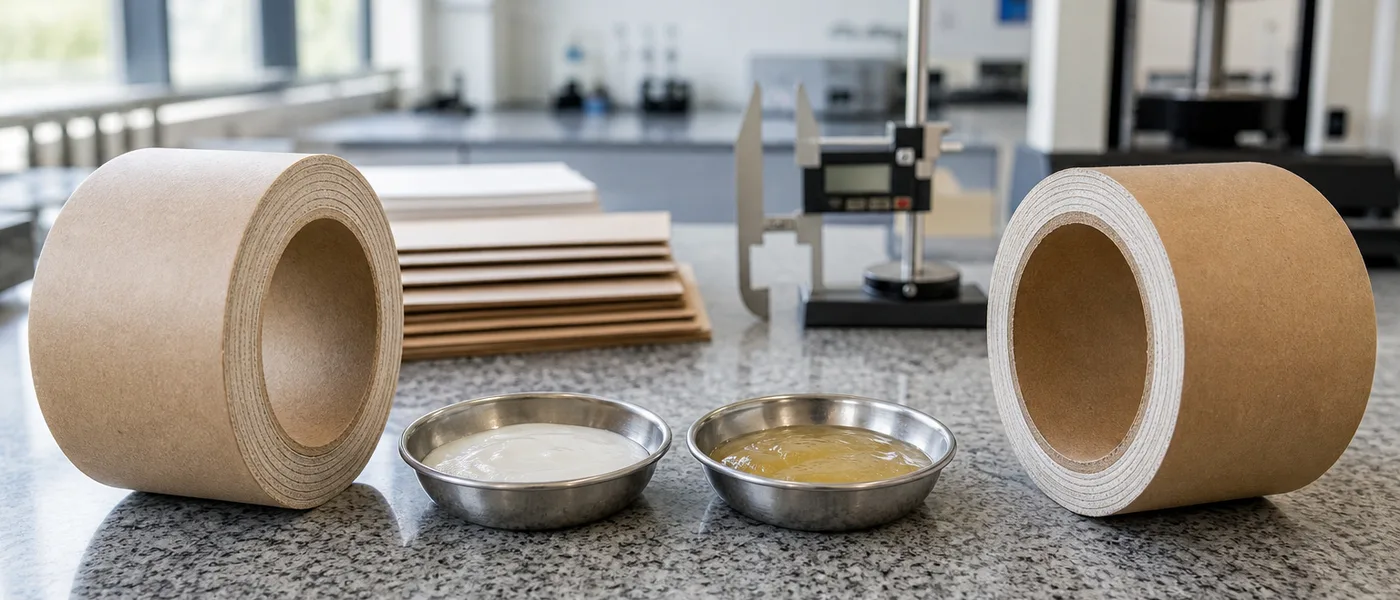
There is no universal winner between starch and PVA for paper tube adhesives. The better fit usually depends on line speed, early green strength, crush target, drying window, and how much sustainability language you actually need to defend with data.
A tube and core converter stabilized a faster winding program by matching adhesive chemistry to wet-tack development, cutoff behavior, and conditioned crush instead of simply increasing glue laydown.
A protective-packaging converter moved a heavy-duty V-board program away from recurring ply separation by switching to a higher-stiffness lamination system and tightening moisture and compression control.
A beverage bottler reduced label flagging and glue throw-off on cold wet glass by switching to a condensation-tolerant labeling adhesive tuned for rotary speed, ice-bath holdout, and wash-off recovery.
A secure-mail converter qualified one adhesive system across kraft paper and Tyvek envelope formats, reducing peel-back risk while keeping high-speed sealing clean and resistant to steam-based reopening.
A logistics-label converter stabilized winter scan reliability on recycled corrugated by switching to a PSA system that improved cold tack, protected direct-thermal face stock, and kept die-cutting clean at production speed.
A tape manufacturer stabilized hot-weather roll storage by switching to a shear-optimized PSA route that balanced cohesion, coat-weight stability, and edge-bleed control on high-speed coating runs.
A packaging converter improved easy-open performance on corrugated packs by switching to a tear-tape PSA route that strengthened anchor bond, cleaned up cut-through, and reduced complaints about ragged opening and tape snap.
A beverage packer replaced a char-prone hot melt with a metallocene case-sealing route that kept nozzles cleaner over a six-month qualification window, improved adhesive mileage, and held fast set on recycled corrugated.
A frozen-food distributor reduced freezer pop-opens on corrugated cases by qualifying a deep-freeze metallocene route that held seal integrity at -40°C screening while keeping automated case-sealing efficiency on the live line.
A paper-bag converter stabilized heavy-load handle attachment and bottom shape retention by switching to a faster-setting adhesive package that improved fiber tear, reduced cleanup stops, and supported higher line speed.
A honeycomb-board converter reduced curl risk and stabilized compression performance by switching to a lower-moisture lamination system that dried more predictably and held panel geometry more consistently.
A paper-cup converter stabilized aqueous-coated cup forming by replacing PE-oriented bond logic with an adhesive package tuned for earlier green strength, cleaner stack release, and hot-liquid screening on the qualified grade.
A composite-can converter reduced sensory risk on premium tea packaging by switching to a lower-odor lamination system that improved organoleptic confidence while keeping foil-to-paper bonding stable on the winding line.
A premium case-making converter stabilized cloth and laminated cover production by moving to a lower-moisture adhesive program that kept grey board flatter, gave trapped air more time to escape, and reduced corner-lift pressure on automated casemakers.
An anonymous converter moved a PE-replacement VFFS program forward by qualifying an aqueous heat-seal route around HSIT, collar COF, and rewind stability instead of treating lower sealing temperature as the only target.
A cigarette converter reduced cleanup pressure and seam-related interruptions by matching adhesive rheology and set behavior to the real pickup window on a high-speed line instead of correcting drift shift by shift.
A pharmaceutical folding-carton converter stopped UV-coated side-seam pop-opens in validated lots by moving to a deeper-penetrating adhesive package tuned for varnished board and folder-gluer compression.
Periodic updates on adhesive qualification, compliance pathways, and converting best practices.
We care about your data in our privacy policy . Unsubscribe anytime.
Chat with us
Before you leave
Need a safer way to qualify adhesive on your line?
Send your substrate, line speed, and application target. We can suggest a 1 kg lab sample path or the right technical document before you commit to a production trial.
We use cookies to enhance your browsing experience, analyze site traffic, and personalize content. By clicking "Accept All", you consent to our use of cookies. Cookie Policy
For visitors in the EEA, UK, or Switzerland, analytics and marketing cookies stay off until you opt in.For visitors outside the EEA, UK, and Switzerland, analytics may load by default, and you can opt out at any time.

 Guide
Guide