How to match PSA to plastic face stocks and liners in packaging: surface energy on PE/PP/PET, coat weight, humidity and cold chain, FDA 175.105 vs marketing claims, and when hot melt fits better than PSA.
Table of Contents
- ·PSA vs. Water-Based vs. Hot-Melt on Packaging Lines
- ·Surface Energy on PE, PP, and PET Films
- ·Coat Weight and Peel/Shear Targets (Qualitative)
- ·Humidity, Cold Chain, and Wash-Off
- ·Food-Adjacent: 175.105 vs. “Food Safe” Marketing
- ·Audit Package: What to Request
- ·When Metallocene Hot Melt Fits Better Than PSA
- ·Selection Workflow
- ·Final Takeaway
- ·Frequently Asked Questions
"FDA compliant PSA" is not a chemistry selection. On consumer packaging programs, pressure-sensitive adhesives show up on film labels, peelable seals, mailer strips, and LSE overlays—but most folding cartons and case lines still run water-based emulsion or hot melt. This guide separates when PSA is the right platform and how to qualify it on plastics without copying paper-board rules.
Written for packaging buyers and technical managers on our consumer packaging pillar—not a substitute for converter coating manuals on labeling & tapes or application guides for folding cartons and end-of-line sealing.
PSA vs. Water-Based vs. Hot-Melt on Packaging Lines
- Water-based emulsion: Fiber-tear on paper board, folder-gluer side seams, repulpable bags—see food-contact and bag clusters.
- Hot melt: Sub-second set on case erectors and difficult films—see EVA vs. metallocene guide on our blog for char and cutoff trade-offs.
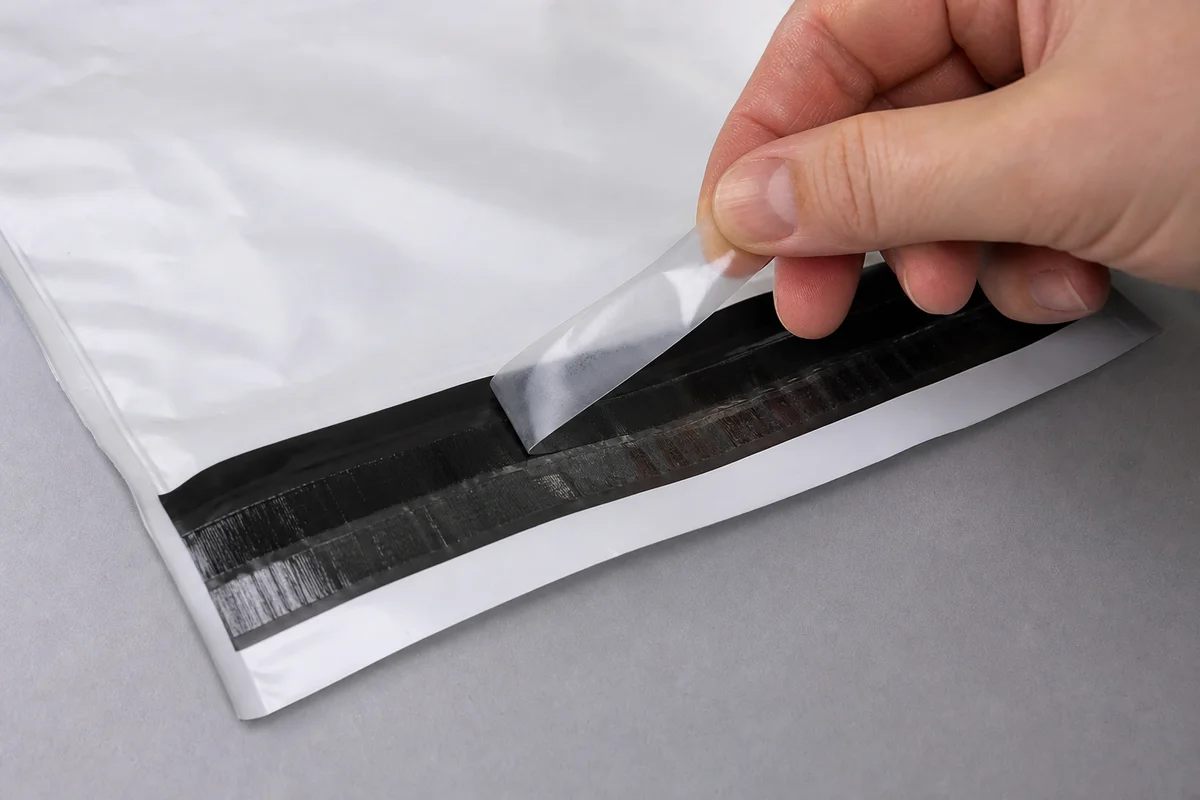
- PSA: Peelable seals, labels on plastics, mailer tamper strips, reopenable food trays—tack/peel/shear balance and liner release.
Surface Energy on PE, PP, and PET Films
Untreated polyolefins are low surface energy (LSE). PSA must wet the face stock or edge lift follows humidity. Corona or primer-treated PE/PP improves anchorage; PET and BOPP laminates on premium cartons need grades tuned for UV-coated and metallized board adjacent bonds—not the same as bare HDPE mailers.
Pillar FAQ notes bonding to UV-coated, metallized, and BOPP-laminated boards—confirm whether your “plastic” problem is film label stock, lamination on paper, or pure polymer face.
Coat Weight and Peel/Shear Targets (Qualitative)
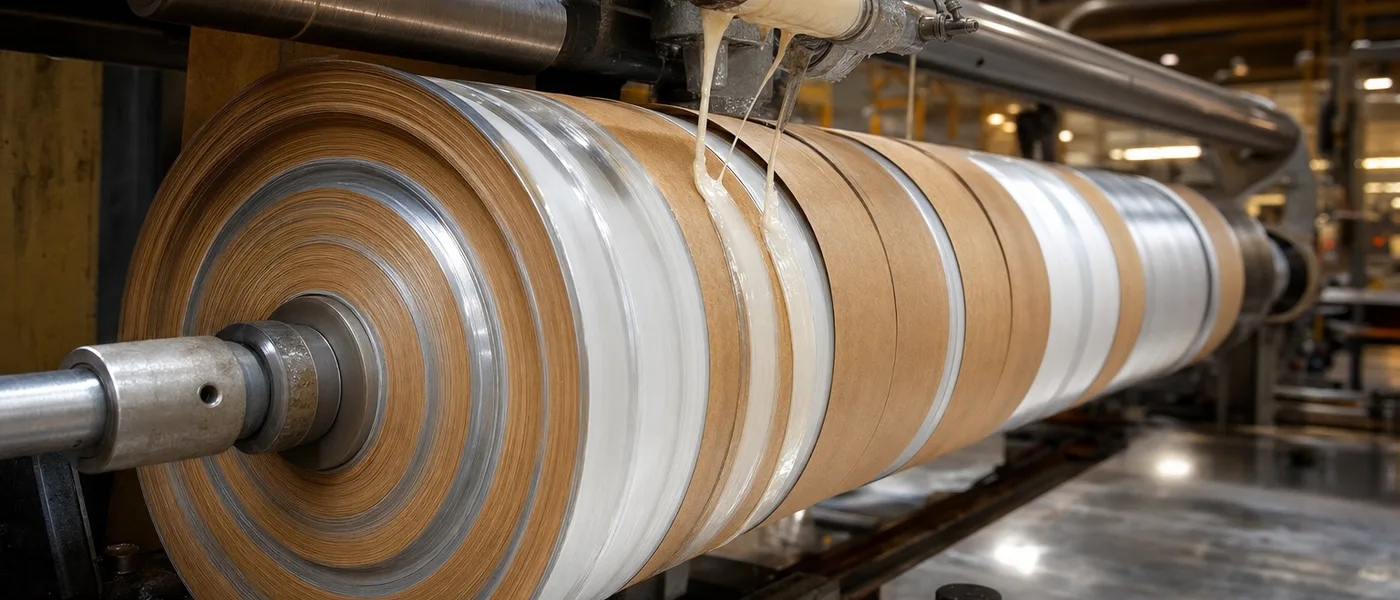
Coat weight drives loop tack, peel, and bleed-through. Too heavy on thin facestock migrates and blocks rolls; too light fails on dusty recycled corrugated. Use supplier peel/shear panels at your GSM—logistics label matrix cites aggressive loop tack targets (e.g. >15 N/inch) as an example tier, not a universal spec.
Humidity, Cold Chain, and Wash-Off
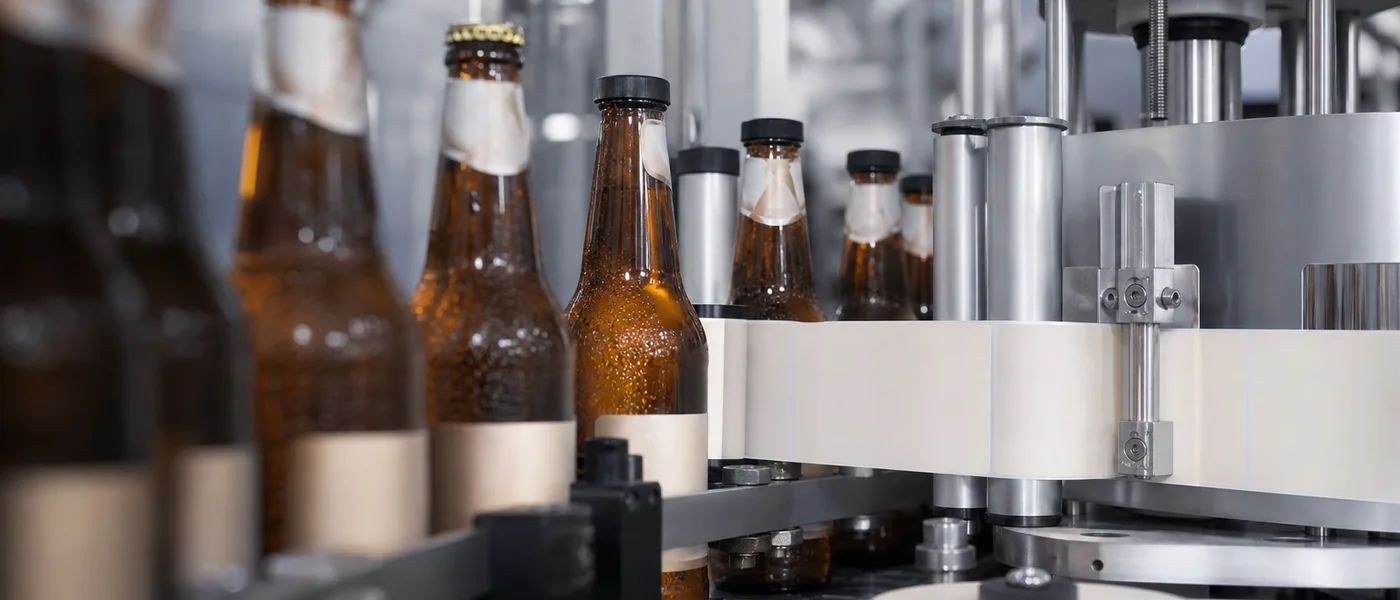
Pillar whyChoose references label flagging in high humidity and a testimonial citing 20% higher line speed after fixing condensation performance—that is beverage labeling context (cold wet glass), not every PSA on plastics. For ice-bath, wash-off, and 60,000 BPH rotary parameters, see rotary labeler troubleshooting and the brewery bottle labeling case.

Related case study: Optimizing High-Speed Folding Carton Lines for Pharma — qualification context from a live line program.
Need PSA or Hot Melt for a Plastic Packaging Line?
Explore consumer packaging adhesives by application—cartons, bags, food contact, cups, and end-of-line sealing.
See Consumer PackagingFood-Adjacent: 175.105 vs. “Food Safe” Marketing
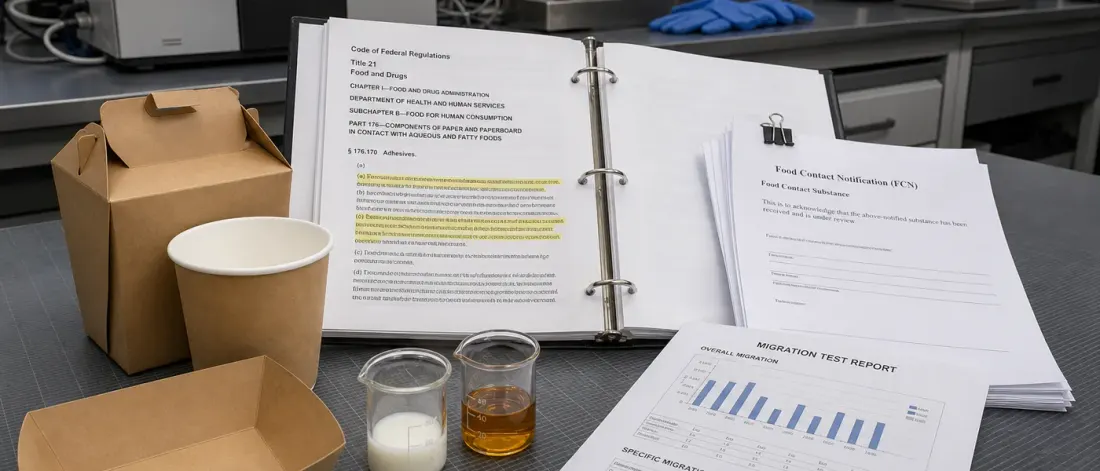
Most PSA on outer labels and non-direct surfaces aligns with FDA 21 CFR 175.105 (indirect contact with a functional barrier). FDA 176.170 direct-contact routes apply to cups, straws, and liquid-touch formats—not generic PSA claims on all plastic overlays. Read food-safe adhesives for paper packaging before procurement accepts a single “food grade” checkbox.
Engineering Pro Tip
Pillar metrics cite <1 second set and audit-ready documentation across the portfolio—those apply to hot-melt case lines and compliance packages, not to every PSA construction. Match the test to the bond type.
Audit Package: What to Request
- TDS and SDS for the exact grade and coat weight.
- Declaration of Compliance aligned to 175.105 (or 176.170 only if direct contact is real).
- REACH/RoHS statements for export programs.
- Migration or sensory data when marketing makes food-contact claims.
Food contact adhesives cluster lists audit package contents.
When Metallocene Hot Melt Fits Better Than PSA
Case sealing, tray forming, and coated carton instant lock often need hot melt set speed, not PSA peel. Freezer logistics pop-opens are a metallocene/EVA discussion on end-of-line packaging, not label PSA. Use PSA when the job is peelable, repositionable, or permanent tack to film/liner constructions.
Selection Workflow
- Define substrate: PE mailer, PP lid film, PET lamination, or paper + film hybrid.
- Define environment: warehouse temp, humidity, cold chain, wash-off.
- Define compliance path: 175.105 indirect vs direct contact.
- Run peel/shear/tack + application trial on production liner.
- Separate label PSA from folding-carton emulsion specs in RFQs.
Final Takeaway
Choosing PSA for plastic packaging starts with surface energy and service environment, then coat weight and compliance route—not a generic “plastic glue.” Pair this framework with cluster experts for cartons, cups, and case sealers; request audit documents that match how the package actually contacts food.
Frequently Asked Questions
Can PSA bond UV-coated or BOPP-laminated board?
Specialized PSA and hot-melt routes exist for difficult laminates—but folding cartons often use water-based or metallocene hot melt on folder-gluers. Define whether your substrate is film, lamination, or paper hybrid before selecting.
Does FDA compliant PSA mean direct food contact?
Usually not. Most label and seal PSAs are evaluated under FDA 175.105 indirect contact. Direct liquid contact requires 176.170 or other routes—see our food-safe adhesives guide.
How do I stop labels flagging on cold wet bottles?
That is rotary labeling on glass—condensation-tolerant PSA and machine settings. See our rotary labeler guide and brewery case study; do not assume the same grade covers PE mailers.
When should I use hot melt instead of PSA?
Case sealing, auto-bottom lock, and sub-second set on coated board typically favor hot melt. PSA fits peelable seals, film labels, and permanent tack to liners.
Screen PSA on your packaging facestock
Request complimentary 1 kg lab material (shipping prepaid by recipient) after screening on your substrate and line conditions.
References
Technical Disclaimer: All technical data is based on standard laboratory conditions. Users should perform their own verification testing to confirm suitability for specific substrates, processes, and regulatory requirements. Senda Glue makes no warranties, express or implied, and assumes no liability for improper use of the products or reliance on this information.