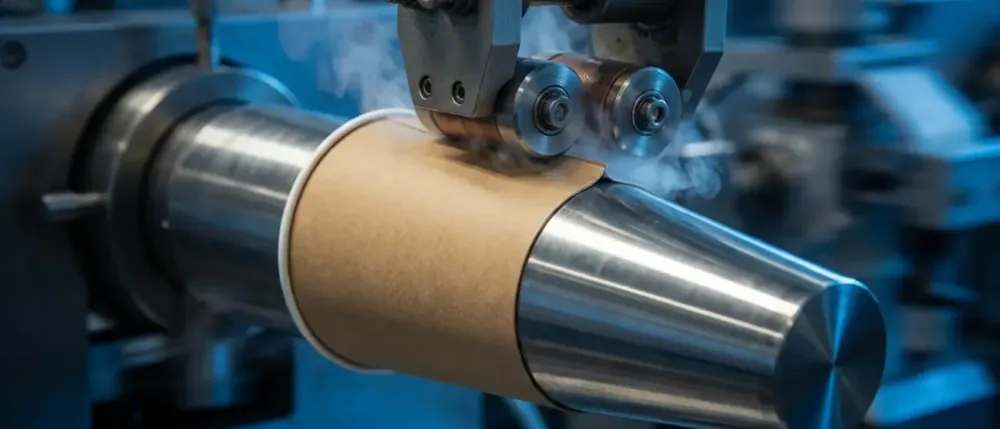
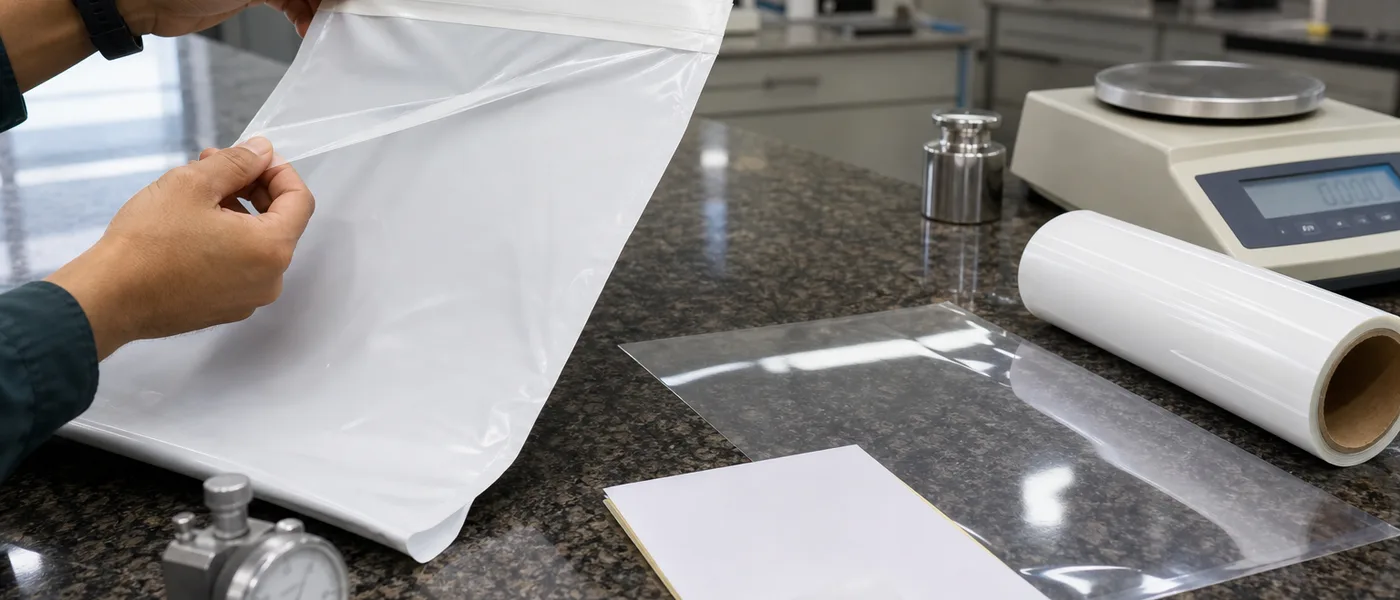
A practical regulatory explainer for packaging teams: what FDA 175.105 covers, when 176.170 matters, where FCNs fit, and how to avoid treating one route as blanket approval for every food-contact application.
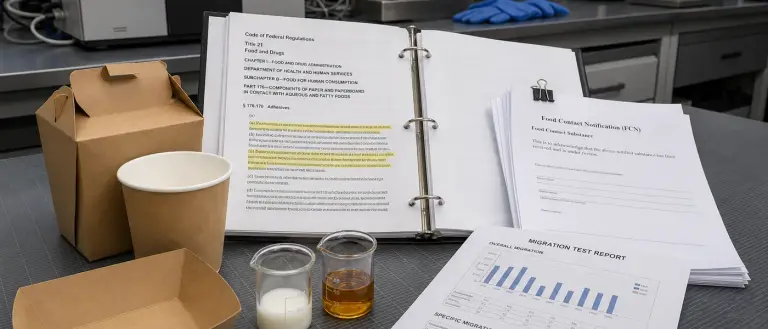
Table of Contents
“FDA compliant” is one of the least useful phrases in packaging unless the supplier can name the actual route, the use conditions, and the data behind it. For paper packaging teams, three labels get mixed together constantly: 21 CFR 175.105, 21 CFR 176.170, and Food Contact Notifications (FCNs). They are related, but they do not mean the same thing and they do not solve the same risk.
This guide sits next to our broader food-safe adhesives explainer and is written for teams evaluating direct-contact paper formats, coated structures, and supplier documentation during audits.
The Short Version
Three Different Questions
What rules apply to an adhesive used in a food-packaging article when the adhesive is not intended to be the food-contact surface?
What limits and conditions apply when paper or paperboard components contact aqueous or fatty foods directly?
Has a specific notifier obtained FDA clearance for a food-contact substance under stated conditions of use?
What 175.105 Usually Covers
21 CFR 175.105 is the adhesive regulation packaging teams most often hear first. In practice, it is the route people cite for carton closing, case sealing, lamination, and other indirect-contact constructions where the adhesive is not intended to be the exposed food-contact surface and the packaging geometry controls incidental contact risk.
That makes it useful, but it does not automatically answer a direct-contact paper article question. If a buyer jumps from a carton-closing claim to a straw, cup, or food-contact paper surface without changing the regulatory conversation, the document trail usually stops being specific enough.
Where 176.170 Enters the Conversation
21 CFR 176.170 addresses components of paper and paperboard in contact with aqueous and fatty foods. For packaging teams, that is the signal that direct-contact paper articles need their own logic rather than a copy-paste of an indirect adhesive statement. The exact fit still depends on how the adhesive or coating functions in the article, but 176.170 is the route people usually need to think through for exposed paper structures.
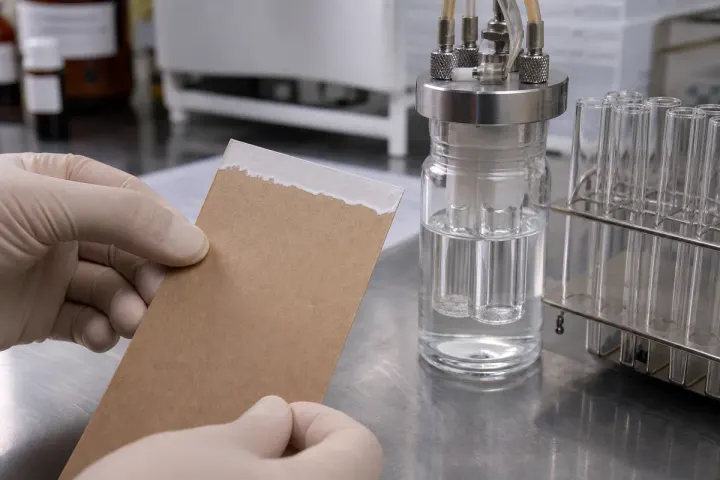
- Indirect pack example: Outer carton closing or case sealing where the bond is not the food-contact surface.
- Direct-contact paper example: Paper articles where the paper structure itself is intended to contact food or drink.
- Audit question: What exactly touches the food, under what conditions, and which document route matches that geometry?
Related case study: Achieving 100% Recyclability in Coffee Cups — qualification context from a live line program.
Need a Cleaner Food-Contact Document Trail?
Review the product routes we position for cartons, cups, straws, and paper food packaging when audit teams need more than a generic compliance statement.
See Food Contact AdhesivesWhat an FCN Does, and What It Does Not Do
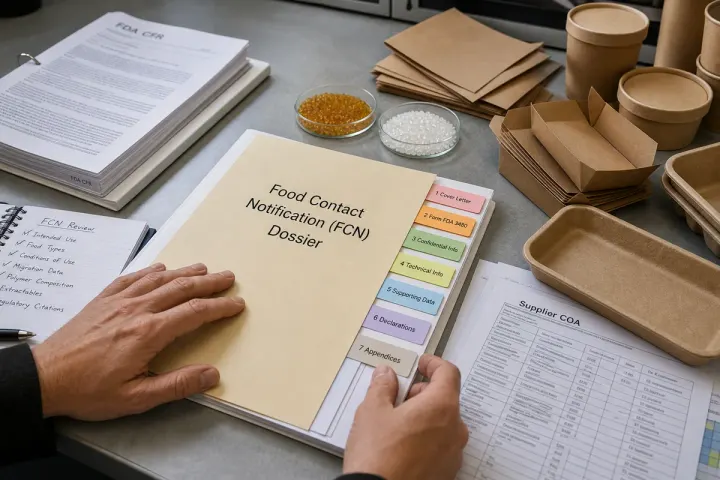
A Food Contact Notification is a notifier-specific FDA clearance path for a food-contact substance under stated conditions of use. That means an FCN can be very helpful when a supplier is using a specific polymer or food-contact substance with a defined regulatory history. It also means an FCN is not blanket approval for every converter, every formula variant, or every food-contact use case.
In practical supplier review, the FCN question is not just “Do you have one?” It is “Does the FCN cover the actual material in this formulation, from this supplier, for this use condition?” That is why packaging teams should treat FCN review as scope matching, not as a magic premium badge.
Most Common Audit Failure
A supplier hands over one document with a bold “FDA compliant” header. The buyer does not verify whether it speaks to indirect adhesive use, direct-contact paper use, or a specific food-contact substance clearance. The paper trail looks comforting until someone asks what actually touches the food.
How to Choose the Right Route in Practice
- Start with geometry: Is the adhesive or coated paper surface intended to contact food or drink directly?
- Name the use condition: Dry, aqueous, fatty, hot fill, chilled, and dwell time all affect the document review you need.
- Check the supplier statement: Does it cite 175.105, 176.170 logic, an FCN, or a mixture of all three without clear boundaries?
- Verify notifier scope: If an FCN is cited, confirm the material identity and that the notifier-specific clearance matches the substance supplied to you.
- Tie documents to the article: A straw, cup, tray, or laminated carton should not all inherit the same answer by default.
Where This Shows Up on Real Packaging Programs
A paper straw program usually forces the direct-contact conversation quickly. A folding carton often stays on the indirect side. A coated food tray or cup can involve both a paper-contact question and a separate adhesive or seal-system question. That is why strong documentation packages separate substrate role, adhesive role, and food-contact route instead of collapsing them into one sentence.
If you are evaluating these boundaries on a live program, the most productive next read is often the application-specific page: paper straw manufacturing, paper cup adhesives, or food contact adhesives.
Final Takeaway
175.105, 176.170, and FCNs are not competing slogans. They answer different regulatory questions. Use 175.105 for the right indirect adhesive context, use 176.170 logic when direct-contact paper articles are involved, and treat any FCN as a scope-specific clearance that still has to match the actual substance and use conditions in your packaging.
Frequently Asked Questions
Does 175.105 automatically cover every food-packaging adhesive use?
No. 175.105 is important for many indirect adhesive uses, but it does not automatically answer every direct-contact paper article or every food-contact geometry.
Is an FCN better than every other regulatory route?
Not in a blanket sense. An FCN is valuable because it is notifier-specific and use-specific, but it still has to match the actual substance and conditions of use in your program.
Why do teams confuse 176.170 with an adhesive claim?
Because the packaging article often combines paper, coating, and adhesive functions. The compliance discussion has to separate which part of the structure is contacting food and how the article is intended to be used.
What is the best first audit question to ask a supplier?
Ask which exact route the document supports, what use conditions it covers, and whether the supplied formulation or substance matches the material that was actually reviewed or cleared.
Validate the route on your SKU
Complimentary 1 kg lab material after screening—courier prepaid by recipient for qualified liquid programs.
References
Technical Disclaimer: All technical data is based on standard laboratory conditions. Users should perform their own verification testing to confirm suitability for specific substrates, processes, and regulatory requirements. Senda Glue makes no warranties, express or implied, and assumes no liability for improper use of the products or reliance on this information.