At a Glance
- 60+ /min Case-Maker Validation
- 1.5-4.0 mm Grey Board Range
- Less Surface Rework
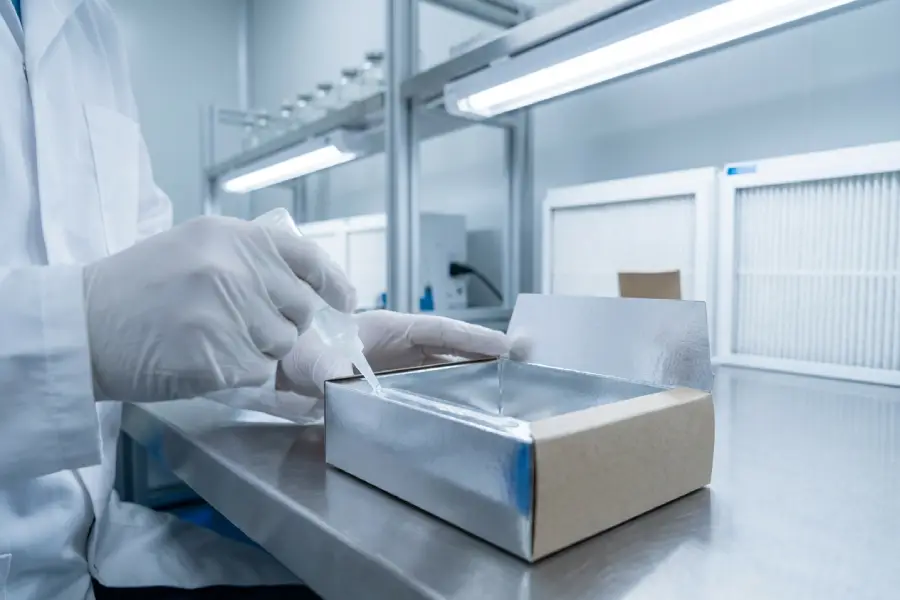
Foil and specialty laminates exposed wet-out, air release, and corner-wrap issues quickly, so qualification started on real cover materials rather than finished-case appearance alone.
Grey board warp, trapped air, and corner lift were undermining premium cover appearance
The converter was producing cloth-wrapped hardcovers and laminated rigid cases on automated equipment, but the existing adhesive route could not keep flatness, air release, and surface hold in balance.
- Grey board moved after drying because the moisture load was not controlled tightly enough for the board caliper window in use.
- Some covers developed bubbling or tunneling where air could not escape cleanly before the adhesive surface started to lock.
- Foil, soft-touch, and other laminated wraps also raised corner-lift pressure, so operators could not simply chase output speed and ignore cosmetic defects.
A high-solids case-making adhesive route tuned for moisture balance, air release, and difficult cover materials
Senda treated the issue as a process-fit problem, balancing solids, open time, and wet-out so the line could hold automated speed without pushing warp, bubbles, or wrap-lift downstream into inspection.
Products Used:
- Premium Case-Making Grade
Designed for lower moisture transfer, steadier air escape, and stronger wrap hold on cloth and laminated case materials.
What made this qualification credible was that it stayed tied to the actual case-maker window. The approved formula had to hold flatness on grey board, let trapped air clear before lockup, and keep corners clean on specialty wraps at the same time.
Qualification path
Board and cover-stock review
Grey board caliper, cover-wrap construction, and defect history were reviewed together so the team could separate moisture-driven warp from wrap-surface adhesion problems.
Automated case-maker trial
Adhesive laydown, open time, and line settings were checked at production speed to confirm whether air release and corner wrapping stayed stable on the real machine sequence.
Post-cure appearance checks
Final approval stayed tied to lay-flat behavior, bubble visibility, and corner integrity after drying instead of stopping at fresh bond feel on the line.

The real release criterion was surface appearance after drying: flat board, clean corners, and no visible bubbles telegraphing through the cover wrap.
What changed on the case-making line
- Flatter finished cases: The lower-moisture route reduced board movement during drying and gave the converter a steadier flatness window on premium case builds.
- Fewer visible surface defects: Balanced open time helped trapped air escape more cleanly, reducing bubbling and tunneling pressure on wrapped covers.
- Better automated process stability: The line could keep speed and appearance in the same qualification path instead of accepting cosmetic cleanup as the price of output.
Validated operating window
Validated operating window
Trials stayed anchored to the automated speed range already defined on the hardcover solution page rather than a slower lab-only setup.
The board caliper window already documented in the repo remained part of qualification because moisture balance changes with board thickness.
The approved adhesive route reduced the amount of intervention needed around bubbling, warp checks, and corner appearance compared with the previous setup.
Related resources
- Solving Hardcover Warping: Moisture Control, Open Time, and Case-Making Setup
Case-making moisture control and anti-warp setup—the guide for this hardcover qualification.
- Request a case-making adhesive trial
Prepaid sample for board warp and case flatness screening on cloth and laminated covers.
" Board warping had become our biggest release risk on premium cloth and laminated covers. Senda's case-making adhesive gave us flatter cases, cleaner surfaces, and fewer bubble checks without slowing the line. "
Ready to Write Your Own Success Story?
Our technical engineers are ready to help you solve your specific adhesion challenges. Get in touch for a free consultation and sample testing.
Replicate This Success