Stop pop-opens on UV varnish, metallized board, and aqueous-coated cartons. A machine-side guide to surface energy, glue wheel and nozzle setup, bond zones, and when metallocene hot melt beats standard EVA on difficult stocks.
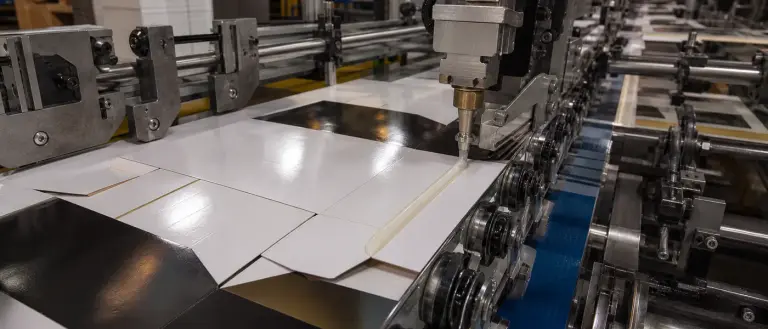
Table of Contents
- ·Why Coated Board Behaves Like a Different Substrate
- ·Failure Modes We See on Folder-Gluers
- ·Line Checklist: Surface Energy, Application, and Compression
- ·Side Seam vs. Auto-Bottom: Different Stress, Different Glue Window
- ·When to Move from EVA to Metallocene on Coated Stocks
- ·Field Evidence: Stopping Pop-Opens on UV-Coated Pharma Cartons
- ·Not the Same Problem as Freezer Case Sealing
- ·Qualification Workflow Before You Sign Off the Line
- ·Final Takeaway
- ·Frequently Asked Questions
On a folder-gluer, coated board does not fail quietly. The line is still running at high speed, the glue wheel looks wet, and the cartons still look square—until auto-bottoms spring open in the packer or side seams let go after a humidity swing. In most audits I run, the adhesive is blamed first, but the real issue is usually a surface-energy mismatch: the glue is sitting on the varnish instead of building fiber-tear strength in the paper.
This guide is written for folding-carton teams working UV varnish, aqueous coating, OPP lamination, or metallized polyester—applications we describe on our folding-carton adhesives page as high-speed folder-gluer and auto-lock bottom work. For FDA indirect-contact screening on paper packaging, see food-safe adhesives for paper packaging. It reuses the same qualification language we use with customers; it does not replace your own line trial or compliance review.
Why Coated Board Behaves Like a Different Substrate
Calendered board with a UV or aqueous curtain coat presents a low-surface-energy skin. Standard water-based emulsions can look tacky on contact but fail to penetrate, which shows up as pop-opens on auto-bottoms when the board memory fights the fold, or as edge lift on side seams under warehouse humidity.
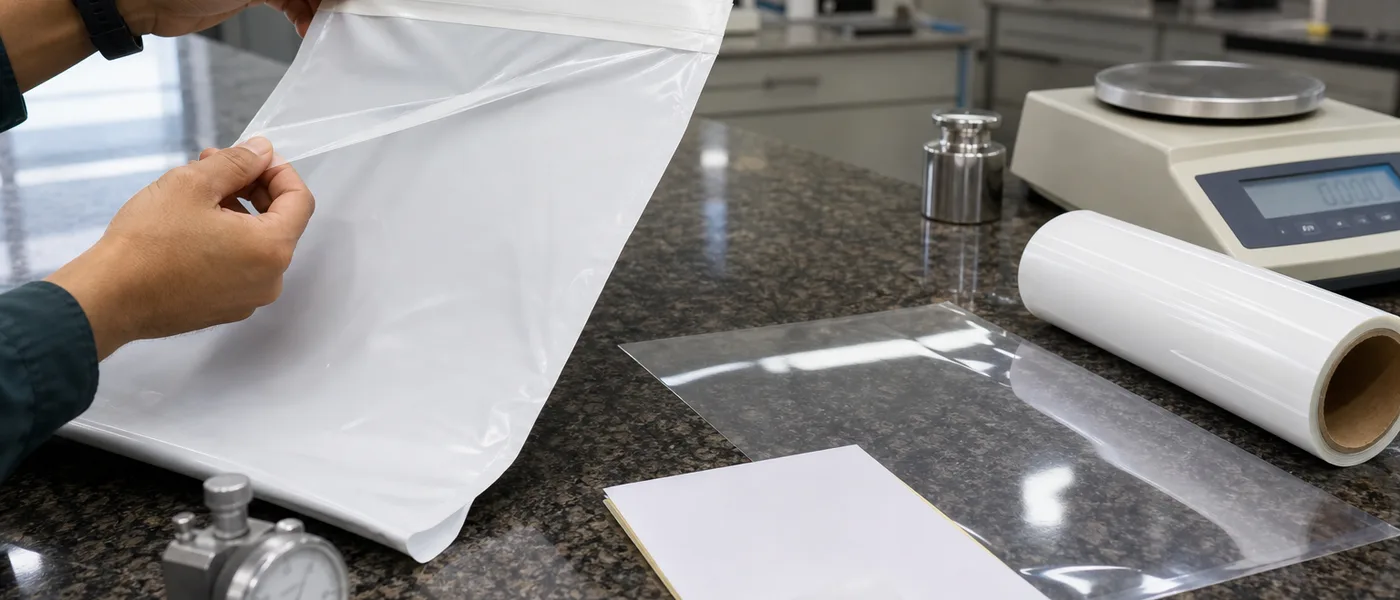
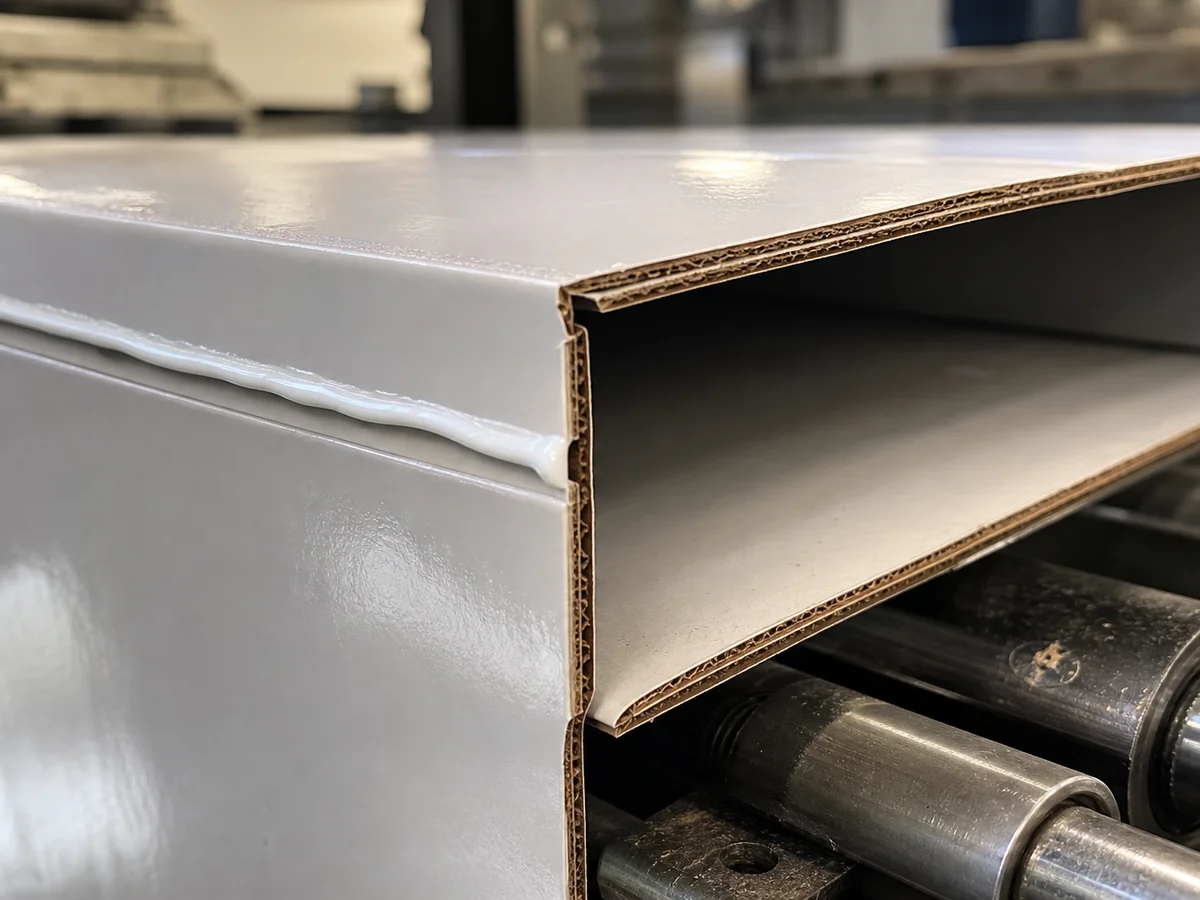
The pass/fail signal we use on coated stocks is still fiber tear: if the paper fibers do not rupture when you peel the bond apart, the adhesive has not engaged the substrate—regardless of how clean the glue line appears.
Failure Modes We See on Folder-Gluers
- Pop-opens on auto-bottoms: Insufficient shear against board spring-back; bond looks dry but has no lock before the next station.
- Adhesion failure on UV varnish: Glue film sits on top of the coating instead of biting through to fiber.
- Tailing and satellites above ~400 m/min: Elastic modulus too high for clean cutoff on nozzle jetting—stringy adhesive fouls guides and sensors.
Engineering Pro Tip
If you are bonding food-adjacent cartons, confirm whether FDA 21 CFR 175.105 (indirect contact with a functional barrier) covers your geometry before you optimize speed. Direct liquid contact routes need a different review path—see our food-safe adhesives for paper packaging guide.
Line Checklist: Surface Energy, Application, and Compression
1. Confirm What Is Actually on the Board
Document whether the failure stock is UV varnish, aqueous gloss, OPP lamination, or metallized PET—each shifts the wetting target. Our folding-carton lab path includes substrate-specific adhesion tests before we recommend a wheel-grade emulsion or a metallocene hot melt for instant lock.
2. Match the Application Method
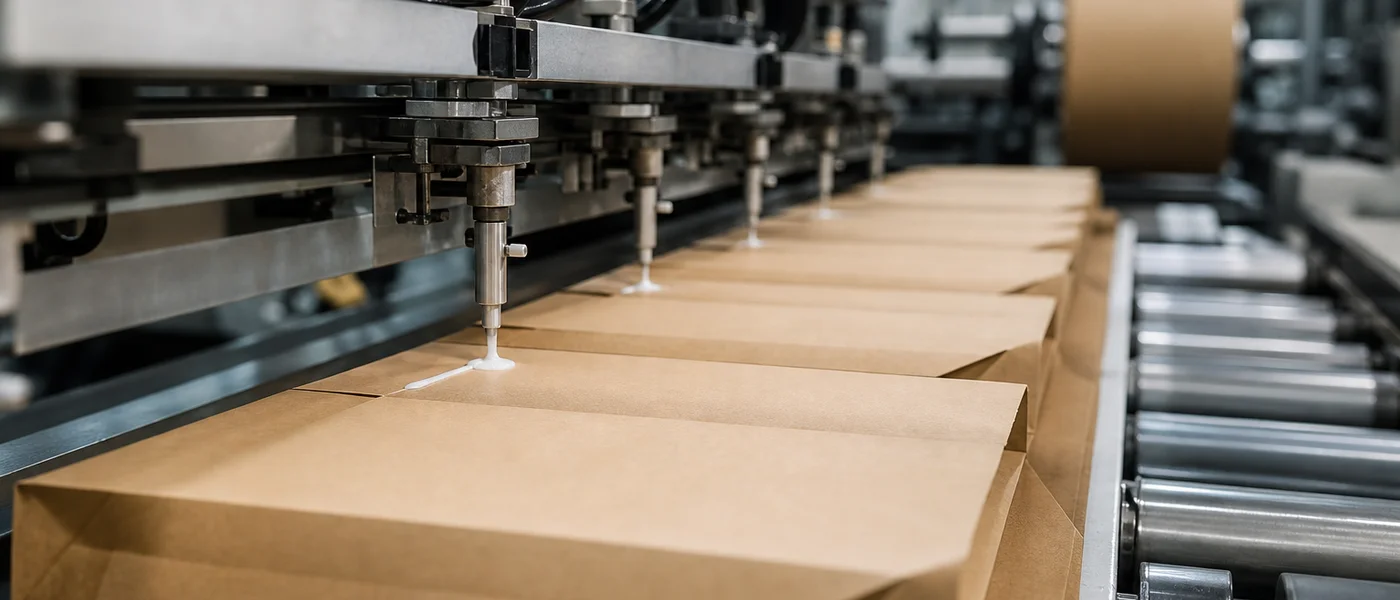
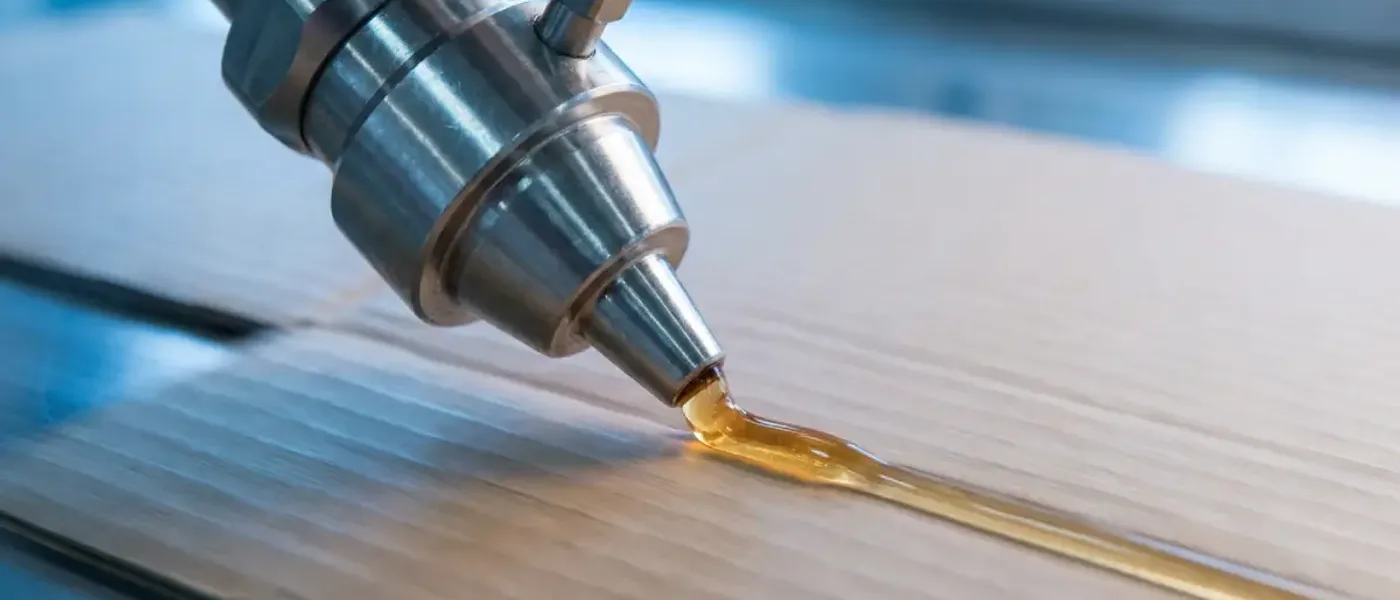
Wheel and nozzle systems need different rheology. Nozzle grades must jet without clogging; wheel grades need flow that avoids slinging. The page matrix cites water-based ranges around 400–2,500 cps and hot-melt ranges around 1,000–5,000 cps depending on station—use your supplier TDS, not a generic “packaging glue” viscosity.
3. Respect Compression Time on Water-Based Routes
Water-based emulsions need a compression window while water absorbs into the board. If the compression belt is short relative to line speed, flaps can skew—sometimes described as fish-tailing on fast folder-gluers. Hot-melt routes trade that open time for handling strength in under one second on auto-lock bottoms, which is why coated pharma and premium carton lines often move to metallocene when water-based locks are marginal.
Side Seam vs. Auto-Bottom: Different Stress, Different Glue Window
Longitudinal side seams see sustained shear on a single joint. Auto-bottom / crash-lock folds fight spring-back memory the moment the carton exits the folding section. A glue that holds the side seam can still fail the bottom if set speed is too slow or if the chemistry cannot resist fold tension in storage.
Pop-Opens on UV or Metallized Board?
Review folding-carton adhesive options built for coated stock, clean machining, and folder-gluer speeds—including trial pail support.
See Folding Carton AdhesivesWhen to Move from EVA to Metallocene on Coated Stocks
For difficult coated boards, our team often skips “standard EVA” and evaluates metallocene polyolefin hot melt for cleaner cutoff, better thermal stability in the tank, and fiber-tear hold on LSE surfaces. The comparison framework—including angel-hair stringing and char in idle tanks—is documented in our EVA vs. metallocene food packaging adhesive guide.
Field Evidence: Stopping Pop-Opens on UV-Coated Pharma Cartons
A pharma converter running heavy-coverage UV varnish reported months of pop-opens until a deeper-penetrating side-seam package qualified on their folder-gluer. That story—stopping pop-opens on UV-coated cartons at production speed—is captured in our pharma folding-carton case study. It is the same failure class described in the folding-carton testimonial about heavy UV varnish on press.
Not the Same Problem as Freezer Case Sealing
If your failure mode is corrugated case erectors losing seals at -40°C in cold chain, you are on an end-of-line hot-melt program—not a folder-gluer emulsion problem. See end-of-line packaging adhesives and the frozen-food logistics case study for char-prone EVA vs. metallocene on case sealers.
Qualification Workflow Before You Sign Off the Line
- Pull-test for fiber tear on your exact board lot—not a substitute board from marketing.
- Run side seam and auto-bottom stations separately; do not assume one pass covers both.
- Hold humidity and overnight storage conditions that match your customer’s warehouse.
- Request batch DoC and TDS aligned to FDA 175.105 if the pack is food-adjacent.
Final Takeaway
Coated carton work is a surface-energy and set-speed problem before it is a “stronger glue” problem. Start with fiber tear on the live board, match chemistry to wheel or nozzle reality, and only then chase line-speed gains. If you want a structured trial on your stock, send the coating type, folder-gluer model, and failure photo—our lab usually starts with a substrate adhesion test before recommending emulsion vs. metallocene.
Frequently Asked Questions
How do I get a strong bond on UV-coated or metallized board?
Use adhesives with penetrating wetting agents designed for low-energy surfaces, and verify fiber tear on your exact board lot. Our folding-carton page describes 'problem-solving' grades for UV varnish and metallized polyester—we recommend a sample test before bulk approval.
Are your folding-carton adhesives compatible with high-speed folder-gluers?
Yes. Formulations on our folding-carton page are engineered for modern high-speed folder-gluers and auto-lock bottom machines at speeds exceeding 400 m/min, with rheology controlled to limit splashing, misting, and tailing.
How can I prevent pop-opens on crash-lock bottom boxes?
Pop-opens usually come from board spring-back. Auto-bottom adhesives need rapid set to lock the fold and enough shear to hold tension in storage—match chemistry to the fold station, not only the side seam.
Can the same glue work on nozzle and wheel stations?
Some versatile grades exist, but we usually recommend station-specific viscosity: nozzle grades for jetting without clogging, wheel grades to avoid slinging. Specify your applicator when requesting a TDS.
Do you have food-safe options for confectionery cartons?
We supply adhesives aligned with FDA 21 CFR 175.105 for indirect food packaging, with odorless grades for confectionery and beverage carriers. Confirm barrier geometry with your compliance team.
Qualify folder-gluer bond on UV stock
Request complimentary 1 kg lab material (shipping prepaid by recipient) after screening on your substrate and line conditions.
References
Technical Disclaimer: All technical data is based on standard laboratory conditions. Users should perform their own verification testing to confirm suitability for specific substrates, processes, and regulatory requirements. Senda Glue makes no warranties, express or implied, and assumes no liability for improper use of the products or reliance on this information.