At a Glance
- 6 mos Without Nozzle Clogs
- 15% Lower Adhesive Spend
- 60+ cpm Case-Sealing Window

Qualification stayed tied to nozzle cleanliness and compression-set behavior on the live erector—not peel strength alone.
Char, stringing, and recycled-board variability were turning routine case sealing into a maintenance problem
The beverage packer was running automated case sealing on corrugated with a growing recycled-fiber share, but the legacy hot melt was widening the line-maintenance window faster than the team could comfortably absorb.
- Nozzle clogs and char buildup forced repeated cleaning stops, especially after longer heated hold in the tank and hoses.
- Stringing and dirty cutoff behavior fouled sensors and package presentation, turning a glue choice into a line-housekeeping problem.
- The plant still needed fast set on recycled board and short compression sections, so the answer could not be a calmer-running adhesive that gave back pop-open protection.
A metallocene route tuned for thermal stability, fast set, and recycled-board fiber lock
Senda qualified the case-sealing route around uptime, bond build, and adhesive mileage together so the approved grade could stay clean in the system while still grabbing fast enough for a high-speed packer.
Products Used:
- Fast-Set Zero-Char Case-Sealing Grade
Designed for cleaner tank behavior, sharper cutoff, and better penetration into recycled corrugated fibers.
What made the switch stick was that the team did not judge chemistry by drum price alone. The accepted route had to reduce tank char, keep bead control clean at the nozzle, and still hold a usable set window on recycled board without forcing heavier application weight.
Qualification path
Machine and substrate audit
The line team reviewed board composition, tank temperature, compression length, and the real maintenance history to separate bond failure from thermal-stability trouble.
Side-by-side hot melt comparison
Candidate grades were run against the incumbent adhesive to compare char buildup, cutoff behavior, and case hold on recycled corrugated.
Uptime and mileage validation
Final approval stayed tied to whether the new route held a fast case-sealing window while reducing cleanup pressure and improving adhesive-use efficiency.
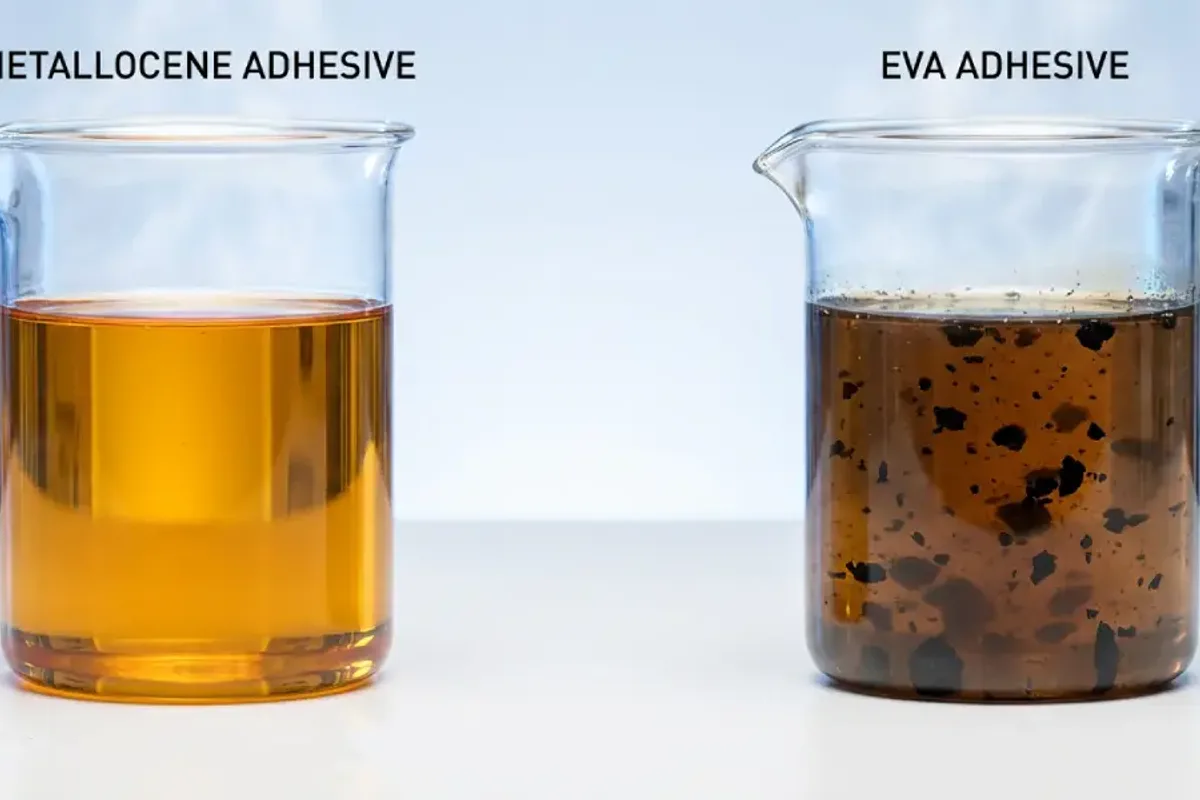
Thermal stability mattered because a hot melt that degrades in the tank will eventually show up as clogged nozzles, filter changes, and line interruption.
What changed on the case-sealing line
- Cleaner nozzle behavior: The approved grade reduced char-driven clogging and helped the applicator stay cleaner over longer heated runs.
- Better adhesive mileage: Lower-density metallocene and cleaner bead control improved usage efficiency instead of solving uptime only by applying more adhesive.
- Faster lock on recycled board: The line kept the short-compression, fast-set behavior needed for corrugated cases with higher recycled fiber content.
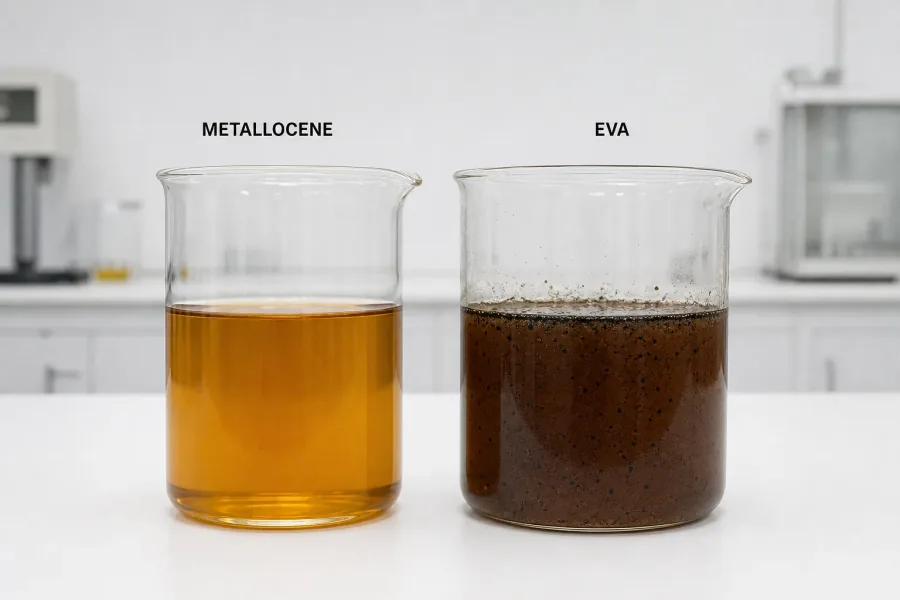
Validated operating window
Validated operating window
The testimonial-backed operating result stayed focused on the real maintenance pain point that triggered the project in the first place.
The approved route aligned with the repo-stated case-sealing outcome of lower adhesive cost through better mileage and cleaner running.
Approval remained tied to the high-speed case-packer window already defined on the box-sealing solution page.
Related resources
- EVA vs. Metallocene: Optimizing Food Packaging Adhesives
Thermal stability, char, and recycled-board fiber lock—the guide used alongside this case-sealing qualification.
- Request a 1 kg case-sealing trial
Prepaid metallocene sample for nozzle cleanliness and recycled-board set screening on your erector line.

" During the six-month qualification window on Senda's metallocene hot melt, we did not log a nozzle clog event tied to char buildup. Cleanup stops dropped sharply and case sealing stayed stable on our recycled-board mix. "
Ready to Write Your Own Success Story?
Our technical engineers are ready to help you solve your specific adhesion challenges. Get in touch for a free consultation and sample testing.
Replicate This Success