Tear tape coating performance depends on controlled web tension, stable coating temperature, correct adhesive system selection, coating weight uniformity, and precise positioning on corrugated or folding carton lines. Reliable opening behavior is achieved through validated process windows—not through single-point peel force values or assumed line-speed claims.
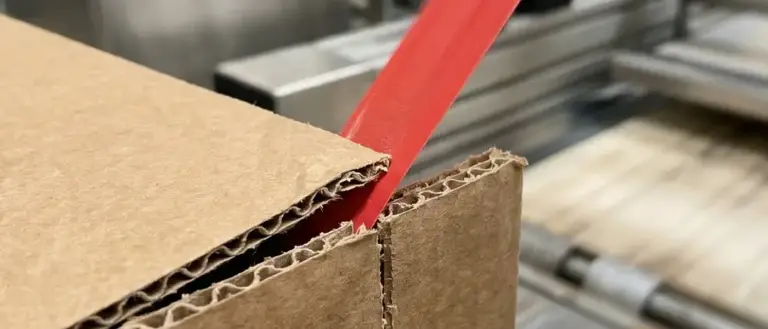
Table of Contents
- ·Why Tear Tape Approval Should Start With the Opening Failure
- ·Tear Tape Structure: Film, Fiber, Width, Stiffness, and Release
- ·Substrate Variables: Corrugated Board, Folding Carton, Coated Paper, and Films
- ·Adhesive Selection: Anchor Bond, Controlled Peel, and Clean Opening
- ·Coating Weight, Wet-Out, Edge Control, and Line Speed
- ·Coating Application: Slot Die, Roll Coater, Temperature, and Web Tension
- ·Positioning on Corrugators, Box Lines, and Easy-Open Pack Formats
- ·Drying, Cooling, Rewind, Blocking, and Roll Storage
- ·Converting Checks: Slitting, Registration, Tape Placement, and Pull Tab Design
- ·Validation Tests: Peel Force, Fiber Tear, Tear Path, Aging, Heat, Cold, and Humidity
- ·Troubleshooting Common Tear Tape Defects
- ·Supplier Documents and Procurement Checks
- ·Build a Practical Tear Tape Trial Record
- ·Field Evidence
- ·Final Takeaway
- ·Frequently Asked Questions
Why Tear Tape Approval Should Start With the Opening Failure
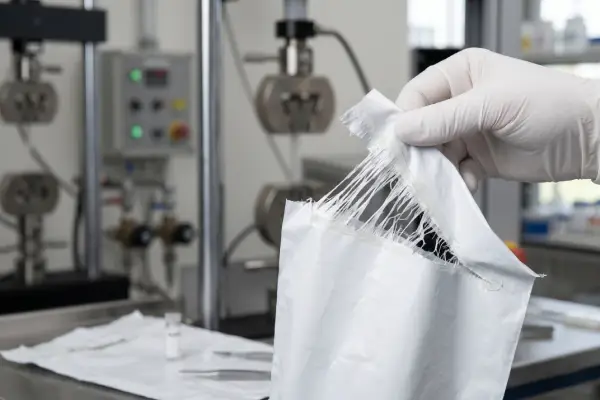
Tear tape systems are judged by one moment: how a consumer opens the pack. If the opening feels inconsistent, tears off-track, leaves residue, or requires excessive force, the entire packaging experience is affected. However, these visible symptoms usually originate much earlier in the production chain.
In industrial practice, tear tape failures are rarely caused by a single variable. Instead, they result from a combination of coating instability, substrate variability, adhesive selection, web handling conditions, and converting alignment. A system that performs well in a lab peel test can still fail on a corrugator line if tension, temperature, or positioning drift outside the qualified window.
This is why tear tape qualification should begin with the failure mode rather than the coating parameter. The key question is not only “what peel force was measured,” but “what kind of opening failure is occurring.”
Common failure modes include:
- Snap-back during opening
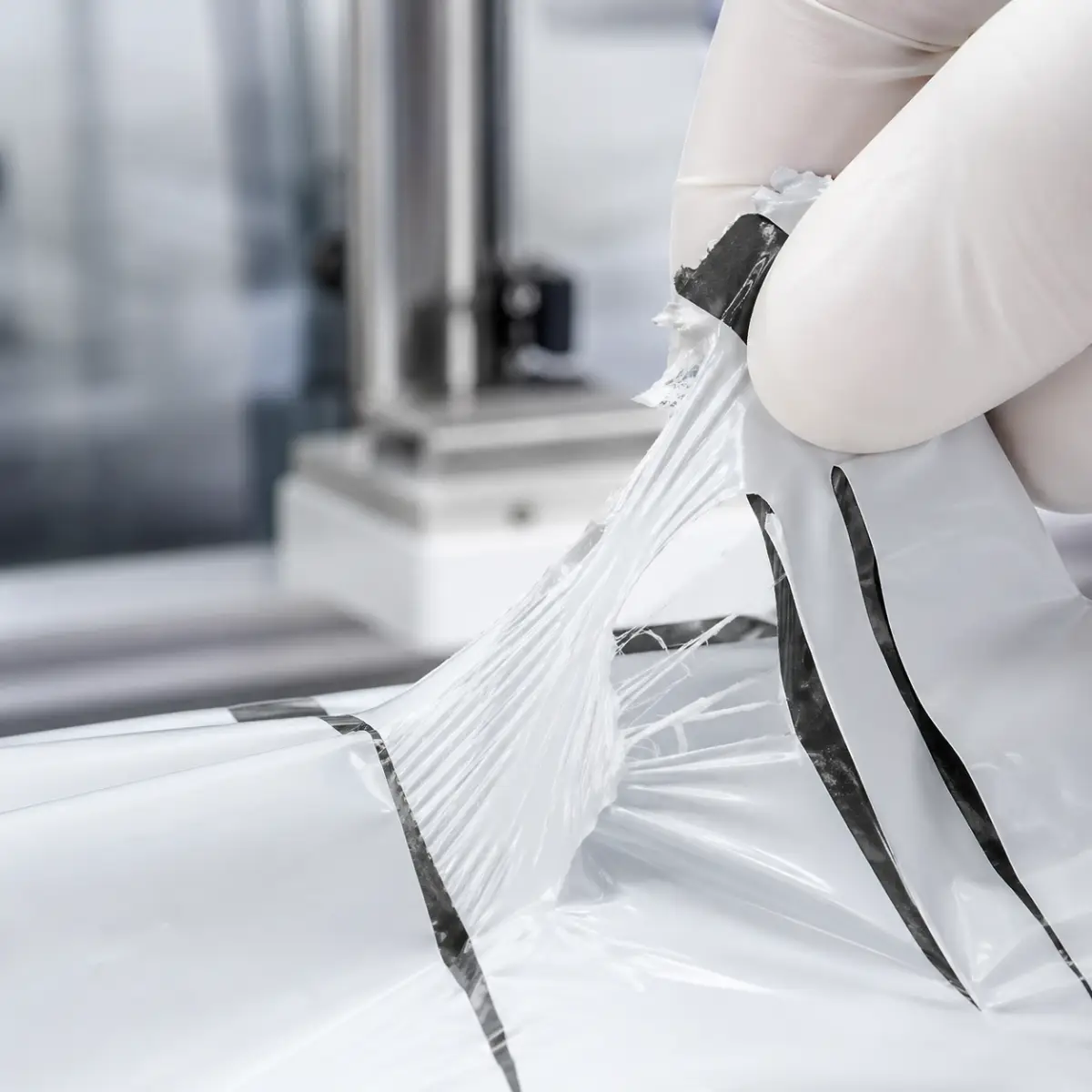
- Ragged fiber tear along the corrugation
- Partial opening or interrupted tear path
- Adhesive residue or edge bleed on carton surface
- Tape detachment from board instead of controlled tear
- Blocking or blocking transfer during rewind or storage
Each of these failures points to a different part of the system. For example, snap-back is often related to energy imbalance between anchor bond and controlled peel. Ragged fiber tear may indicate substrate variation or excessive anchoring. Edge bleed is frequently associated with coating weight, temperature drift, or insufficient drying.
A structured qualification approach ensures that tear tape is evaluated as a system:
| Buyer Question | Qualification Focus |
|---|---|
| What is the opening failure mode? | Tear path, snap behavior, fiber tear, residue |
| Is the substrate consistent? | Corrugated board grade, coating, moisture, fiber structure |
| Is the adhesive stable in process? | PSA system, coating method, temperature window |
| Is positioning controlled? | Tape placement, score alignment, corrugator accuracy |
| Does conversion remain stable? | Slitting, rewind tension, blocking, edge condition |
This system view helps prevent over-correction, such as increasing adhesive strength when the root cause is misalignment or unstable web tension.
Tear Tape Structure: Film, Fiber, Width, Stiffness, and Release
Tear tape performance starts with its physical structure. The tape is not just an adhesive layer—it is a composite system that may include film backing, fiber reinforcement, or engineered tear direction properties.
Film-based tear tapes typically offer predictable tear direction and consistent edge behavior. Fiber-reinforced tapes can provide higher resistance to random tearing but may introduce variability depending on fiber orientation. Tape width and stiffness influence how force is distributed during opening. Narrow tapes concentrate force; wider tapes distribute stress across a broader tear zone.
Release characteristics also matter. If the adhesive interacts too strongly with the release liner during conversion, it can affect unwind stability and coating uniformity. If release is too weak, blocking or premature transfer may occur during storage.
Key structural variables include:
- Film type (polymer film, reinforced structure, composite system)
- Fiber orientation (if applicable)
- Tape width and thickness
- Longitudinal stiffness and tear propagation direction
- Adhesive coating compatibility with substrate and liner system
These variables define how the tape behaves before it ever reaches the corrugator or packaging line.
Substrate Variables: Corrugated Board, Folding Carton, Coated Paper, and Films
Tear tape performance is highly dependent on substrate structure. Corrugated board, folding carton, and coated paper behave differently under tension and tear stress.
Corrugated board introduces fiber directionality and flute structure. Tear propagation often follows the path of least resistance through the fiber network. Variability in moisture content or recycled fiber ratio can change tear consistency.
Folding cartons may present smoother surfaces but rely heavily on coating and surface energy for anchorage. Coated paperboard can reduce fiber tear and shift failure toward adhesive or interface separation.
Flexible film substrates behave differently again, often requiring controlled anchoring systems to prevent detachment or uncontrolled tearing.
Substrate variables that should be recorded:
| Substrate Factor | Impact on Tear Tape Performance |
|---|---|
| Fiber structure | Influences tear path and resistance |
| Moisture content | Affects fiber strength and flexibility |
| Surface coating | Changes adhesion and anchor bond behavior |
| Caliper variation | Influences stress distribution |
| Recycling content | Can introduce inconsistency in tear behavior |
Because substrate variability is often seasonal or supplier-dependent, tear tape systems should not be approved on a single board lot.
Adhesive Selection: Anchor Bond, Controlled Peel, and Clean Opening
Tear tape adhesives are typically designed around a balance between anchor bond and controlled peel behavior. The anchor bond ensures the tape remains attached during handling, converting, and distribution. Controlled peel ensures the tape releases cleanly when the consumer applies force.
Hot melt PSA systems are commonly used for high-speed coating environments, while water-based PSA systems may be selected for specific substrate compatibility or process requirements. The correct selection depends on coating method, drying capability, and production speed window.
The critical balance is between:
- Anchor strength: prevents premature detachment
- Peel control: enables consistent opening force
- Fiber interaction: determines tear propagation quality
If anchor strength is too low, the tape may detach from the board instead of opening the package. If peel strength is too high, opening becomes inconsistent or requires excessive force. If the balance is correct but coating is unstable, performance can still drift during production.
Important note: peel force values alone do not define performance. Two systems with identical peel numbers can behave differently depending on substrate, coating weight, and application geometry.
Coating Weight, Wet-Out, Edge Control, and Line Speed
Coating weight is one of the most sensitive parameters in tear tape production. It influences adhesion, edge stability, blocking risk, and opening consistency.
Low coating weight may reduce anchoring, leading to detachment or inconsistent opening. Excess coating weight may cause edge bleed, blocking, or unwanted adhesive transfer during rewinding. Uniformity is more important than absolute value in many production scenarios.
Wet-out behavior determines how well the adhesive contacts the substrate surface. Poor wet-out may lead to weak anchor zones. Over-wetting may cause edge instability or bleed into adjacent areas.
Line speed interacts directly with coating stability. While some production systems operate at high speeds, performance should always be validated within a defined process window rather than assuming universal capability.
Key variables include:
- Coating weight distribution across web width
- Edge definition and containment
- Adhesive leveling and wet-out behavior
- Line speed stability vs. fluctuation
- Temperature consistency across application zone
Coating Application: Slot Die, Roll Coater, Temperature, and Web Tension
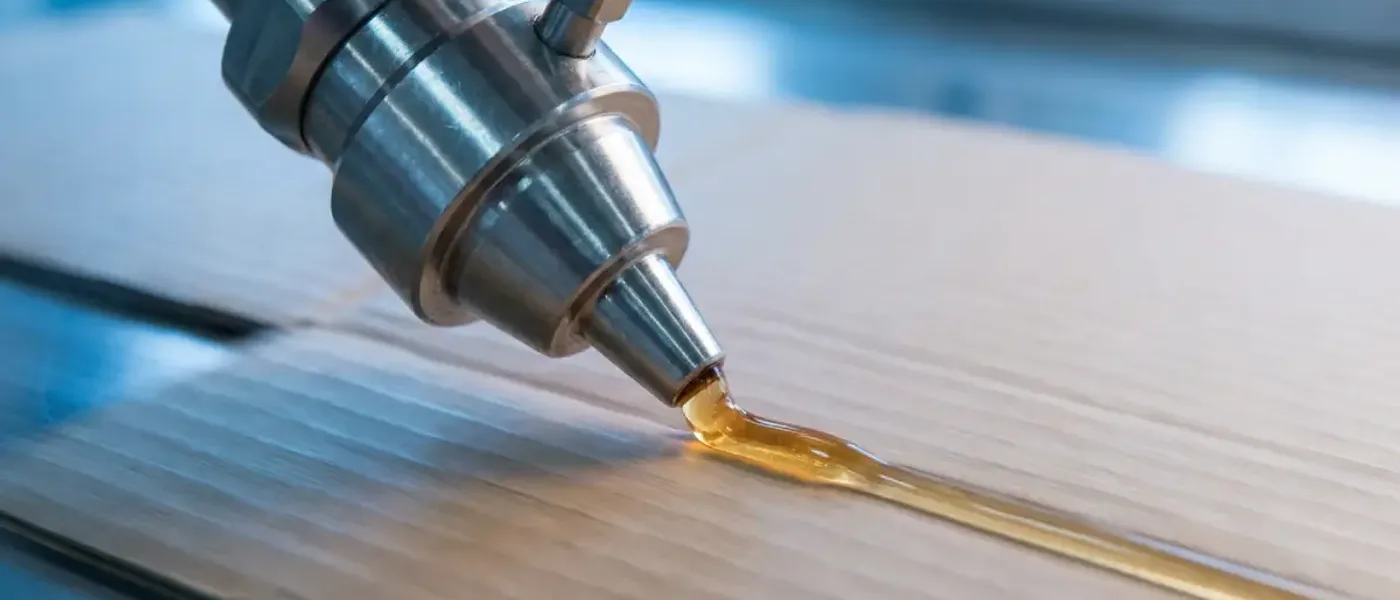
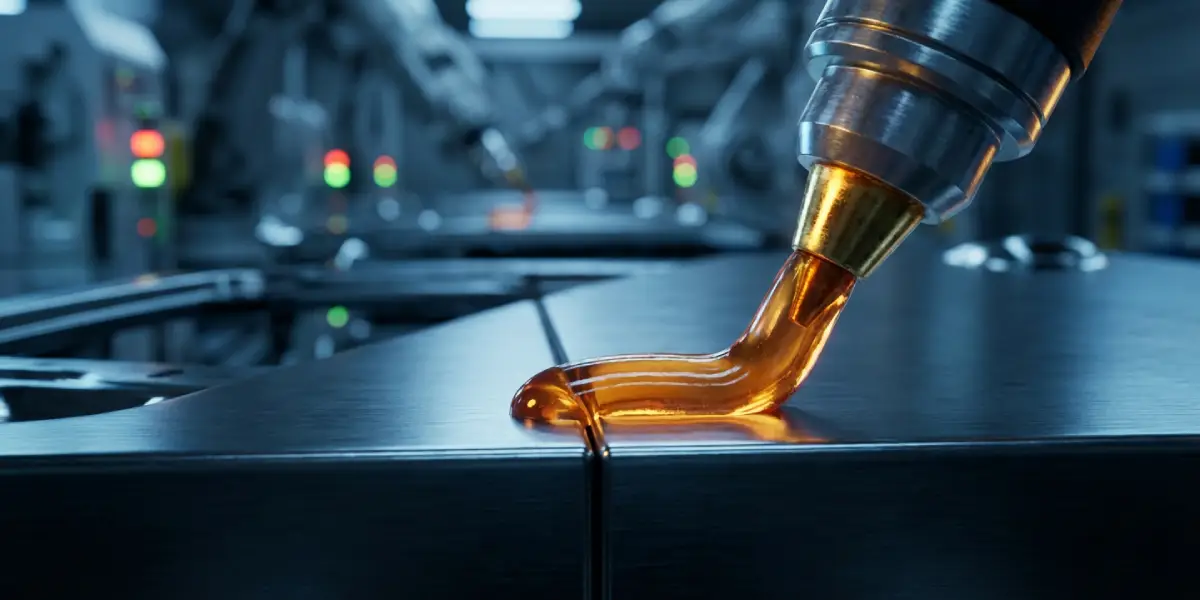
Tear tape coating is typically applied using slot die or roll coating systems, depending on production requirements. Each method introduces different control variables.
Slot die coating provides high precision and uniform distribution but requires stable pressure, clean die geometry, and controlled viscosity. Roll coating is more tolerant to variation but may introduce coating banding or edge inconsistency if tension is unstable.
Temperature is critical for hot melt PSA systems. If temperature is too low, flow becomes inconsistent. If too high, adhesive degradation or stringing may occur. Water-based systems introduce drying and evaporation control as the key variable instead of melt temperature.
Web tension directly affects coating uniformity. Unstable tension can create thickness variation, coating streaks, or misalignment of tear tape positioning. Tension fluctuation often shows up later as consumer-level opening inconsistency.
| Process Variable | Risk if Uncontrolled |
|---|---|
| Web tension | Coating banding, misalignment, tear instability |
| Temperature | Viscosity drift, degradation, inconsistent transfer |
| Coating method | Edge variation, thickness instability |
| Line speed | Insufficient wet-out or unstable drying |
| Viscosity | Poor leveling or excessive stringing |
Positioning on Corrugators, Box Lines, and Easy-Open Pack Formats
Tear tape positioning is a critical mechanical factor. Misalignment relative to score lines or corrugation structure can shift tear direction and change opening behavior.
On corrugated boxes, alignment with flute direction and score geometry determines how force propagates. If positioning is offset, the tear may deviate, leading to ragged opening or partial failure. On folding cartons, positioning relative to folding lines and structural stress points determines whether opening remains controlled or becomes unpredictable.
Positioning issues are often mistaken for adhesive failures. In reality, the tape may be functioning correctly, but the geometry is incorrect.
Important positioning variables:
- Alignment to score lines
- Distance from edge or fold
- Symmetry across box design
- Interaction with structural stress zones
- Tape path continuity across folds
Drying, Cooling, Rewind, Blocking, and Roll Storage
After coating, tear tape must pass through drying, cooling, and rewind stages without introducing instability. Blocking occurs when adhesive layers interact under pressure during storage or rewind. This can lead to transfer defects or uneven opening force later in the packaging line.
Cooling is especially important for hot melt systems. If cooling is insufficient before rewind, adhesive deformation or blocking risk increases. For water-based systems, incomplete drying can lead to moisture retention and instability during storage.
Roll storage conditions also matter. Temperature, pressure, stacking height, and storage duration can all influence long-term performance.
Key storage risks:
- Blocking under roll pressure
- Edge deformation during rewind
- Adhesive migration under heat
- Moisture imbalance in water-based systems
- Loss of release stability over time
Converting Checks: Slitting, Registration, Tape Placement, and Pull Tab Design
Tear tape must survive converting operations before it reaches the end user. Slitting accuracy, registration control, and placement consistency all affect final performance.
Slitting can introduce edge stress or contamination. Poor slit quality may affect tear propagation. Registration errors may shift tape position relative to package geometry. Pull tab design influences how the consumer initiates opening force.
A well-controlled converting process ensures:
- Stable slit edges without deformation
- Consistent tape placement across production batches
- Alignment with intended tear direction
- Repeatable pull tab geometry and accessibility
Validation Tests: Peel Force, Fiber Tear, Tear Path, Aging, Heat, Cold, and Humidity
Tear tape validation should combine laboratory testing with real-world simulation. Peel force alone is not sufficient. Tear path behavior, fiber tear consistency, and environmental aging must also be considered.
Important validation dimensions:

| Test Type | Purpose |
|---|---|
| Peel force | Baseline adhesion measurement |
| Fiber tear observation | Evaluates substrate interaction |
| Tear path consistency | Ensures controlled opening |
| Heat aging | Tests adhesive stability under temperature |
| Cold conditioning | Evaluates brittleness and snap-back |
| Humidity exposure | Tests substrate and adhesive interaction |
Testing should reflect the actual distribution and storage conditions of the final product, including humid warehouses, cold shipping environments, and variable handling conditions.
Troubleshooting Common Tear Tape Defects
| Defect | Possible Cause | First Check |
|---|---|---|
| Snap-back opening | High elastic recovery, imbalance of anchor vs peel | Adhesive balance, substrate stiffness |
| Ragged tear | Fiber direction, positioning error | Tape alignment, corrugation structure |
| Edge bleed | Excess coating weight, temperature drift | Coating weight, thermal control |
| Blocking | Storage pressure, incomplete cooling | Rewind tension, storage conditions |
| Tape detachment | Low anchor bond | Surface energy, coating method |
| Inconsistent opening force | Tension fluctuation, substrate variation | Web tension stability, board moisture |
Supplier Documents and Procurement Checks
Procurement teams should evaluate both technical and commercial readiness. Tear tape systems require consistent documentation to ensure repeatability in production.
| Document | Purpose |
|---|---|
| TDS | Coating method, viscosity range, application window |
| SDS | Safety handling and storage |
| Batch traceability | Production consistency control |
| MOQ | Supply chain planning |
| Lead time | Production scheduling |
| Process recommendation | Coating, tension, temperature guidance |
Build a Practical Tear Tape Trial Record
A structured trial record ensures that tear tape performance can be reproduced at scale.
| Record Item | What to Capture |
|---|---|
| Substrate type | Board grade, coating, moisture content |
| Adhesive system | PSA type, batch, viscosity |
| Coating method | Slot die or roll coater |
| Coating weight | Target and observed range |
| Web tension | Setpoint and variation |
| Line speed | Production and test speeds |
| Positioning | Tape alignment relative to structure |
| Drying/cooling | Conditions and timing |
| Validation results | Peel, tear path, fiber tear |
| Failure mode | Snap-back, ragged tear, edge bleed, etc. |
Need a tear tape coating trial plan?
Review tape structure, substrate, coating weight, web tension, positioning, and opening-force targets before line approval.
Review Tear Tape SolutionsField Evidence
Useful internal links to preserve or add where relevant:
Field evidence should always include process context, not only final product photos. A clean opening result without coating parameters, tension data, or substrate description is not sufficient for scale-up decisions.
Examples of useful evidence:
- Before/after opening images
- Coating line settings
- Substrate batch information
- Failure mode description
- Storage and aging conditions
Final Takeaway
Tear tape coating and application performance is determined by system stability rather than a single parameter. Web tension, temperature, coating weight, substrate structure, positioning accuracy, and conversion behavior all contribute to final opening performance.
A reliable system is one where opening force is predictable, tear path is controlled, and performance remains stable across production, storage, and consumer use conditions. Qualification should therefore focus on process windows, not isolated peel values.
Frequently Asked Questions
What causes messy residue or edge bleed on a tear tape pack?
Edge bleed is typically caused by excessive coating weight, unstable temperature control, or poor wet-out on the substrate. It can also be influenced by storage pressure or incomplete cooling before rewind.
Can a tear tape PSA run at 300 m/min?
Some coating systems may operate at high speeds under controlled conditions, but performance depends on substrate, coating method, viscosity, and process stability. High-speed capability should always be validated within a defined process window rather than assumed universally.
How do I prevent tape snap-back during opening?
Snap-back is often related to imbalance between anchor bond and controlled peel, as well as substrate stiffness and tear geometry. Adjusting coating weight, adhesive formulation, or tape positioning may help stabilize opening behavior.
What coating weight should be tested for tear tape?
Coating weight should be determined through trial on the actual substrate and line conditions. Both under-coating and over-coating can cause performance issues, so a controlled range should be validated rather than relying on a single target value.
How should web tension be controlled during tear tape coating?
Web tension should remain stable across the entire coating and rewind process. Fluctuations can cause coating banding, misalignment, and inconsistent opening behavior. Tension control should be validated under real production speed conditions.
What validation tests matter before approving a tear tape adhesive?
Key tests include peel force, tear path consistency, fiber tear behavior, heat aging, cold conditioning, and humidity exposure. Validation should reflect real storage and distribution conditions.
Why can a tear tape pass peel testing but still open poorly for consumers?
Peel testing measures controlled laboratory conditions, while consumer opening involves geometry, substrate structure, positioning, and stress distribution. A system may pass peel tests but still fail due to misalignment, coating instability, or substrate variation.
When should a tear tape system be requalified?
Requalification is recommended when substrate grade, coating weight, adhesive system, line speed, positioning, or storage conditions change, or when opening defects appear in production.
What documents should purchasing request from the adhesive supplier?
Purchasing should request TDS, SDS, batch traceability, MOQ, lead time, and coating or process recommendations relevant to the production system.
Can Senda provide lab material for a tear tape coating trial?
Yes. Senda can review substrate type, coating method, line conditions, and opening requirements before supplying lab material. Final approval should always be based on validated production trials and real process conditions.
Trial tear tape coating on your structure
Request complimentary 1 kg lab material, with shipping prepaid by the recipient, after screening your tape structure, substrate, coating method, line speed, and opening-force target.
References
Technical Disclaimer: All technical data is based on standard laboratory conditions. Users should perform their own verification testing to confirm suitability for specific substrates, processes, and regulatory requirements. Senda Glue makes no warranties, express or implied, and assumes no liability for improper use of the products or reliance on this information.