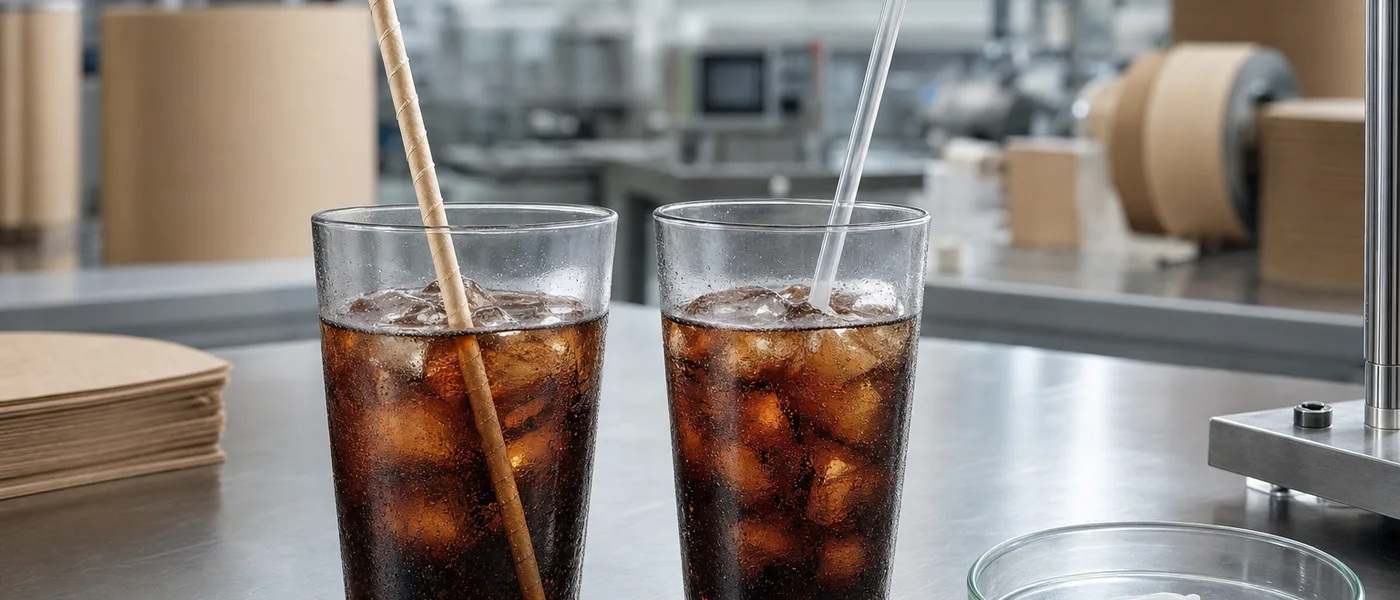
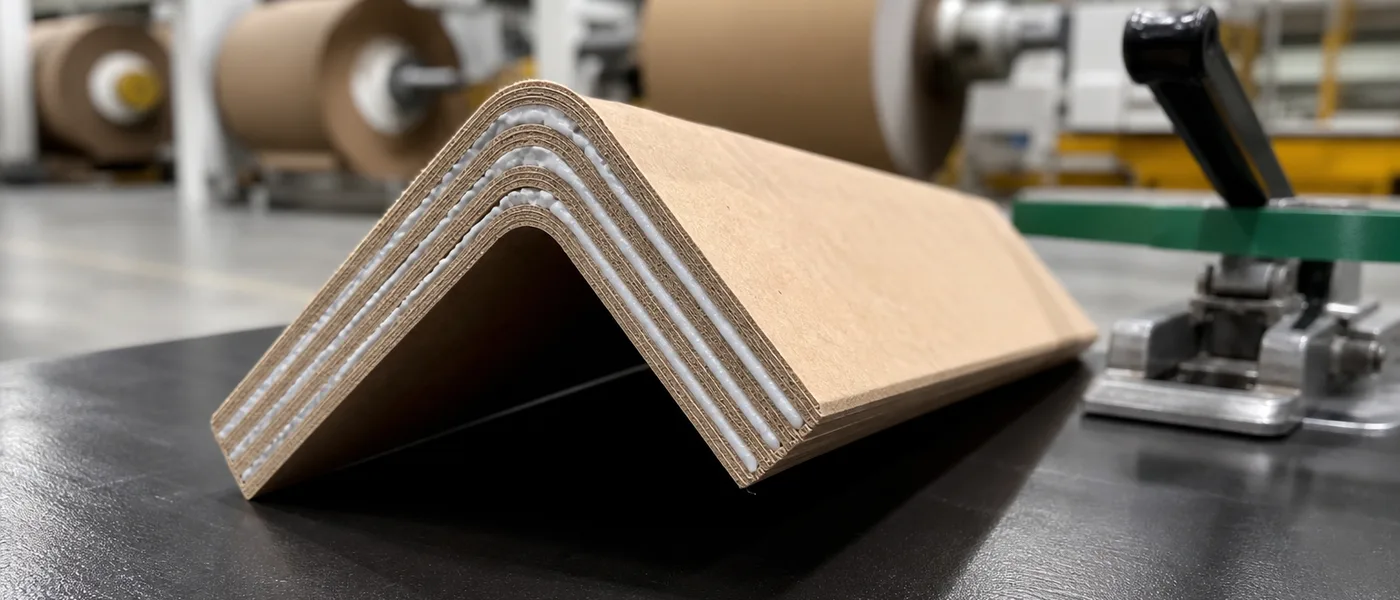
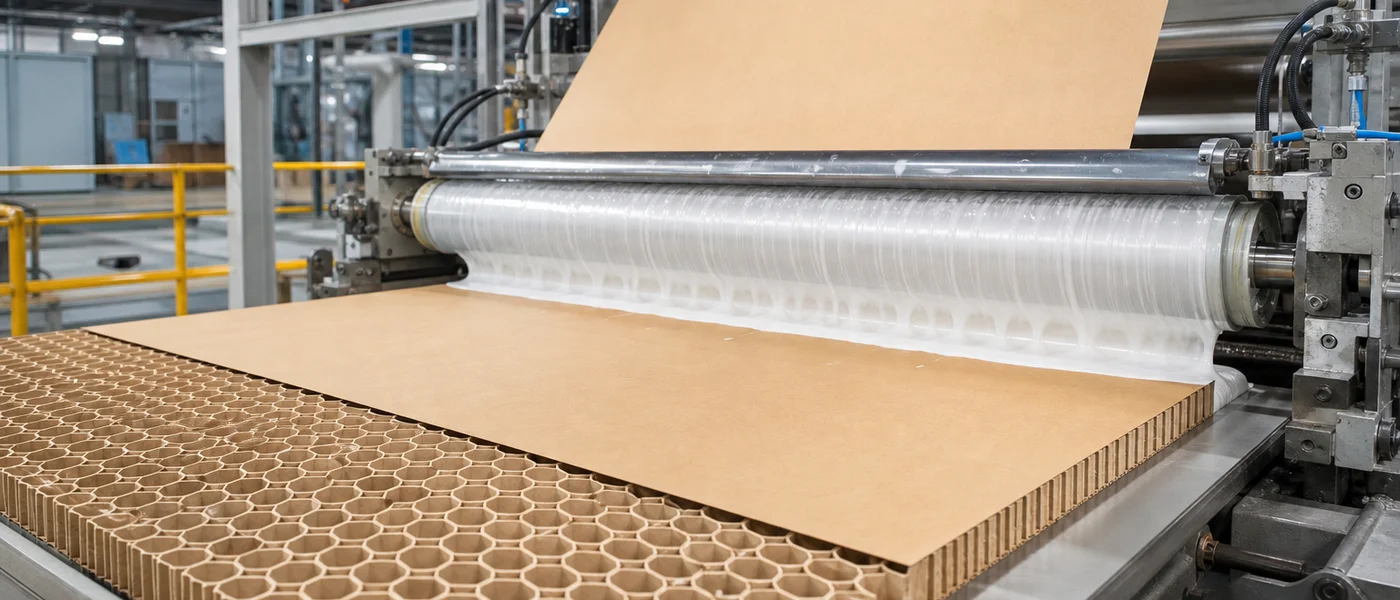
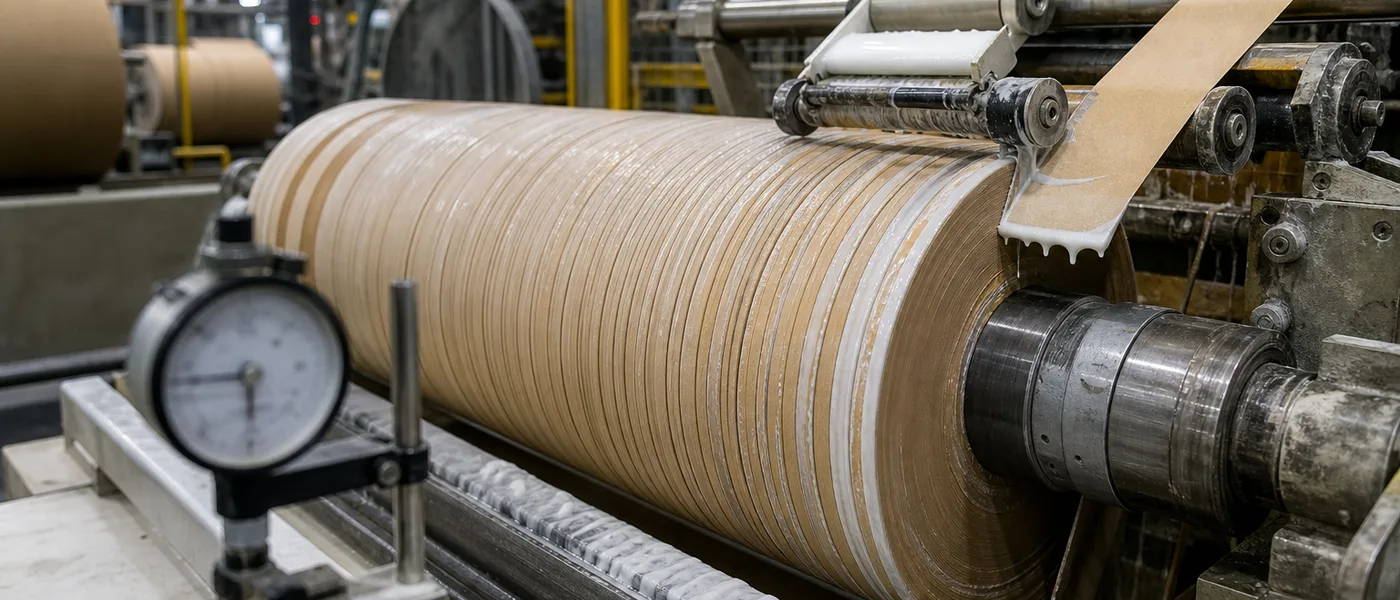
A paper straw that survives service is built through tension control, winding speed, solids management, and the right water-resistant adhesive chemistry. This guide walks through the full process.
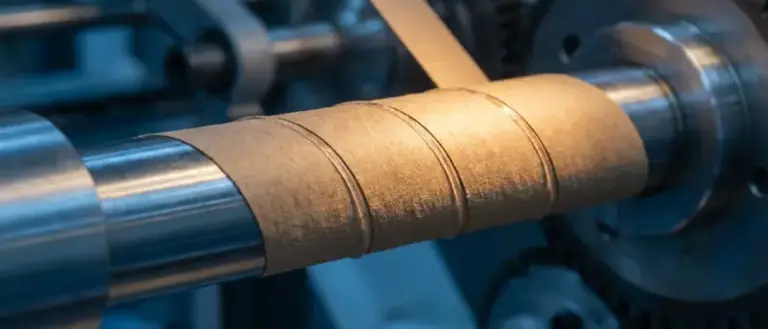
Table of Contents
- ·Closing the Performance Gap: Why Paper Straws Fail Where Plastic Succeeds
- ·Step 1: Slitting and Paper Preparation
- ·Step 2: The Spiral Winding Process (The Core)
- ·Step 3: High-Speed Cutting and "Initial Set"
- ·Step 4: Drying and Polymer Cross-linking
- ·Overcoming Common Manufacturing Challenges
- ·The Science of Preventing the "Soggy Straw"
- ·Next Steps After Manufacturing Qualification
- ·Senda Technical Verdict
- ·Frequently Asked Questions
The manufacturing of a paper straw is often viewed as a simple mechanical process. However, to produce a straw that doesn't collapse or turn into a "soggy mess" in minutes, manufacturers must master the synergy between paper tension, winding speed, and adhesive chemistry.
To the consumer, a straw is a tube. To an engineer, it is a complex composite structure that must withstand immersion in acidic or carbonated liquids for hours. The "glue" isn't just an adhesive; it is a structural waterproofing agent.
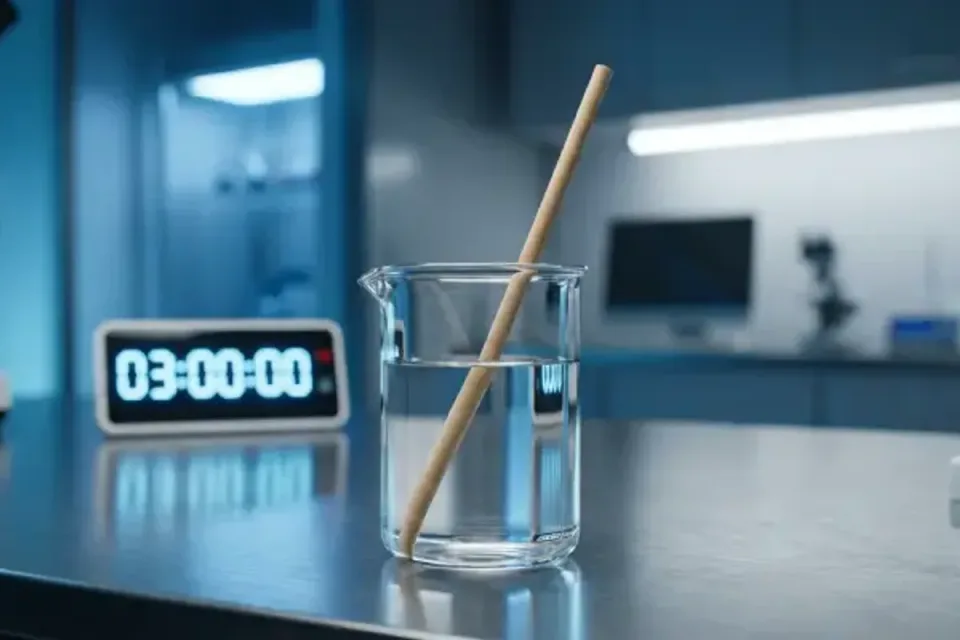
"The industry standard used to be 30 minutes of water resistance. That is no longer acceptable. A premium paper straw must maintain 100% crush strength for at least 3 hours. The difference is entirely in the cross-linking density of the adhesive."
Closing the Performance Gap: Why Paper Straws Fail Where Plastic Succeeds
The global shift away from plastic is driven by regulations like the EU Single-Use Plastics (SUP) Directive. While Polypropylene (PP) straws offered superior durability and low cost, they created a massive microplastic pollution crisis. The market's initial pivot to paper was rocky; early paper straws often dissolved before the drink was finished, creating a poor user experience compared to plastic.
The engineering challenge for Senda was clear: How do we match the 3-hour durability of plastic using only cellulose and water-resistant chemistry? Align declarations with our FDA paper-packaging guide and validate on a live line using the beverage-brand straw case study. For cup-side-seam parallels, see paper cup adhesives.
| Feature | Polypropylene (Plastic) | Standard Paper Straw | Senda Engineered Straw |
|---|---|---|---|
| Liquid Durability | Indefinite | 20-40 Minutes | 3+ Hours (Hot & Cold) |
| Structure | Extruded Monolayer | Loose Spiral Wind | Cross-Linked Composite |
| Mouthfeel | Smooth | Mushy / Paper Taste | Rigid / Odorless |
| Regulatory Status | Banned (EU/UK/CAN) | Compliant | FDA 176.170 & Plastic-Film-Free |
To achieve this "plastic-like" performance in a compliant paper format, the manufacturing process must evolve from simple rolling to precision composite engineering. Here is the technical breakdown of how we achieve it.
Step 1: Slitting and Paper Preparation
The process begins with high-wet-strength food-grade paper. Large rolls are slit into narrow strips (typically 13mm to 15mm wide). At this stage, the primary concern is Tension Control. If the tension is uneven, the adhesive application in the next step will be inconsistent, leading to weak spots in the spiral bond.
Step 2: The Spiral Winding Process (The Core)
This is where the straw takes shape. Three plies of paper are pulled simultaneously through an adhesive bath or via an applicator wheel and then wound around a stationary mandrel. Each layer has a specific function and requires a specific adhesive rheology.
Function: Direct liquid contact. Requires high wet strength paper (60gsm+). Adhesive Need: must be selected for direct-contact paper applications reviewed under FDA 176.170 for direct contact and highly water-resistant.
Function: Structural rigidity and crush resistance. Adhesive Need: High solids content (>45%) to minimize water introduction during manufacturing and prevent "soggy" drying.
Function: Branding and mouthfeel. Often printed. Adhesive Need: Clean cut-off (no stringing) to ensure a smooth finish without sticky residue on the consumer's lips.
Technical Insight: The speed of the winding belt (often exceeding 80m/min) requires the adhesive to have high Green Strength (initial tack). If the initial tack is too low, the straw will "telescope" (layers sliding apart) before it even reaches the cutter.
Step 3: High-Speed Cutting and "Initial Set"
As the continuous tube leaves the mandrel, a high-speed rotating knife cuts it to precise lengths. This is the moment of truth for the adhesive. The bond must be strong enough to withstand the mechanical shock of the blade without delaminating. This requires an adhesive with a rapid setting speed but enough "open time" to prevent drying on the mandrel, which causes jams.
Step 4: Drying and Polymer Cross-linking
After cutting, the straws are often passed through a drying section. For high-performance straws, this isn't just about removing water; it’s about Polymer Cross-linking. Unlike standard PVAc craft glues that re-dissolve in water, professional straw adhesives (typically VAE or Acrylic copolymers) create an irreversible chemical bond during this stage, ensuring the straw remains insoluble even after 3 hours of immersion.
Overcoming Common Manufacturing Challenges
Beyond the basic process, manufacturers often face specific quality issues as production scales. Understanding these challenges is key to reducing reject rates and maintaining client trust.
Challenge 1: Adhesive Delamination (Unraveling)
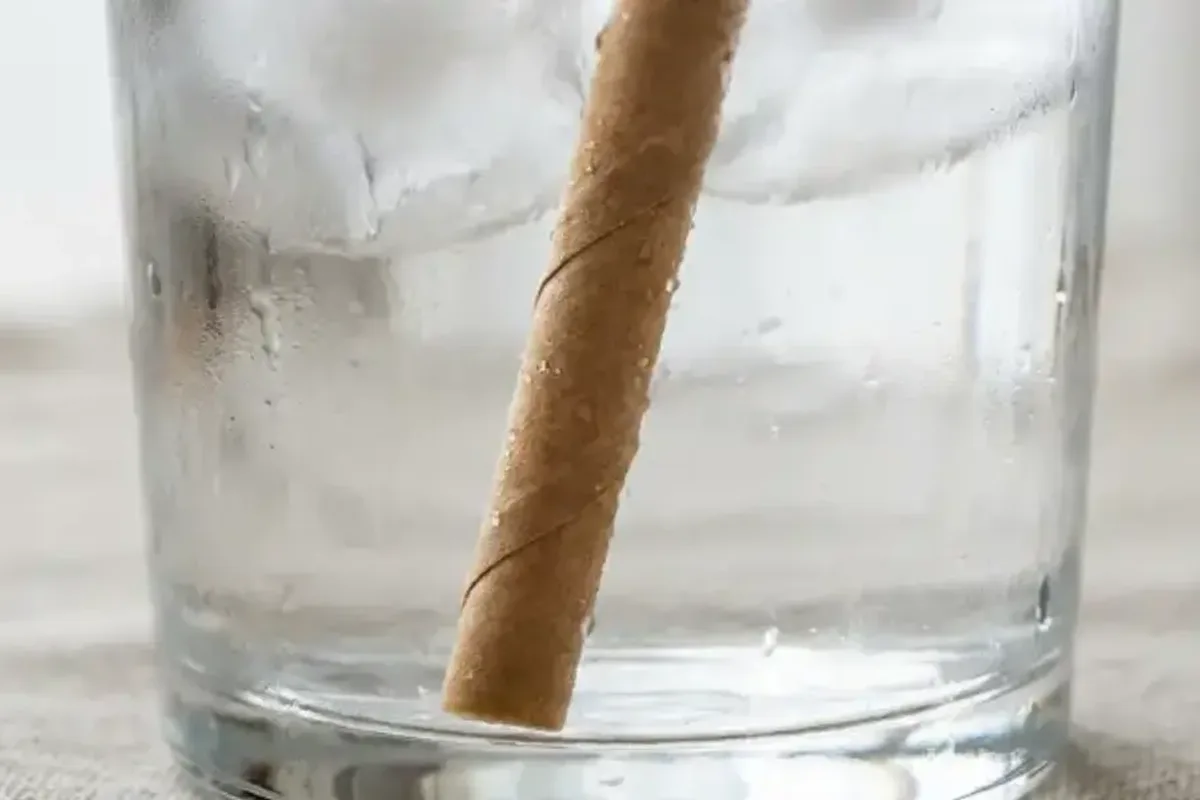
One of the most significant challenges in paper straw production is delamination—where the paper layers peel apart. This is rarely a paper failure; it is an adhesive failure caused by "Liquid Weakening."
The Physics of Failure
Cause: Capillary action pulls the beverage into the paper fibers. If the adhesive is water-soluble (like cheap craft glue), the bond dissolves, and the spiral structure loses its tension.
Solution: Manufacturers must switch to water-resistant adhesives with cross-linking properties. Senda's formula creates a hydrophobic barrier that prevents the bond from re-emulsifying, even in acidic juices or carbonated sodas.
Challenge 2: Balancing Cost vs. Scalability
A major pitfall for factories is choosing an adhesive based solely on price per kilogram. This creates a False Economy.
- Low-Solids Glue (Cheap): Contains mostly water. Requires slower machine speeds to dry. Leads to "soggy" straws because the paper absorbs the excess water during winding.
- High-Solids Glue (Senda WB-Series): Contains >48% polymer. Dries instantly. Allows you to run spiral winders at max speed (100m/min) with higher yield per drum.
The Science of Preventing the "Soggy Straw"
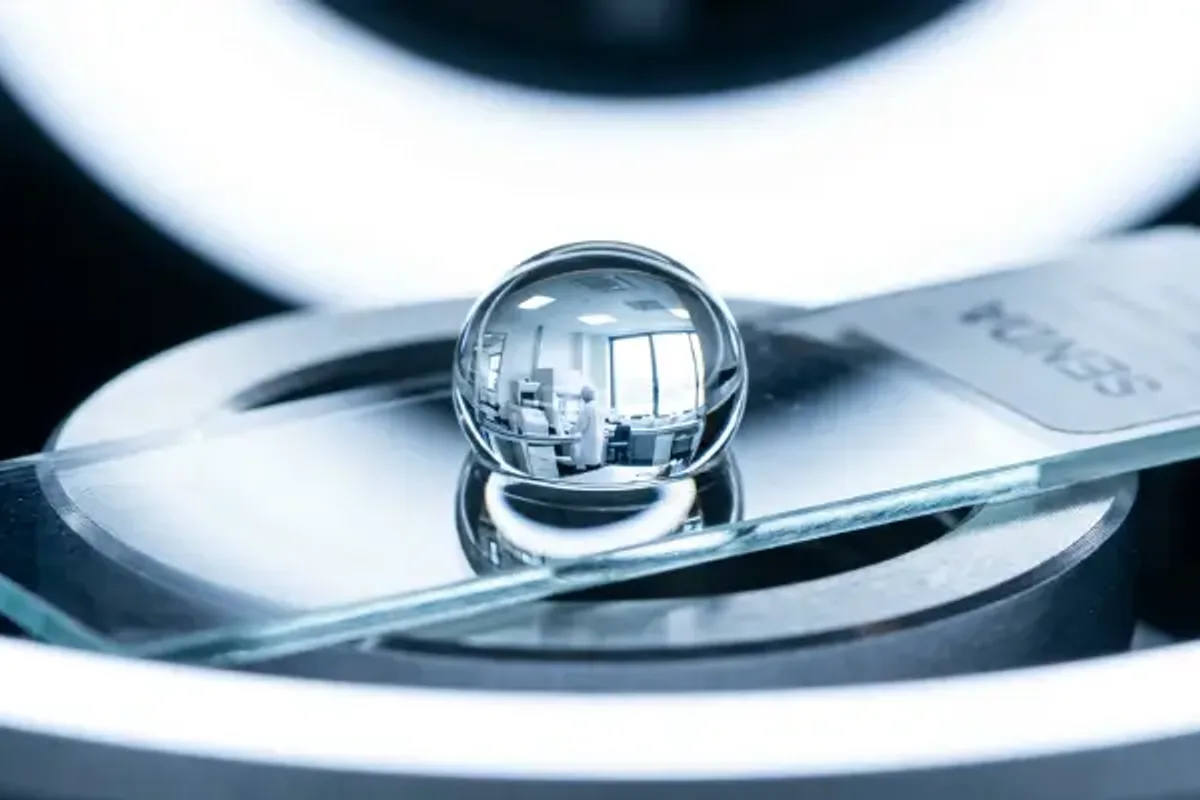
Why do most manufacturing processes fail? It usually comes down to the Solids Content of the glue. Low-quality glues introduce too much water into the paper fibers during Step 2, essentially pre-softening the straw before it ever reaches the customer. Our WB-Series uses a high-solids formulation (>48%) to ensure the paper stays rigid and dry from the inside out.
Manufacturing Optimization Checklist
Senda Engineering Recommendations:
- Machine Speed: Is your glue tack fast enough for 100+ straws/min? If not, upgrade to a high-speed grade.
- Compliance: Do you have a batch-specific COA and paper-contact review package for your direct-contact application?
- Substrate Compatibility: Is the glue wetting out effectively on recycled vs. virgin fiber?
- Solids Check: Ensure your adhesive is >45% solids to minimize drying time and prevent warping.
Take the 3-Hour Challenge
Tired of customer complaints about soggy straws? Get a sample of our High-Water-Resistance Straw Adhesive and run a side-by-side immersion test against plastic and standard paper straws.
Request Manufacturing SampleNext Steps After Manufacturing Qualification
Once winding, solids, and soak targets are defined on the line, the commercial route lives on paper straw adhesives. If procurement or brand teams still need a paper vs plastic straw decision frame before scale-up, read the comparison guide before you commit line changes.
Senda Technical Verdict
- Verify the Bond: Perform a "Water Soak Test." A quality straw should retain 80% of its crush strength after 2 hours in room-temperature water.
- Don't skimp on Solids: Cheap glue is mostly water. High-performance glue is mostly polymer. The upfront cost is higher, but the straw quality (and brand reputation) is incomparable.
- Audit for Allergens: Ensure your supplier provides a statement confirming the adhesive is Gluten-Free and free from MOSH/MOAH contamination.
Frequently Asked Questions
How are paper straws made?
Most commercial paper straws are spiral-wound: kraft or food-grade paper plies feed through a mandrel while a water-based adhesive bonds each wrap. Operators control tension, overlap, drying, and cut length. The seam adhesive must wet the fiber, set fast enough for line speed, and hold wet strength in the drink window—not craft glue or random hot melt.
What is the paper straw manufacturing process?
Typical steps: unwind facestock → apply seam adhesive on the forming collar → spiral wind on a mandrel at set overlap → dry or cure the bond → cut to length → optional top-seal or packaging. Qualification includes soak tests, crush retention, and grade-scoped food-contact documentation when straws touch beverage.
What are paper straws made of?
Paper plies (often 3-ply kraft or bleached stock), a water-based seam adhesive (PVAc or acrylic emulsion selected for direct paper contact), and sometimes a thin barrier coat. “Paper only” straws still rely on adhesive and fiber chemistry—performance comes from the full wound structure, not paper grade alone.
How long do paper straws last in a drink compared to plastic?
Plastic straws hold indefinitely in typical service. Generic paper straws often fail in 30–45 minutes. Senda engineered programs target extended cold-soak windows (3+ hours in qualified tests) and shorter hot-drink service—validate on your beverage, temperature, and audit requirements.
What glue is used in paper straws?
Spiral-winding lines use water-based PVAc or acrylic emulsions formulated for seam bond and wet strength, with food-contact documentation paths under FDA 21 CFR 176.170 when applicable. Grade, solids, and drying must match your winder speed and paper stock.
Trial a grade on your winder
Request complimentary 1 kg lab material for bond screening—shipping prepaid by recipient.
References
Technical Disclaimer: All technical data is based on standard laboratory conditions. Users should perform their own verification testing to confirm suitability for specific substrates, processes, and regulatory requirements. Senda Glue makes no warranties, express or implied, and assumes no liability for improper use of the products or reliance on this information.