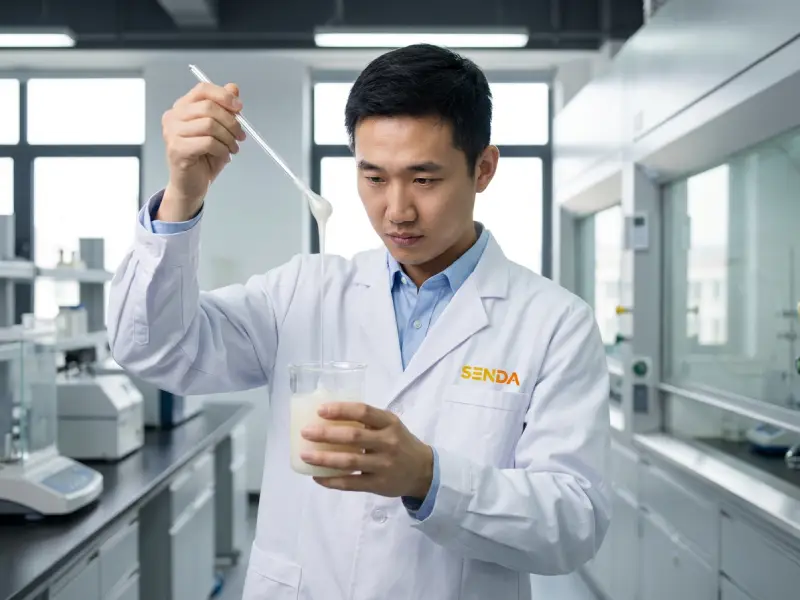
High-speed envelope sealing should be qualified as a complete production system: envelope structure, adhesive chemistry, glue wheel transfer, viscosity, compression belt pressure, cleaning discipline, and security-bond validation. A useful trial proves seal integrity, fiber tear or destructive opening behavior, startup stability, and defect control on the actual envelope structure and machine setup.
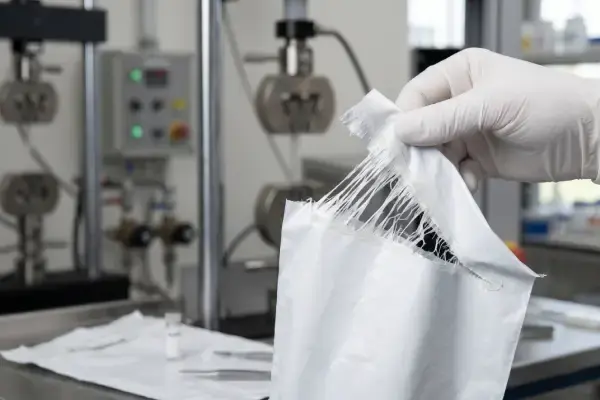
Table of Contents
- ·Why Envelope Sealing Approval Should Start With the Failure Mode
- ·Envelope Structures: Paper, Tyvek, Film, Windows, Flaps, and Release Areas
- ·Adhesive Selection: Hot Melt, Water-Based Adhesive, and Security Bond Targets
- ·Glue Wheel Setup: Film Thickness, Pickup, Transfer, and Edge Control
- ·Viscosity, Temperature, Open Time, and Set Speed on High-Speed Lines
- ·Compression Belt Pressure, Dwell Time, and Flap Closing Geometry
- ·Cleaning Discipline: Wheel Build-Up, Char, Splash, Stringing, and Nozzle Hygiene
- ·Substrate Checks: Porosity, Coating, Moisture, Dyne Level, and Surface Energy
- ·Security Validation: Fiber Tear, Tyvek Bond, Steam Exposure, and Peel Path
- ·Defect Troubleshooting: Skips, Pop-Open Seals, Bleed-Through, Blocking, and Odor
- ·Line Trial Method: Speed Ramp, Startup Waste, Changeover, and Operator Notes
- ·Supplier Documents and Procurement Checks
- ·Build a Practical Envelope Sealing Trial Record
- ·Field Evidence
- ·Final Takeaway
- ·Frequently Asked Questions
Why Envelope Sealing Approval Should Start With the Failure Mode
High-speed envelope sealing problems often appear first as production symptoms, not as simple adhesive failure. A line may show adhesive splash, stringing, pop-open flaps, blocking in stacks, bleed-through on porous stock, weak fiber tear, poor Tyvek destruction, or excessive startup waste. These issues should be named before the team changes adhesive grade, raises temperature, or increases coat weight.
A security envelope, kraft paper mailer, PE mailer, window envelope, and Tyvek program may all need different validation logic. In one case, the target may be a clean permanent seal. In another, the buyer may require visible tamper evidence through fiber tear or destructive opening. In a high-speed mailing operation, the adhesive must also transfer cleanly, set fast enough for stacking, and avoid contamination on belts, wheels, rails, or finished envelopes.
The first question should be: what failed, and where did it fail? Did the flap open during cooling? Did the seal peel cleanly instead of tearing paper fibers? Did the adhesive bleed through the stock? Did the glue wheel throw adhesive at high speed? Did defects appear only after a stop-start cycle? Each answer points to a different root cause.
| Failure Mode | What It May Indicate | First Review |
|---|---|---|
| Pop-open flap | Poor wet-out, low compression, short dwell, low coat weight | Compression belt and glue transfer |
| Adhesive splash | Wheel wear, high viscosity drift, temperature, excessive pickup | Glue wheel condition and settings |
| Stringing | Viscosity, temperature, transfer distance, adhesive grade | Temperature and transfer stability |
| Weak fiber tear | Substrate strength, coat weight, compression, bond path | Paper grade and opening test |
| Tyvek clean peel | Surface anchorage or adhesive mismatch | Tyvek bond validation |
| Bleed-through | Porous stock, too much adhesive, over-compression | Coat weight and paper porosity |
| Blocking | Slow set, excessive coat weight, warm stacking | Set speed and stacking condition |
| Odor | Adhesive age, incomplete cooling/drying, storage | Material handling and process window |
A good qualification process does not ask whether the adhesive “sticks.” It asks whether the envelope sealing system produces the required seal at the real line condition, with acceptable startup waste, cleanup effort, security validation, and purchasing documents.
Envelope Structures: Paper, Tyvek, Film, Windows, Flaps, and Release Areas
Envelope structure controls the sealing challenge. A standard paper envelope is not the same as a security envelope, Tyvek mailer, kraft paper courier bag, PE mailer, window envelope, or e-commerce return mailer. The adhesive must match the flap design, substrate surface, folding geometry, and security target.
Paper envelopes can vary in porosity, coating, sizing, moisture content, and fiber strength. A paper grade that tears well during forced opening may validate differently from a smoother or stronger paper. Kraft paper may absorb adhesive faster than coated paper. Lightweight stocks may be more sensitive to bleed-through or compression marks.
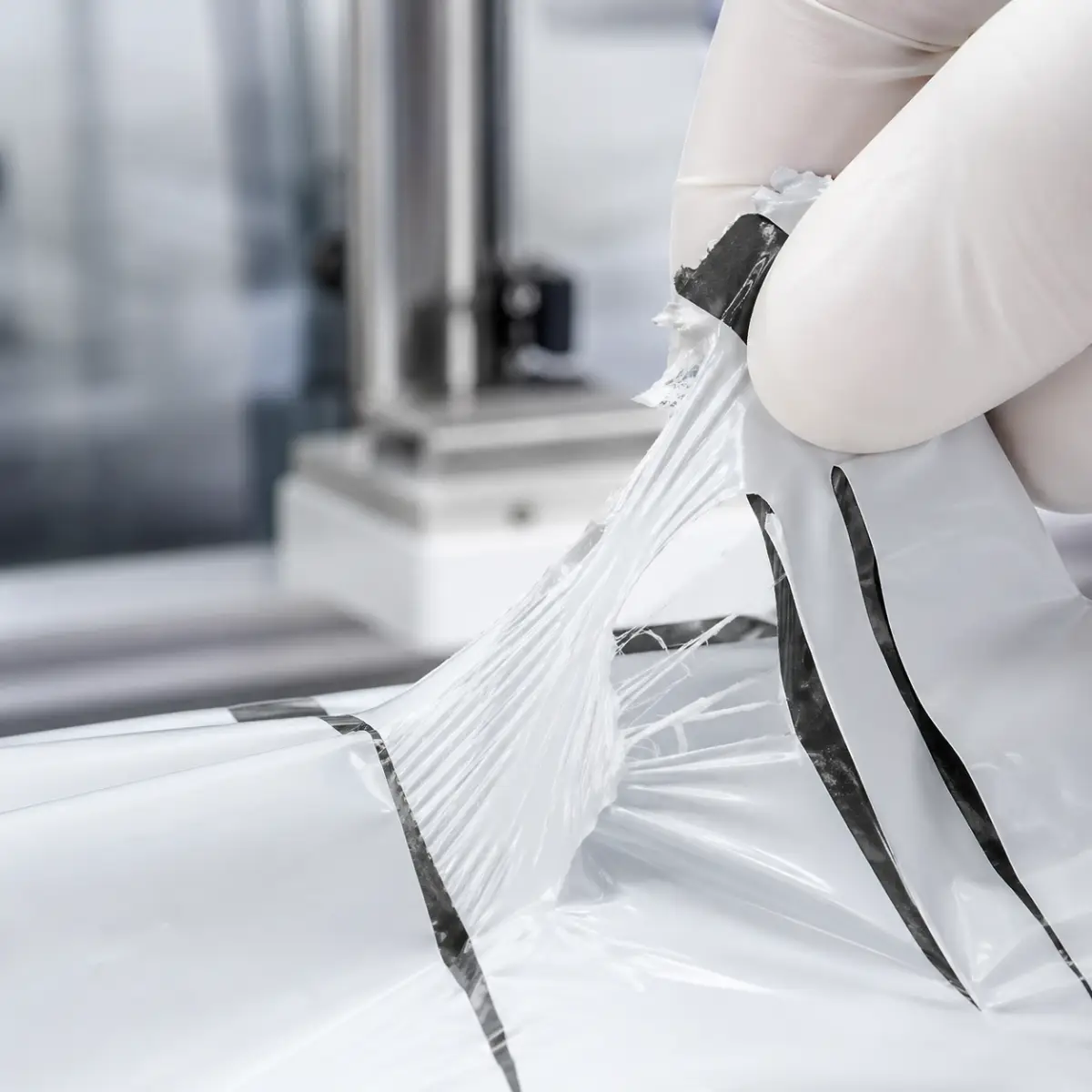
Tyvek programs require separate validation. Tyvek does not behave like ordinary paper fiber. A paper-style fiber tear expectation may not apply in the same way. Instead, the buyer may need destructive opening behavior, visible substrate damage, seal-path disruption, or another agreed test method tied to the final mailer design.
Film and PE mailer structures bring surface-energy questions. A film may need review for dyne level, surface treatment, coating, contamination, and heat history. A hot melt or water-based adhesive that works on kraft paper should not be assumed to work on PE mailer film without a line or lab trial.
Windows, release areas, and printed zones also matter. Window film, coatings, inks, or release-treated sections can change wet-out and bond behavior. Adhesive should not migrate into areas where it causes blocking, visual defects, or functional problems.
| Envelope Component | Qualification Concern |
|---|---|
| Paper flap | Porosity, moisture, fiber tear, bleed-through |
| Kraft paper | Absorbency, coat weight, compression marks |
| Tyvek | Destructive opening behavior and surface anchorage |
| PE mailer | Surface energy, dyne level, film treatment |
| Window film | Adhesive contact, contamination, distortion |
| Printed areas | Ink adhesion, wet-out, rub-off, surface treatment |
| Release areas | Adhesive transfer, contamination, seal interruption |
| Fold geometry | Flap memory, compression contact, dwell time |
A strong trial begins by documenting the exact envelope structure. Do not approve a sealing adhesive on one paper grade and assume it covers every security envelope, Tyvek mailer, kraft paper mailer, or PE mailer in the program.
Adhesive Selection: Hot Melt, Water-Based Adhesive, and Security Bond Targets
Envelope sealing adhesive selection should be based on the equipment, substrate, security requirement, and downstream process. Hot melt and water-based adhesive systems can both be used in envelope-related applications, but each has its own process window.
Hot melt may be selected when the line needs fast set speed, strong early handling, and clean transfer at high speed. It still requires control of viscosity, temperature, coat weight, glue wheel condition, and compression. A hot melt that is too hot, too heavy, or poorly transferred may create splash, stringing, bleed-through, or blocking.
Water-based adhesive may be relevant for certain paper-based constructions or equipment setups, but it depends more heavily on drying, absorption, paper moisture, and handling time. If the envelope is stacked, packed, or compressed before the adhesive has developed the needed bond, pop-open or blocking issues may appear.
Security bond targets should be defined before the trial. “Tamper evident” should not be used as a broad claim unless the test method, envelope structure, adhesive grade, and acceptance criteria are defined. The buyer should decide what evidence is required: paper fiber tear, Tyvek damage, substrate destruction, flap destruction, seal-path distortion, or another opening response.
| Adhesive Decision Point | What to Confirm |
|---|---|
| Hot melt fit | Set speed, wheel transfer, viscosity, blocking, startup behavior |
| Water-based fit | Drying, absorption, moisture, compression, stack handling |
| Security target | Fiber tear, destructive opening, seal distortion, customer method |
| Equipment fit | Glue wheel, nozzle, hose, tank, temperature, belt compression |
| Substrate fit | Paper, Tyvek, kraft paper, PE mailer, window film, coatings |
| Line fit | Speed range, stop-start behavior, cleanup interval, waste |
| Procurement fit | TDS, SDS, MOQ, lead time, sample quantity, batch traceability |
Adhesive selection should be practical. The best adhesive is the one that performs on the actual envelope structure, through the actual machine, under the actual validation method.
Glue Wheel Setup: Film Thickness, Pickup, Transfer, and Edge Control
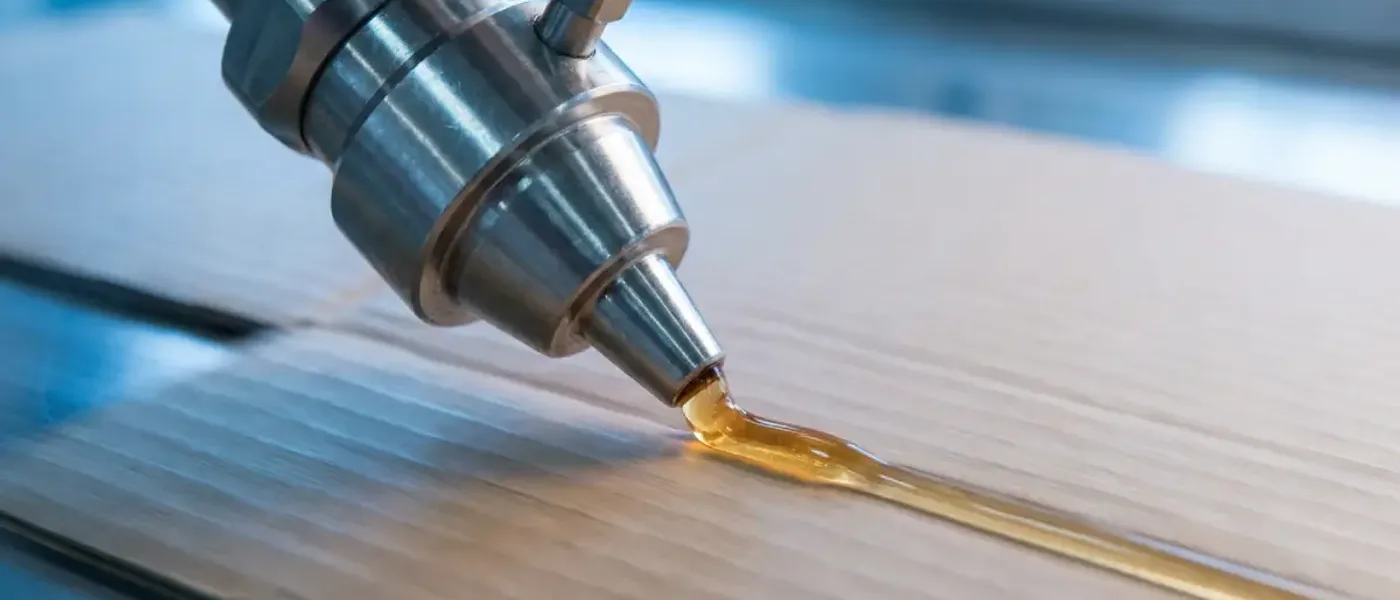
The glue wheel is one of the most important parts of a high-speed envelope sealing system. When the glue wheel is worn, contaminated, misaligned, or poorly matched to the adhesive viscosity, defects can appear even when the adhesive grade is suitable.
Wheel groove condition affects pickup. Worn grooves may carry too little adhesive, too much adhesive, or inconsistent adhesive across the seal path. Excess pickup can cause splash, bleed-through, squeeze-out, or blocking. Low pickup can create pop-open seals, weak fiber tear, or edge gaps. Uneven pickup can create random-looking defects that are actually mechanical transfer problems.
Film thickness should be checked as part of the trial. If coat weight is too low, the adhesive may not wet the flap or substrate enough. If coat weight is too high, the line may see edge bleed, blocking, stringing, or visual contamination. More adhesive is not always the fix. In many cases, the right answer is better wheel contact, cleaner grooves, correct viscosity, and stable compression.
Edge control also matters. Security envelopes often need adhesive in the right location, not just enough adhesive somewhere on the flap. If the adhesive path is too narrow, the seal may open at the edge. If it is too wide, it may contaminate release areas, windows, folds, or stacked envelopes.
| Glue Wheel Variable | Risk If Uncontrolled | Trial Check |
|---|---|---|
| Groove wear | Inconsistent pickup, splash, weak seals | Inspect wheel before trial |
| Film thickness | Weak seal or bleed-through | Record coat weight or setting |
| Wheel temperature | Viscosity drift, stringing, splash | Log temperature range |
| Alignment | Uneven seal path | Check adhesive placement |
| Wheel contamination | Skips, blobs, random defects | Clean before and after run |
| Contact pressure | Low transfer or excessive squeeze | Check mechanical setup |
| Speed ramp | Starvation or splatter at higher speed | Test normal and upper range |
Do not increase temperature or coat weight before checking mechanical transfer. A glue wheel problem can look like an adhesive problem, but the fix may be wheel maintenance, alignment, groove replacement, or cleaning discipline.
Viscosity, Temperature, Open Time, and Set Speed on High-Speed Lines
High-speed envelope sealing compresses the available bonding window. As line speed increases, the time between adhesive pickup, transfer, flap closing, compression, and stacking becomes shorter. The adhesive must stay open long enough to wet the envelope surface, then set fast enough to support handling, stacking, and transit.
Viscosity and temperature should be managed together. If viscosity is too high for the glue wheel setup, transfer may become uneven or stringing may increase. If viscosity is too low, the line may see splash, bleed-through, or edge flow. Temperature changes can shift viscosity quickly, especially in hot melt systems. Raising temperature may improve flow temporarily, but it can also increase splash, char, odor, bleed-through, or blocking if used outside the recommended window.
Open time is the working period before the adhesive loses its ability to wet and bond. Set speed is how quickly the adhesive develops enough strength for handling. On fast lines, these two values must match the distance between application, flap closing, compression belt, and stacking. If the open time is too short, the adhesive may not wet the substrate. If set speed is too slow, envelopes may block, shift, or open after cooling.
During qualification, record:
| Process Variable | Why It Matters |
|---|---|
| Adhesive viscosity | Controls transfer, stringing, pickup, and placement |
| Wheel temperature | Changes flow and film formation |
| Hose or tank temperature | Affects material stability before the wheel |
| Open time | Determines whether the flap closes inside the working window |
| Set speed | Controls stacking, handling, and blocking risk |
| Line speed | Changes dwell and wet-out time |
| Ambient temperature | Affects cooling and set behavior |
| Stop-start behavior | Reveals skinning, plugging, char, or restart defects |
A qualified speed range should be documented. Avoid broad line-speed claims unless tied to the exact adhesive grade, envelope construction, machine setup, and validation method.
Compression Belt Pressure, Dwell Time, and Flap Closing Geometry
Compression turns adhesive transfer into a seal. Even a well-applied adhesive can fail if the flap does not close cleanly or if the compression belt does not provide stable contact.
Under-compression can mimic weak adhesive. The adhesive may sit between the flap and body without enough wet-out or contact. This can create pop-open seals after cooling, weak fiber tear, or edge lift. Over-compression can cause adhesive squeeze-out, bleed-through, edge contamination, blocking, or deformation of lightweight paper.
Dwell time is also important. High-speed lines reduce the time the flap spends under compression. A belt setup that works at lower speed may not provide the same result at higher speed. Belt condition, belt elasticity, pressure distribution, alignment, and flap geometry should be checked before changing adhesive.
Flap closing geometry matters because the envelope flap may have memory. If the fold wants to spring open, the adhesive must hold against that stress. Stiffer paper, thicker kraft paper, Tyvek, PE mailer structures, and certain window constructions can all change flap behavior.
| Compression Factor | What to Check |
|---|---|
| Belt pressure | Under-compression or over-compression |
| Belt wear | Uneven pressure and random seal defects |
| Dwell time | Seal development at actual speed |
| Flap fold memory | Spring-back after compression |
| Envelope thickness | Variation across products or batches |
| Seal path alignment | Contact across the full adhesive line |
| Stack timing | Whether the seal is stressed before set |
Compression should be tuned on the most difficult envelope stock in the program, not only on easy lab sheets.
Cleaning Discipline: Wheel Build-Up, Char, Splash, Stringing, and Nozzle Hygiene
Cleaning discipline is not a housekeeping detail. It is part of envelope sealing qualification. Residue on the glue wheel, tank, hose, rail, nozzle, guide, or compression area can create defects that look like adhesive failure.
Hot melt systems can develop char, skin, gel particles, or aged material if the pot, hose, or wheel area is not managed correctly. Mixed adhesive grades can also create unstable transfer after changeover. Water-based adhesive systems may create dried residue, skins, or blocked transfer areas if equipment is left exposed or poorly cleaned.
Build-up changes pickup and transfer. A small amount of residue on the wheel can create repeating skips. Dried material can throw adhesive at speed, causing splash. Contaminated nozzles or transfer points can create stringing, blobs, or inconsistent coat weight.
Cleaning records should include:
| Area | What to Inspect |
|---|---|
| Glue wheel | Groove build-up, wear, dried adhesive, uneven pickup |
| Tank or pot | Char, skin, old adhesive, contamination |
| Hose | Gel particles, temperature drift, aged material |
| Nozzle or transfer point | Plugging, stringing, unstable flow |
| Rails and guides | Adhesive contamination and envelope drag |
| Compression belt | Squeeze-out, residue, transfer marks |
| Changeover path | Mixed grades, poor purge, restart splatter |
Cleaning should be scheduled before end-of-shift build-up hardens. Grade changes should include purge procedures so mixed hot melt skins or incompatible residues do not splatter on restart.
A clean line is the baseline for a fair adhesive trial.
Substrate Checks: Porosity, Coating, Moisture, Dyne Level, and Surface Energy
Substrate checks prevent false adhesive conclusions. Paper, Tyvek, kraft paper, PE mailer film, and window materials all interact with adhesive differently.
Porous paper can absorb adhesive quickly. That may reduce open time or create bleed-through if coat weight and compression are too high. Coated paper may slow absorption and change wet-out. Paper moisture can shift curling, absorption, and seal development. Lightweight paper may show adhesive marks more easily than heavier stock.
Tyvek requires attention to surface behavior and destructive opening response. The seal may not fail like paper fiber. The buyer should define what acceptable tamper evidence or destructive bond behavior looks like.
PE mailer and film structures require surface-energy review. Dyne level or other internal checks may be useful when the line sees clean peel, edge lift, or inconsistent wet-out. Surface treatment, storage age, handling contamination, and ink or coating systems can all affect bond behavior.
| Substrate Factor | Risk | What to Record |
|---|---|---|
| Paper porosity | Fast absorption or bleed-through | Paper grade and lot |
| Paper moisture | Curl, set variation, seal drift | Storage and humidity |
| Coating | Poor wet-out or delayed set | Coating type and side |
| Tyvek structure | Different destructive opening behavior | Validation method |
| PE mailer film | Low surface energy, clean peel | Dyne level or treatment info |
| Window film | Distortion or contamination | Contact area and material |
| Ink or print | Adhesion variation | Print location and cure state |
A seal that passes on one substrate lot may need review when the paper grade, film supplier, Tyvek program, or mailer construction changes.
Security Validation: Fiber Tear, Tyvek Bond, Steam Exposure, and Peel Path
Security validation should be specific. It should not rely on broad claims such as “tamper evident” or “steam resistant” unless the result has been validated for the actual envelope construction and test method.
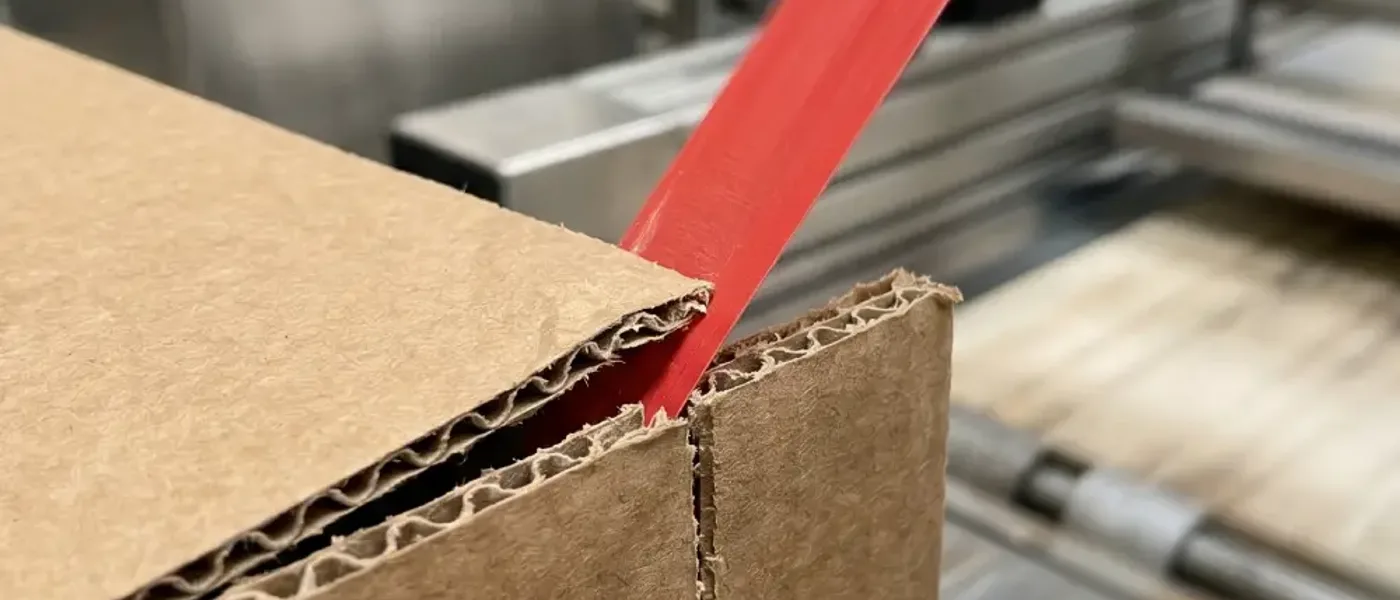
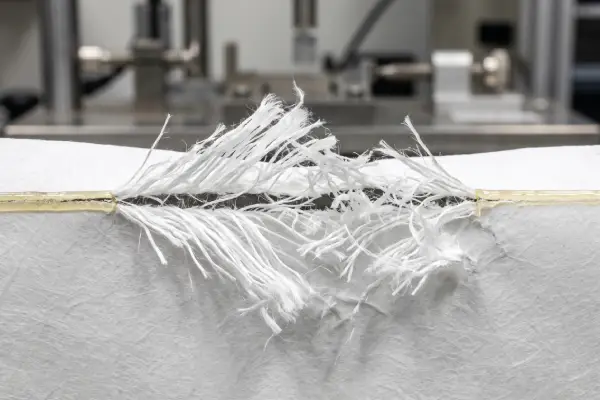
For paper security envelopes, fiber tear is often a practical indicator. The forced opening should damage the substrate rather than allow a clean peel. However, fiber tear depends on paper strength, adhesive placement, coat weight, compression, and dwell time. It is not adhesive strength alone.
For Tyvek programs, the validation plan should focus on the expected destructive opening behavior for that material. A clean peel may not meet a security target. The buyer and supplier should agree on what visible damage, seal disruption, or opening path qualifies for the program.
Steam exposure may be required by some customers or security programs. If included, it should be defined carefully: envelope structure, exposure condition, timing, drying period, opening method, and acceptance criteria. Do not state that a bond resists steam-opening attempts unless the claim is tied to a specific adhesive grade, envelope structure, machine setup, and validation test.
| Security Test Area | What It Helps Confirm |
|---|---|
| Fiber tear | Paper substrate destruction on forced opening |
| Tyvek destructive opening | Visible damage or seal disruption on Tyvek |
| Peel path review | Whether the flap opens cleanly or damages substrate |
| Steam exposure, when required | Defined resistance under customer test condition |
| Transit handling | Seal stability after compression, vibration, or storage |
| Aging review | Whether the seal behavior changes after time |
Security approval should include photos. Capture the sealed envelope, forced opening path, fiber tear area, Tyvek damage, edge condition, and any clean-peel zones.
Defect Troubleshooting: Skips, Pop-Open Seals, Bleed-Through, Blocking, and Odor
Troubleshooting should connect defects to process variables. Many envelope sealing defects have several possible causes, so a table helps the team avoid unnecessary chemistry changes.
| Defect | Possible Causes | First Checks |
|---|---|---|
| Skips | Wheel contamination, low pickup, groove wear, substrate gap | Glue wheel and contact path |
| Pop-open seals | Low coat weight, poor wet-out, weak compression, short dwell | Transfer and compression belt |
| Bleed-through | Porous paper, too much adhesive, excessive pressure | Coat weight and paper grade |
| Blocking | Slow set, warm stack, too much adhesive, pressure during storage | Set speed and stacking |
| Adhesive splash | Worn wheel, excessive pickup, temperature, viscosity drift | Wheel condition and viscosity |
| Stringing | Wrong temperature, viscosity, transfer distance, adhesive grade | Temperature and transfer setup |
| Edge contamination | Misalignment, over-application, squeeze-out | Seal path and belt pressure |
| Odor | Aged material, char, incomplete cooling/drying, storage | Pot condition and material age |
| Weak fiber tear | Paper grade, low coat weight, insufficient compression | Substrate and opening test |
| Tyvek clean peel | Surface anchorage, adhesive mismatch, low dwell | Tyvek-specific validation |
The best troubleshooting record identifies when the defect appears: startup, normal speed, speed ramp, after stop-start, after grade change, after stacking, or after storage.
Line Trial Method: Speed Ramp, Startup Waste, Changeover, and Operator Notes
A good line trial should represent real production. A short, slow trial on clean equipment may not show the defects that appear during normal operation.
The trial should begin with a clean baseline. Record the glue wheel condition, adhesive grade, batch, envelope structure, temperature settings, compression belt settings, and operator setup. Then run enough material to observe startup behavior, normal speed, speed ramp, stop-start cycles, and cleanup.
Suggested trial sequence:
| Trial Stage | What to Observe |
|---|---|
| Startup | Waste, warm-up stability, early skips, stringing |
| Normal speed | Seal consistency, splash, coat placement, compression |
| Speed ramp | Transfer stability, pickup, set speed, blocking |
| Stop-start | Skinning, restart splatter, plugging, first-good-envelope count |
| Changeover | Purge, mixed adhesive behavior, grade sensitivity |
| Stacking | Blocking, flap opening, odor, cooling |
| Forced opening | Fiber tear, Tyvek damage, peel path |
| Cleanup | Wheel residue, belt contamination, cleaning time |
Operator notes are valuable. Experienced operators often notice small changes before formal QA defects appear: sound, wheel drag, belt pressure feel, early splash, changing odor, or higher first-run waste. These notes should be included in the trial report.
Need an Envelope Sealing Trial Plan?
Share envelope structure, glue-wheel setup, line speed, compression belt, and security-bond target before sample approval.
Plan a Lab ReviewSupplier Documents and Procurement Checks
Purchasing should review supplier documents before approval, especially when the adhesive will be used across security-envelope, e-commerce, or mailing-envelope programs.
The TDS should be reviewed for recommended application guidance, viscosity, temperature range, open time, set speed, storage conditions, and any handling notes. The SDS should be reviewed for safety, PPE, transport, storage, cleanup, and disposal guidance. Batch labels support traceability during plant validation and repeat orders.
Procurement should also confirm MOQ, lead time, package size, shelf life, storage condition, and sample availability. A technically suitable adhesive may still create production risk if the minimum order quantity, lead time, or storage requirement does not match the buyer’s program.
| Document or Check | Buyer Use |
|---|---|
| TDS | Process settings, viscosity, open time, set speed, storage |
| SDS | Safety, PPE, transport, storage, handling |
| Product label | Grade confirmation and batch tracking |
| Batch code | Traceability between trial and production |
| Storage guidance | Prevents material aging or viscosity drift |
| Shelf life | Supports inventory planning |
| MOQ | Purchasing and program planning |
| Lead time | Launch and replenishment planning |
| Trial report | Links performance to envelope structure and line condition |
| Customer-required documents | Scoped review only when relevant |
Do not use supplier documents as a substitute for a line trial. Documents support approval; the line trial proves fit.
Build a Practical Envelope Sealing Trial Record
A trial record should make the approval repeatable. If the line passes with one operator, one wheel, one envelope grade, and one temperature setting, future teams need to know those details.
A practical envelope sealing trial record should include:
| Trial Record Item | What to Capture |
|---|---|
| Envelope type | Security envelope, kraft paper, Tyvek, PE mailer, window envelope |
| Substrate details | Paper grade, film type, Tyvek program, coating, print, moisture |
| Adhesive grade | Product code, batch, sample date |
| Adhesive type | Hot melt or water-based adhesive |
| Glue wheel setup | Groove condition, temperature, alignment, pickup |
| Coat weight | Target, setting, observed film thickness, or line measurement |
| Compression belt | Pressure, belt condition, dwell, alignment |
| Line speed | Startup, normal, upper range tested |
| Open time and set speed | Observed process window |
| Cleaning status | Wheel, tank, hose, nozzle, belt condition |
| Security test | Fiber tear, Tyvek damage, peel path, steam exposure if required |
| Defects | Splash, stringing, blocking, bleed-through, skips, pop-open |
| Operator notes | Startup waste, restart behavior, changeover behavior |
| Supplier documents | TDS, SDS, batch label, MOQ, lead time |
Photos should be included wherever possible: adhesive path, wheel condition, seal line, opened seal, fiber tear, Tyvek damage, bleed-through, splash, and blocking evidence.
A strong record helps purchasing, QA, engineering, and the supplier make the same decision from the same facts.
Field Evidence
Useful internal links to preserve or add where relevant:
Field evidence should match the buyer’s envelope structure and equipment. A case study on paper envelopes may not qualify a Tyvek program. A Tyvek validation may not prove a PE mailer seal. A hot melt result on one glue wheel should not be treated as a universal result for every wheel system.
Useful field evidence may include:
| Evidence Type | Why It Helps |
|---|---|
| Envelope photos | Confirms substrate, flap, window, and seal path |
| Line setting record | Shows speed, temperature, compression, and wheel setup |
| Fiber tear photos | Shows paper substrate destruction |
| Tyvek opening photos | Shows destructive behavior on Tyvek |
| Defect history | Links improvement to splash, skips, blocking, or pop-open issues |
| Startup waste record | Shows real line practicality |
| Cleaning record | Shows wheel and belt maintenance impact |
| Known limits | Prevents overuse outside the tested window |
Known limits are useful. A good validation should explain where the adhesive was tested, what structure passed, what line conditions were used, and what changes require requalification.
Final Takeaway
High-speed envelope sealing is not only an adhesive choice. It is a system made from envelope structure, glue wheel transfer, adhesive viscosity, open time, set speed, compression belt pressure, cleaning discipline, and security validation.
Before approving a sealing adhesive, confirm the failure mode, test the real envelope structure, inspect the glue wheel, document coat weight, control temperature and viscosity, tune compression, run stop-start cycles, and validate fiber tear or Tyvek destructive opening behavior when required.
The safest approval is not a broad claim. It is a documented process window for a specific adhesive grade, envelope structure, machine setup, line condition, and QA test.
Frequently Asked Questions
What proves tamper evidence on a security envelope?
Tamper evidence should be proven through a defined opening test on the actual security envelope structure. For paper envelopes, this may include fiber tear or visible substrate destruction. For Tyvek or film-based mailers, the validation may focus on destructive opening behavior, seal-path damage, or another customer-approved method.
Can the bond resist steam-opening attempts?
Only if that resistance is validated under a defined test condition for the specific adhesive grade, envelope construction, machine setup, and opening method. Do not assume steam resistance from general bond strength or initial tack alone.
How do I stop adhesive splash on high-speed envelope lines?
Start with the glue wheel. Check groove wear, pickup amount, wheel temperature, viscosity, alignment, contamination, and startup cleanliness. Increasing temperature or reducing speed may hide the symptom temporarily, but the root cause is often mechanical transfer or viscosity control.
What causes pop-open envelope seals after cooling?
Common causes include poor wet-out, low coat weight, weak compression, short dwell time, flap spring-back, substrate variation, or adhesive applied outside its open time and set speed window. Review glue transfer and compression before changing adhesive grade.
How should glue wheel temperature and viscosity be controlled?
Use the TDS as the starting point, then document actual wheel, tank, and hose temperatures during the line trial. Viscosity should be evaluated with the glue wheel transfer result, not as a lab number alone. Avoid using excessive temperature to compensate for worn grooves or poor mechanical contact.
Why does Tyvek need a different envelope sealing validation plan?
Tyvek does not behave like ordinary paper fiber. A paper-style fiber tear standard may not describe the right failure mode. Tyvek validation should focus on destructive opening behavior, seal-path disruption, and visible damage agreed by the buyer and supplier.
What tests should QA run before approving an envelope adhesive?
QA should review seal integrity, adhesive placement, fiber tear or destructive opening behavior, pop-open risk, bleed-through, blocking, splash, stringing, startup waste, stop-start behavior, and any customer-required steam exposure or transit simulation.
When should an envelope sealing adhesive be requalified?
Requalification is recommended when the envelope structure, paper grade, Tyvek program, PE mailer film, glue wheel, compression belt, line speed, adhesive grade, coat weight, storage condition, or customer validation requirement changes.
What documents should purchasing request from the adhesive supplier?
Purchasing should request the TDS, SDS, product label, batch code, storage guidance, shelf-life details, MOQ, lead time, and any customer-required documents relevant to the specific envelope program.
Can Senda provide lab material for an envelope sealing trial?
Yes. Senda can review the envelope structure, glue-wheel setup, line speed, compression belt, failure mode, and security-bond target before sample screening. A complimentary 1 kg lab material request can support early qualification, but final approval should be based on the buyer’s actual line trial.
Trial envelope sealing on your line
Request complimentary 1 kg lab material, with shipping prepaid by the recipient, after screening your envelope structure, glue-wheel setup, line speed, compression belt, and security-bond target.
References
Technical Disclaimer: All technical data is based on standard laboratory conditions. Users should perform their own verification testing to confirm suitability for specific substrates, processes, and regulatory requirements. Senda Glue makes no warranties, express or implied, and assumes no liability for improper use of the products or reliance on this information.