Plastic-tax exposure usually comes down to material structure, paper-stream behavior, and what documentation you can defend. This guide explains how repulpable barrier systems change that math.
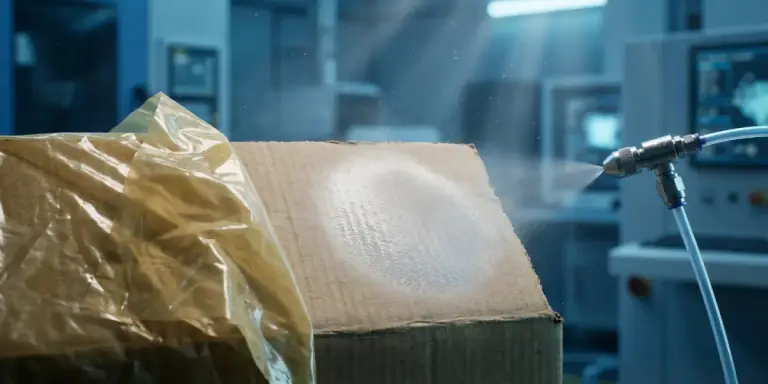
Table of Contents
If you are waiting for a "100% biodegradable" miracle glue to solve your compliance issues, your production line is already behind. For most manufacturers, the move to plastic-film-free is a transition toward plastic reduction—model scenarios with our plastic tax calculator before you spec compostable-only coatings.
For most manufacturers, the move to "plastic-film-free" isn't an overnight leap—it is a transition toward Plastic Reduction and Recyclability. The goal today is not necessarily garden disposal, but repulpability screening on qualified paper streams with your target mill or scheme.
"In our recent converter trials, we found that replacing a 15-micron PE laminate with a 2-micron aqueous barrier coating can cut plastic mass while preserving Kit performance—see repulpable aqueous barriers and monomaterial trends for recovery design."
Transition Technologies: Balancing Tax vs. Performance
The core engineering challenge is replacing the functional properties of Polyethylene (PE) without losing grease resistance or heat-seal strength. We categorize our "Transition Solutions" based on their current commercial readiness and compliance status.
The "High Tax" baseline. 100% plastic barrier. High carbon footprint and difficult to separate from fiber during recycling. Facing heavy bans globally.
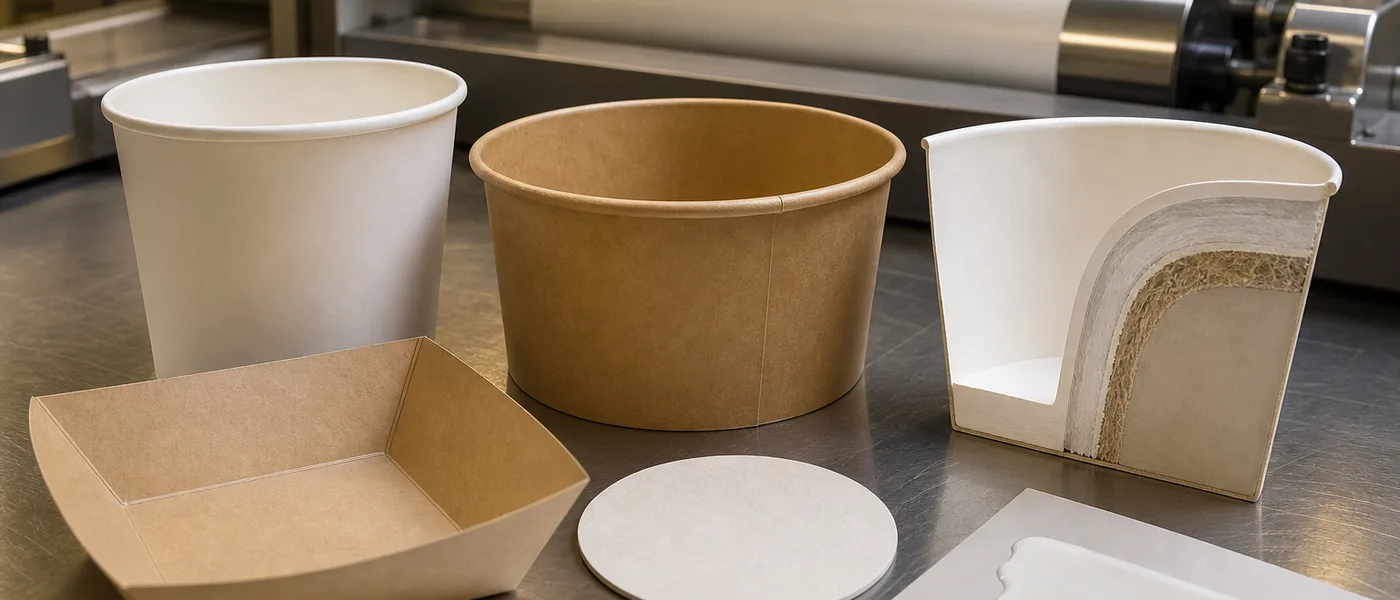
Current Best Practice. Water-based dispersion. Targets lower plastic mass than PE film at qualified coat weights. Repulpability and food-contact documentation are validated per grade in your supplier file.
Formulated to detach cleanly from paper fibers in a hydropulper. Prevents "stickies" in the recycling process, increasing the value of the recovered pulp.
Next-gen coatings (PHA/Cellulose-based). Our R&D team is pioneering these formulas for full compostability, currently optimized for low-shelf-life applications.
Engineering for Repulpability
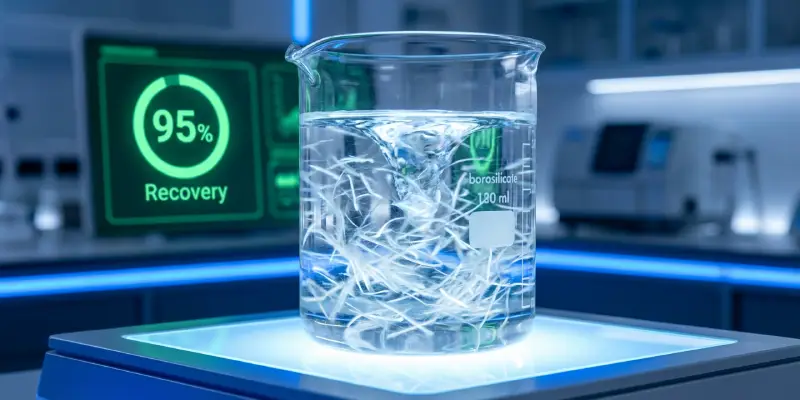
A common misconception is that all "water-based" glues are recycle-friendly. In our lab testing, we’ve observed that many traditional adhesives break down into microscopic "stickies" that clog recycling screens and ruin recycled paper quality. To pass a circular economy audit, your adhesive must have a controlled fragmentation profile—it needs to stay in large enough particles to be screened out or dissolve completely without residue.
By switching from thick PE films to precision-applied aqueous coatings, you aren't just saving on taxes; you are drastically reducing the energy required in the pulping process.
Strategy: The "Plastic Reduction" Pivot
The Objective: Avoid punitive plastic taxes while maintaining high-speed line efficiency.
Solutions:
- Substrate Shift: Replace PE-coated board with aqueous-barrier coated board (WB-Series).
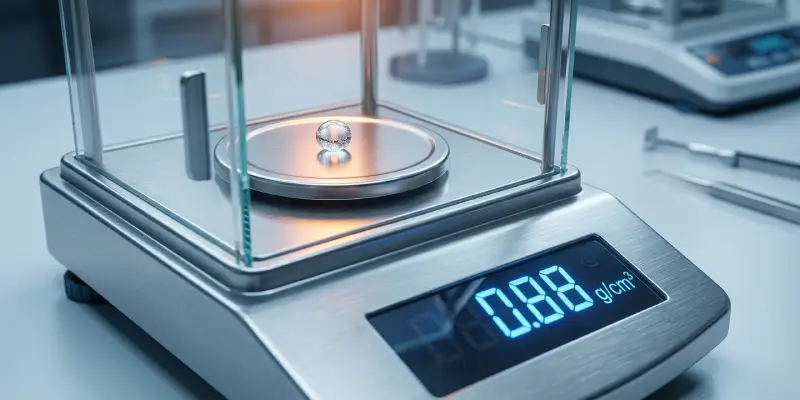
- Adhesive Optimization: Switch to a high-yield Metallocene with a density below 0.90 g/cm³ to reduce material weight per carton.
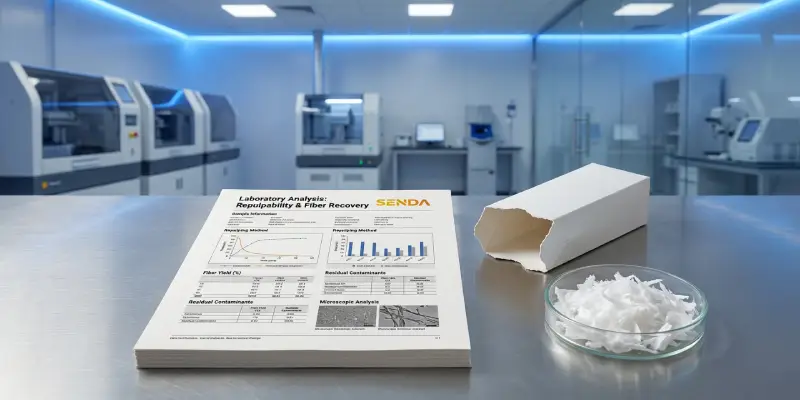
- Support for Certification: Use our lab reports and chemical composition data to support your application for official Repulpability Certification with third-party auditors.
Need Data for Your Certification Audit?
Unsure if your adhesive system meets repulpability standards? We provide the technical dossiers and supportive testing required by auditors.
Request Technical DossierSenda Technical Verdict
- Focus on Repulpability First: Before chasing compostable claims that are hard to certify, qualify repulpability with your target mill or scheme first—often the faster route to levy planning.
- Optimize Coating Weight: In our application trials, we’ve seen that 3-5g/m² of aqueous coating can provide a Kit 10-12 grease barrier, replacing much heavier plastic films.
- Request a COA: Always demand a Certificate of Analysis (COA) that specifies the absence of PFAS and confirms compliance with FDA 176.170 for food contact.
Frequently Asked Questions
How do aqueous barrier coatings help avoid plastic packaging taxes?
By replacing thick Polyethylene (PE) films with micron-thin aqueous dispersions, you can reduce total plastic content by over 85%, often bringing the package below the threshold for punitive plastic taxes.
What are "stickies" in the paper recycling process?
Stickies are adhesive residues that do not detach or dissolve properly during the repulping process. They clog recycling machinery and contaminate the recovered paper pulp, reducing its value.
Is "Repulpable" the same as "Compostable"?
No. Repulpable means the material can be processed in standard paper recycling streams to recover fibers for new paper. Compostable means the material breaks down into organic matter under specific environmental conditions.
How does adhesive density impact plastic reduction goals?
High-performance Metallocene adhesives have a lower density (~0.88 g/cm³) than traditional EVA. This allows you to use less physical weight of adhesive per package, contributing to overall material reduction.
Does Senda provide the Repulpability Certificate?
No, the final certificate is issued to the packaging manufacturer by third-party auditors based on the complete package. However, Senda provides the compliant chemical solutions and supportive lab reports necessary for you to pass that audit successfully.
Qualify a repulpable barrier structure
Request complimentary 1 kg lab material (shipping prepaid by recipient) after coat-weight screening on your substrate.
References
Technical Disclaimer: All technical data is based on standard laboratory conditions. Users should perform their own verification testing to confirm suitability for specific substrates, processes, and regulatory requirements. Senda Glue makes no warranties, express or implied, and assumes no liability for improper use of the products or reliance on this information.