Monomaterial packaging is becoming less of a trend story and more of a qualification story. Here is how repulpable barrier coatings fit the compliance roadmap for paper-based formats.
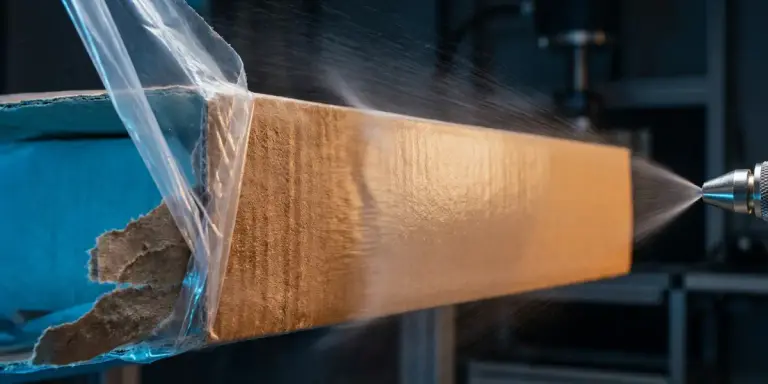
Table of Contents
Innovation in food packaging is no longer driven solely by consumer aesthetics; it is being forced by legislative survival. At Senda, we pivot partners toward monomaterial, repulpable barrier design—the only trend that matters for hydropulper recovery.
"The trend isn't just 'Eco-Friendly'; it is 'Monomaterial.' If your coating prevents paper fiber from being recovered, see plastic-film-free aqueous transition and plastic-tax vs. repulpable coatings before you spec compostable-only claims."
"The trend isn't just 'Eco-Friendly'; it is 'Monomaterial.' If your coating prevents the paper fiber from being recovered in a standard recycling mill, it is a liability, not an asset. The goal is to separate the barrier from the board without specialized chemical recycling."
The Compliance Roadmap: From Lamination to Dispersion
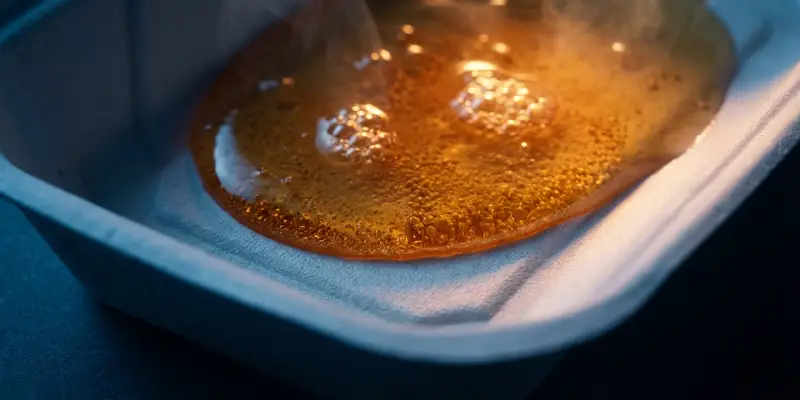
We advise our clients to view packaging evolution in three distinct phases. While the industry buzzes about "100% Compostable," the immediate commercial reality demands Repulpability to avoid punitive taxes and ensure circularity.
Status: Obsolete. Polyethylene liners provide a perfect barrier but render the paper difficult to recycle. Subject to heavy taxation and increasing bans in specific global regions.
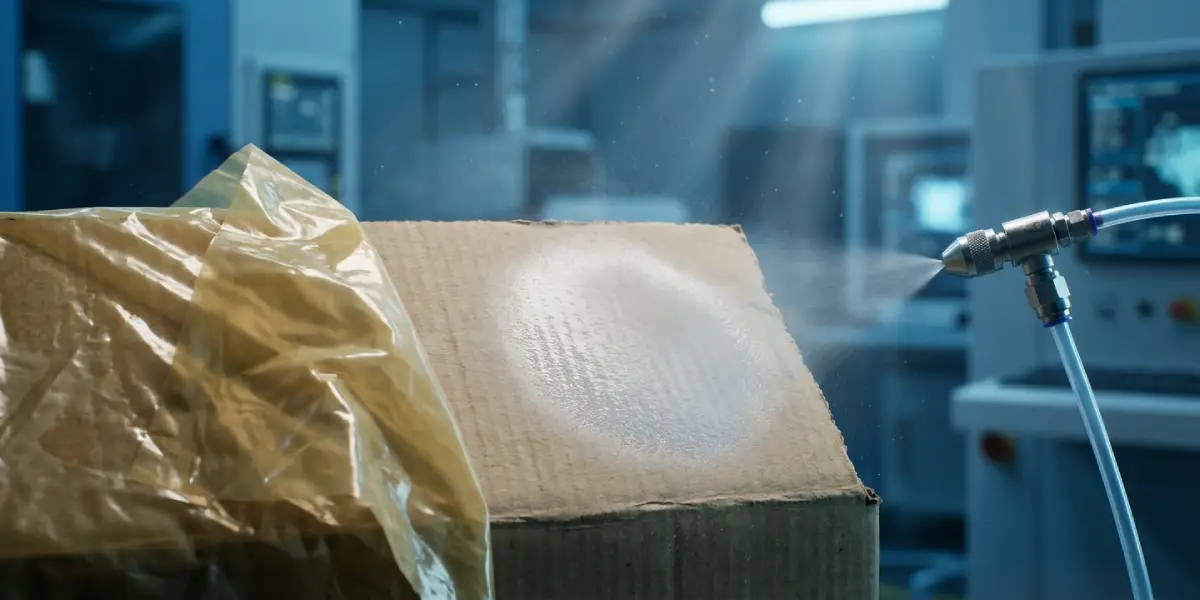
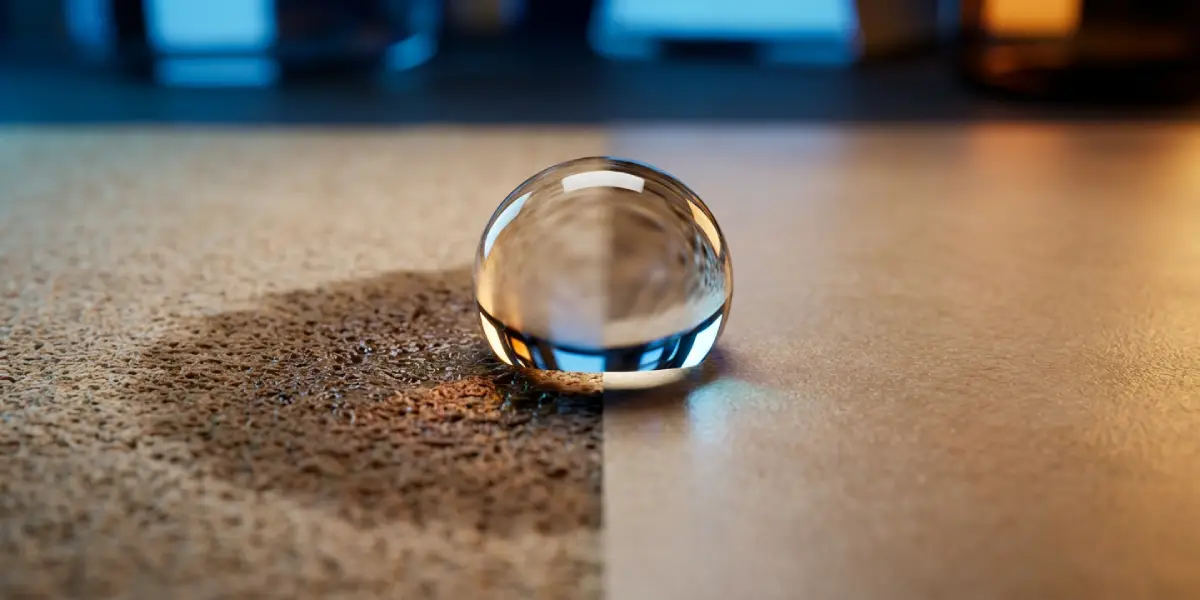
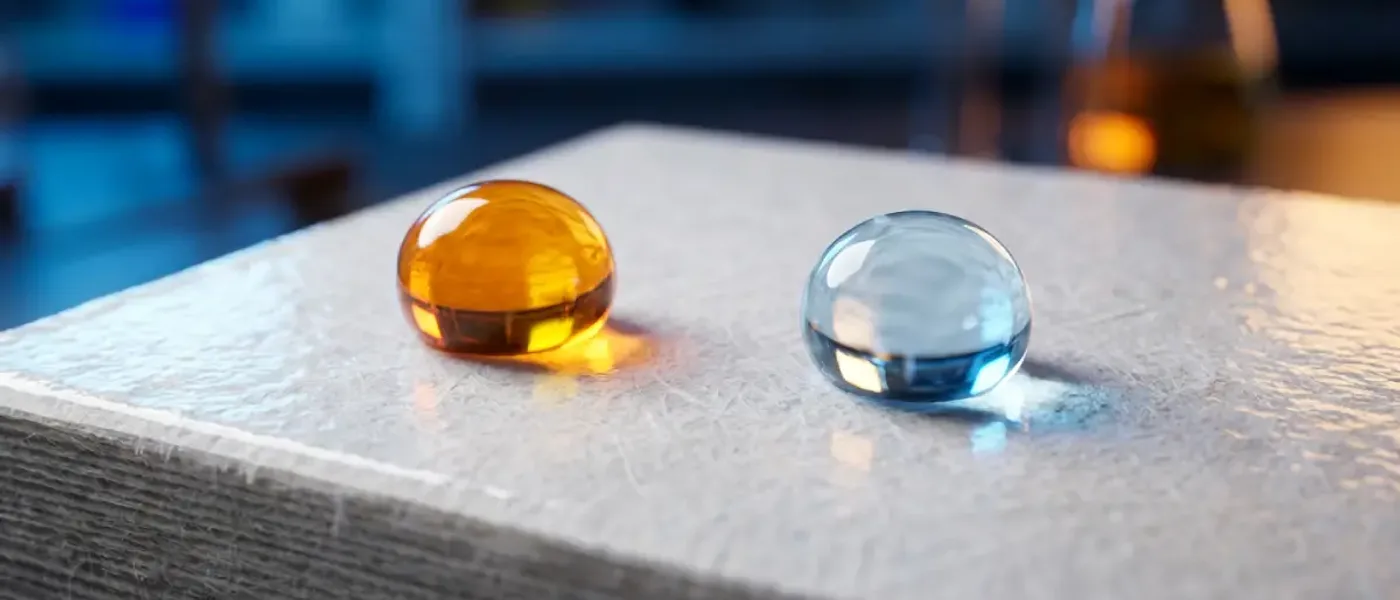
Status: Mission Critical. In our laboratory stress tests, we observed that our water-based acrylic dispersions maintain Kit 12 grease resistance even under high-heat service conditions, making them a scalable, repulpable replacement for plastic today.
Status: Senda R&D Phase. Our labs are developing PHA and starch-based barriers. Currently in beta testing, these aim to match the performance of acrylics while offering full home-compostability.
Smart Engineering: Designing for the Hydropulper
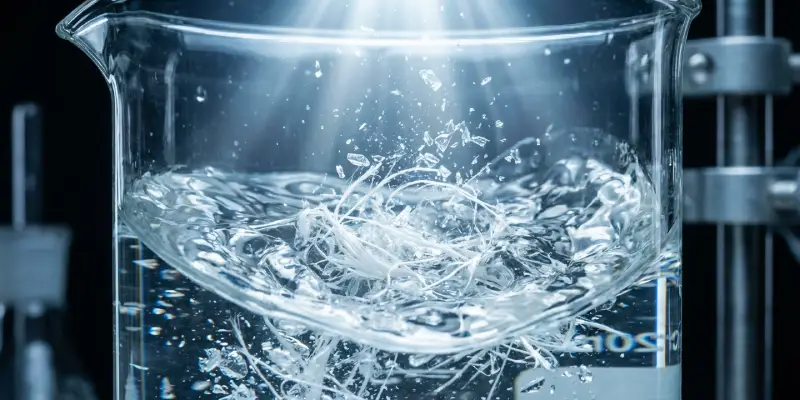
In previous years, "Smart Packaging" referred to QR codes or freshness sensors. Today, "Smart Engineering" means creating aqueous dispersions that are compatible with Near-Infrared (NIR) sorting systems and industrial hydropulpers.
In our rheology center, we are optimizing the Fragility of our coatings. A "Smart" coating is one that is tough enough to hold hot grease during use, but brittle enough to fracture into microscopic particles when agitated in a recycling vat. This ensures the coating detaches cleanly from the fiber, preventing the "stickies" that ruin recycled paper quality and stall paper mill production.
Problem: The Trap — "Biodegradable" vs. "Repulpable"
Symptoms: Brands switch to "Biodegradable" films (like PLA) thinking they are green, only to have the batch rejected by paper recyclers because the film doesn't dissolve like pulp.
Senda Strategic Solutions:
- Prioritize the Blue Bin: Most consumers recycle; few compost. Design for existing paper mill infrastructure first.
- Audit Your Coating: Ensure your barrier coating passes PTS or Western Michigan University repulpability standards.
- Avoid "Wish-cycling": Transition to aqueous dispersions that fracture during pulping rather than non-soluble films.
Future-Proof Your Packaging Line
Don't invest in a trend that becomes illegal next year. Partner with Senda to map out a transition from PE to Aqueous Barrier Coatings.
Request R&D Roadmap StrategySenda Technical Verdict
- Drop the Lamination: If you are still running PE-lined cups or trays, you are losing money to plastic taxes. Transition to Aqueous Dispersions to reclaim recyclability status.
- Ignore the Gimmicks: Edible coatings and antimicrobial films are niche. The high-volume market is in high-performance, grease-resistant barriers that recycle easily.
- Partner for the Future: While you deploy our Aqueous Series today, join our Beta Program to be the first to test our upcoming Bio-Based formulations as they reach commercial viability.
Frequently Asked Questions
What is monomaterial design in packaging?
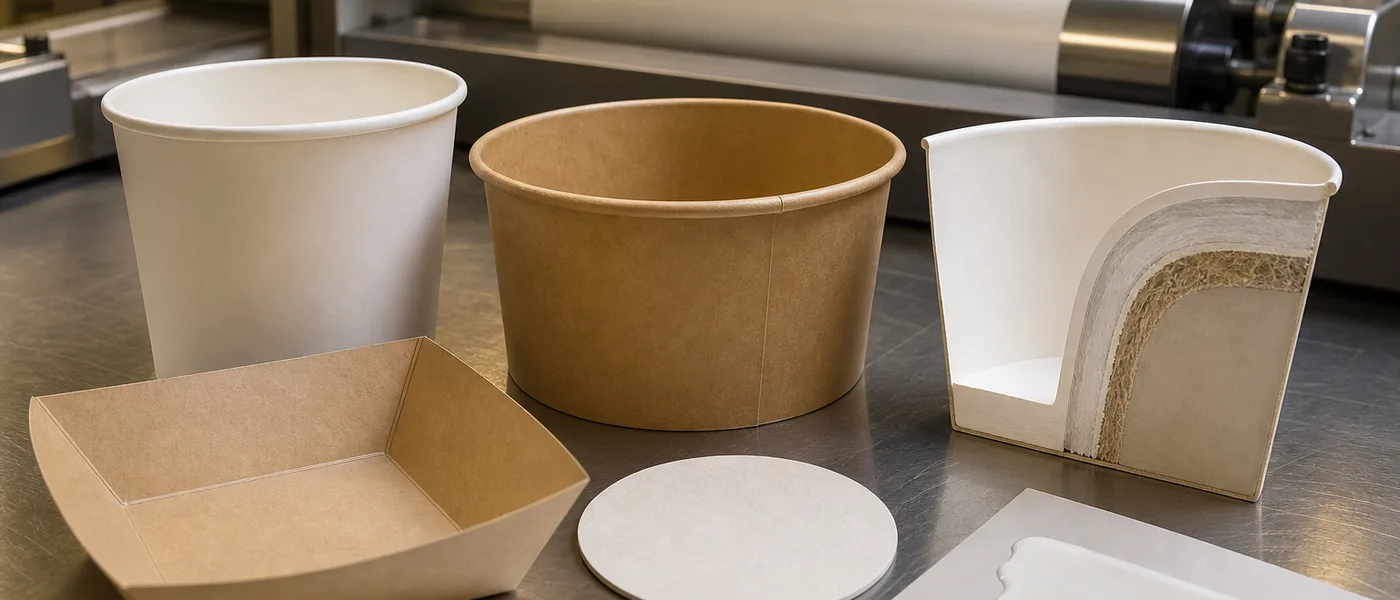
It is the engineering practice of using a single material type (e.g., paper) enhanced with functional coatings rather than multi-layer plastic laminates. This simplifies the recycling process and ensures the package remains within the circular economy.
Why is repulpability prioritized over biodegradability in the current market?
Repulpability utilizes existing paper mill infrastructure to recover high-value fibers. Many "biodegradable" materials require industrial composting facilities that are not yet globally accessible, making recyclability a more immediate environmental and tax win.
How do aqueous dispersions avoid the "stickies" problem in paper recycling?
Engineered aqueous coats can break into fine particles under hydropulping on qualified programs—detachment depends on coat weight, facestock, and mill equipment. Validate with your repulpability protocol.
Which global regulations are driving the shift toward monomaterial paper packaging?
The EU Packaging and Packaging Waste Directive (PPWD) and the UK Plastic Packaging Tax are the primary drivers, as they introduce financial penalties for non-recyclable plastic components and multi-layer composites.
What is "Smart Engineering" in the context of sustainable coatings?
It refers to designing coatings that provide high-performance barriers (like Kit 12 grease resistance) during the product's use-phase but are engineered to break down chemically or physically during the industrial recycling process.
Screen a monomaterial barrier route
Request complimentary 1 kg lab material (shipping prepaid by recipient) after screening on your substrate and line conditions.
References
Technical Disclaimer: All technical data is based on standard laboratory conditions. Users should perform their own verification testing to confirm suitability for specific substrates, processes, and regulatory requirements. Senda Glue makes no warranties, express or implied, and assumes no liability for improper use of the products or reliance on this information.