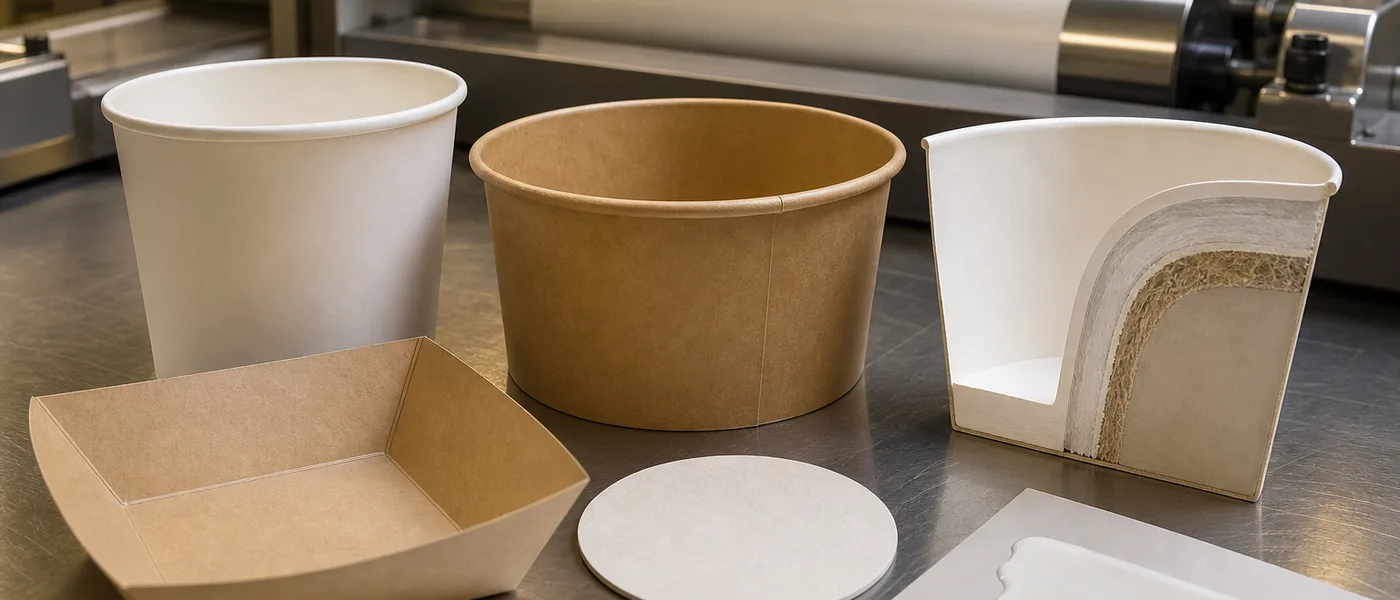
Bio-based origin does not guarantee performance. Bridge sustainability goals with repulpable aqueous barriers qualified on your facestock and mill protocol.
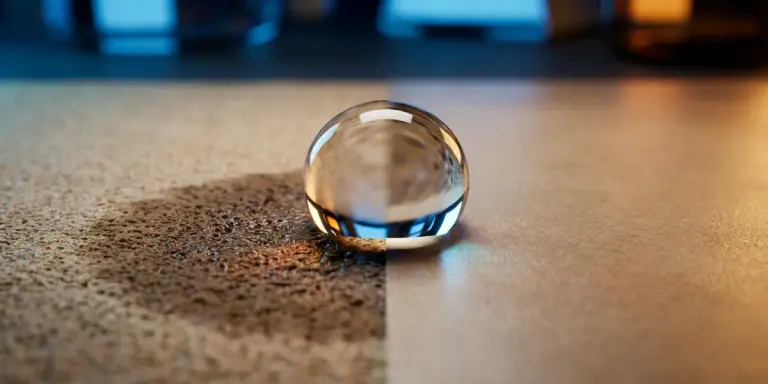
Table of Contents
If you have ever attempted to switch a high-speed production line from PE-laminated board to a "100% all-natural" starch or wax-based coating, you have likely experienced the performance gap firsthand. Compare bio positioning against repulpable aqueous barriers on our recyclable barrier pillar before you accept hydrophilic failure modes.
As an engineer, I see a dangerous confusion between "Bio-based" (where the material comes from) and "Biodegradable" (how the material ends). To build a functional package, we must often look beyond purely biological sources to find the molecular stability required for modern manufacturing.
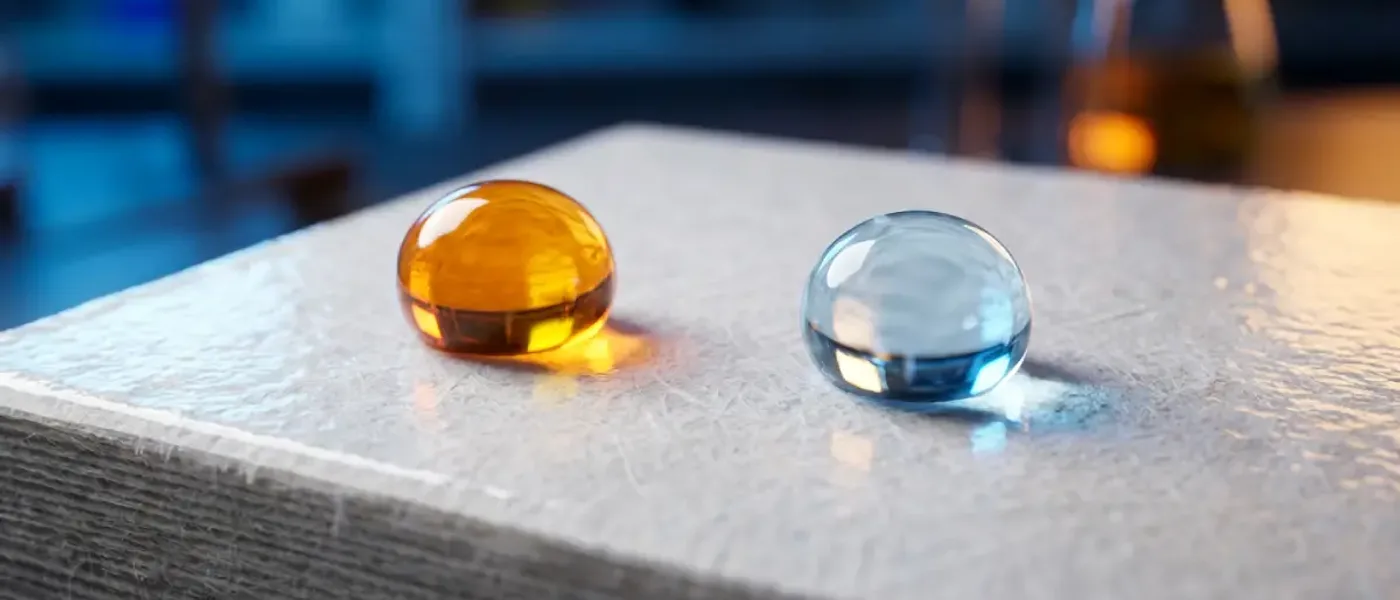
"The engineering challenge of the decade is overcoming the 'Hydrophilic Trap.' Most 100% bio-products are naturally attracted to water—see aqueous heat-seal HSIT/COF/Cobb for seal metrics and monomaterial packaging trends for recovery design."
The Performance Gap: Why 100% Bio Often Fails
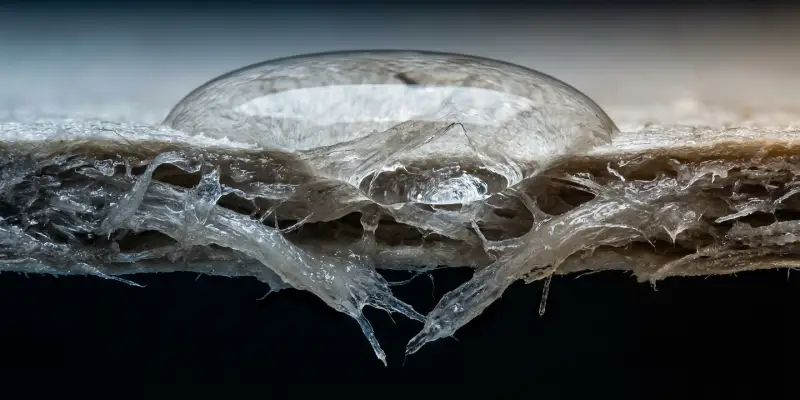
In our rheology lab, we have benchmarked dozens of "all-natural" coatings. While they satisfy the "bio-sourced" checkbox, they almost universally fail in high-shear application environments or under high-heat service conditions. We categorize the sustainable coating landscape by its current commercial readiness and structural integrity.
100% Bio-based. Excellent compostability, but near-zero moisture barrier. In our tests, these substrates lose 70% of their structural rigidity within 5 minutes of liquid contact.
Derived from plants/bees. Good moisture barrier but zero grease resistance. Low melting points cause "blocking" (cups sticking together) in high-temperature warehouses.
Partially synthetic. A common route for PE replacement at qualified coat weights. Targets Kit 12 grease resistance and repulpability screening per grade—not blanket compostability claims.
Senda’s target for the future. A hybrid formulation designed to meet ASTM D6400 standards without sacrificing the heat-stability of traditional coatings.
The "100% Natural" Trap: Operational Realities
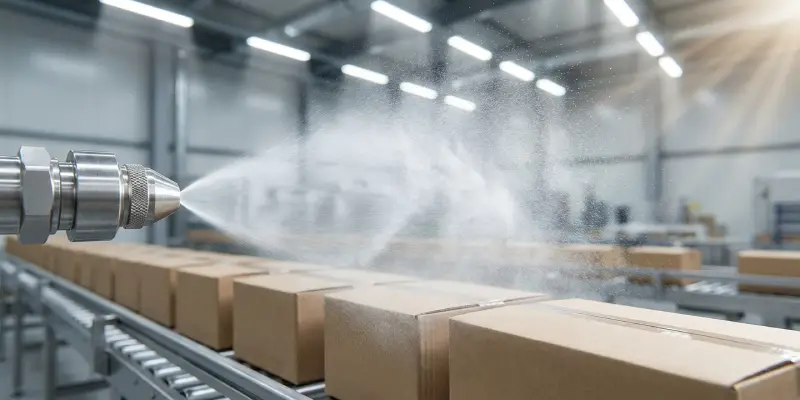
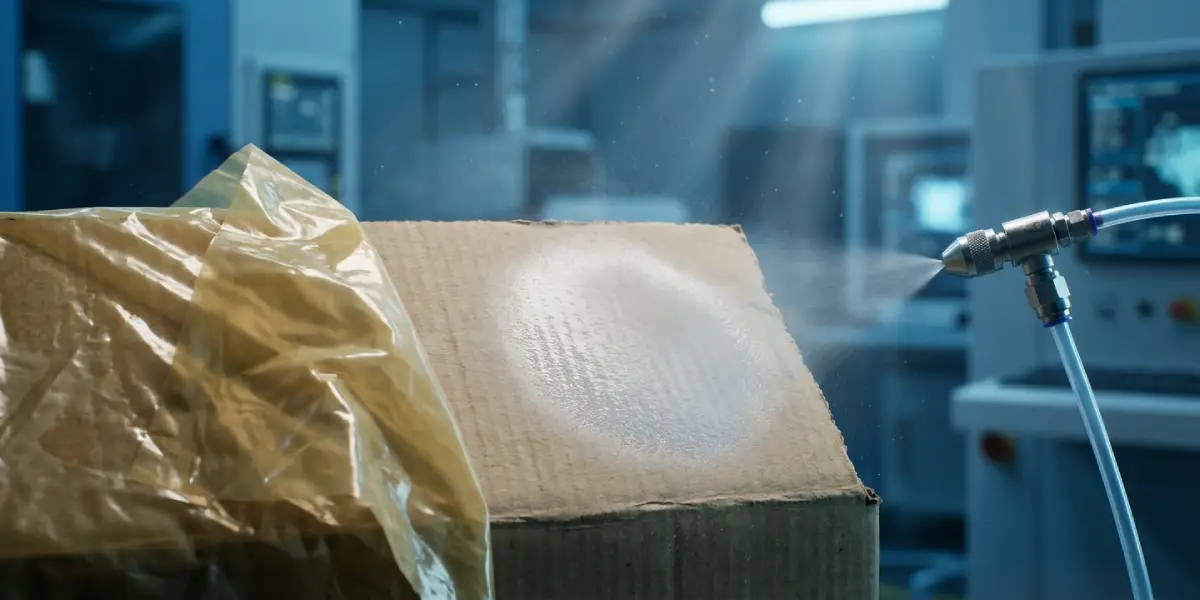
When an R&D team pushes for a purely biological coating, they often overlook the impact on the plant's Overall Equipment Effectiveness (OEE). In our field audits, we’ve found that many bio-coatings have an unstable "viscosity window." If the tank temperature fluctuates by just 5°C, the coating either becomes too thin to provide a barrier or too thick, causing nozzle clogs.
Problem: "Bio-Material" Operational Failure
Symptoms: Extreme charring in the applicator; inconsistent barrier coverage; packages losing seal integrity in cold-chain environments.
Solutions:
- Hybridize: Move from 100% bio-sourced to a "Bio-Balanced" aqueous dispersion that includes stabilizing synthetic polymers.
- Audit Surface Tension: Bio-coatings often have high surface tension. Ensure your adhesive is formulated with wetting agents to penetrate the coating.
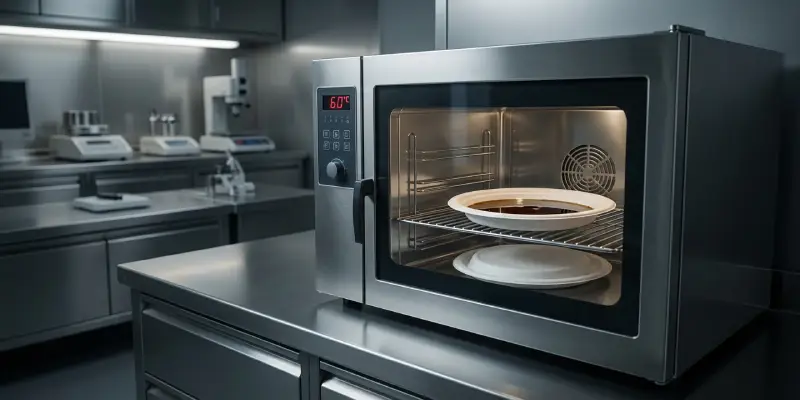
- Service-Linked Testing: Do not approve a coating based on a room-temp lab test. Test for "Grease Bleed" at 60°C for 24 hours.
Join Our Bio-Coating Beta Program
We are currently looking for high-volume partners to joint-develop and field-test our next generation of Sebio compostable coatings. Get the technical whitepaper today.
Access R&D WhitepaperSenda Technical Verdict
- Prioritize Function Over Origin: A 100% bio-based coating that fails in the field results in more environmental waste (lost food/packaging) than a high-performance recyclable acrylic.
- Recyclability is the Current Win: Focus on "Repulpability" standards. If a coating can be removed in a standard paper mill, it is a massive step forward from PE-lamination.
- Demand Verified End-of-Life Data: If a supplier claims compostability, demand their EN 13432 or ASTM D6400 certification data. Never rely on "bio-based" as a proxy for safety.
Frequently Asked Questions
What is the difference between "bio-based" and "biodegradable" in packaging?
Bio-based refers to the biological origin of the raw materials (such as plants or biomass). Biodegradable refers to how the material breaks down at the end of its life. A bio-based material is not automatically biodegradable or industrially functional.
Why do 100% bio-coatings often fail moisture barrier tests?
Most natural materials are hydrophilic (water-attracting). This "hydrophilic trap" means that without chemical hybridization, the coating absorbs moisture rather than repelling it, causing the substrate to lose structural rigidity.
How does a coating’s "viscosity window" impact production line efficiency (OEE)?
Many natural coatings are thermally unstable. If the application temperature fluctuates even slightly, the viscosity can shift, leading to either insufficient barrier coverage (too thin) or nozzle clogs and machine gumming (too thick).
What is the benefit of hybrid aqueous acrylic coatings over 100% bio-materials?
Hybrid coatings provide the industrial stability required for high-speed lines, including Kit 12 grease resistance and heat stability, while remaining "Repulpable & Recyclable" in standard paper recycling streams.
Why is repulpability often prioritized over compostability in the current market?
Repulpability allows the package to enter the existing circular economy via standard paper recycling. Many compostable materials require industrial facilities that are not yet globally accessible, making recyclability a more immediate environmental win.
Screen aqueous barrier on your facestock
Request complimentary 1 kg lab material (shipping prepaid by recipient) after coat-weight or bond screening on your substrate.
References
Technical Disclaimer: All technical data is based on standard laboratory conditions. Users should perform their own verification testing to confirm suitability for specific substrates, processes, and regulatory requirements. Senda Glue makes no warranties, express or implied, and assumes no liability for improper use of the products or reliance on this information.