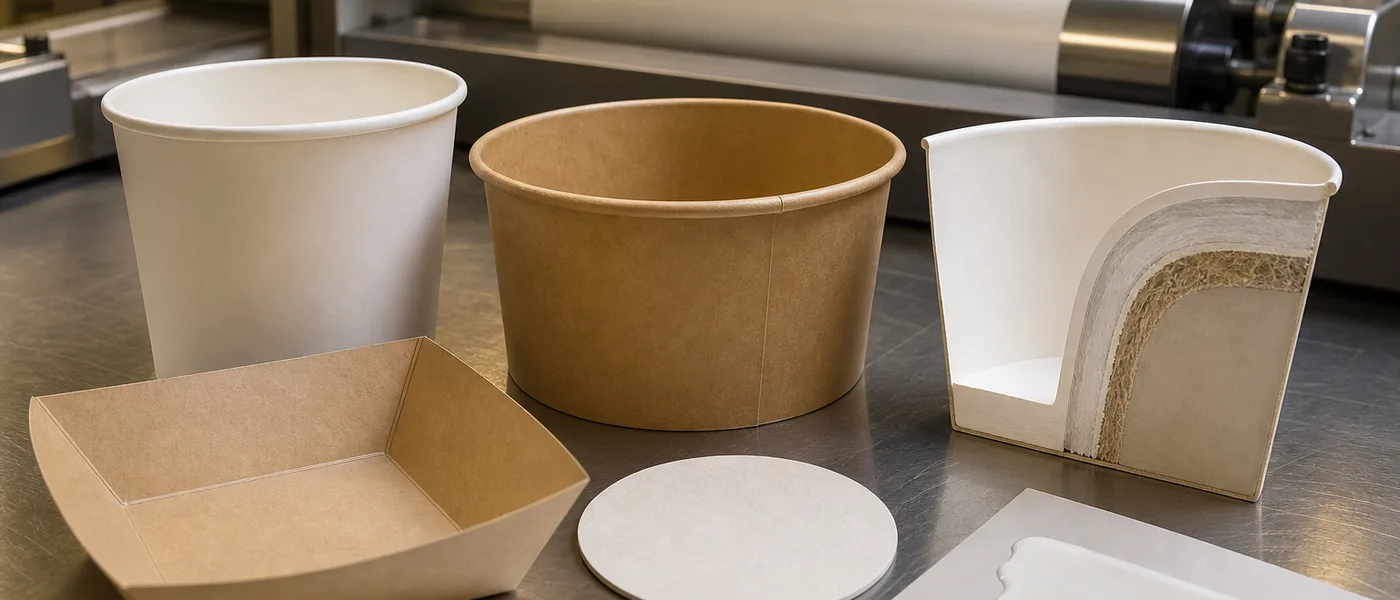
Replacing PE with a repulpable barrier is a qualification project, not a slogan swap. This article covers the Kit, Cobb, and hydropulper logic behind paper-stream-ready aqueous coatings.
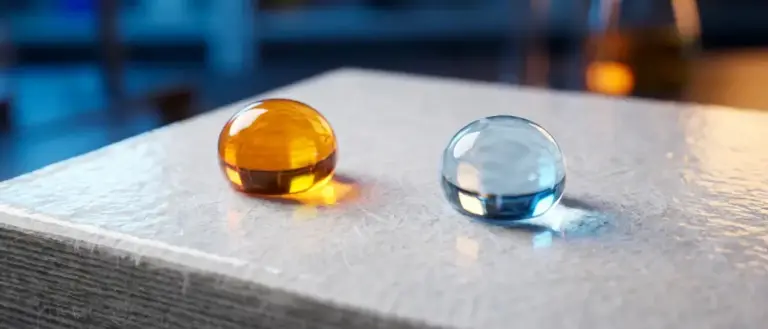
Table of Contents
The paper packaging industry is undergoing a seismic shift. As global bans on single-use plastics tighten, the traditional PE (Polyethylene) liner is becoming an operational liability on recyclable barrier programs. Yet, the engineering challenge remains: How do you make a porous sheet of paper hold hot grease and soup without turning into a soggy mess—and do it without using "Forever Chemicals" (PFAS)? For enforcement context, see 2026 PFAS bans & ghost PFAS.
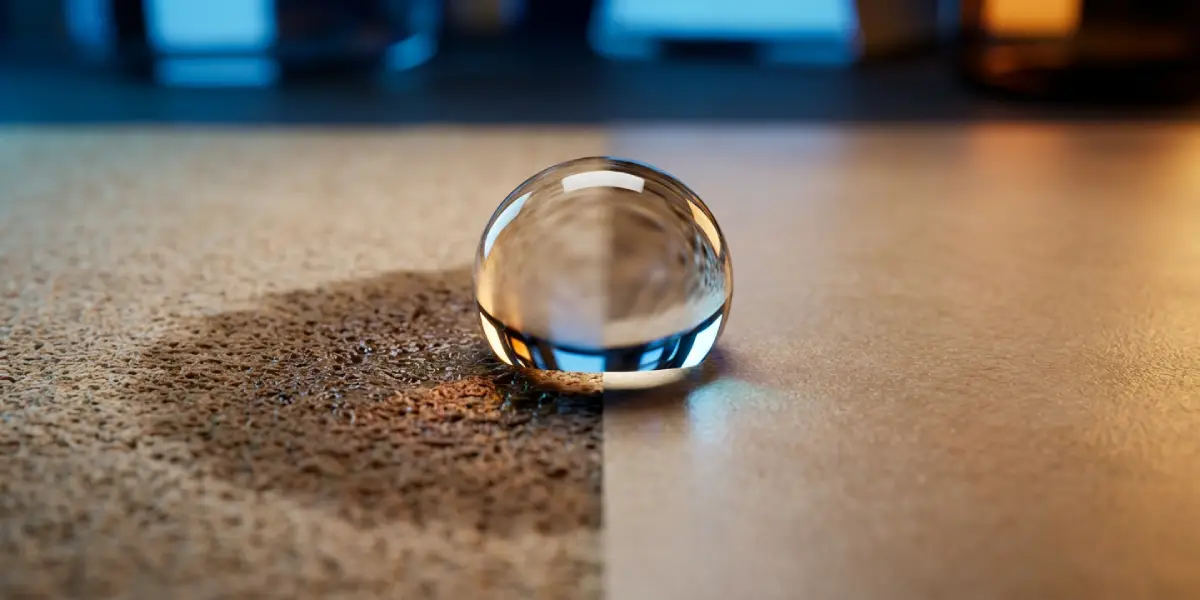
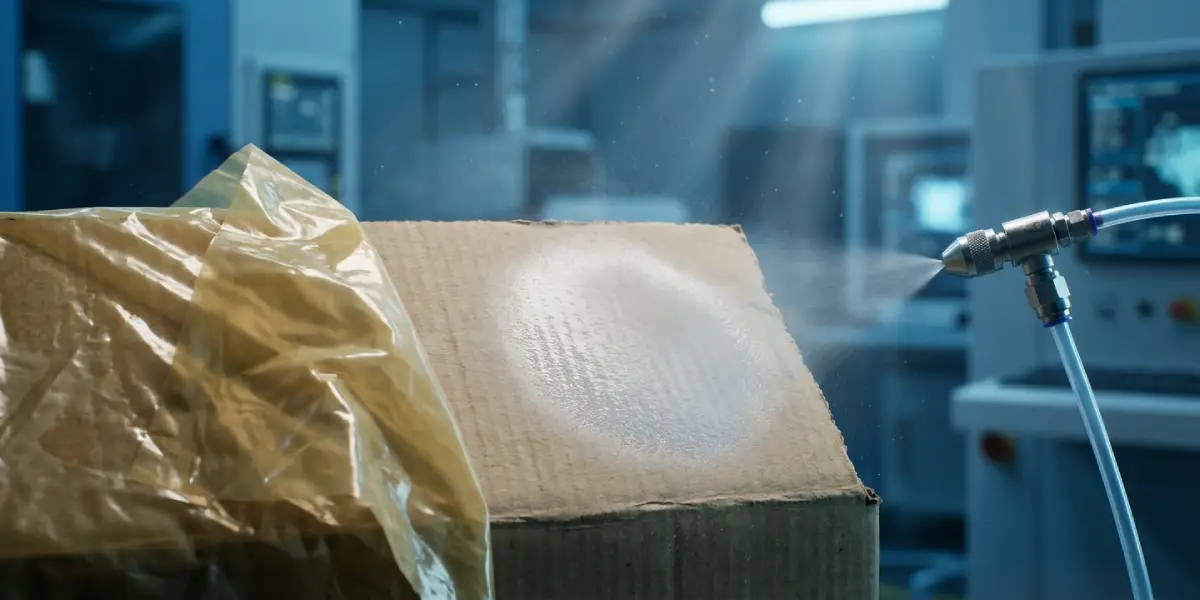
The answer lies in next-generation Aqueous Barrier Coatings. Unlike extruded plastic films, these water-based dispersions create a functional surface that resists oil (lipophobic) and water (hydrophobic) while targeting repulpability screening in qualified paper-recycling streams. This allows brands to shift from difficult-to-recycle laminates to true Monomaterial Solutions.
"The Kit Test Reality: A generic 'grease-proof' paper often fails at Kit Level 4 (light pastry). For fried chicken or burgers, you need a coating engineered to hit Kit 12, withstanding 180°C hot oil penetration for 30 minutes. Pair barrier selection with heat-seal HSIT guidance and bio-tableware mold control when the pack is molded fiber."
The Technology Shift: From Lamination to Dispersion
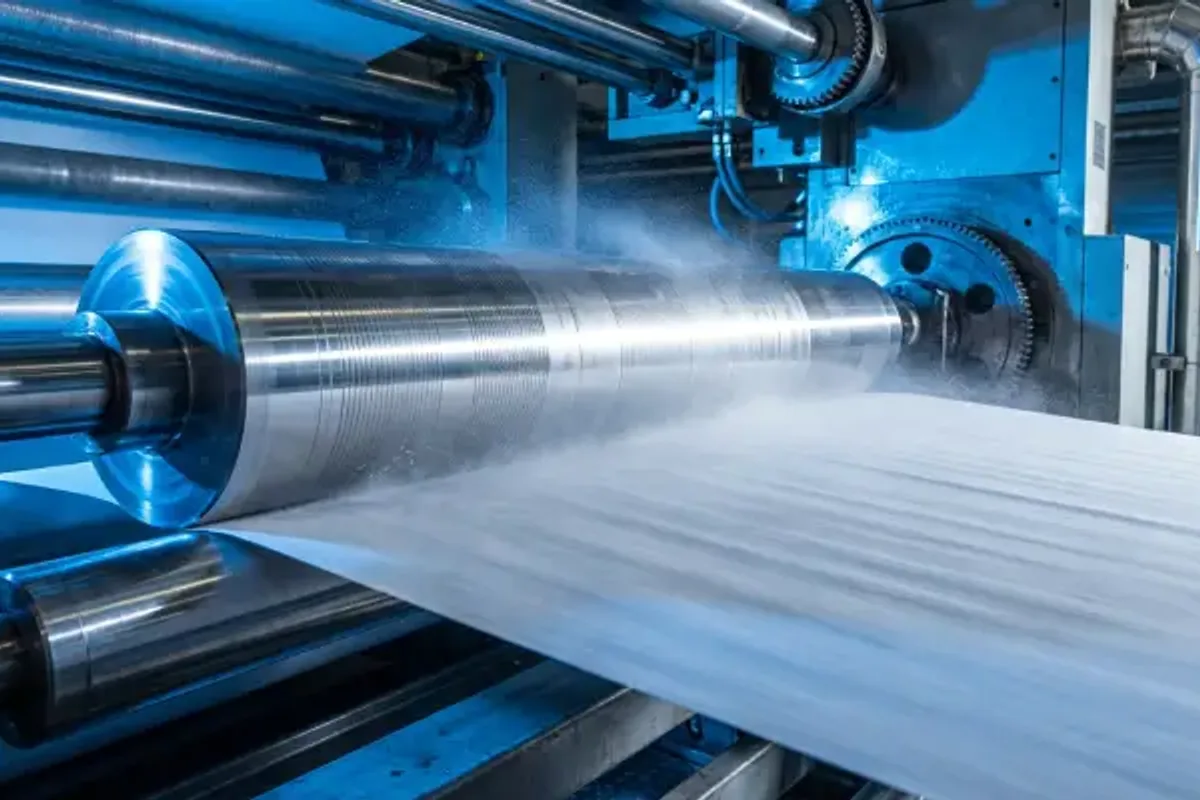
We categorize barrier technologies by their recyclability and application method. The goal is to move from "multilayer composites" (hard to recycle) to "dispersed barriers" that act like paper in the pulping process.
Extruded plastic film. 100% barrier but difficult to separate. Requires specialized facilities to recycle. High carbon footprint.
Water-based dispersion for monomaterial programs. Repulpability and Kit 12/Cobb targets validated per coat weight and facestock.
Cheap moisture barrier but poor heat resistance. Melts into hot food. Cannot be recycled (clogs paper mills). Becoming obsolete.
Historically used for oil resistance. Now banned in most regions (EU/US) due to toxicity. PFAS-free alternatives are now mandatory.
Engineering Oil Resistance: The Kit Test
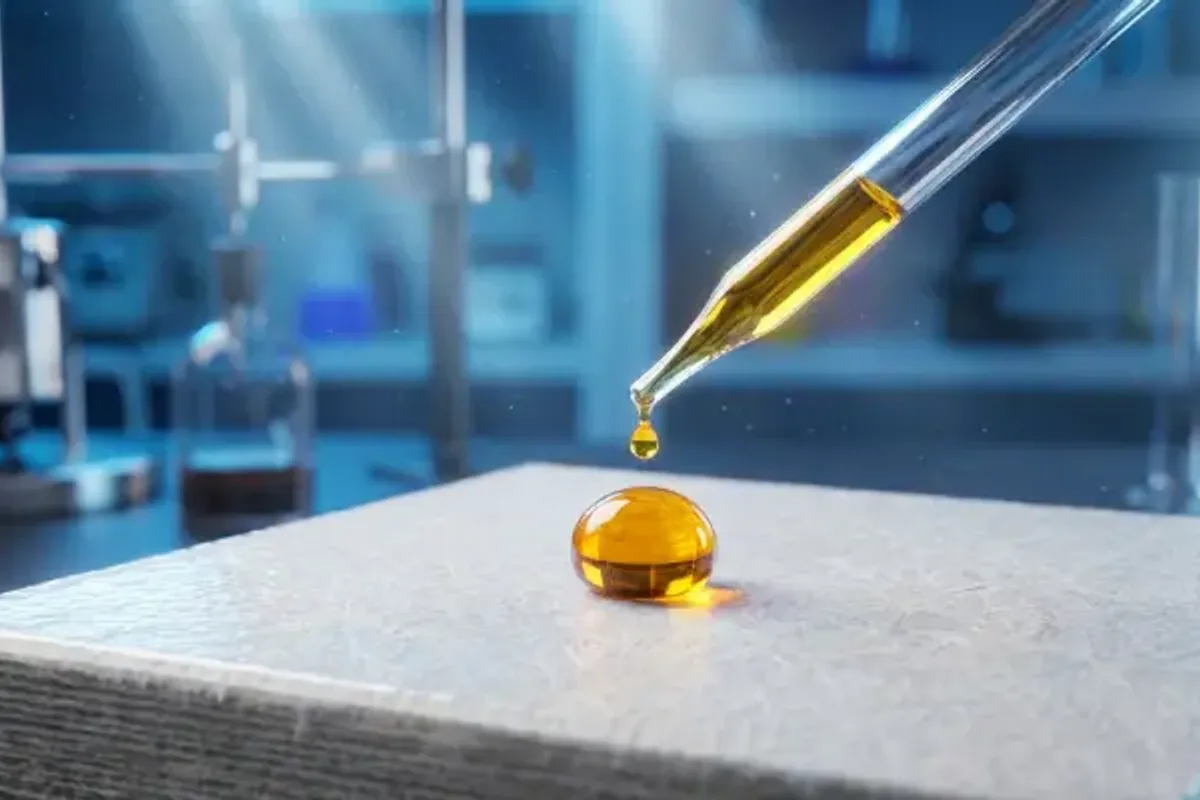
Grease resistance is measured using the TAPPI T559 "Kit Test," which uses reagents of increasing aggressiveness (Castor Oil to Toluene). An uncoated board is Kit 0. Most fast-food applications require:
- Kit 3-5: Dry bakery goods (Donuts, Cookies).
- Kit 6-8: Sandwiches, Fries.
- Kit 9-12: Fried Chicken, oily sauces, heavy gravies.
In our laboratory trials, we observed that Senda’s WB-Series coatings consistently hit Kit 12 performance, utilizing a dense cross-linked acrylic network that physically blocks oil molecules without relying on fluorinated chemistry.
The "Repulpability" Advantage & Tax Compliance
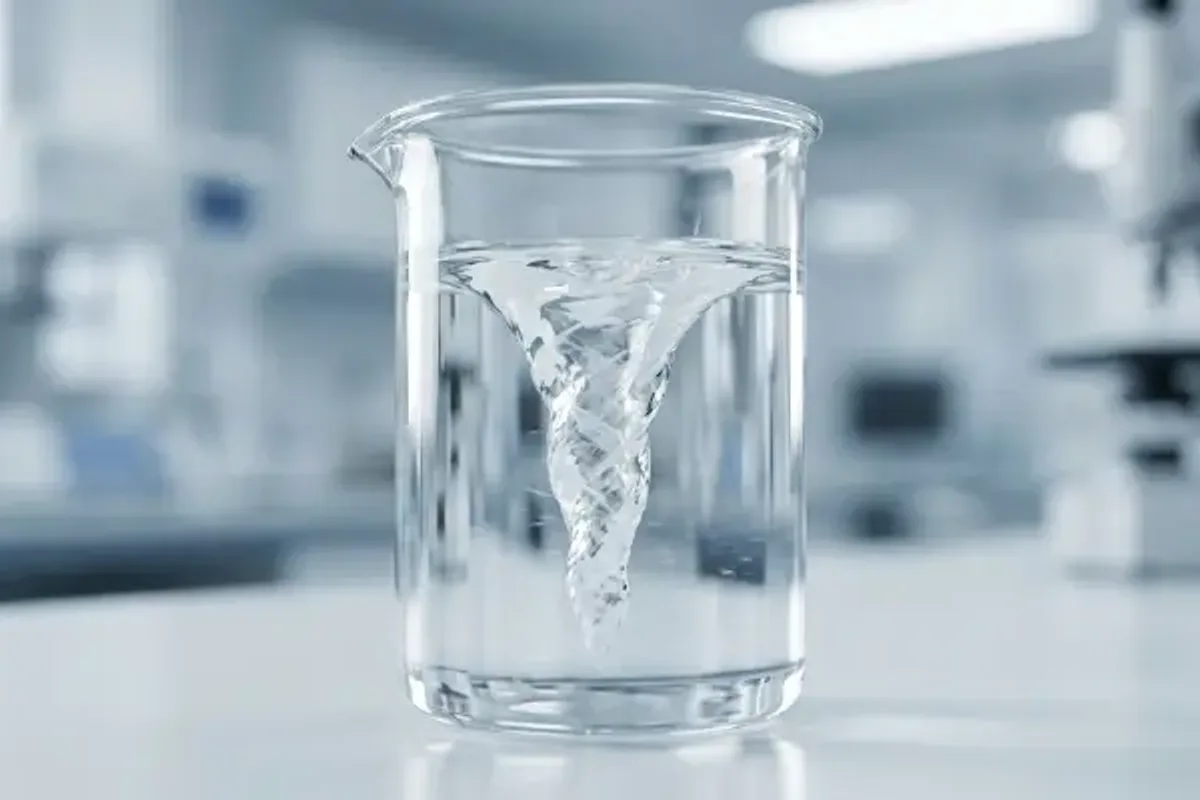
The strongest commercial argument for switching to aqueous coatings is end-of-life and tax avoidance. PE-lined cups often end up in landfills or attract punitive fees (like the UK Plastic Packaging Tax) because separating the film is expensive.
Sustainability Win: The Blue Bin Standard
The Challenge: Brands need packaging that can go into standard Paper Recycling streams to avoid "Plastic" tax classification.
Senda Solution:
- Fiber Recovery: Our coatings break down into microscopic particles during the hydropulping process, allowing >95% fiber recovery.
- Plastic Tax Compliance: By replacing a 15gsm PE film with a 4gsm aqueous coating, the total plastic content drops significantly, often allowing the package to be classified as "Paper" under local regulations.
- Certification Support: We provide data for "Repulpability Certificates" based on PTS or Western Michigan University standards.
Switching from PE to Aqueous?
Don't risk a leaker. Send us your base paper. We will coat it and run a 24-hour Cobb & Kit Test to prove the barrier performance.
Request Barrier TrialSenda Technical Verdict
- Target Kit 12: If you are packaging hot, oily food, specify Kit 12. Anything less risks unsightly grease stains on the customer's lap.
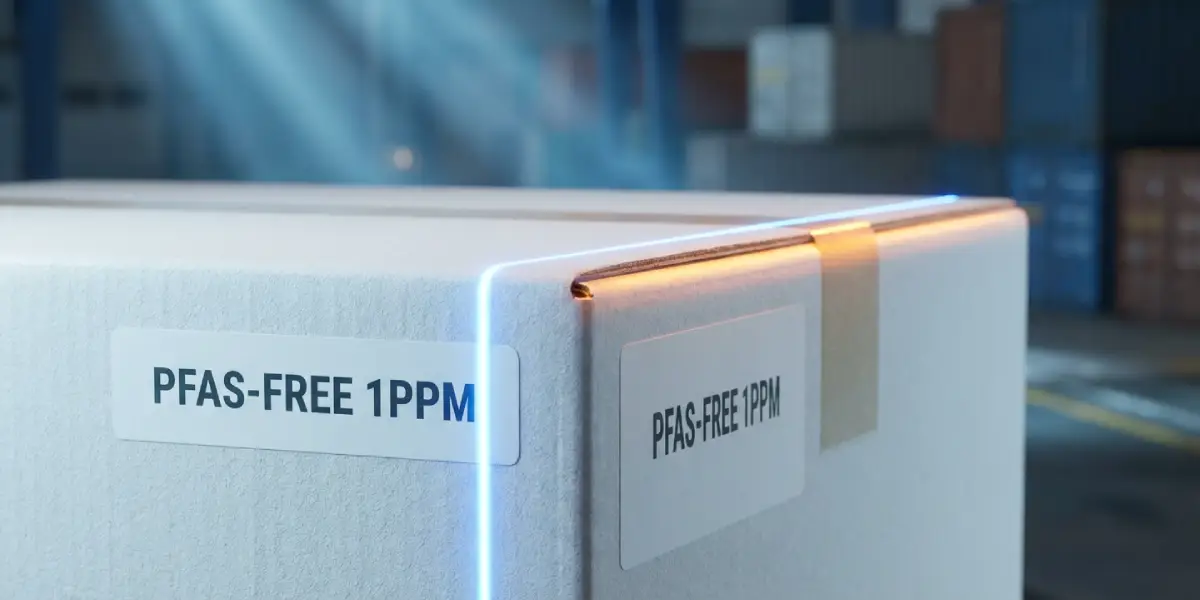
- Verify PFAS-Free: Demand a batch certification that your oil-proof coating contains zero intentionally added PFAS.
- Test at Service Temp: A coating that works at room temperature may fail at 80°C. Always perform migration testing at the maximum filling temperature.
Technical Note on Terminology
Our coatings help brands meet "Plastic-Film-Free" standards by replacing continuous plastic laminates with advanced water-based dispersions. While they contain polymeric binders for functionality, they are engineered for repulpability screening on qualified paper streams when monomaterial design is validated with your mill or scheme.
Frequently Asked Questions
What is the Kit Test and why is Kit 12 performance important?
The Kit Test (TAPPI T559) measures a substrate's resistance to grease and oil. Kit 12 is the highest rating, essential for high-fat applications like fried chicken or oily sauces to prevent staining and structural failure.
How do aqueous barrier coatings improve paper recyclability compared to PE liners?
Polyethylene (PE) liners are continuous plastic films that are difficult to separate from paper fibers. Aqueous coatings are water-based dispersions that can improve fiber recovery versus PE film in qualified repulpability screening—results depend on coat weight, facestock, and mill protocol.
How does "Plastic-Film-Free" differ from "plastic-film-free"?
Retailers and regulators use different definitions for film-free or plastic-free claims. Document whether you eliminated extruded PE/PLA film and how aqueous coats were screened for repulpability with your target mill or scheme—not a single global label.
Can aqueous coatings withstand high-temperature food contact?
Some grades target hot-fill service windows; validate softening, grease holdout, and migration paths at your coat weight and contact class—do not assume one temperature rating for every SKU.
What is the Cobb value and how does it relate to water resistance?
The Cobb test measures the amount of water absorbed by paper or board over a specific time. Lower Cobb values (e.g., <20) indicate superior hydrophobicity, which is critical for liquid-packaging and moisture-sensitive applications.
Screen coat weight on your facestock
Complimentary 1 kg lab material for qualified programs—courier prepaid by recipient (liquids prepaid only).
References
Technical Disclaimer: All technical data is based on standard laboratory conditions. Users should perform their own verification testing to confirm suitability for specific substrates, processes, and regulatory requirements. Senda Glue makes no warranties, express or implied, and assumes no liability for improper use of the products or reliance on this information.