A practical guide to food-grade coatings for paper containers: hot and cold liquid holdout, grease resistance, heat-seal behavior, repulpability, and how to choose between recyclable barrier and future biodegradable routes.
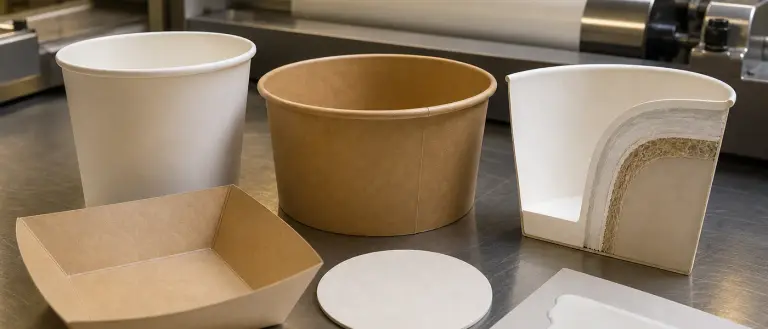
Table of Contents
“Food-grade coating” sounds specific, but it hides at least five different engineering jobs: water holdout, oil holdout, release behavior, heat-seal response, and repulpability. If you do not name the job, you usually end up buying a coating that looks compliant on paper but fails in the container geometry that actually matters.
This guide is for converters and packaging teams working on cups, bowls, trays, clamshells, and lids. It connects our current recyclable barrier coating route with adjacent process needs like paper cup side-seam bonding and heat-seal coating windows.
First, Define What the Container Must Survive
Common Container Demands
Need liquid holdout, heat resistance, stack behavior, and a clean side-seam process with the cup adhesive route.
Need oil resistance, stain control, and enough barrier integrity that grease does not wick through the fiber wall.
Need condensation stability and surface integrity after cold-chain exposure and recovery to room conditions.
May need a heat-seal function in addition to liquid or grease barrier, which changes chemistry and test priorities.
Coating vs Adhesive vs Heat-Seal Layer
A paper container often uses more than one chemistry. The barrier coating controls liquid, grease, or oxygen pathways. The adhesive closes side seams, bottoms, handles, or closures. A heat-seal layer may create the bond interface between the paper article and a lid or opposing surface. Mixing these roles together creates expensive trial confusion.
- Cup side seam is usually an adhesive problem, not a barrier-coating problem.
- Grease bleed-through is usually a barrier problem, not a stronger-glue problem.
- Seal initiation temperature is a heat-seal problem, even when the pack also needs barrier performance.
Direct Contact Does Not Mean One Universal Chemistry
Paper containers that touch food directly still need the right regulatory route and use-condition fit. A dry bakery tray, a hot soup cup, and a greasy fried-food clamshell do not stress the same extractives or barrier profile. The technical question is not "Is it food grade?" but whether the coating was designed and documented for your food type, service temperature, and contact geometry.
Need a Commercial Barrier Route Right Now?
See the repulpable coating platform we position for current production launches while biodegradable routes stay in pilot-stage development.
See Recyclable Barrier OptionsRepulpable Today vs Biodegradable Tomorrow
For many commercial programs, the most realistic near-term answer is a repulpable / recyclable barrier system that fits current paper-recovery infrastructure. A biodegradable or compostable route can be strategically attractive, but it usually carries a bigger development burden and more end-of-life qualification questions. That is why our current production default stays on recyclable barrier coatings while bio-based innovation remains an R&D program.

A Good Container Coating Does Not Need a Hero Story
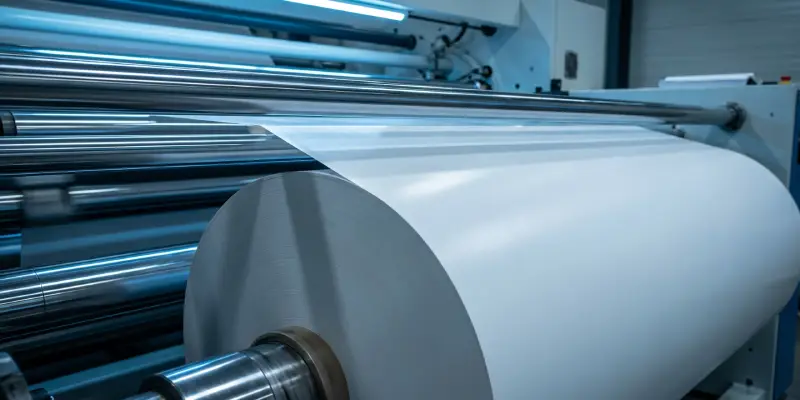
It needs a clear qualification target: hot-liquid holdout, grease kit level, freezer recovery, seal window, blocking resistance, and fiber recovery where recyclability matters. Marketing language without test framing usually creates more launch risk than value.
What to Test Before You Approve
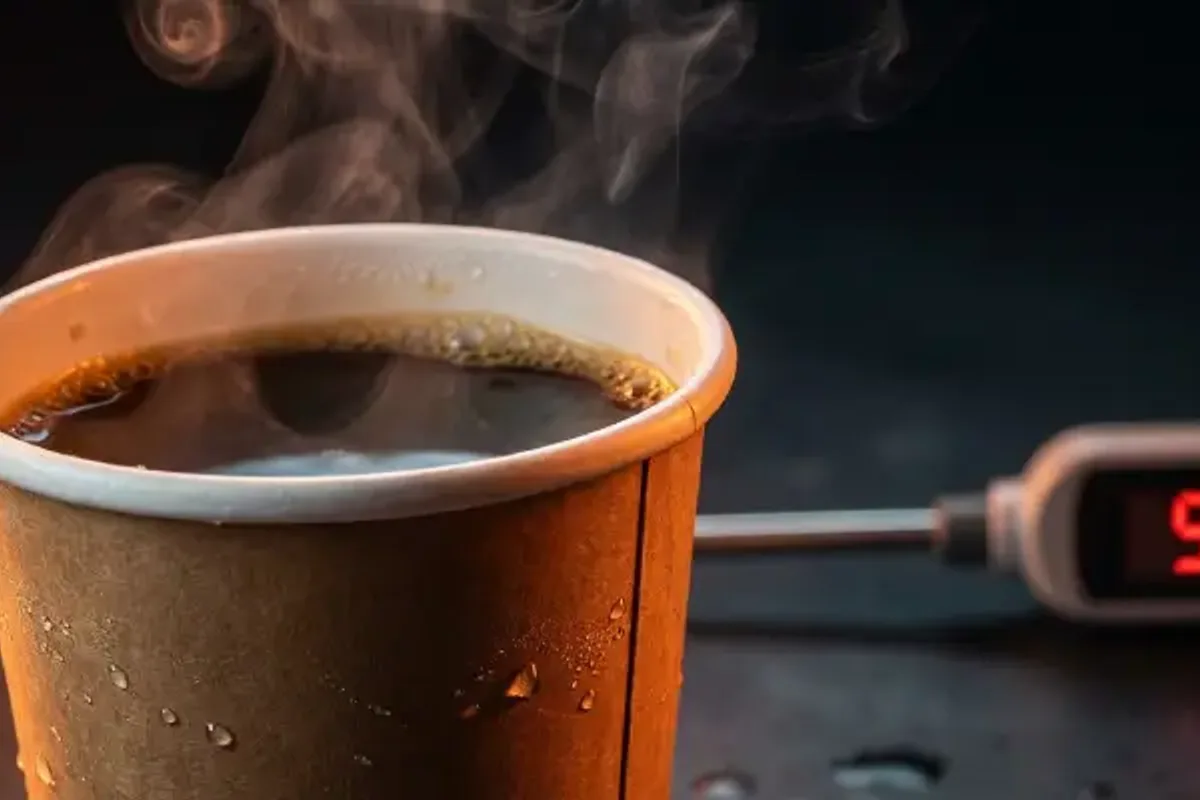
- Hot-liquid holdout and softening under actual fill temperature.
- Grease resistance or oil stain migration for trays and takeaway formats.
- Blocking resistance for coated reels, blanks, or stacked formed parts.
- Repulpability where the sustainability claim depends on paper recovery.
- Seal window and fiber tear if the container also uses a heat-seal closure.
- Side-seam and bottom compatibility if the article also needs an adhesive route.
Where Each Route Fits Best
- Recyclable barrier coatings: Best for brands that need a commercial route now and want cleaner alignment with current fiber-recovery systems.
- Heat-seal coatings: Best when a lid, lidding film, or opposing paper surface must seal inside a defined temperature and dwell window.
- Bio-based / biodegradable R&D routes: Best for pilot programs that accept development risk in exchange for a different end-of-life target.
Final Takeaway
The right food-grade coating for a paper container is the one that matches the job the container actually performs. Start with the structure, food type, and service conditions. Then decide whether you need a recyclable barrier, a heat-seal function, or a pilot-stage biodegradable route instead of trying to force one coating story to cover every format.
Frequently Asked Questions
Are all food-grade coatings for paper containers compostable?
No. Food-grade only speaks to suitability for the intended food-contact use. A coating can be food-contact suitable without being compostable, and a compostable claim still needs its own end-of-life validation.
Do paper cups need both a coating and an adhesive?
Often, yes. The coating manages liquid holdout on the paper surface while the side seam and bottom assembly usually rely on an adhesive or seal system matched to the converting line.
Does repulpable mean the container will fail in hot use?
No. A repulpable structure is designed to stay functional in service and then separate properly during the recycling process. The key is matching the chemistry to both use performance and fiber recovery.
When should I evaluate a biodegradable route instead of a recyclable barrier route?
Evaluate biodegradable routes when your brand has a specific end-of-life target that current repulpable systems cannot satisfy and you are prepared for a tighter development and validation cycle.
Screen barrier on your cup stock
Request complimentary 1 kg lab material after substrate review—shipping prepaid by recipient.
References
Technical Disclaimer: All technical data is based on standard laboratory conditions. Users should perform their own verification testing to confirm suitability for specific substrates, processes, and regulatory requirements. Senda Glue makes no warranties, express or implied, and assumes no liability for improper use of the products or reliance on this information.