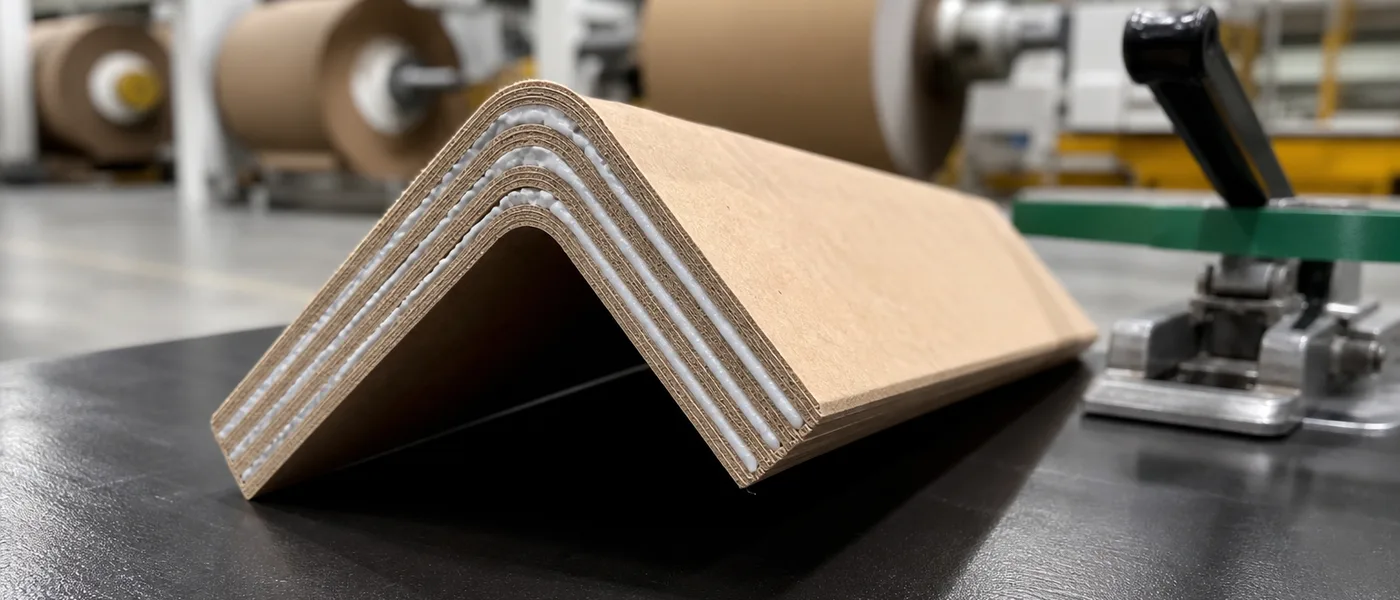
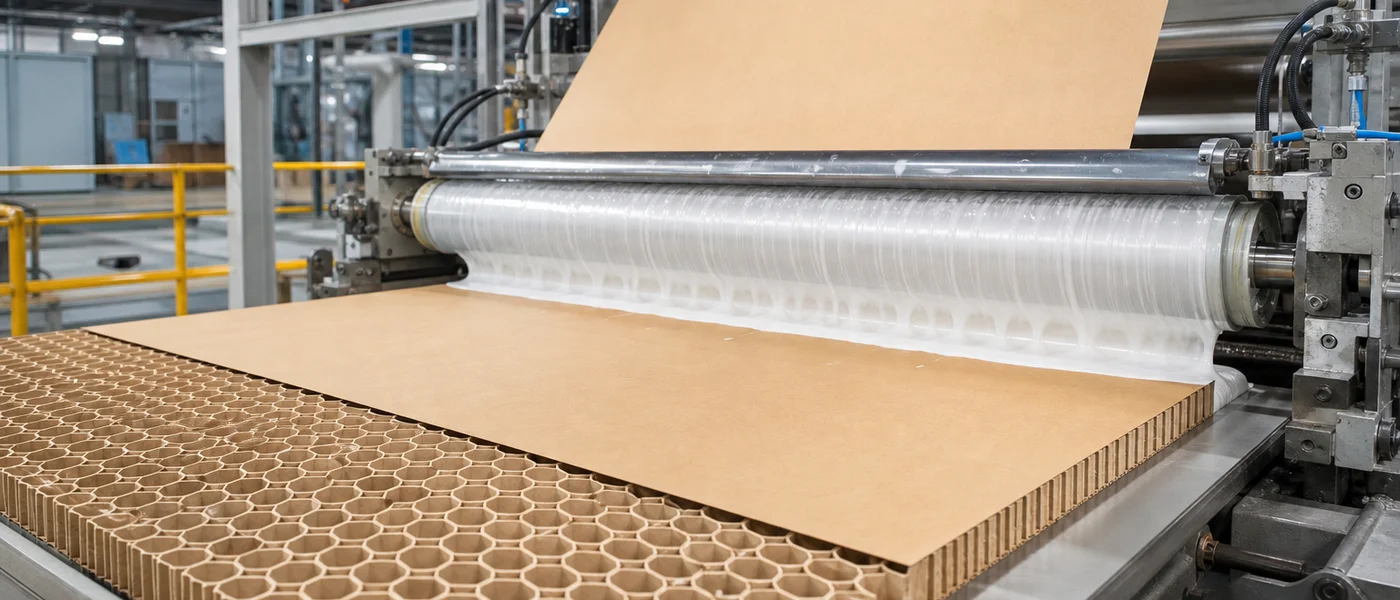
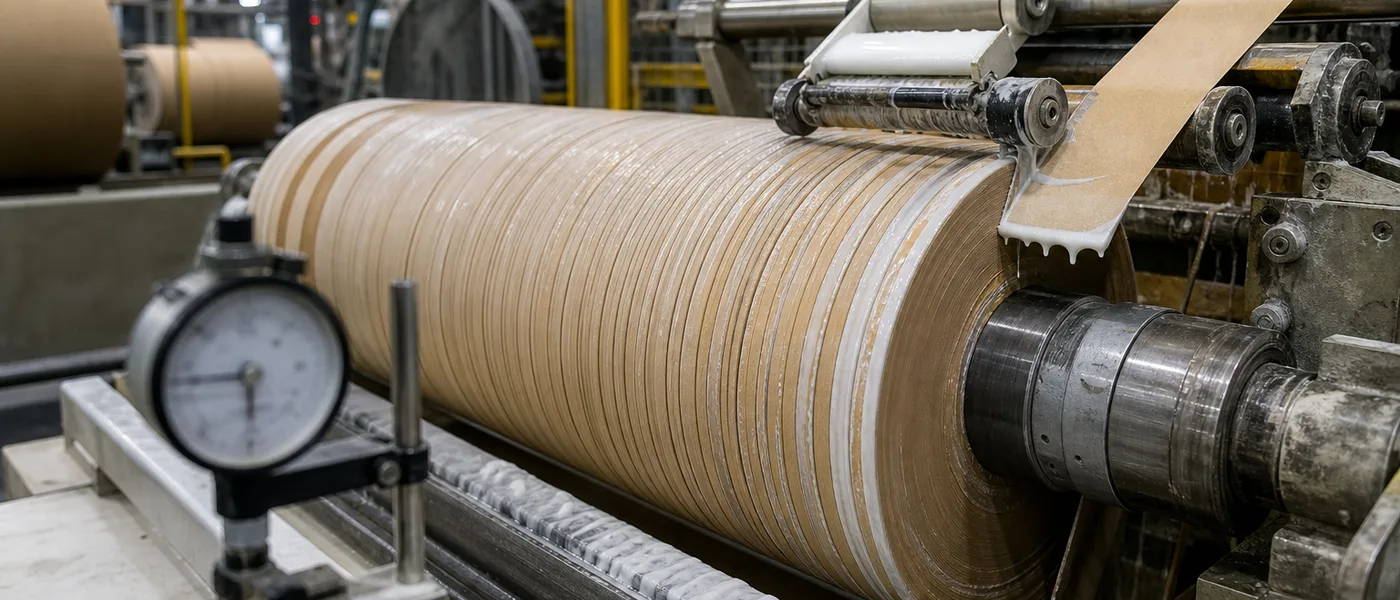
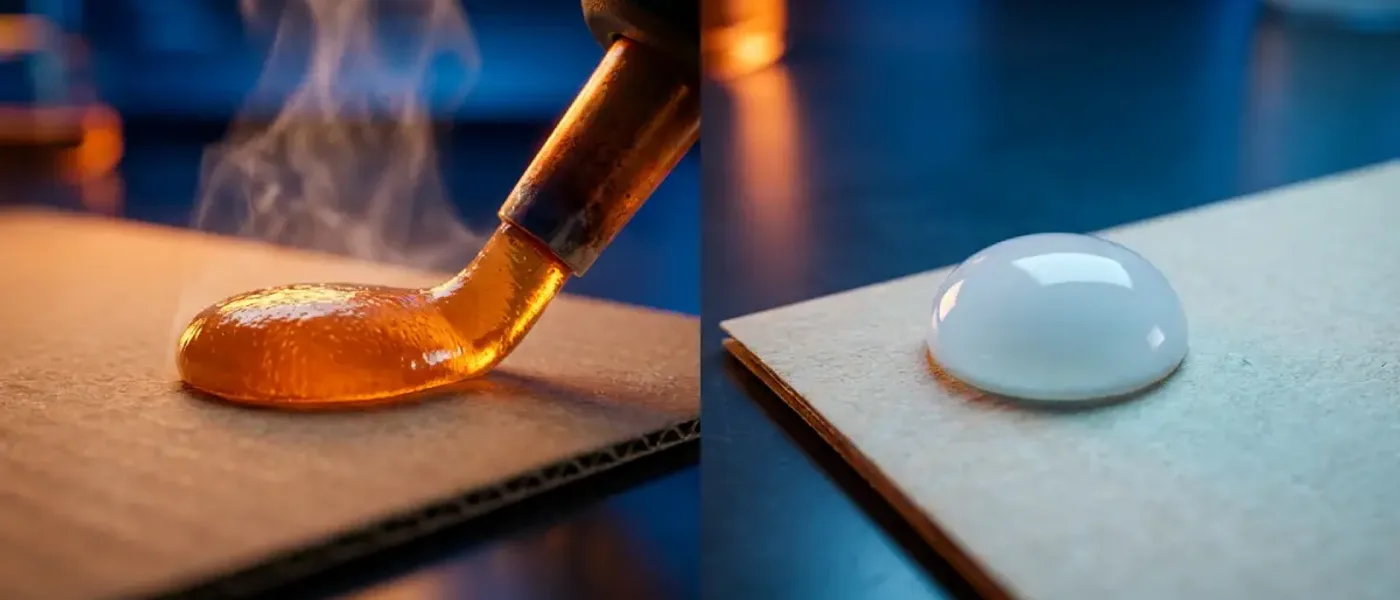
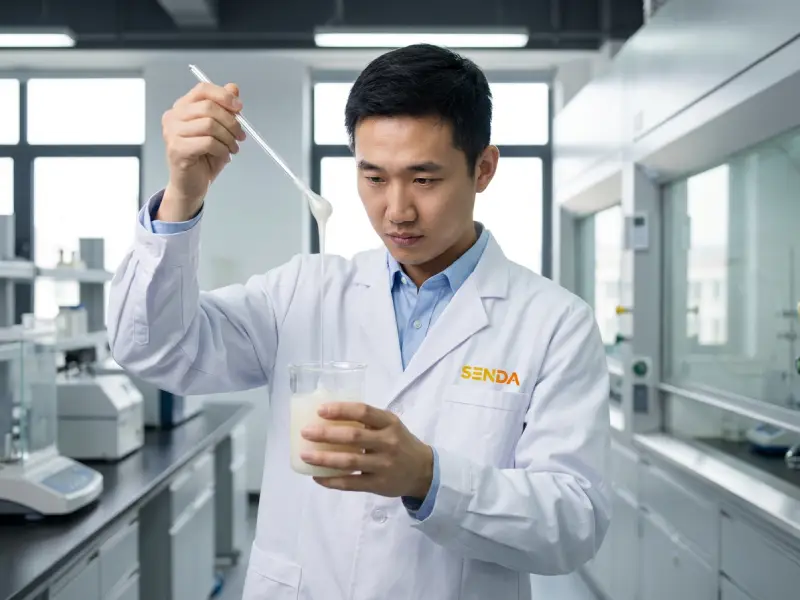
If you are trying to replace a generic 'paper tube glue' with a more sustainable option, the short answer is this: starch and dextrin systems are usually bio-based, but biodegradability depends on the full formula, the additives, and the performance target on your line.
Table of Contents
The Short Answer
When a converter asks whether a starch-based paper tube adhesive is "biodegradable," what they usually mean is a little broader: they want to know whether the glue is plant-derived, how it behaves in recovery streams, and what documentation buyers will accept.
- Starch and dextrin tube adhesives are usually bio-based: their base feedstock is typically plant-derived.
- Bio-based does not automatically mean fully biodegradable or compostable: additives and performance modifiers matter. Compare resin choice in our starch vs. PVA guide and high-speed core failure guide before you market "green glue" alone.
- Many paper tube adhesives are starch- or dextrin-based, but not all: PVA/PVAc systems and blended water-based chemistries are still common, especially on demanding lines.
Why This Question Comes Up So Often
On paper tube and core projects, purchasing teams often start from a sustainability goal while operations teams start from machine reality. Purchasing asks for a bio-based or recyclable-friendly adhesive. Production asks whether the bond will hold at speed, whether the core can be cut cleanly, and whether the finished tube keeps its shape after conditioning.
That tension is exactly why the phrase paper tube glue can be misleading. It sounds like one product category, but in practice it covers several chemistry routes with very different trade-offs.
If you are already past claim language and need to compare actual chemistry trade-offs, read Starch vs. PVA for Paper Tube Adhesives. If the line is failing because speed, cutoff quality, or conditioned crush is slipping, the high-speed troubleshooting guide is the better next read.
Three Terms That Get Mixed Up All the Time
- Bio-based: describes where the feedstock comes from.
- Biodegradable: describes how the full formulation breaks down under the right conditions.
- Repulpable or recycling-compatible: describes whether the adhesive can coexist with paper recycling processes without creating unacceptable stickies or contamination.
If your team needs cleaner wording, the USDA BioPreferred Program is a useful starting point for what counts as biobased, while the FTC's Green Guides remain the practical reference for how biodegradable claims should be qualified.
What Starch and Dextrin Systems Usually Do Well
Starch- and dextrin-based tube adhesives have stayed relevant for good reasons. On the right paper structure, they can wet out well, build a reliable bond, and support a more natural feedstock story than a purely synthetic route. They are also familiar to many converting teams, which matters more than people admit.
- Good paper affinity: they often bond naturally with paper fibers and can be a comfortable fit on standard kraft-based constructions.
- A clearer bio-based position: for teams under pressure to improve renewable content, starch and dextrin are easier to discuss honestly than vague "green glue" language.
- Good fit for many standard core lines: especially where the line is already tuned around water-based application and the end-use is not unusually punishing.
Where They Are Often a Good Fit
- Standard industrial tubes and cores where the end-use environment is dry and stable.
- Projects where the customer wants a more credible renewable-content story without overpromising compostability.
- Lines that already run comfortably with water-based chemistry and do not need extreme early green strength.
Where PVA or PVAc Usually Stays in the Conversation
The moment a tube project moves into high-speed winding, higher crush targets, trickier storage conditions, or cleaner cut requirements, synthetic water-based systems start to make more sense. This is why you still see a lot of PVA/PVAc in the market.
- Higher initial tack and green strength: useful when the core has to hold shape fast at the mandrel.
- Stronger positioning for tough performance targets: especially for heavy textile tubes, film cores, and applications that care about crush performance after conditioning.
- More stable behavior in some demanding plant conditions: humidity swings, difficult papers, or faster cutting expectations can push teams toward PVA/PVAc or blended formulas.
"When someone asks for a biodegradable paper tube glue, I usually slow the conversation down. The real question is almost always this: what failure are you trying to avoid, and how much sustainability language do you actually need to defend with data?"
So, Are Most Paper Tube Adhesives Starch-Based?
A careful answer is better than a catchy one. Many paper tube and core lines do use starch- or dextrin-based adhesives, especially in traditional, cost-sensitive, or paper-friendly applications. But saying that most of the market is starch-based as a universal rule is too loose for a technical page.
In real projects, chemistry choice changes with geography, paper grade, line speed, target crush strength, and the converter's tolerance for moisture, drying, and cleanup. That is why some plants stay with dextrin for years, while others move to PVA/PVAc or blended systems and never look back.
What Usually Drives the Chemistry Choice
The faster the winding line, the more important early tack, clean cutoff, and rheology control become.
Heavy textile tubes, film cores, and load-bearing formats often push teams toward stronger synthetic water-based systems or blends.
If finished tubes will see tougher warehousing or shipping conditions, moisture sensitivity becomes part of the adhesive decision.
If the priority is a more defensible bio-based story, starch and dextrin are often easier to position honestly than broad biodegradable claims.
What to Verify Before You Switch a Line
If you are comparing starch, dextrin, and PVA/PVAc options, ask for more than a brochure. A useful qualification conversation usually includes these five checkpoints:
- Base chemistry and bio-based position: Is the product starch-based, dextrin-based, PVA/PVAc-based, or a blend?
- Additives and claim boundaries: What has been added for preservation, wet tack, water resistance, or viscosity stability, and how does that affect biodegradable or recycling claims?
- Line fit: What are the target speed, paper ply count, application temperature, and cutoff behavior on your actual line?
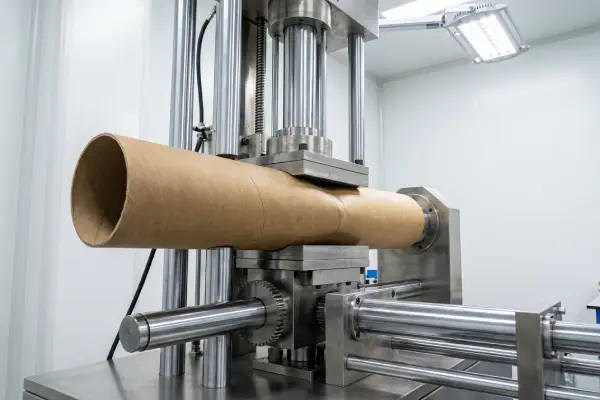
- Finished-core performance: Do not stop at initial bond feel. Check crush, shape retention, cutting quality, and stability after storage or humidity conditioning.
- Documentation: If marketing wants to say bio-based, recyclable-friendly, or biodegradable, make sure the supplier can support the wording with product-specific data.
Need a realistic starting point for your line?
Share your paper grade, winding speed, ply structure, and crush target. It is much easier to compare dextrin and PVA routes when the application window is defined clearly.
View Tube Adhesive OptionsSafer Website Wording for This Topic
If you are writing a sales page or product overview, avoid saying that all paper tube glues are biodegradable or that most industrial tube adhesives are starch-based as a hard rule. It sounds confident, but technical buyers will immediately ask for proof.
- Starch- and dextrin-based tube adhesives are common bio-based options in paper converting.
- Whether a tube adhesive is biodegradable depends on the complete formulation and the conditions used to evaluate breakdown.
- PVA/PVAc water-based systems remain common where converters need higher speed stability, cleaner cutting, or stronger crush performance.
Final Takeaway
Starch-based paper tube adhesives are often a sensible answer when you want a bio-based water-based option with good paper compatibility. They are not, by default, a universal answer for every winding line, and they are not automatically equivalent to a fully biodegradable claim. The best technical position is usually the calmest one: define the line target first, define the sustainability claim second, and make sure both can survive a real production trial.
Frequently Asked Questions
Are starch-based paper tube adhesives bio-based?
Usually, yes. Starch and dextrin are generally derived from plant feedstocks, so these adhesive systems are commonly positioned as bio-based water-based options.
Does bio-based mean the adhesive is fully biodegradable?
No. A bio-based feedstock does not automatically make the full adhesive formula fully biodegradable. Additives for tack, preservation, water resistance, and processing stability can change how the product behaves at end of life.
Are most paper tube adhesives starch-based?
Many paper tube and core adhesives are starch- or dextrin-based, but not all. PVA/PVAc and blended water-based systems are also widely used, especially when converters need higher speed stability or stronger crush performance.
What should I ask before switching from starch to PVA, or the other way around?
Ask about the exact base chemistry, any additives, required line speed, green strength, crush target after conditioning, and what sustainability claims the supplier can support with product-specific data.
Qualify tube adhesive on your program
Request complimentary 1 kg lab material (shipping prepaid by recipient) after screening on your substrate and line conditions.
References
Technical Disclaimer: All technical data is based on standard laboratory conditions. Users should perform their own verification testing to confirm suitability for specific substrates, processes, and regulatory requirements. Senda Glue makes no warranties, express or implied, and assumes no liability for improper use of the products or reliance on this information.