Is Hot-Melt or Water-Based glue right for your line? Compare speed vs. sustainability, energy costs, and TCO to optimize your packaging efficiency.

Table of Contents
In high-volume packaging, the choice between hot-melt and water-based adhesive is rarely about bond strength alone. It is a calculation of Line Speed vs. Energy Consumption. While Hot-Melt dominates auto-erecting lines due to its instant set speed, Water-Based dispersions are becoming the standard for sustainability-focused brands aiming to eliminate "Heat Tunnel" energy costs.
For Plant Managers, the decision matrix must move beyond "stickiness." You need to evaluate the Total Cost of Ownership (TCO), factoring in maintenance downtime (charred nozzles vs. clogged filters) and the kilowatt-hours required to keep a 200kg tank molten 24/7.
"The Hidden Energy Cost: A standard hot-melt system consumes 15-20 kWh per shift just to maintain tank temperature. Switching to a cold-applied water-based system can reduce adhesive-related energy use by over 80%, provided your line length supports the drying time."
Technical Comparison: Rheology & Processing

We classify these technologies not just by their chemistry, but by their processing requirements. Understanding the difference between Glass Transition Temperature (Tg) and MFFT (Minimum Film Forming Temperature) is critical for preventing "Pop-Opens" in winter.
Speed King. 100% solids (no water). Sets by cooling. Instant "Green Strength" (0.5s compression). High energy cost. Best for >50 cartons/min.
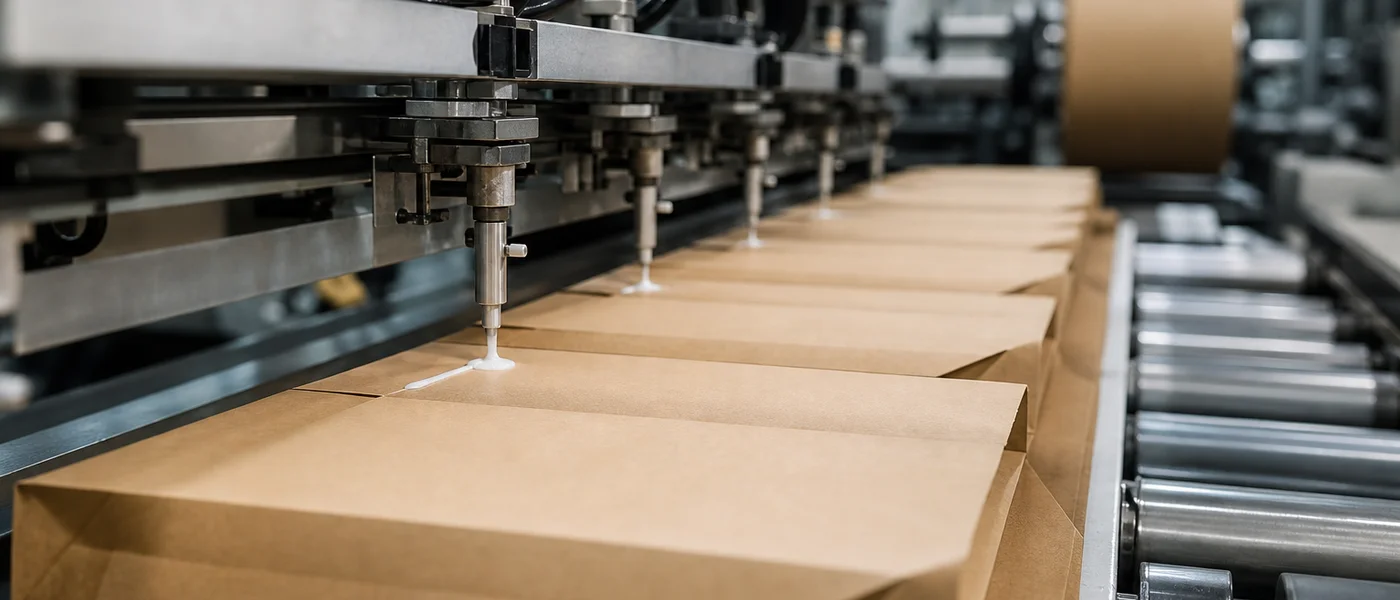
Sustainability King. ~50-60% solids. Sets by evaporation/absorption. Requires compression time (2-5s). Cold application saves energy. Clean machinery.
Hot-Melt: Typically applied thick (1.0-2.0 g/linear meter). Water-Based: Applied thin (0.5-0.8 g/dry weight). Higher mileage per drum.
Hot-Melt: High. Nozzles char, filters clog, hoses need heating. Water-Based: Low. Simple pump systems. Risk of drying in nozzle if stopped.
The "Speed Limit" of Sustainability — On case sealers above ~40 cartons/min, compare EVA vs. metallocene before blaming water-based chemistry. For folder-gluer coated board, see bonding UV & coated stocks.
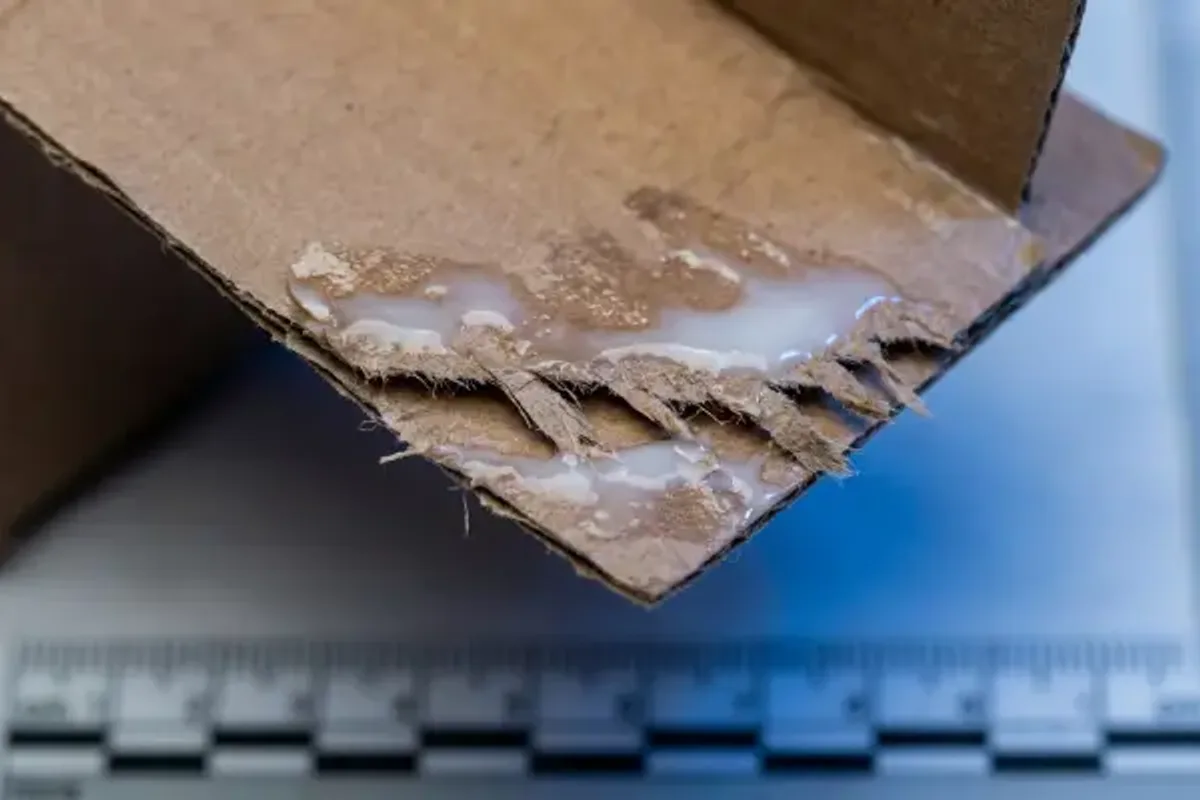
The primary barrier to adopting water-based adhesives is Compression Dwell Time. Water takes time to absorb into the board. If you run a high-speed folder-gluer (300m/min) with a short compression belt, water-based glue will not set before the carton ejects, causing "Fish-Tailing" (skewed flaps).
Problem: "Fish-Tailing" & Pop-Opens
Symptoms: Cartons spring open immediately after the compression belt; flaps are misaligned (skewed) at the packer.
Solutions:
- Audit Compression Length: If you switch to water-based, you often need to extend the compression section by 2 meters to allow for absorption.
- Switch to High-Solid Emulsion: Use a 60% solid VAE grade. Less water means faster setting (higher "Wet Tack") without slowing the machine.
- Hybrid Systems: Use a "Dot" of hot-melt for instant tack, combined with a line of water-based glue for the permanent structural bond.
Sustainability: TCO & Carbon Footprint
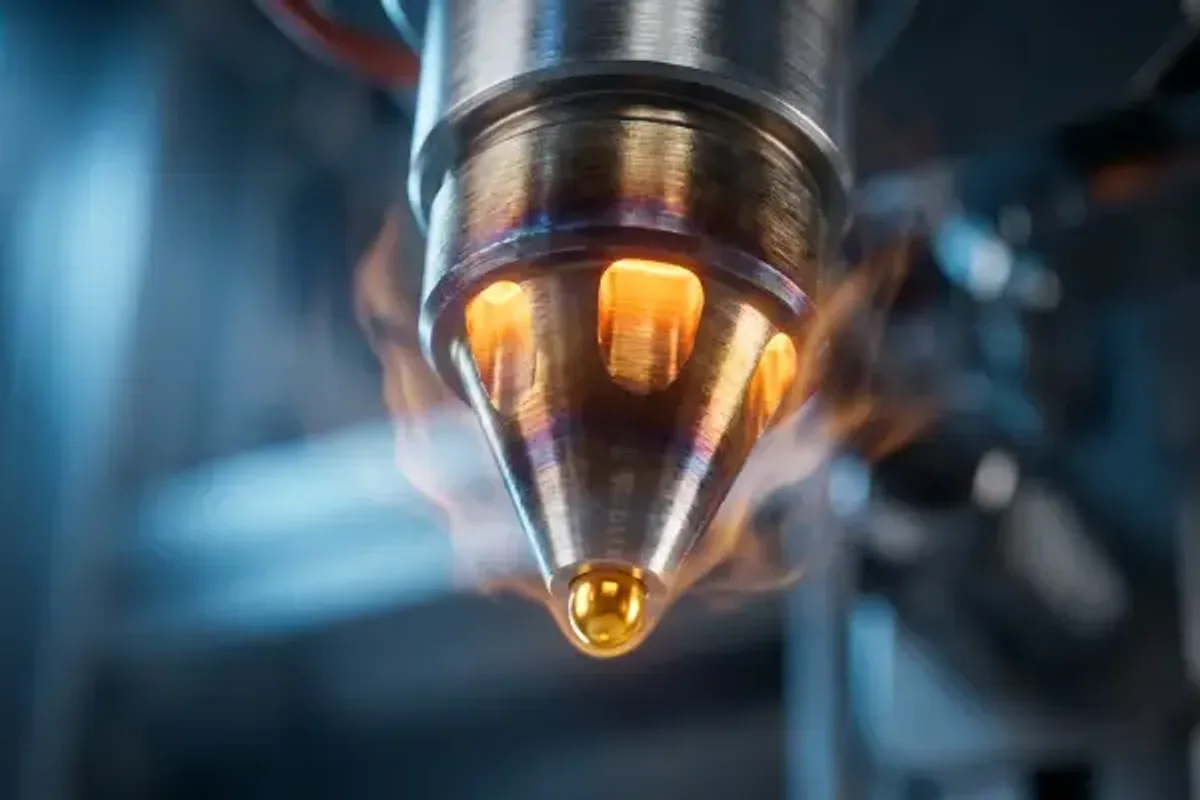
Global FMCG giants are auditing their suppliers for "Scope 3" emissions. Hot-melt adhesives are petroleum-heavy and energy-intensive. Water-based adhesives, especially VAE emulsions, offer a significantly lower carbon footprint.
Furthermore, in paper recycling, water-based adhesives re-disperse more easily than hot-melt "stickies," which can be a major advantage for brands targeting Repulpability Certification.
Calculate Your Energy Savings?
Wondering if you can switch your line to Cold Glue? We can model your current line speed vs. compression length to see if Water-Based is viable.
Request TCO Audit ModelSenda Technical Verdict
- For Speed (>60 cpm): Stick with Metallocene Hot-Melt. The energy cost is justified by the throughput.
- For Sustainability: If you have the floor space for a longer compression belt, switch to Water-Based VAE. You will save 15-20% on TCO through energy and maintenance reductions.
- The Hybrid Compromise: For heavy-duty cases, ask about "Dual-System" guns that use hot melt for tack and cold glue for the seal.
Frequently Asked Questions
Why is compression dwell time more critical for water-based adhesives than hot-melt?
Hot-melt adhesives set almost instantly by cooling. Water-based adhesives set by evaporation and absorption into the paper fibers, requiring a longer compression belt to ensure the bond is structural before the carton exits the line.
Can switching to water-based adhesives really reduce energy consumption?
Yes. A standard hot-melt system requires 15-20 kWh per shift to maintain tank and hose temperatures. Water-based adhesives are applied at ambient temperature, which can reduce adhesive-related energy costs by over 80%.
What is "Fish-Tailing" in carton sealing?
Fish-tailing refers to skewed or misaligned flaps. This often occurs when using water-based adhesives on a line with insufficient compression, causing the flaps to shift before the glue has developed enough "green strength" to hold them in place.
How do adhesives impact the repulpability of paper packaging?
Water-based adhesives generally re-disperse more easily in a hydropulper during recycling. In contrast, traditional hot-melts can create "stickies" that clog recycling screens, making water-based options preferred for circular economy goals.
When should I choose Metallocene hot-melt over a water-based dispersion?
If your line speed exceeds 60 cartons per minute or you have a very short compression section, Metallocene hot-melt is the better choice due to its instant set speed and superior thermal stability compared to EVA.
Pick adhesive platform for your line
Request complimentary 1 kg lab material (shipping prepaid by recipient) after screening on your substrate and line conditions.
References
Technical Disclaimer: All technical data is based on standard laboratory conditions. Users should perform their own verification testing to confirm suitability for specific substrates, processes, and regulatory requirements. Senda Glue makes no warranties, express or implied, and assumes no liability for improper use of the products or reliance on this information.