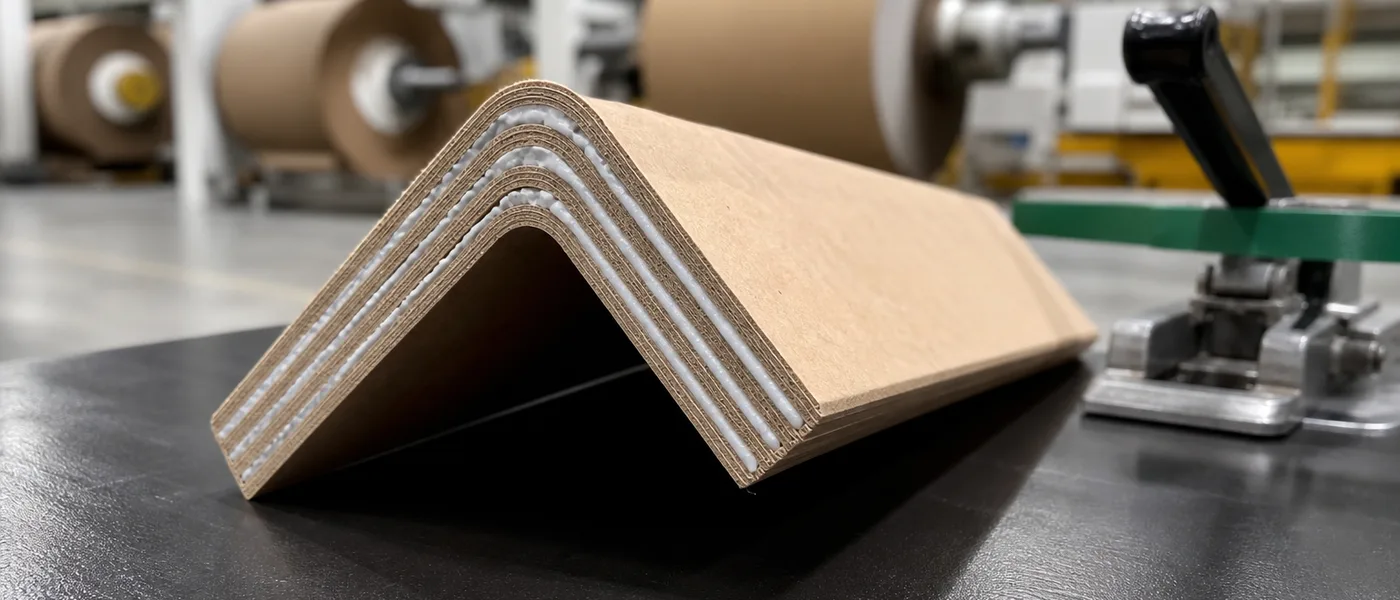
Optimize adhesive coverage, nip pressure, and paper grade on V-board lines to stop strapping delamination, soft corners, and slow drying—plus beam-strength qualification for heavy-duty profiles.
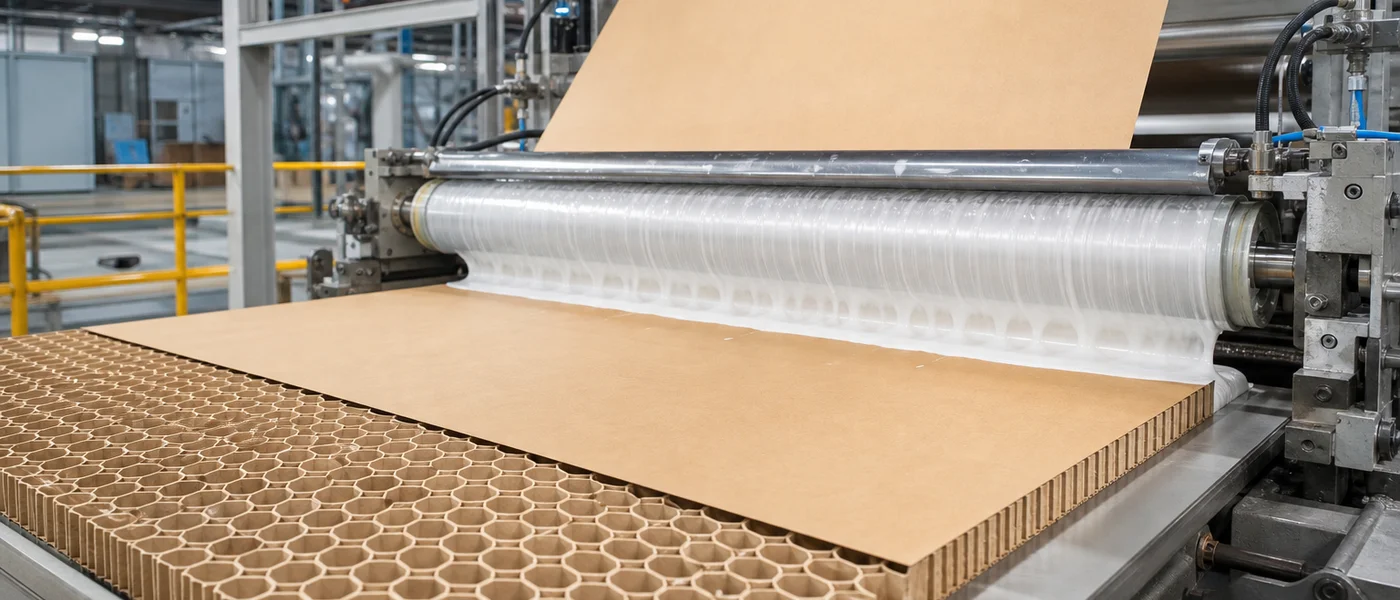
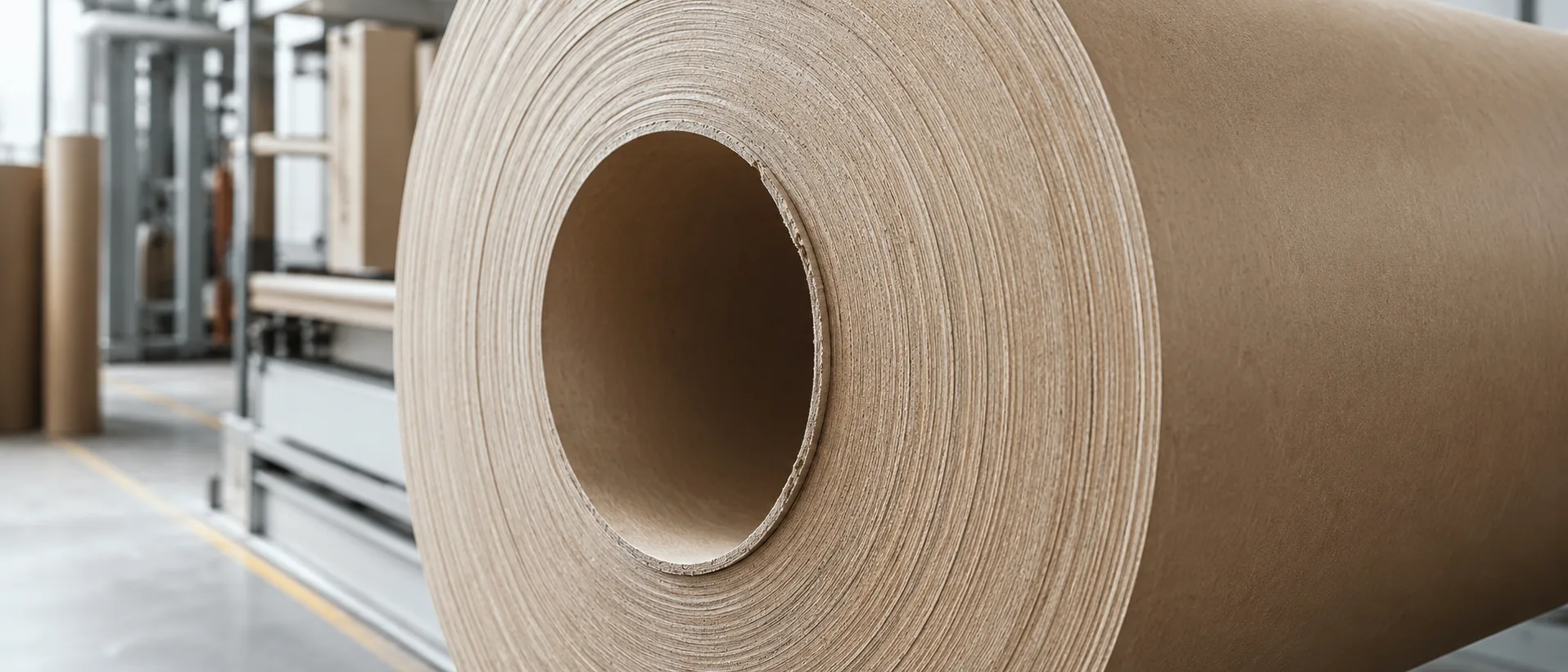
Control moisture introduction, glue spread, and lamination pressure to stop honeycomb curling, core delamination, and drying bottlenecks on structural panel and paper-pallet lines.
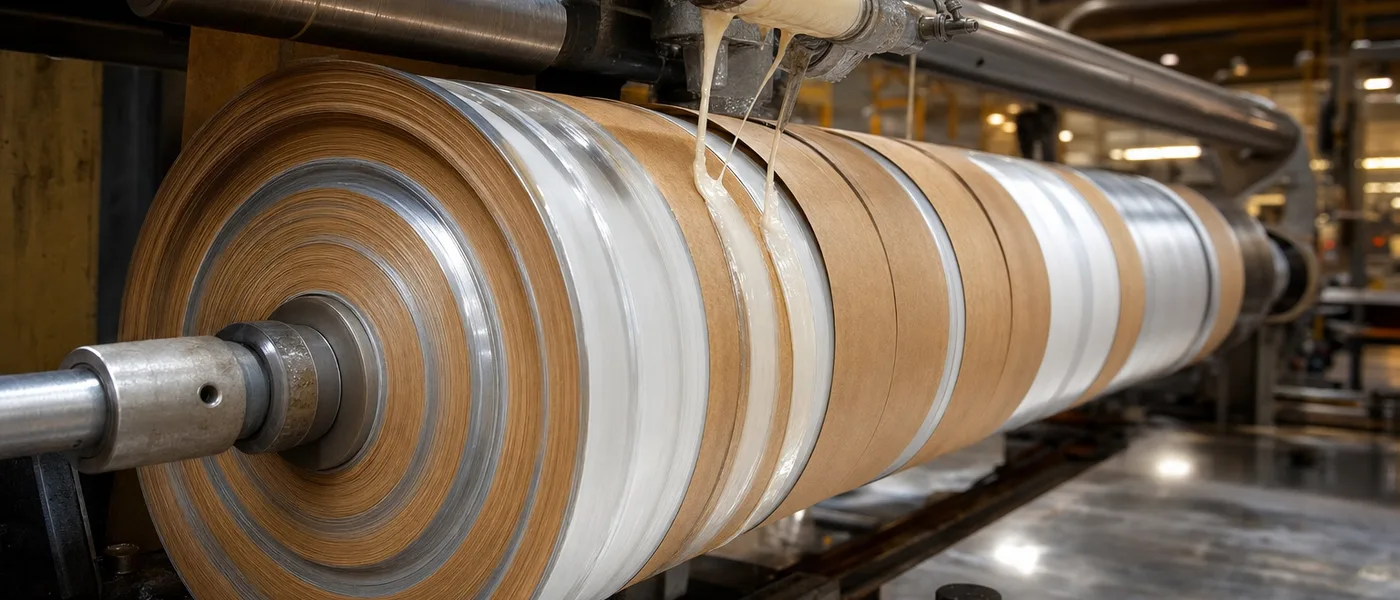
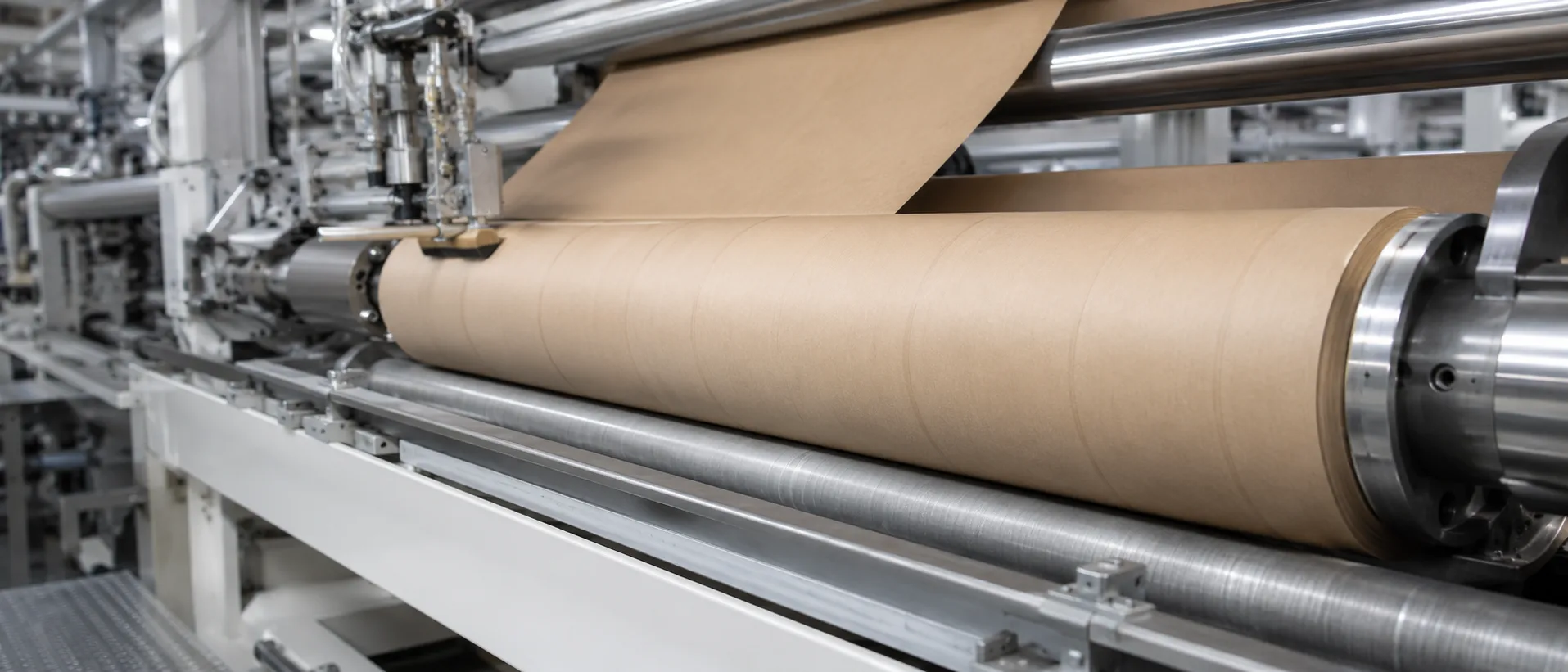
Machine-side guide for composite can winding: glue temperature, mandrel speed, paper tension, foil/PET liner tack, MAP seam integrity, and organoleptic qualification for food canisters.
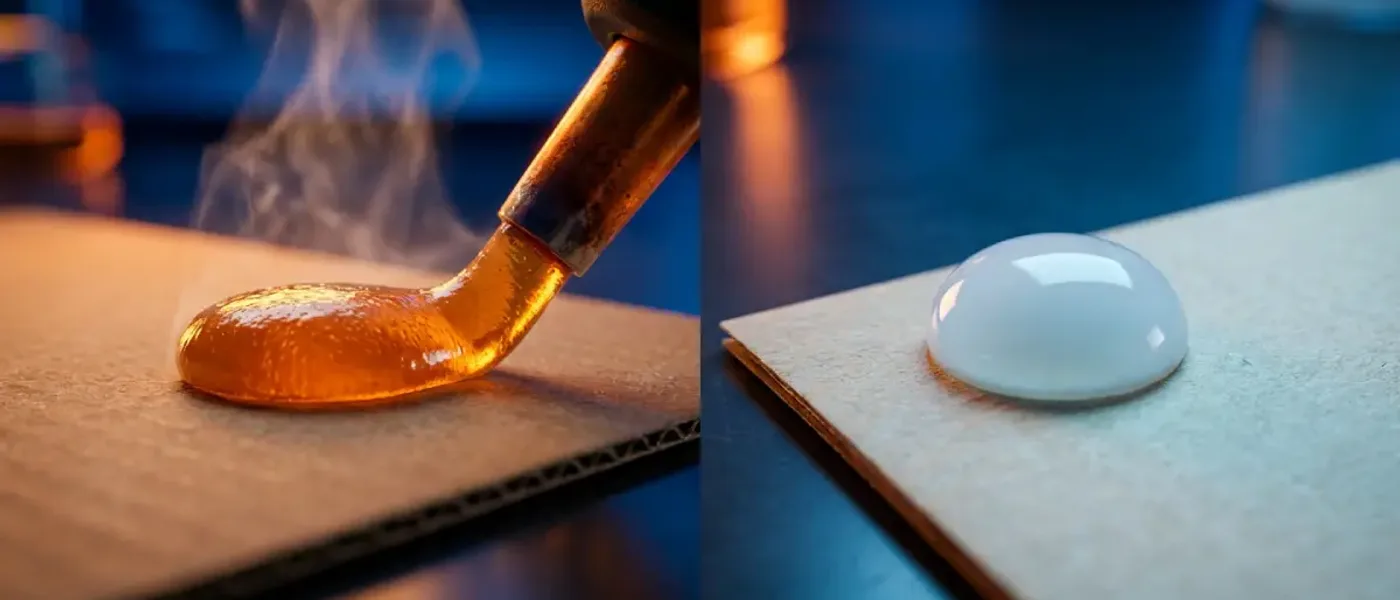
Is your glue slowing down your line? Learn how High-Speed Metallocene eliminates charring and provides instant green strength to maximize industrial throughput.
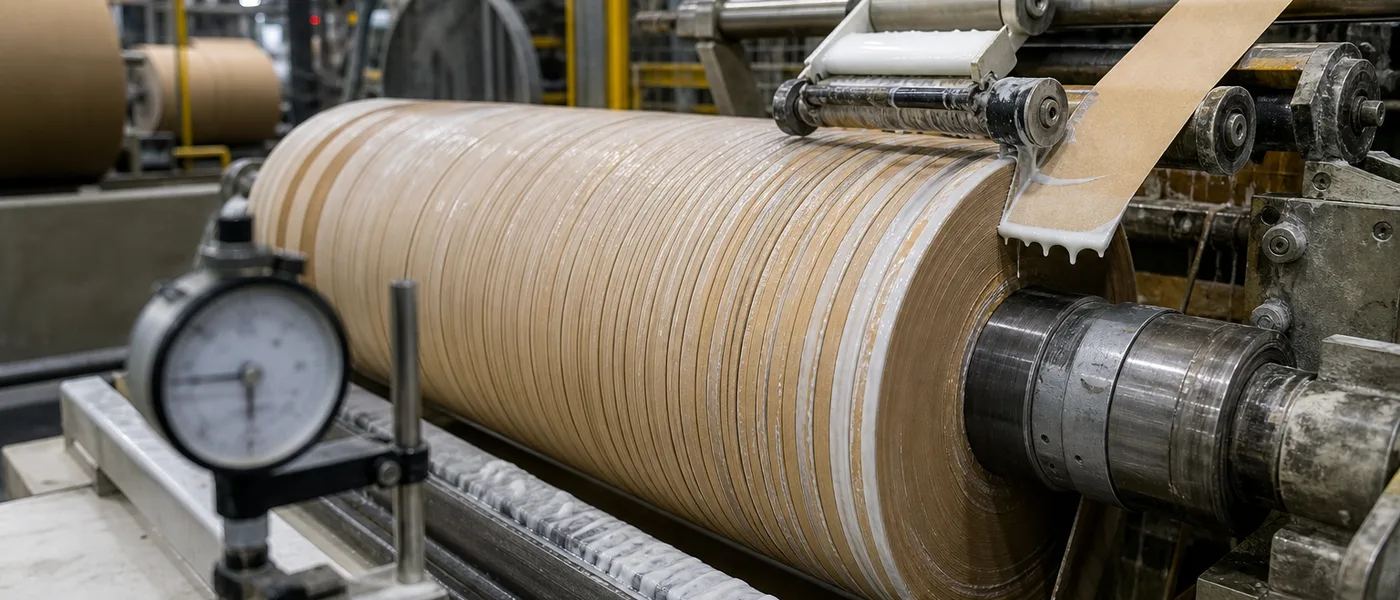
When paper tube cores start failing on high-speed lines, the adhesive is often blamed first. Sometimes that is right. Just as often, the real problem is a bad machine window: wet tack develops too slowly, cutoff gets messy, moisture load stays too high, or crush strength collapses after conditioning.
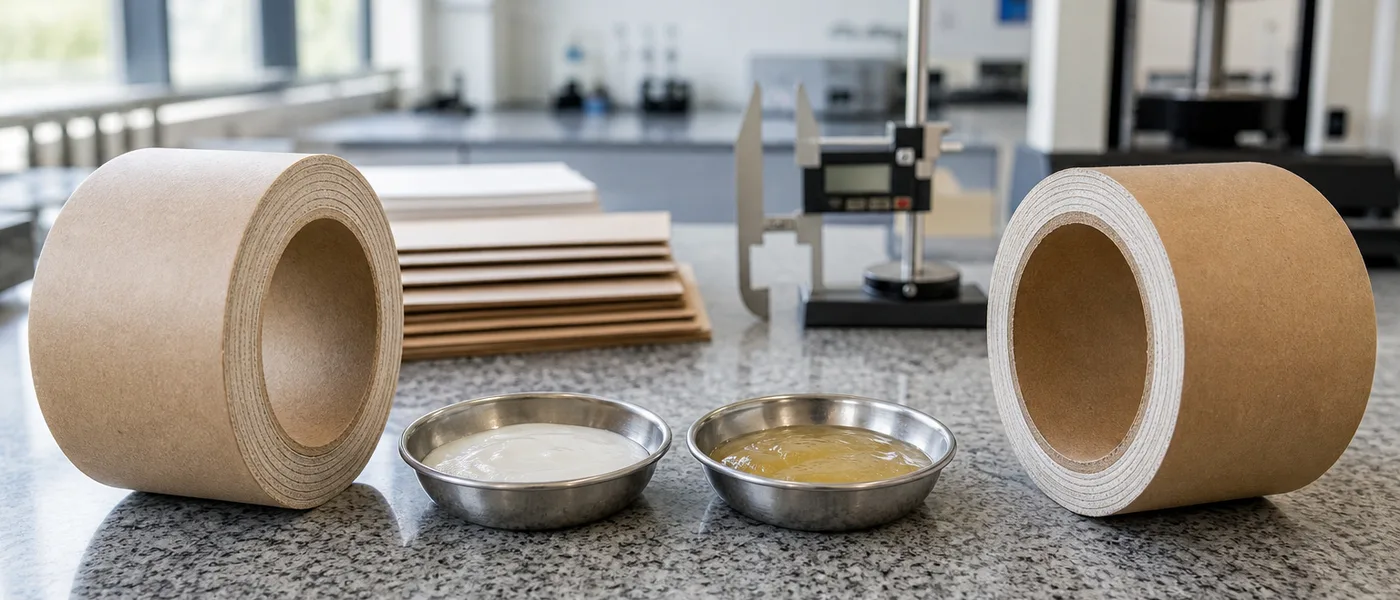
There is no universal winner between starch and PVA for paper tube adhesives. The better fit usually depends on line speed, early green strength, crush target, drying window, and how much sustainability language you actually need to defend with data.
If you are trying to replace a generic 'paper tube glue' with a more sustainable option, the short answer is this: starch and dextrin systems are usually bio-based, but biodegradability depends on the full formula, the additives, and the performance target on your line.
A tube and core converter stabilized a faster winding program by matching adhesive chemistry to wet-tack development, cutoff behavior, and conditioned crush instead of simply increasing glue laydown.
A protective-packaging converter moved a heavy-duty V-board program away from recurring ply separation by switching to a higher-stiffness lamination system and tightening moisture and compression control.
A honeycomb-board converter reduced curl risk and stabilized compression performance by switching to a lower-moisture lamination system that dried more predictably and held panel geometry more consistently.
A composite-can converter reduced sensory risk on premium tea packaging by switching to a lower-odor lamination system that improved organoleptic confidence while keeping foil-to-paper bonding stable on the winding line.
Periodic updates on adhesive qualification, compliance pathways, and converting best practices.
We care about your data in our privacy policy . Unsubscribe anytime.
Chat with us
Before you leave
Need a safer way to qualify adhesive on your line?
Send your substrate, line speed, and application target. We can suggest a 1 kg lab sample path or the right technical document before you commit to a production trial.
We use cookies to enhance your browsing experience, analyze site traffic, and personalize content. By clicking "Accept All", you consent to our use of cookies. Cookie Policy
For visitors in the EEA, UK, or Switzerland, analytics and marketing cookies stay off until you opt in.For visitors outside the EEA, UK, and Switzerland, analytics may load by default, and you can opt out at any time.

 Guide
Guide