Food Contact Adhesives for Direct & Indirect Paper Packaging

Commercial food-packaging adhesive routes for FDA 21 CFR 176.170 (direct) and 175.105 (indirect) on paper straws, cups, cartons, and seals. Qualify migration and sensory limits on your food type and fill conditions—start with a 1 kg lab screen, then line trials.
*Complimentary 1 kg lab material · shipping prepaid by recipient. 20 kg / 25 kg trials after screening. MOQ typically ~1,000 kg. DoC/CoA on request.*
✅ FDA 175.105 & 176.170 routes • Migration screening • Audit documentation
Optimized For:
175.105 / 176.170
Indirect vs direct routes matched to your pack
Sensory screen
Organoleptic review on qualified grades
DoC + CoA
Batch documentation for BRCGS / IFS / FSSC audits
Match the Regulatory Zone to the Bond
Direct liquid contact, indirect carton seals, and laminate layers each need a different FDA path—not one generic label for every station.
Direct Food Contact
Paper straws, tea bags, and cup side seams where adhesive may touch food—grades selected for FDA 176.170 paper-contact review on your structure.
Indirect Food Contact
Outer cartons, shipper cases, and labels separated by a functional barrier—FDA 175.105 indirect routes with migration limits confirmed for your pack.
Laminating & Seal Layers
Flexible pouch and lidding bonds where overall migration must be screened for fatty or acidic fills—pair with our heat-seal hub when the seal layer is separate from carton glue.
Common Food-Packaging Adhesive Risks
Audit findings, off-odors, and migration over limits surface at retail approval—not when a supplier says “FDA compliant” on a one-pager.
Common Failures
Audit & Traceability Gaps
Missing batch CoA, unclear DoC scope, or grades that do not match the 175.105 vs 176.170 path your pack actually needs.
Sensory Contamination
Volatiles or odor from the wrong grade tainting chocolate, tea, or other aroma-sensitive products—even when bond strength looks fine.
Migration Over Limits
Adhesive components moving into food under heat, fat, or acid when the grade was never screened for your fill type and temperature.
Our Solution
Audit-Ready Documentation
Batch-level TDS, SDS, DoC, and CoA scoped to the nominated grade—aligned with your customer’s BRCGS, IFS, or FSSC questionnaire.
Sensory-Qualified Grades
Organoleptic screening on qualified programs—confirm on your substrate and shelf life, not from a generic marketing claim.
Migration-Matched Selection
Grade choice tied to food type (fatty/acidic/dry), contact zone, and storage—validated in lab before a production trial.
Qualify on Your Food Type & Pack Structure
Share substrate, contact zone (direct/indirect), fill temperature, and target markets. Path: 1 kg lab screen → 20 kg WB or 25 kg HM trial → bulk MOQ (~1,000 kg).
Migration & OML Planning
Grades chosen to stay within overall migration limits for your food simulant and conditions—confirm with your lab or ours.
Sensory Neutrality
Low-odor raw materials and organoleptic review on qualified grades for tea, confectionery, and other sensitive products.
GMP-Aligned Supply
Manufacturing under GMP-aligned controls with batch traceability for customer audits—documentation on request.
Typical Regulatory Routes (Validate on Your Pack)
We map contact zone, food type, and export market before nominating a commercial grade—ranges below are starting points.
| APPLICATION ZONE | REGULATORY STANDARD | TECH & VISCOSITY | QUALIFICATION FOCUS |
|---|---|---|---|
| Paper Straws / Tea Bags | FDA 21 CFR 176.170 | Water-based acrylic (~500–2,000 cps) | Direct-contact paper routes—liquid resistance and organoleptic screen on your straw or filter stock. |
| Cartons / Labels / Cases | FDA 21 CFR 175.105 | VAE / hot melt (~1,000–4,000 cps) | Indirect contact with barrier—migration limits confirmed for your board and food category. |
| Frozen Logistics Shippers | FDA 175.105 (indirect) | Metallocene hot melt (~800–2,500 cps) | Cold-chain case sealing—about -40°C service on qualified programs; see end-of-line packaging. |
REGULATORY STANDARD: FDA 21 CFR 176.170
TECH & VISCOSITY: Water-based acrylic (~500–2,000 cps)
QUALIFICATION FOCUS: Direct-contact paper routes—liquid resistance and organoleptic screen on your straw or filter stock.
REGULATORY STANDARD: FDA 21 CFR 175.105
TECH & VISCOSITY: VAE / hot melt (~1,000–4,000 cps)
QUALIFICATION FOCUS: Indirect contact with barrier—migration limits confirmed for your board and food category.
REGULATORY STANDARD: FDA 175.105 (indirect)
TECH & VISCOSITY: Metallocene hot melt (~800–2,500 cps)
QUALIFICATION FOCUS: Cold-chain case sealing—about -40°C service on qualified programs; see end-of-line packaging.
Why QA & Packaging Teams Shortlist Senda
Correct regulatory path, migration-aware grade choice, and paperwork that survives customer audits—not a generic marketing listing.
175.105 vs 176.170 Clarity
Audit-Ready Paperwork
Cross-Station Routing
Documentation for QA and Retail Audits
Indirect and direct routes need different statements. Request a pack-matched audit package—documentation must be scoped to your structure.
Compliance Scope (Confirm for Your Pack)
FCN, EU, and other markets may add requirements beyond U.S. FDA chapters—confirm in trial for export programs.
- FDA 175.105 ( Indirect food-contact paper packaging )
- FDA 176.170 ( Direct-contact paper applications (structure-dependent) )
- REACH & RoHS ( Statements on request )
Batch-level TDS, SDS, DoC, and CoA for the nominated grade—scoped to your contact zone.
Related Packaging Lines
Food-contact adhesive is the regulatory hub—route cup, straw, and carton stations to the right commercial page without approving the wrong FDA chapter.

Paper Cup Adhesives
Side seam and bottom bonds on cup stock—distinct from cup coatings or PE/PLA liners. Direct liquid-contact qualification paths under 176.170 review.
View paper cup grades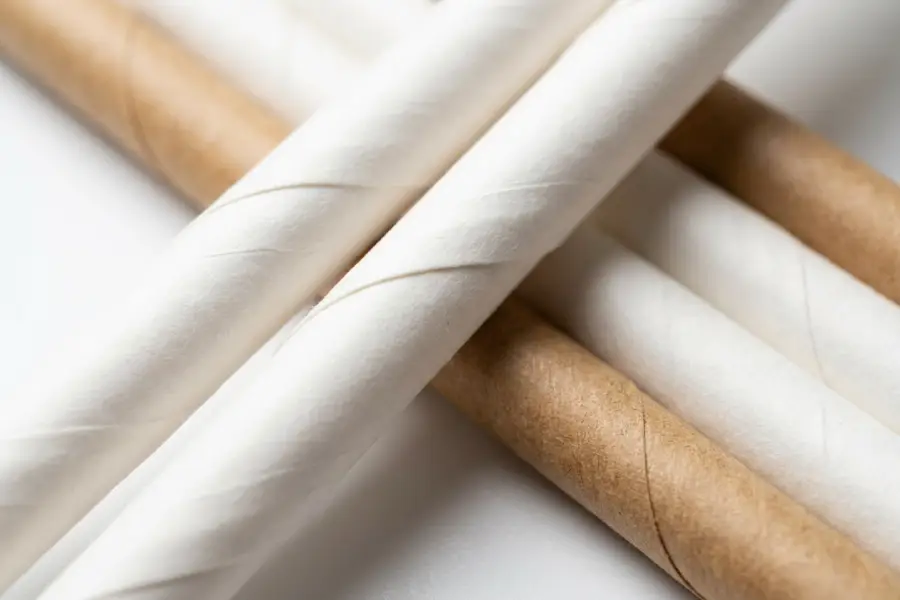
Paper Straw Adhesives
Spiral-wound straw bonds with liquid-resistance targets in hot and cold beverages—direct-contact paper programs, not carton indirect glue.
View paper straw grades
Our retail audit asked for batch CoA and a clear 175.105 vs 176.170 statement on the carton glue. Senda’s documentation package matched our questionnaire, and the indirect grade passed migration screening on our coated board.
Technical Proof (Optional Reading)
Share with regulatory and R&D after you request samples. Primary path: lab screen + audit package via the buttons above.
 CASE STUDY
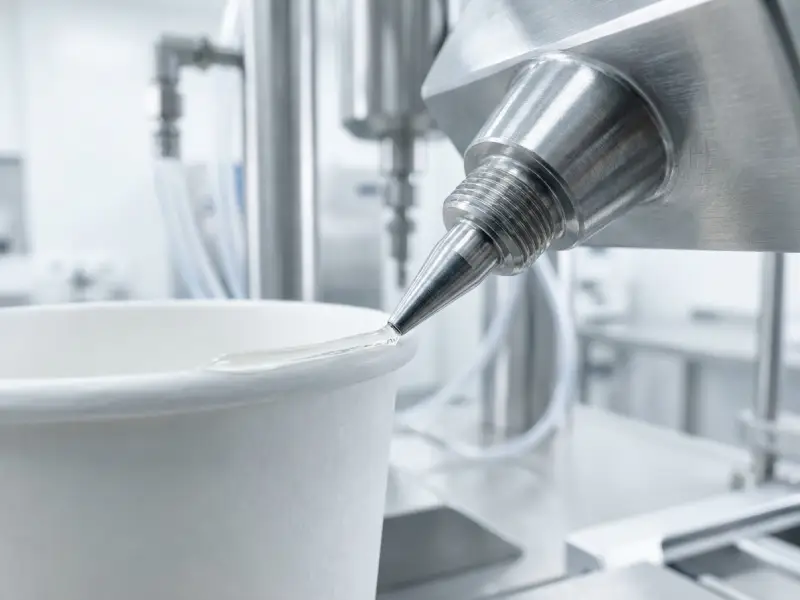
 Case Study: Recyclable Paper Cup Qualification
How a beverage packager paired food-contact seam bonding with a recyclable structure—leak hold and forming efficiency on the cup line.
Read the Full Story →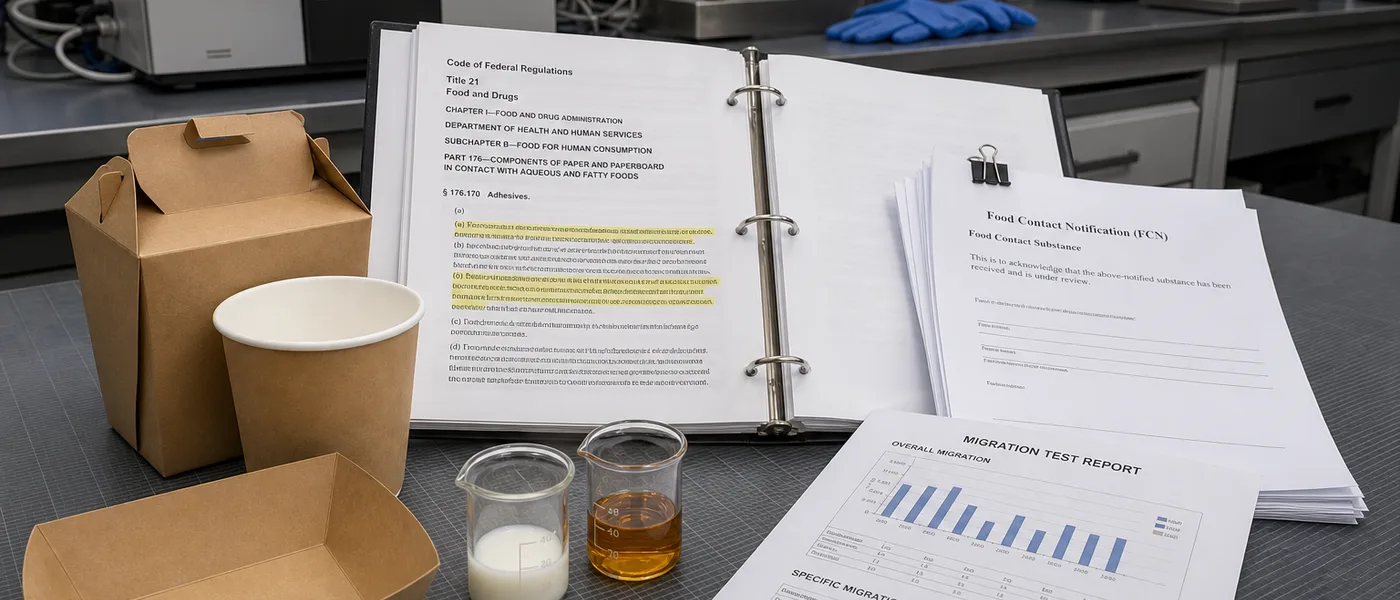 TECHNICAL GUIDE
 Guide: FDA 175.105 vs 176.170 vs FCN
Which regulatory route covers your adhesive, coated paper, or container—not just whether a supplier said “FDA compliant.”
Read Full Article →Frequently Asked Questions
Find answers to common questions about our adhesive solutions and services.
What is the difference between FDA 175.105 and 176.170?
175.105 covers indirect contact (functional barrier between adhesive and food). 176.170 covers direct contact on paper (straws, cup seams, tea bags). Your pack structure decides the path—use our 175.105 vs 176.170 vs FCN guide before approving a grade.
What are MOQ, lead time, and sample options?
MOQ is typically ~1,000 kg. Lead time is often 7–10 business days for qualified grades. Complimentary 1 kg lab material (recipient prepaid shipping), plus 20 kg water-based pails or 25 kg hot-melt trials for validation.
Do you provide a Declaration of Compliance (DoC)?
Yes—batch-specific DoC and CoA are available for the nominated grade when you request documents in the Technical Data Center (`/technical-resources`).
Are your adhesives free from allergens and plasticizers?
Food-contact routes are formulated without common allergen carriers and phthalate plasticizers on qualified grades. Request a composition statement in your audit pack for customer questionnaires.
How is this different from the paper glue hub?
Paper glue routes broad industrial paper intent. This page is for commercial food-contact grades with audit documentation—start with the FDA 175.105 vs. 176.170 guide if you are still selecting the regulatory path.
Do you cover cup coatings or heat-seal layers?
Cup seam adhesives live under paper cup adhesives. Barrier coatings and heat-seal films are separate programs—see heat-seal coatings when the seal layer is not a carton or cup seam glue.
Can you support migration testing?
We align grade choice to your food type and contact conditions. Formal migration testing may use your lab or a nominated third party—scope it during the 1 kg screen.
What shelf life and storage conditions should we plan for the approved grade?
Water-based grades: often 6–12 months, protect from freezing. Hot melts: typically 24 months below about 35°C. Confirm on the grade TDS.