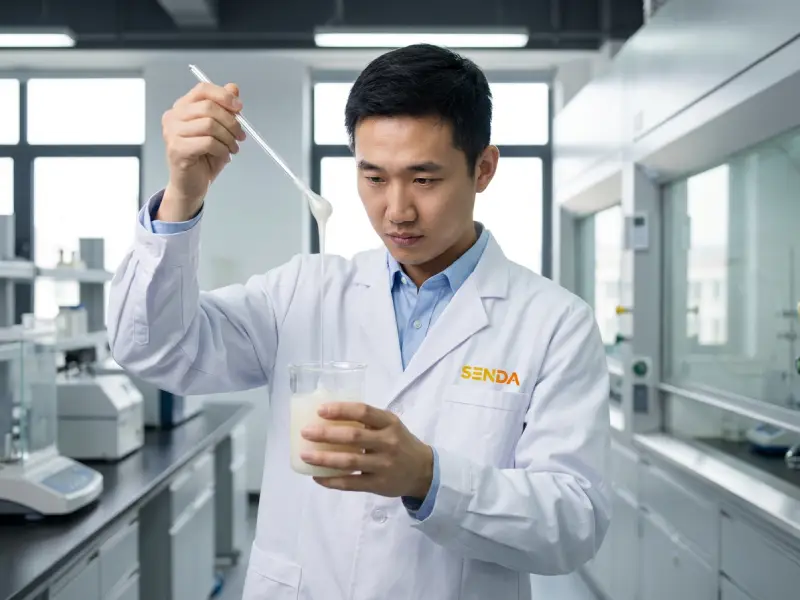
Paper Cup Adhesive vs Coating — Side Seams & Bowls

Factory-direct paper cup adhesive for side seams, bottom bonds, and paper bowls on aqueous-coated cup stock (and other lined boards your plant runs)—not the water-based barrier coating inside the cup or heat-seal lidding. Qualify hot-fill hold and stack release with a 1 kg lab screen, then a 20 kg cup-line trial.
*Complimentary 1 kg lab material · shipping prepaid by recipient. 20 kg pails for cup-line trials after screening. MOQ typically ~1,000 kg. DoC/CoA on request.*
✅ FDA 176.170 paper routes • Aqueous-coated & lined cup stock • Hot-fill qualification
Optimized For:
Seam + bottom
Bond zones qualified on your cup stock
Hot-fill
Programs screened for coffee and soup fills on your line
176.170
Direct liquid-contact paper routes—structure-dependent
Adhesives by Cup Format
Side-seam and bottom grades differ by cup stock (aqueous barrier board, PE/PLA-lined board from your supplier, etc.) and fill temperature—liquid holdout still depends on your barrier coating program, not seam glue alone.
Hot Beverage Cups
Shear-resistant seam and bottom bonds for coffee and tea fills—qualified on your coated board and mandrel speed, not a universal boiling-point chart.
Cold Drink Cups
Condensation and ice-water exposure on cold cups—seam hold validated on your aqueous-coated or other lined stock.
Paper Bowls & Buckets
Heavier formats for soup, noodles, and fried-food buckets—bottom paste and wrap bonds tuned for load and grease exposure on qualified programs.
Adhesive vs Coating vs Heat-Seal
Cup failures often come from mixing three layers: barrier coating/lining for liquid holdout, side-seam adhesive for forming, and optional heat-seal for lidding.
Common Failures
Leaking Side Seams or Bottoms
Generic grades fail on aqueous-coated board—or on PE/PLA-lined stock your converter buys—when open time, viscosity, or surface energy was never matched to your mandrel.
Hot-Fill Flagging
Seams soften or pop open under hot coffee or soup when the grade was not qualified for your fill temperature and compression window.
Odor or Taste Concerns
Low-purity adhesives can raise organoleptic flags on premium beverages—even when the bond looks acceptable in a quick tack test.
Our Solution
Stock-Matched Penetration
Grades selected for aqueous-coated cup board and other lined stocks you run—seam hold confirmed in your hold test protocol, not a generic 24-hour claim.
Hot-Fill Qualification
Programs screened for hot-fill service on qualified lines—confirm seam integrity at your target fill temperature.
Sensory-Screened Routes
Organoleptic review on nominated grades for tea and coffee programs—validate on your cup stock and shelf life.
Qualify on Your Mandrel & Cup Stock
Share GSM, barrier type (aqueous vs film-lined stock from your board supplier), cups per minute, and fill temperature. Path: 1 kg lab screen → 20 kg pail trial → bulk MOQ (~1,000 kg).
High-Speed Rheology
Viscosity and cut-off tuned for PMC, Höraauf, and similar cup lines—target clean application at your qualified ~150+ cpm window.
Hold-Out Testing
Hot and cold liquid hold protocols on your bottom and side-seam geometry—not a one-size pass/fail label for every stock.
Aqueous & Lined Cup Stock
Adhesive qualification on aqueous barrier board and on PE/PLA-lined cup stock your plant uses—we do not supply PE/PLA film linings; aqueous barrier coatings are a separate Senda program.
Typical Bond Zones (Validate on Your Line)
We match cup stock, machine speed, and barrier build (aqueous vs film-lined) before nominating a commercial grade.
| BOND ZONE | TECHNOLOGY | VISCOSITY (typical) | QUALIFICATION FOCUS |
|---|---|---|---|
| Side Seam | Water-based emulsion | ~1,500–2,500 cps | Green strength for qualified high-speed mandrel lines. |
| Bottom Attachment | Water-based acrylic | ~800–1,500 cps | Bottom fold hold for hot coffee or soup fills on your stock. |
| Outer Wrap / Double Wall | Low-odor hot melt / WB | ~1,000–3,000 cps | Wrap bond for double-wall insulation cups—confirm on your format. |
| Food contact | Plasticizer-free WB routes | Grade-specific | Selected for FDA 176.170 paper-contact review and export needs (e.g. GB 9685 where required). |
TECHNOLOGY: Water-based emulsion
VISCOSITY (typical): ~1,500–2,500 cps
QUALIFICATION FOCUS: Green strength for qualified high-speed mandrel lines.
TECHNOLOGY: Water-based acrylic
VISCOSITY (typical): ~800–1,500 cps
QUALIFICATION FOCUS: Bottom fold hold for hot coffee or soup fills on your stock.
TECHNOLOGY: Low-odor hot melt / WB
VISCOSITY (typical): ~1,000–3,000 cps
QUALIFICATION FOCUS: Wrap bond for double-wall insulation cups—confirm on your format.
TECHNOLOGY: Plasticizer-free WB routes
VISCOSITY (typical): Grade-specific
QUALIFICATION FOCUS: Selected for FDA 176.170 paper-contact review and export needs (e.g. GB 9685 where required).
Why Cup Converters Shortlist Senda
Stock-matched seam chemistry, hot-fill qualification, and audit paperwork—without selling coating as if it were cup glue.
Coating vs Adhesive Clarity
Hot-Fill & Stack Release
Audit-Ready Supply
Documentation for Cup & Bowl Programs
Direct liquid-contact paper routes typically reference FDA 21 CFR 176.170 on your structure. Request batch TDS, SDS, DoC, and CoA for the nominated grade.
Compliance Scope (Confirm for Your Pack)
Water-based barrier coatings, customer-supplied linings, and heat-seal films need separate regulatory files—confirm each layer in trial.
- FDA 176.170 ( Direct liquid-contact paper (structure-dependent) )
- REACH & RoHS ( Statements on request )
- Plasticizer-free ( Qualified WB cup routes )
Batch-level TDS, SDS, DoC, and CoA for your nominated cup or bowl grade.
Related Packaging Lines
Cup seam glue is one layer—route aqueous barrier coatings, food-contact paperwork, and heat-seal lidding when the program spans more than forming adhesive.

Food Contact Adhesives
When auditors ask about 175.105 vs 176.170, migration, or multi-station food-contact paperwork beyond cup seams.
View food-contact programs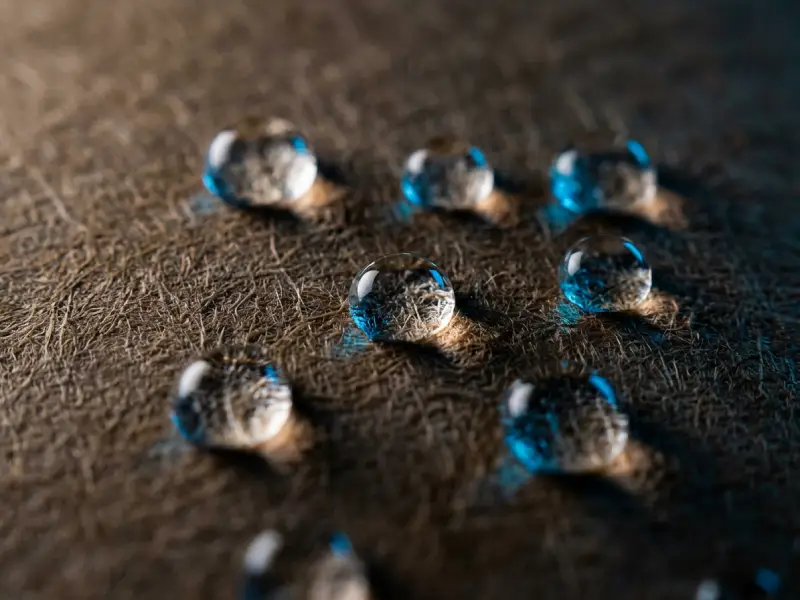
Recyclable Barrier Coatings (Aqueous)
Water-based barrier coatings for cup and foodservice paper—liquid holdout on stock, distinct from side-seam adhesive on this page. Senda does not supply PE/PLA extrusion linings.
View aqueous barrier coatings
We moved to Senda's cup seam grade on aqueous stock after chronic side-seam flagging. Hold-out improved on our hot-fill line, and stacker release is cleaner at the same mandrel speed.
Technical Proof (Optional Reading)
Share with process engineering after you request samples. Primary path: lab screen + machine trial via the buttons above.
 CASE STUDY
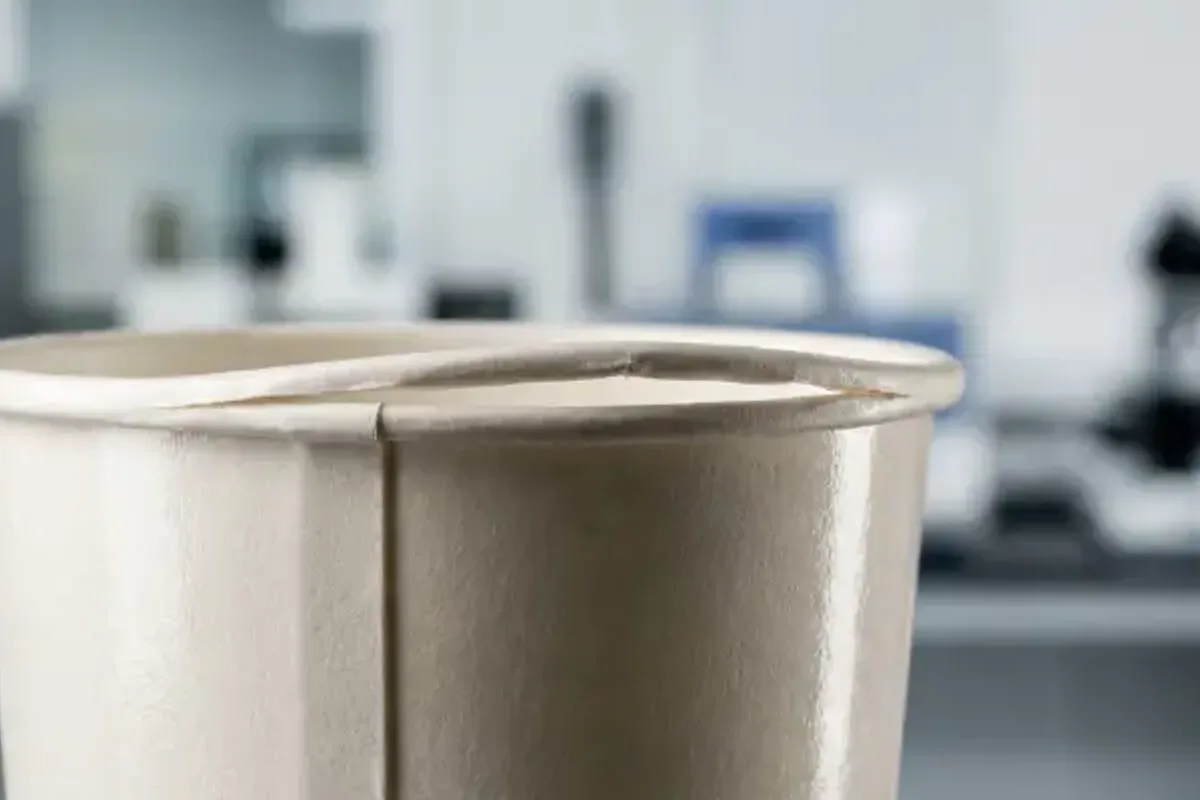
 Case Study: Aqueous Cup Stock—Side Seam Flagging
How a cup converter stabilized aqueous-coated forming with seam chemistry tuned for green strength, stack release, and hot-liquid confidence.
Read the Full Story → TECHNICAL GUIDE
 Guide: Paper Cup Adhesives on Coated Cup Stock
Side-seam vs bottom bonds on aqueous and lined board, mandrel viscosity, and separating adhesive from barrier coating and heat-seal.
Read Full Article →Frequently Asked Questions
Find answers to common questions about our adhesive solutions and services.
What are MOQ, lead time, and sample options?
MOQ is typically ~1,000 kg. Lead time is often 7–10 business days for qualified grades. Complimentary 1 kg lab material (recipient prepaid shipping), plus 20 kg pails for mandrel validation.
Is cup adhesive the same as the internal coating?
No. Water-based barrier coating (Senda: recyclable barrier hub) or a film lining from your board supplier controls liquid holdout; side-seam adhesive closes the cup body; heat-seal may apply to lidding. See our cup forming guide when more than one layer is in scope.
Can your adhesive handle hot coffee or boiling water?
We qualify hot-fill grades on your stock and mandrel—confirm seam hold at your target fill temperature in trial; do not assume one grade covers every boiling-point claim.
Do you supply PE or PLA cup linings or coatings?
No. Senda’s cup barrier program is water-based (aqueous) coatings on recyclable barrier. We can qualify seam adhesive on converters’ PE/PLA-lined board if your plant buys that stock—we do not sell PE/PLA lining materials.
What about “paper cup coating” or water-based coating for cups?
That usually means aqueous barrier coating on cup stock—not seam glue. See recyclable barrier coatings for Senda’s water-based cup barrier programs; stay on this page for side-seam and bottom adhesive.
How do we validate cup adhesive repulpability in our cup structure and recycling route?
Selected water-based routes are intended for fiber-recovery lines—results depend on your mill equipment and coating stack. Run an internal repulp test on the nominated grade.
Which food-contact standards apply to our cup structure and target sales market?
Direct liquid-contact cup seams are typically reviewed under FDA 21 CFR 176.170 on your paper structure. Export programs may need GB 9685 or EU statements—request them in your audit package.
What shelf life and storage conditions should we plan for the approved grade?
Often 6–12 months sealed at about 5–30°C. Protect water-based grades from freezing; confirm on the grade TDS.