Box Sealing Hot Melt for Case Erectors & Fulfillment Sealers

Factory-direct metallocene and EVA grades for case erectors, tapers, and wrap-around packers on recycled corrugated. Screen compression set, fiber-tear hold, and nozzle cleanliness on your shipper line—1 kg lab screen, then 25 kg erector trial.
*Complimentary 1 kg lab material · shipping prepaid by recipient. 25 kg trial bags for case-erector validation after screening. MOQ typically ~1,000 kg.*
✅ FDA 175.105 routes (indirect, per grade) • Metallocene / EVA screened on your board • REACH statements on request
Optimized For:
Compression
Set speed matched to your erector window
Fiber tear
Mechanical lock on your recycled board mix
Thermal
Char / viscosity hold screened in your melt system
175.105
Indirect food-contact routes on request
Fulfillment Case-Sealing Programs We Qualify
Compression length, recycled-board share, and melt-system hygiene decide uptime—one hot melt rarely fits every erector and board SKU.
Case Erectors & Tapers
Shipper square & hold: Grades that build green strength before compression ends—flap spring-back, skew, and scan-tunnel jams screened on your minor-flap geometry.
Recycled Corrugated Programs
Short-fiber wet-out: Routes for high recycled content and dusty B-flute—mechanical fiber lock after the case leaves the erector, not lab peel alone.
Wrap-Around & Tray Packers
Heavy shipper closure: Higher-tack, clean-cutoff options for beverage and CPG shippers—bead control and stringing reviewed at your cpm and temperature.
From Spring-Back, Char & Stringing to Qualified Shipper Seals
We address the failures that turn routine case sealing into cleaning stops, rework, and missed throughput on automated fulfillment lines.
Common Failures
Flap Spring-Back (Seal Failure)
Slow green strength: Adhesive does not lock before compression ends—minor flap opens after the case leaves the erector.
Nozzle Clogs & Char
Thermal degradation: Char-prone melts oxidize in tank and hoses—blocked nozzles, shorter filter life, unplanned purges.
Stringing & Angel Hair
Poor cutoff: Tails foul photo eyes, belts, and presentation—bead geometry becomes a sensor and housekeeping problem.
Our Solution
Fiber-Lock Compression Set
Board penetration: Open time and crystallization aligned to your compression length so the bead locks into corrugated fibers.
Metallocene Thermal Stability
Cleaner heated hold: Polyolefin routes screened to reduce char buildup at your operating temperature and tank hold time.
Sharp Nozzle Cutoff
Bead termination: Viscosity break tuned for crisp cutoff on Nordson, Robatech, and Valco Melton applicators—stringing reviewed at your speed.
Lab Support for Case Erectors
Compression set, thermal stability, and recycled-board penetration reviewed on your erector—not bench peel alone.
Compression-Window Tuning
Open time and bead weight aligned to your minor-flap compression length and cases/min target.
Melt-System Screening
Char, filter life, and viscosity hold reviewed at your operating temperature and tank hold protocol.
Recycled-Board Mechanical Lock
Fiber penetration vs. surface tack on your PCR share—spring-back checked after handling.
Tune to Compression Length, Board Mix & Line Speed
We benchmark set speed, bead weight, and thermal stability against your case packer, recycled-board share, and maintenance history—not generic peel data alone.
| Application | Engineering goal | Typical scope | Benefit |
|---|---|---|---|
| Standard fulfillment erector | Compression set window | Green strength in your compression section | Often scoped to 20–40 cpm class lines—confirm with board and bead weight. |
| High-speed case packer | Fast grab | Sub-second lock when compression is short | Qualification at your cases/min target—not a universal speed guarantee. |
| High recycled corrugated | Fiber penetration | Wet-out on short fibers and dusty liners | Mechanical lock screened on your PCR share and flute. |
| Deep-freeze distribution | Cold-chain programs | Route to Consumer End-of-Line | For -40°C freezer and pallet extremes, see Cold-Chain End-of-Line—not fulfillment erector defaults. |
Engineering goal: Compression set window
Benefit: Green strength in your compression section
Extra: Often scoped to 20–40 cpm class lines—confirm with board and bead weight.
Engineering goal: Fast grab
Benefit: Sub-second lock when compression is short
Extra: Qualification at your cases/min target—not a universal speed guarantee.
Engineering goal: Fiber penetration
Benefit: Wet-out on short fibers and dusty liners
Extra: Mechanical lock screened on your PCR share and flute.
Engineering goal: Cold-chain programs
Benefit: Route to Consumer End-of-Line
Extra: For -40°C freezer and pallet extremes, see Cold-Chain End-of-Line—not fulfillment erector defaults.
Why Fulfillment Teams Shortlist Senda
Cleaner melt systems, compression set, and recycled-board lock qualified together—without universal cpm or “zero char” guarantees.
Uptime-First Thermal Screening
Speed Matched to Your Erector
Bead Weight & Mileage Review
Documentation for Fulfillment Shipper Programs
Request declarations scoped to your shipper structure and market—not site-wide “FDA certified” badges.
Compliance Scope (Confirm for Your Program)
FDA 175.105 and REACH depend on grade, bead placement, and whether the shipper is food-adjacent.
- FDA 175.105 ( Indirect food-contact case sealing routes where applicable (structure-dependent). )
- REACH & RoHS ( SVHC statements on request for EU and export programs (per grade). )
- Low-odor routes ( Metallocene options for enclosed fulfillment and repack areas—confirm sensory limits with QA. )
TDS, SDS, and FDA/REACH declarations for the nominated grade—scoped to your shipper program.
Related E-commerce Packaging Lines
Pair shipper sealing with mailer tamper evidence and label stay-down on the same fulfillment network.
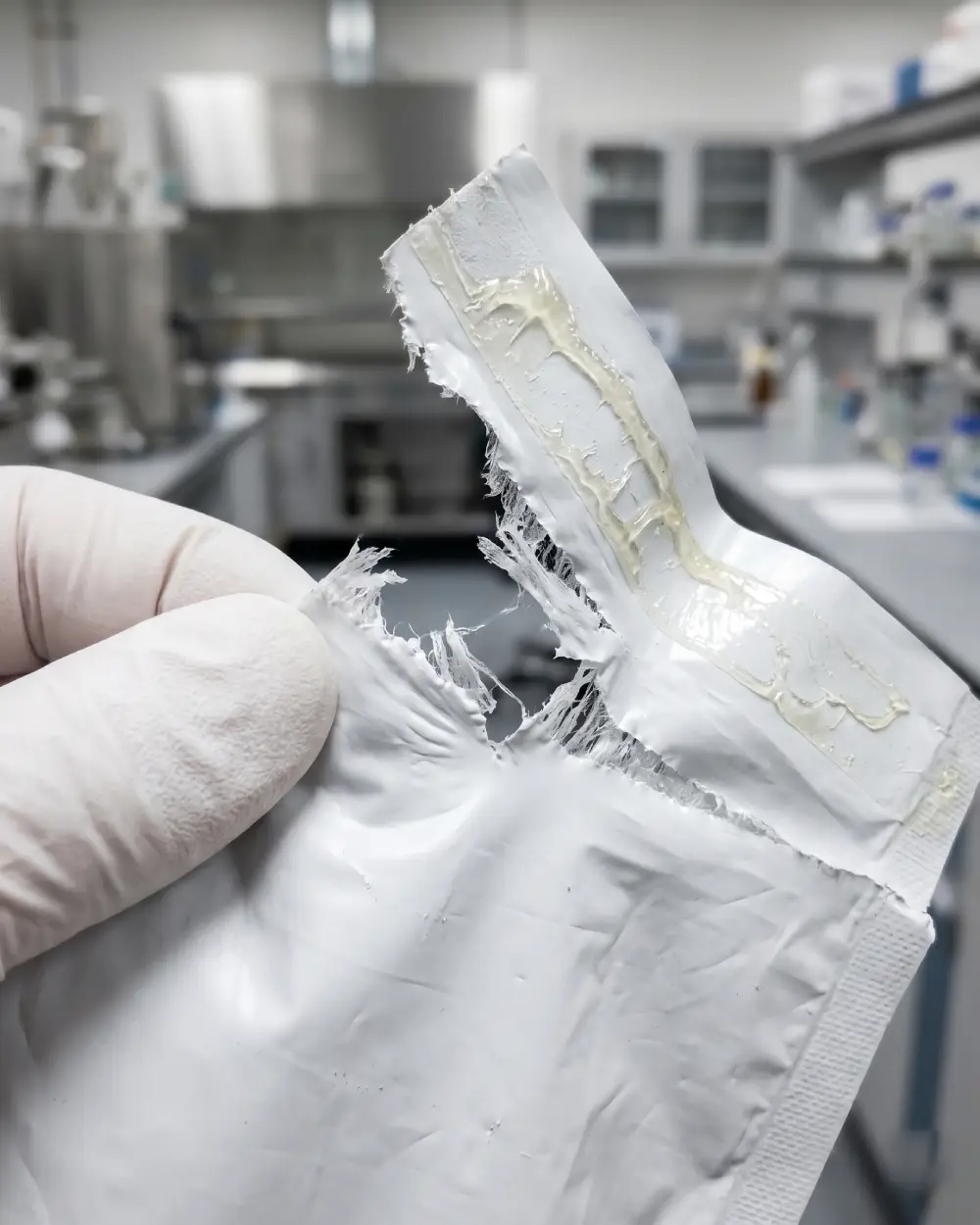
Courier Bags
Destructive-bond hot-melt PSA for PE and PCR mailers—distinct from corrugated fiber-tear case sealing chemistry.
View courier bag grades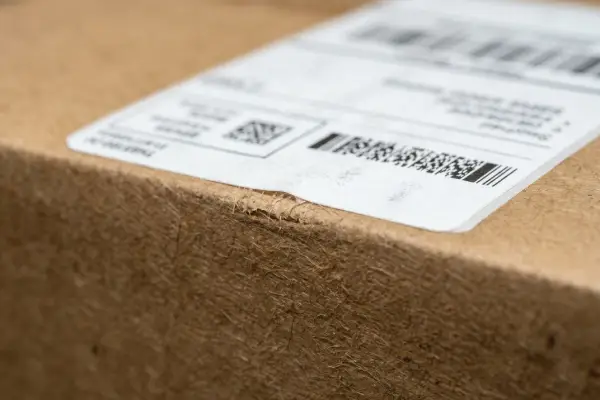
Logistics Labels
High-tack PSAs for thermal shipping labels on recycled corrugated—tracking stay-down through sortation and last mile.
View logistics label grades
After switching to Senda's metallocene hot melt, nozzle cleanouts dropped sharply over six months on our beverage shipper line—we qualified char behavior on our board and 60+ cpm window before promising uptime to operations.
Case Sealing Knowledge Base
Two questions fulfillment teams ask: will the nozzle stay clean, and will the flap stay closed after compression?
 CASE STUDY
 Case Study: Six Months Without a Nozzle Clog
A beverage shipper line replaced char-prone hot melt with Senda metallocene—cleaner cutoff and compression set on recycled corrugated after erector qualification.
Read Full Article → TECHNICAL GUIDE
 Guide: EVA vs. Metallocene for High-Speed Case Sealing
When metallocene may beat char-prone EVA on case erectors—thermal stability, angel-hair control, and bead cutoff on recycled board.
Read Full Article →Box Sealing FAQ
Commercial, machine, and compliance answers for teams validating hot melt on case erectors and fulfillment sealers.
What is box sealing hot melt used for?
Hot melt bonds corrugated minor flaps on case erectors, tapers, and wrap-around packers. Grades are matched for compression set, recycled-board penetration, and cutoff—start here, then request a complimentary 1 kg screen.
What are MOQ, lead time, and sample options?
MOQ is typically ~1,000 kg (1 pallet). Lead time is confirmed at quotation. Complimentary 1 kg lab material (recipient prepaid shipping) and 25 kg trial bags for erector validation after screening.
Is the 1 kg sample free? Who pays shipping?
Yes—the 1 kg lab material (200 g–1 kg) is complimentary for qualified screening. Courier freight is prepaid by the recipient (liquid formulations ship prepaid only). 20 kg production trials are quoted separately before dispatch.
Is this the same as Consumer End-of-Line cold-chain sealing?
Is it compatible with Nordson, Robatech, and Valco Melton systems?
Yes. We align temperature profile, hose length, and bead pattern with your equipment manual and compression section during qualification.
Do you offer lower application-temperature grades?
Cool-melt options in the 120–130°C range can reduce operator exposure where your packer and board mix allow stable wet-out—confirm on trial.
Can it bond coated, waxed, or clay-coated corrugated?
Higher-tack routes exist for clay-coated, waxed produce, and difficult liners. Share a sample shipper to match penetration without over-applied bead weight.
Where do I get TDS, SDS, or FDA paperwork?
Use technical resources (`/technical-resources`) or request an audit package with your grade nomination and shipper structure.