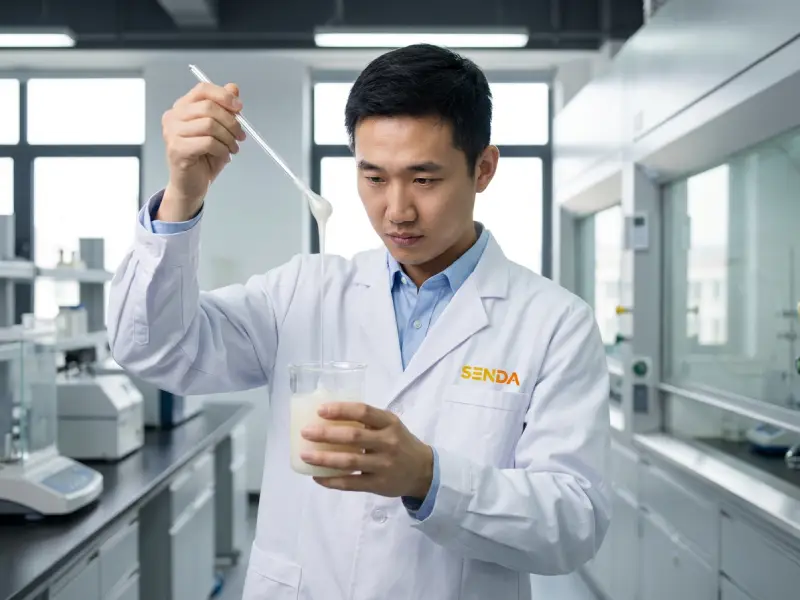
Bottle Labeling Adhesive for Glass, PET & Cans

Factory-direct water-based and hot-melt PSA grades for rotary labelers on beer, beverage, and food cans. Screen condensation tack, slinging, and caustic wash-off on your line—1 kg lab screen, then 20 kg trial.
*Complimentary 1 kg lab material · shipping prepaid by recipient. 20 kg pails for rotary trials after screening. MOQ typically ~1,000 kg.*
✅ FDA 175.105 routes (indirect) • Condensation & ice-bath screening • Wash-off grades for returnable glass
Optimized For:
Line-Matched
Slinging screened at your nominated BPH
Cold-Wet
Condensation tack on your bottle temp
Wash-Off
Caustic release qualified on your line
FDA 175.105
Indirect routes—statements on request
Container Types We Qualify
Glass, PET, and metal cans need different wet-out and rheology—one labeling paste rarely fits every substrate and speed window.
Glass (Beer & Wine)
Casein and synthetic water-based routes for cold, wet glass—flagging and ice-bath hold screened on your label stock and bath protocol.
PET & Plastic
Tack on low-energy PET/HDPE/PP with clean cutoff—approve at your line speed, not from a generic BPH datasheet.
Metal Cans
Overlap and pick-up pastes for canning lines—stringing and rust-risk reviewed with your maintenance checklist.
From Flagging, Slinging & Wash-Off Failures to Qualified Runs
High-speed bottle labeling fails are usually rheology + moisture + pallet setup together—not viscosity alone.
Common Failures
Label Flagging in Humidity
Labels slide or lift when bottles sweat in cold fill, warm storage, or export ice baths—retailer QA failures.
Slinging & Misting
Glue throw-off fouls sensors, belts, and star wheels—unplanned stops for cleanup on rotary systems.
Poor Caustic Wash-Off
Stubborn residue on returnable glass raises caustic use and hurts recyclate quality in reuse programs.
Our Solution
Condensation Tack Screening
Wet-surface bite qualified on your bottle temperature and label paper/film—not a universal “ice-proof” claim.
High-Speed Rheology
Viscosity and temperature window tuned to your rotary labeler to limit misting at target throughput.
Wash-Off Route Match
Caustic-soluble grades screened in your bath chemistry (temperature, NaOH %) before you fix reuse specs.
Lab Support for Rotary Bottling Lines
We run condensation, ice-bath, and wash-off protocols on your bottle and label—not generic marketing soak times.
Rotary Runnability
Slinging and pick-up reviewed at your glue temperature and pallet compression settings.
Cold-Wet Glass / PET
Flagging checks after controlled condensation or ice-bath exposure per your QA method.
Wash-Off Validation
Release in caustic wash simulated to your plant conditions—confirm residue limits with QA.
Tune to Substrate, Speed & Wash-Off Need
Water-based (casein/synthetic) and hot-melt PSA routes—confirm food-contact scope and returnable-glass wash-off before bulk.
| Application | Typical range | Engineering benefit |
|---|---|---|
| Cold glass | ~30,000–60,000 cps (grade-dependent) | Condensation wet-out and flagging screened on your label paper. |
| PET / LSE plastic | WB or hot-melt PSA | Tack on low-dyne surfaces with cutoff qualified at your BPH window. |
| Returnable glass | Caustic-soluble WB | Wash-off in your NaOH bath—targets agreed in trial, not fixed °C only. |
| Food & beverage | FDA 175.105 (indirect) | Statements for nominated grade—structure-dependent. |
Typical range: ~30,000–60,000 cps (grade-dependent)
Engineering benefit: Condensation wet-out and flagging screened on your label paper.
Typical range: WB or hot-melt PSA
Engineering benefit: Tack on low-dyne surfaces with cutoff qualified at your BPH window.
Typical range: Caustic-soluble WB
Engineering benefit: Wash-off in your NaOH bath—targets agreed in trial, not fixed °C only.
Typical range: FDA 175.105 (indirect)
Engineering benefit: Statements for nominated grade—structure-dependent.
Why Beverage Labeling Teams Shortlist Senda
Condensation hold, clean running, and wash-off qualified together—without fixed BPH or “72-hour guaranteed” marketing.
Beverage & Glass Focus
Line-Speed Screening
Reuse & Export Paths
Documentation for Food & Beverage Labeling
Request statements scoped to your pack (beer, soft drinks, cans)—not a site-wide “FDA certified” badge.
Compliance Scope (Confirm for Your Program)
FDA 175.105 and REACH depend on grade, label stock, and indirect-contact structure.
- FDA 175.105 ( Indirect food-contact labeling routes where applicable (structure-dependent). )
- Wash-off grades ( Caustic release qualified in your bath—confirm before promising reuse specs. )
- REACH & RoHS ( SVHC statements on request for export programs. )
TDS, SDS, and declarations for the nominated grade—scoped to your bottling program.
Related Labeling Lines
Bottle wrap labels are one station—route logistics PSAs and specialty tape coating separately.
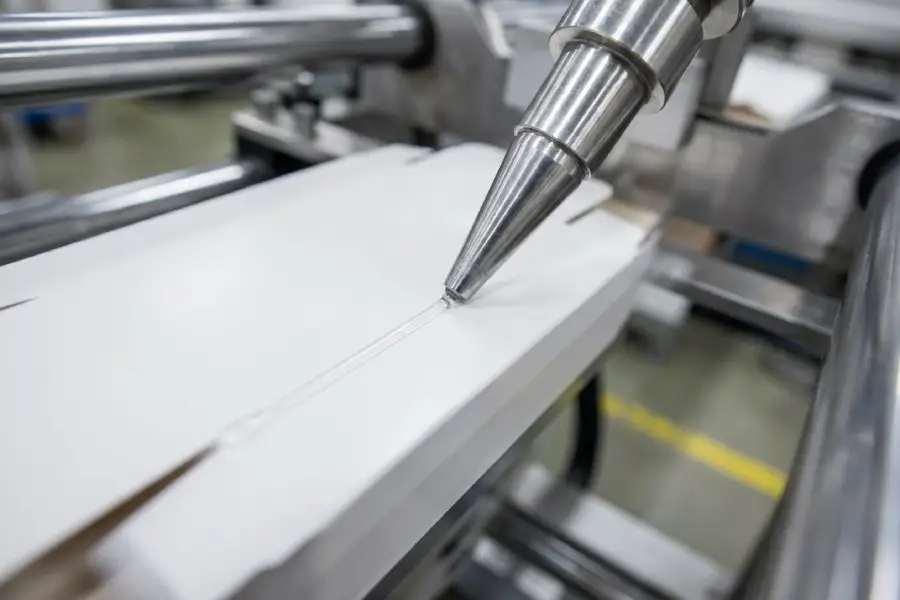
Logistics & Shipping Labels
High-tack PSAs for e-commerce and corrugated logistics—distinct from beverage rotary paste chemistry.
View logistics label grades
Specialty Tapes & Coating
Coating-line PSAs for industrial tapes—peel and shear screened apart from bottle labeling paste.
View specialty tape grades
Senda’s cold-wet route cut label flagging on our export glass and reduced glue throw-off enough that cleanup stops dropped noticeably—after we qualified on our pallets, not from a brochure BPH number.
Technical Proof (Optional Reading)
Share with packaging engineering after you request samples. Primary path: lab screen + line trial via the buttons above.
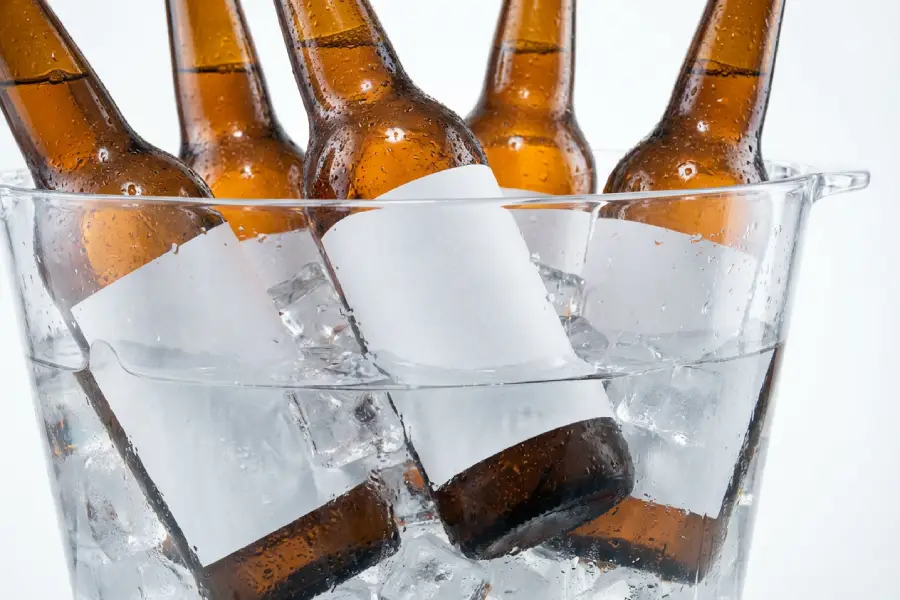 CASE STUDY
 Case Study: Brewery Condensation & Line Speed
How a brewery reduced flagging and glue throw-off on cold wet glass with a condensation-tolerant labeling route.
Read the Full Story →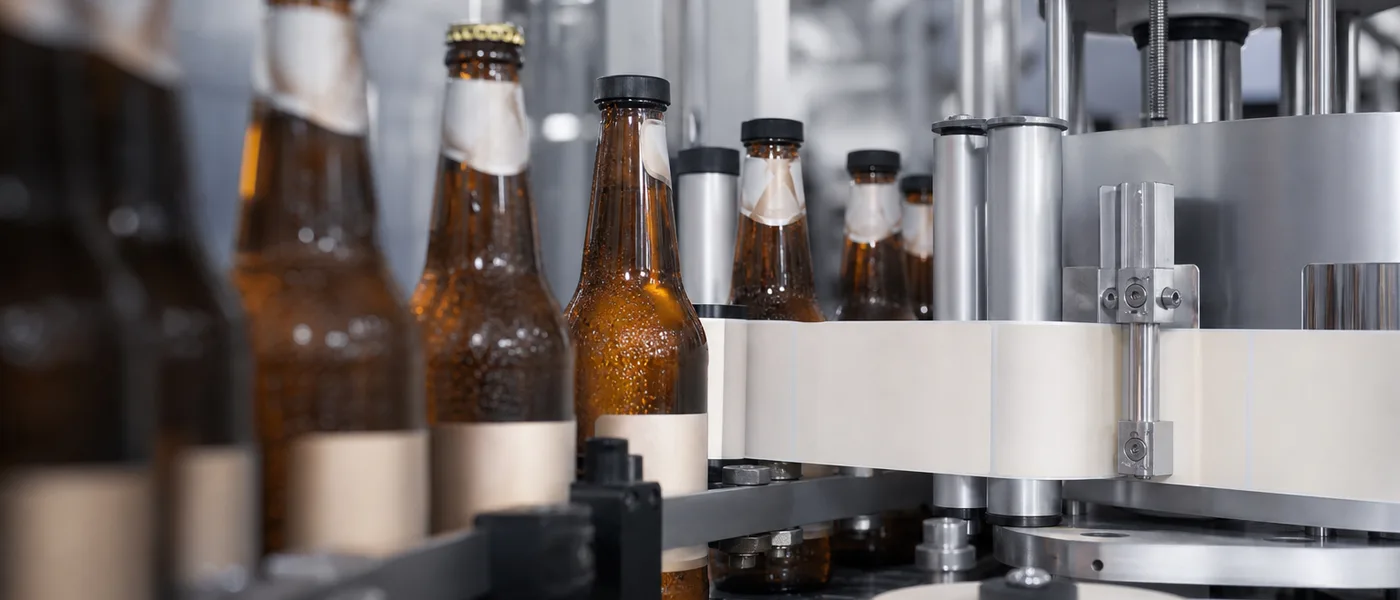 TECHNICAL GUIDE
 Guide: Troubleshooting Rotary Labelers
Glue temperature, pallet wear, and compression—startup and full-speed checks to limit flagging and slinging.
Read Full Article →Frequently Asked Questions
Find answers to common questions about our adhesive solutions and services.
What is bottle labeling adhesive used for?
It bonds paper or film labels to glass, PET, or cans on rotary labelers. Grades are matched to condensation, speed, and wash-off needs—start on this page, then request a complimentary 1 kg screen.
What are MOQ, lead time, and sample options?
MOQ is typically ~1,000 kg. Lead time is often 7–10 business days for qualified grades. Complimentary 1 kg lab material (recipient prepaid shipping) and 20 kg pails for rotary trials.
Is the 1 kg sample free? Who pays shipping?
The 1 kg lab material (200 g–1 kg) is complimentary for qualified screening. Courier freight is prepaid by the recipient (liquid formulations ship prepaid only). 20 kg trials are quoted separately.
Do your adhesives work on wet, cold bottles?
We screen condensation tack and optional ice-bath hold on your bottle temperature and label stock—approve with your QA protocol, not a universal hours guarantee.
What line speeds can you support?
Share your rotary labeler model, glue temperature, and BPH target. We tune rheology to limit slinging at your speed window—avoid approving from a generic maximum BPH claim.
Are grades available for returnable glass wash-off?
Yes—caustic-soluble water-based routes are screened in your NaOH bath (concentration and temperature). Confirm release and residue limits before bulk.
Water-based or hot-melt for PET bottles?
Depends on surface energy and line setup—water-based pastes for many glass lines; hot-melt PSA options for some LSE plastics. Qualify both on your star wheel if unsure.
Where do I get TDS, SDS, or FDA paperwork?
Use technical resources (`/technical-resources`) or request an audit package with your grade nomination and pack type.