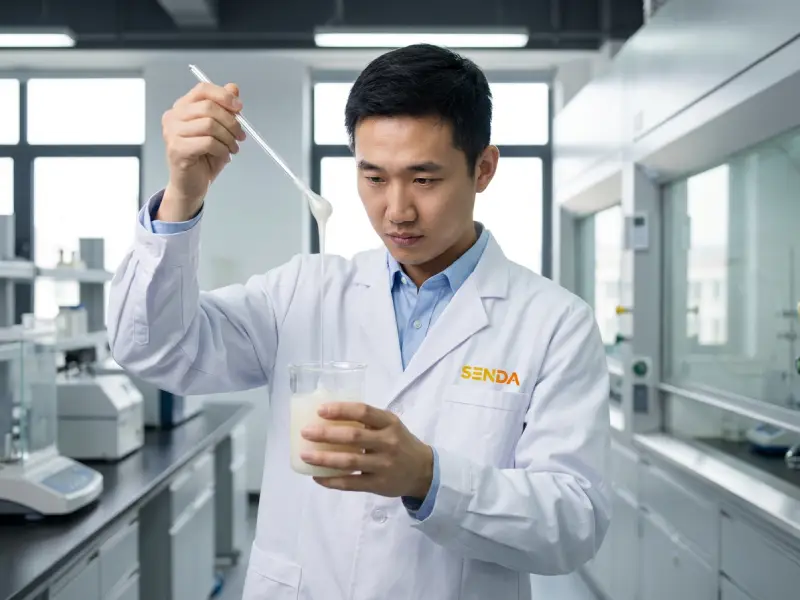
Paper Straw Adhesive for Spiral Winding & Liquid Soak

Factory-direct paper straw glue and paper straw adhesive for retail, U-bend, and large-bore straws. Water-based grades tuned for your mandrel, ply count, and hot/cold soak targets—start with a 1 kg lab screen, then a 20 kg winder trial.
*Complimentary 1 kg lab material · shipping prepaid by recipient. 20 kg pails for mandrel trials after screening. MOQ typically ~1,000 kg.*
✅ FDA 176.170 paper-contact routes • Organoleptic screening • Repulpable water-based options (mill-dependent)
Optimized For:
Soak-Qualified
Hot & cold liquid hold targets on your stock
1k–8k cps
Viscosity tuned to pump, nozzle, and mandrel RPM
176.170
Direct paper-contact route—structure-dependent
Straw Formats We Qualify On
Retail spirals, aseptic U-bends, and thick-wall boba straws need different open time, solids, and bend stress—one straw glue rarely fits every mandrel.
High-Speed Retail Spirals
Rheology for clean cutoff at your mandrel speed—reduce splashing, satellites, and spiral delamination during qualification.
U-Bend / Aseptic Straws
Elastic seam bonds for U-forming without micro-cracks at the bend zone—validate on your aseptic line, not a generic datasheet.
Large Bore (Boba & Milk Tea)
Higher solids and stiffness targets for thick-wall tubes—column strength to pierce film lids without buckling on qualified stock.
From “Soggy Straw” Complaints to Qualified Soak
Search demand clusters on paper straw glue, water resistance, and food grade supply—most failures are stock + adhesive mismatch, not a single universal formula.
Common Failures
Early Softening in Cold Drinks
Low-solids or wrong porosity match lets liquid wick into the seam—straws feel mushy long before your marketing soak claim.
Unraveling in Hot Beverages
Heat softens weak bonds; spirals open in coffee or tea and create a poor drinking experience and QA flags.
Taste or Odor Transfer
Unscreened raw materials can add off-notes when wet—premium beverage brands fail organoleptic review even when bond strength looks fine.
Our Solution
Soak-Time Qualification
We set cold and hot soak targets on your kraft or recycled plies—hours held are validated in lab and mandrel trial, not guaranteed on every stock.
Thermal Bond Screening
Hot-fill programs are screened up to your stated temperature (often ~90°C / 194°F routes)—confirm rigidity window on your winder before scale-up.
Organoleptic & Migration Awareness
Plasticizer-free water-based chemistries with batch organoleptic checks where your customer audit requires them—pair with 176.170 paperwork for direct-contact paper.
Line Support for Straw Converters
We tune viscosity, open time, and soak chemistry to your mandrel—not generic “high speed” marketing numbers.
Mandrel Rheology Tuning
Viscosity and solids matched to your pump/nozzle setup to reduce splashing and seam voids at qualified speeds.
Green Strength at the Winder
Initial tack for clean cutoff and handling before full cure—reduces spiral slip during high-output shifts.
Hot & Cold Soak Protocol
Documented soak screens for your stated beverage temperatures—pair with 176.170 paperwork when audits require it.
Tune to Ply Count, Speed, and Soak Target
3- or 4-ply, mandrel RPM, and beverage temperature drive solids, wetting, and cross-link level—we do not ship one “universal” straw adhesive.
| Parameter | Tunable range | Engineering benefit |
|---|---|---|
| Seam / barrier ply | Polymer level & coat weight | Extend liquid hold-out on qualified board (cold and carbonated programs). |
| Stiffness ply | Solids ~45–55% (grade-dependent) | Column strength for large bore and film pierce without wall collapse. |
| Mandrel runnability | Viscosity vs RPM & nozzle | Cleaner application and cutoff at your qualified winder speed. |
| Food-contact route | FDA 176.170 paper path | Direct liquid-contact programs—confirm structure with your regulatory reviewer. |
Tunable range: Polymer level & coat weight
Engineering benefit: Extend liquid hold-out on qualified board (cold and carbonated programs).
Tunable range: Solids ~45–55% (grade-dependent)
Engineering benefit: Column strength for large bore and film pierce without wall collapse.
Tunable range: Viscosity vs RPM & nozzle
Engineering benefit: Cleaner application and cutoff at your qualified winder speed.
Tunable range: FDA 176.170 paper path
Engineering benefit: Direct liquid-contact programs—confirm structure with your regulatory reviewer.
Why Straw Converters Shortlist Senda
Qualified soak targets, mandrel-tuned paper straw glue, and audit paperwork that survives beverage QA—not unverified “3-hour guaranteed” claims.
Straw-Specific Chemistry
Soak & Speed on Your Line
Audit-Ready Documentation
Documentation for Beverage & Straw Audits
Straws are typically direct liquid contact on paper—request a pack-matched audit package; we do not issue a blanket “FDA approved” label without your structure.
Compliance Scope (Confirm for Your Program)
EU, GB, and retailer questionnaires may add requirements beyond U.S. FDA chapters—nominate the grade before you claim export readiness.
- FDA 21 CFR 176.170 ( Direct-contact paper (straw seam—structure-dependent) )
- REACH & RoHS ( SVHC statements on request )
- Organoleptic screening ( Where your brand audit requires taste/odor checks )
Batch-level TDS, SDS, DoC, and CoA for the nominated grade—scoped to your straw structure.
Related Converting & Compliance Lines
Straw programs often sit beside food-contact documentation and other paper converting stations—route audits and trials to the right hub.
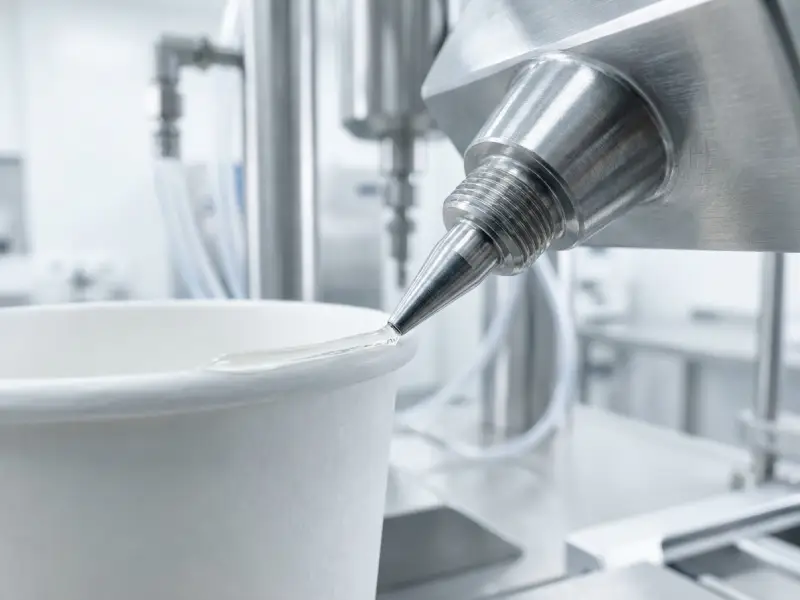
Food Contact Adhesives
175.105 vs 176.170 clarity, migration screening, and audit packs for cup, straw, and carton programs.
View food-contact hub
Paper Cup Adhesives
Side seam and bottom bonds on cup stock—another 176.170 liquid-contact paper program, distinct from spiral straw seams.
View paper cup grades
Our retail audit needed clear 176.170 wording and soak data on recycled kraft—not marketing “hours” on a datasheet. Senda’s trial protocol and documentation package matched our questionnaire, and mandrel qualification replaced our previous soggy-straw complaints.
Technical Proof (Optional Reading)
Share with R&D and QA after you request samples. Primary path: lab screen + audit package via the buttons above.
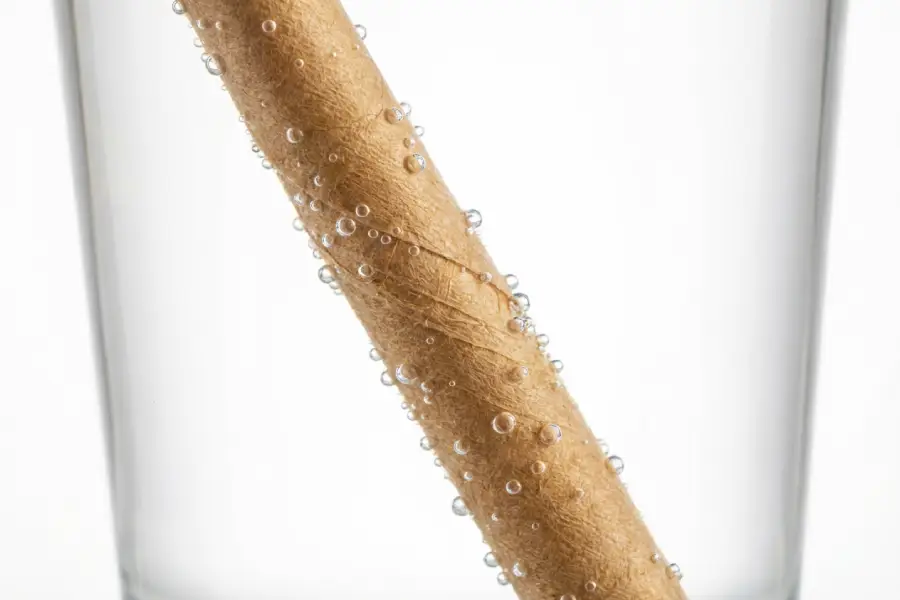 CASE STUDY
 Case Study: Paper Straw Durability Program
How a beverage program reduced straw failure rates after qualifying a water-resistant seam system on spiral winders.
Read the Full Story →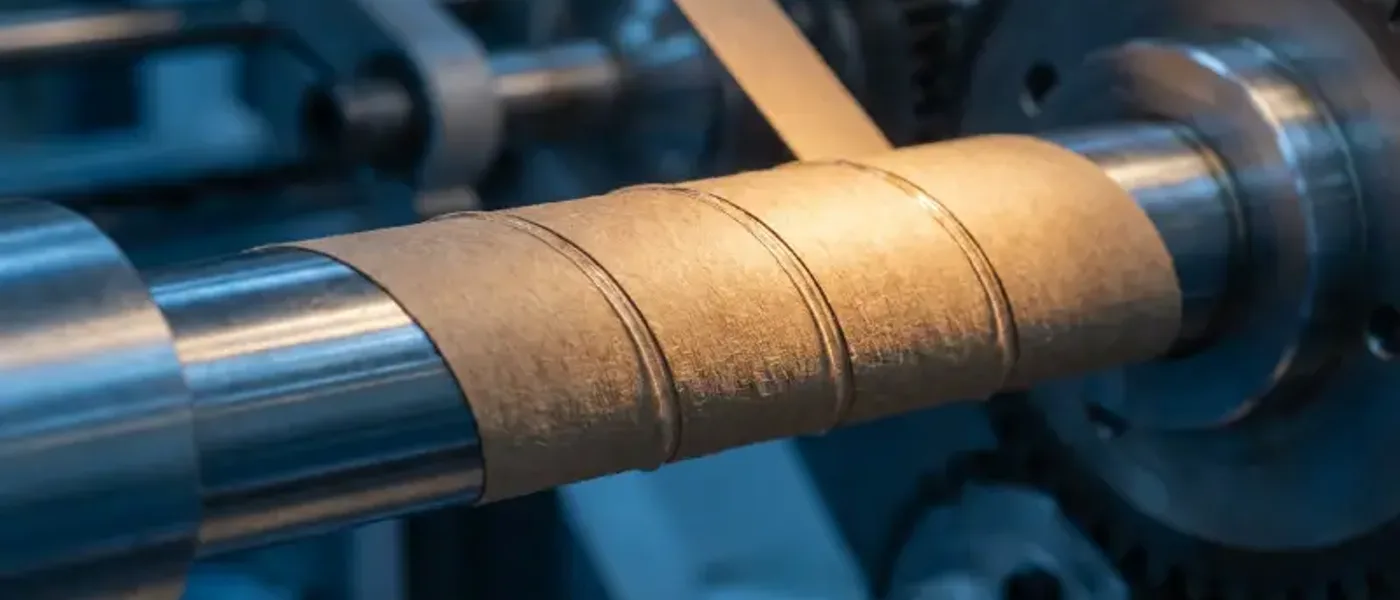 TECHNICAL GUIDE
 Guide: Manufacturing Premium Paper Straws
Glue pickup, mandrel speed, drying, and 176.170 documentation paths for spiral-wound straws.
Read Full Article →Frequently Asked Questions
Find answers to common questions about our adhesive solutions and services.
What glue should we use for paper straws based on paper grade, winding speed, and drink exposure?
Most spiral straws use water-based paper lamination adhesives at the seam. Grade choice depends on ply count, mandrel speed, and soak time in hot or cold drinks—request a 1 kg sample to screen on your stock.
What are MOQ, lead time, and sample options?
MOQ is typically ~1,000 kg. Lead time is often 7–10 business days for qualified grades. Complimentary 1 kg lab material (recipient prepaid shipping), plus 20 kg pails for mandrel validation.
How long will straws stay rigid in hot or cold liquids?
Soak duration is qualified on your paper and adhesive pair—cold programs and ~90°C (194°F) hot-fill routes are screened separately. Do not assume one published hour applies to every recycled or virgin kraft.
Is the glue in paper straws safe / toxic?
Food-contact straws should use adhesives under the correct FDA paper-contact chapter (typically 176.170 for direct liquid contact) with migration and organoleptic review for your market. We provide audit documentation—not a generic “non-toxic” marketing claim.
How do we validate straw adhesive repulpability in our paper structure and recycling route?
Selected water-based routes are intended for fiber-recovery lines—results depend on your mill, ink, and any barrier on the straw stock. Run an internal repulp test on the nominated grade.
How should we evaluate PE-free or “plastic-free” claims for straw glue?
We supply water-based seam adhesives; we do not blanket-label straws PE-free or plastic-free—that depends on your full straw construction (barrier, ink, cap). Confirm with your regulatory reviewer.
Should we read the manufacturing guide or the paper-vs-plastic guide first?
Line engineers: start with the paper straw manufacturing guide (winding, solids, soak). Brand/procurement evaluating plastic replacement: read the paper vs plastic straw guide, then return here for grade selection.
What shelf life and storage conditions should we plan for the approved grade?
Often 6 months sealed at about 5–35°C for standard water-based grades—protect from freezing and direct sun; confirm on the grade TDS.