Stop board warping and cover bubbling on case makers: high-solids low-moisture glue, open time for air release, grey board caliper (1.5–4.0 mm), humidity discipline, and foil/cloth wrap qualification—without treating marketing claims as universal guarantees.
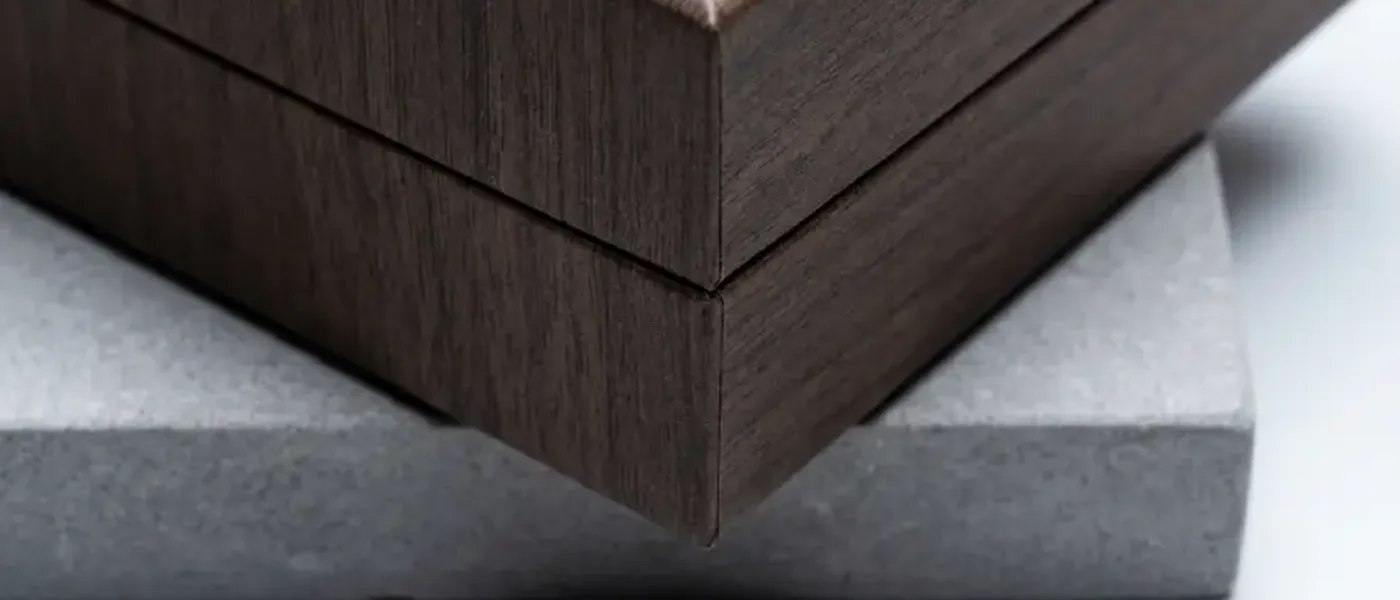
Decorative wrap qualification for luxury rigid boxes should confirm stain-through control, invisible seam performance, odor behavior, board/wrap pairing, and supplier document readiness before launch. For EU, electronics, confectionery, or premium retail projects, REACH, RoHS, and FDA 21 CFR 175.105 review should be scoped to the exact adhesive, construction, market, and use case.
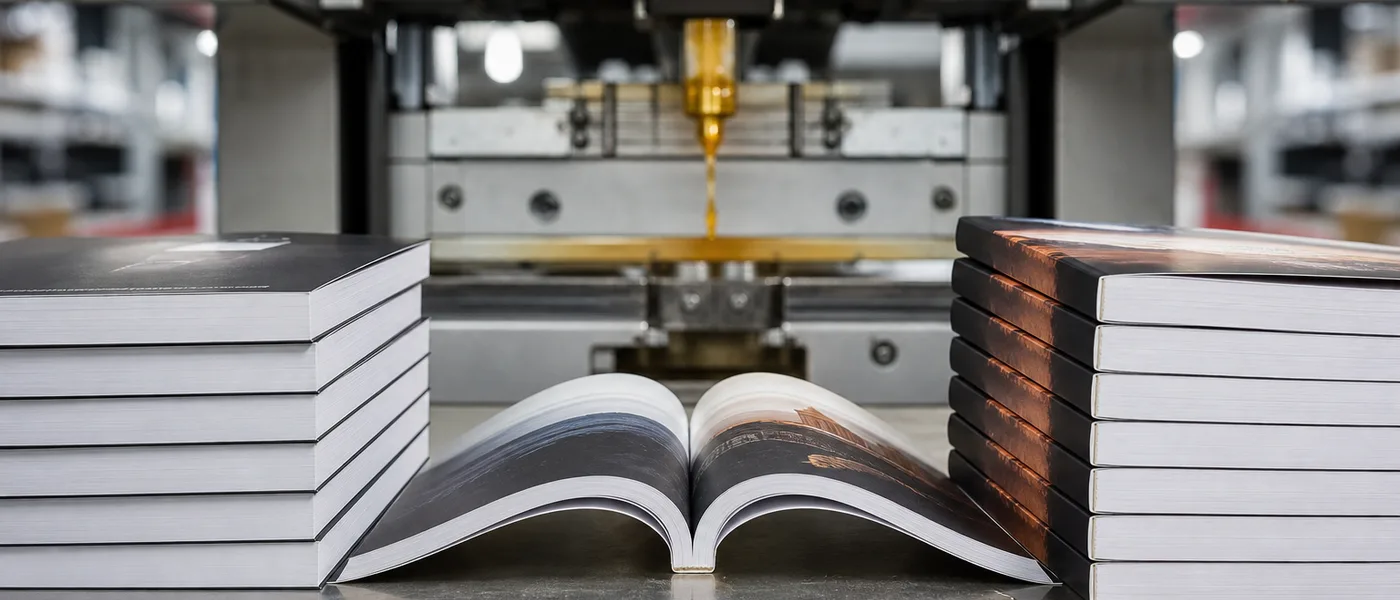
PUR perfect binding optimization should connect spine milling, notching, paper grain direction, glue pot temperature, moisture control, nozzle laydown, compression timing, and pull-strength validation before production approval. A useful trial proves the process window on real paper, cover stock, equipment, and book formats instead of promising universal speed or durability gains.
PUR vs EVA bookbinding hot melt decisions should start with the failure mode, paper stock, spine preparation, machine discipline, validation targets, and total production cost. This guide helps bindery teams compare EVA and PUR for perfect binding without assuming that one platform is automatically better for every book program.
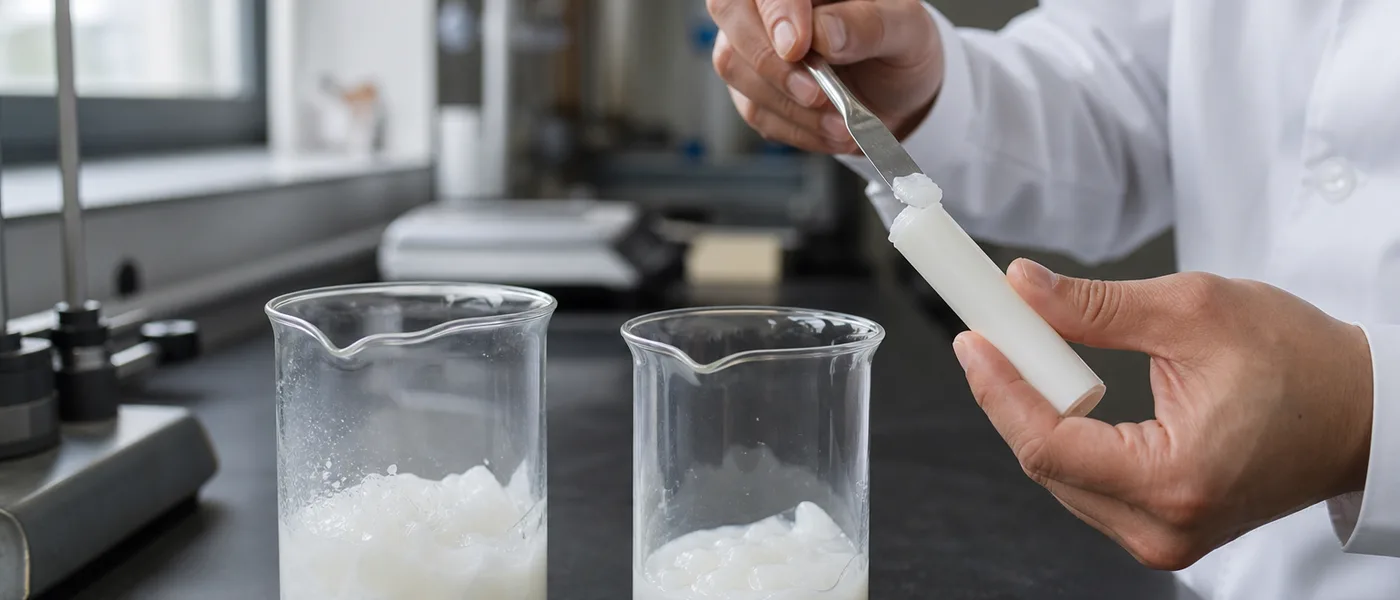
A solvent-free glue stick is not automatically ready for retail. OEM teams usually need to qualify glide feel, tube sealing, washability, shelf-life stability, and the compliance path together.
Stop guessing with 'non-toxic.' A technical guide to FDA 175.105 vs. 176.170 compliance, preventing pop-opens on coated stocks, and selecting the right adhesive.
An OEM stationery program moved a solvent-free glue stick launch forward by qualifying shelf-life stability, tube sealing, glide feel, and documentation review together instead of treating a clean formula label as enough proof of release readiness.
A private-label stationery supplier moved a school glue program forward by qualifying washable PVA around retailer safety-document review, filling-line transfer, viscosity stability, and paper-flatness expectations instead of treating price as the only decision.
A premium packaging converter stabilized a luxury rigid-box launch by qualifying a low-water, odor-neutral adhesive route around seam appearance, textured-wrap control, and sensory review instead of treating dry bond strength alone as the release criterion.
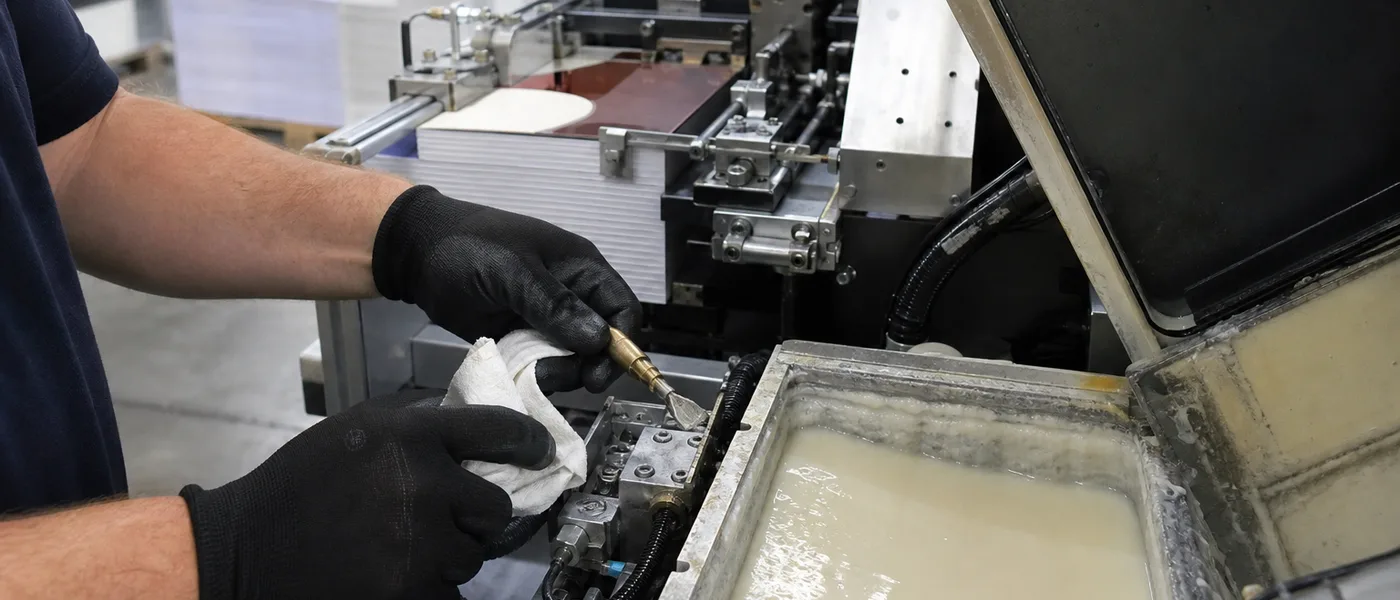
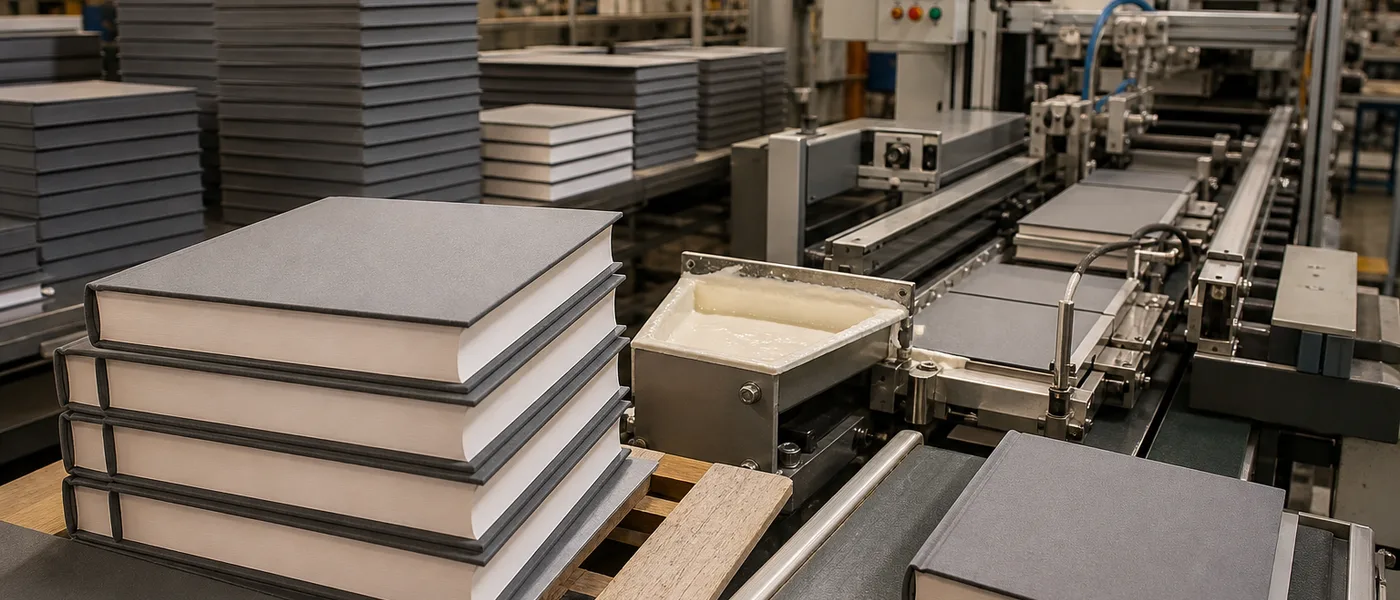
A premium case-making converter stabilized cloth and laminated cover production by moving to a lower-moisture adhesive program that kept grey board flatter, gave trapped air more time to escape, and reduced corner-lift pressure on automated casemakers.
Periodic updates on adhesive qualification, compliance pathways, and converting best practices.
We care about your data in our privacy policy . Unsubscribe anytime.
Chat with us
Before you leave
Need a safer way to qualify adhesive on your line?
Send your substrate, line speed, and application target. We can suggest a 1 kg lab sample path or the right technical document before you commit to a production trial.
We use cookies to enhance your browsing experience, analyze site traffic, and personalize content. By clicking "Accept All", you consent to our use of cookies. Cookie Policy
For visitors in the EEA, UK, or Switzerland, analytics and marketing cookies stay off until you opt in.For visitors outside the EEA, UK, and Switzerland, analytics may load by default, and you can opt out at any time.