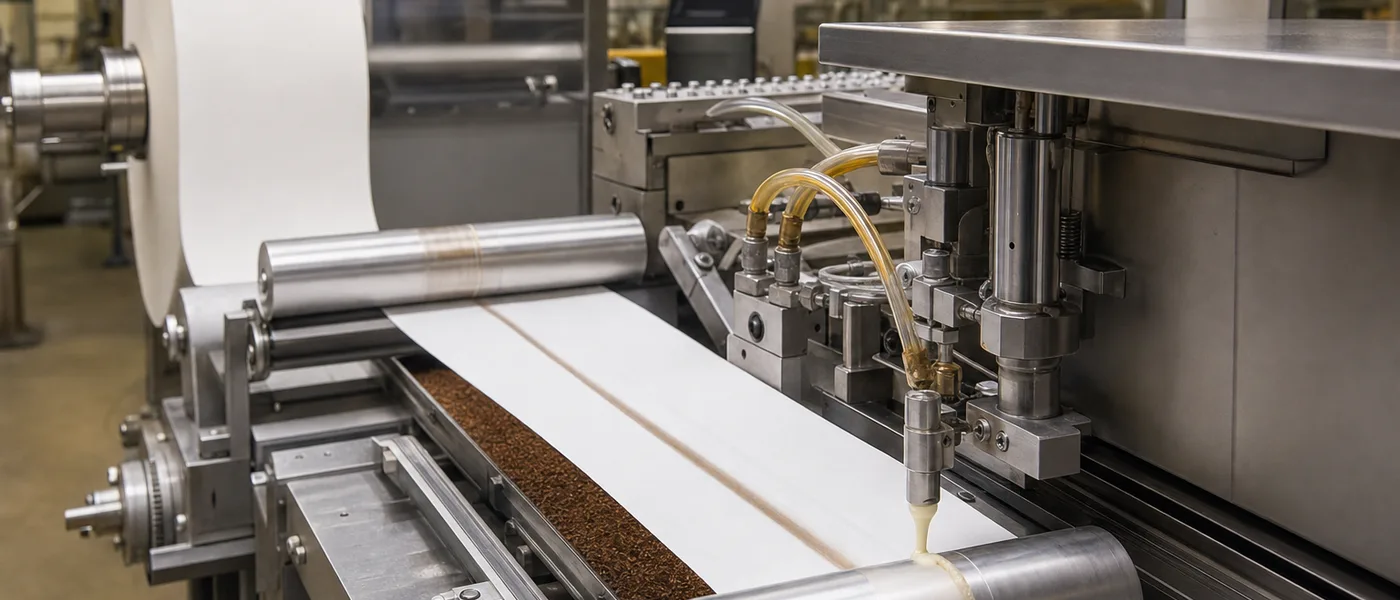
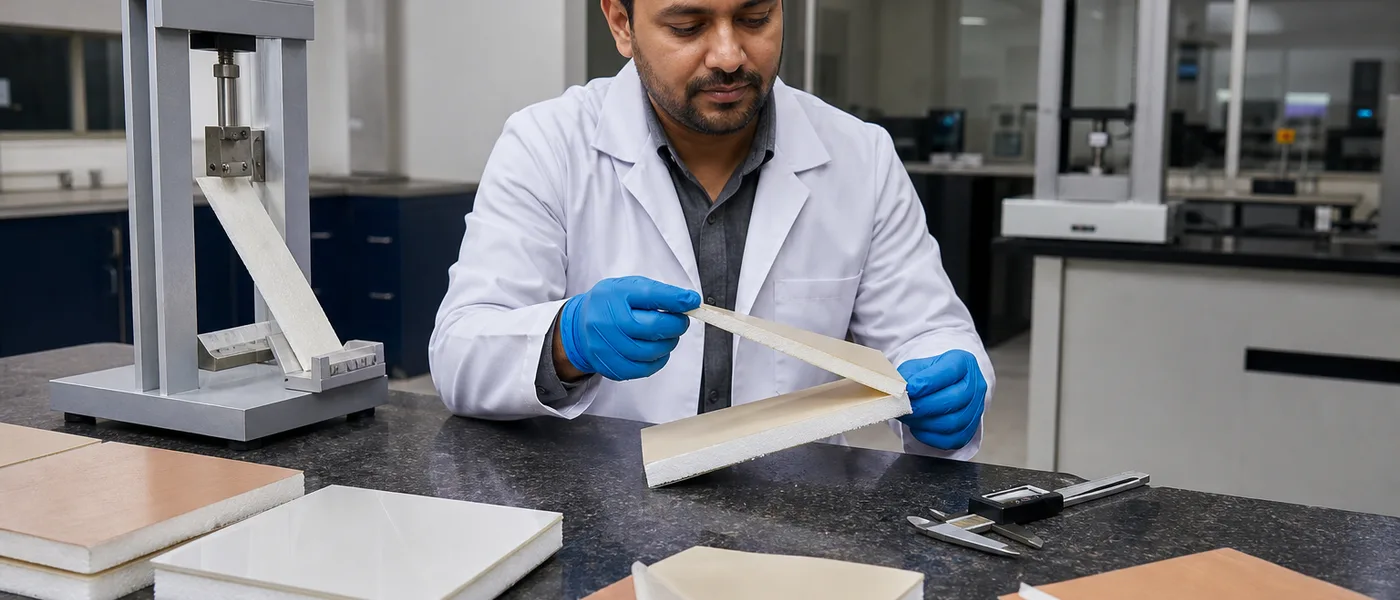
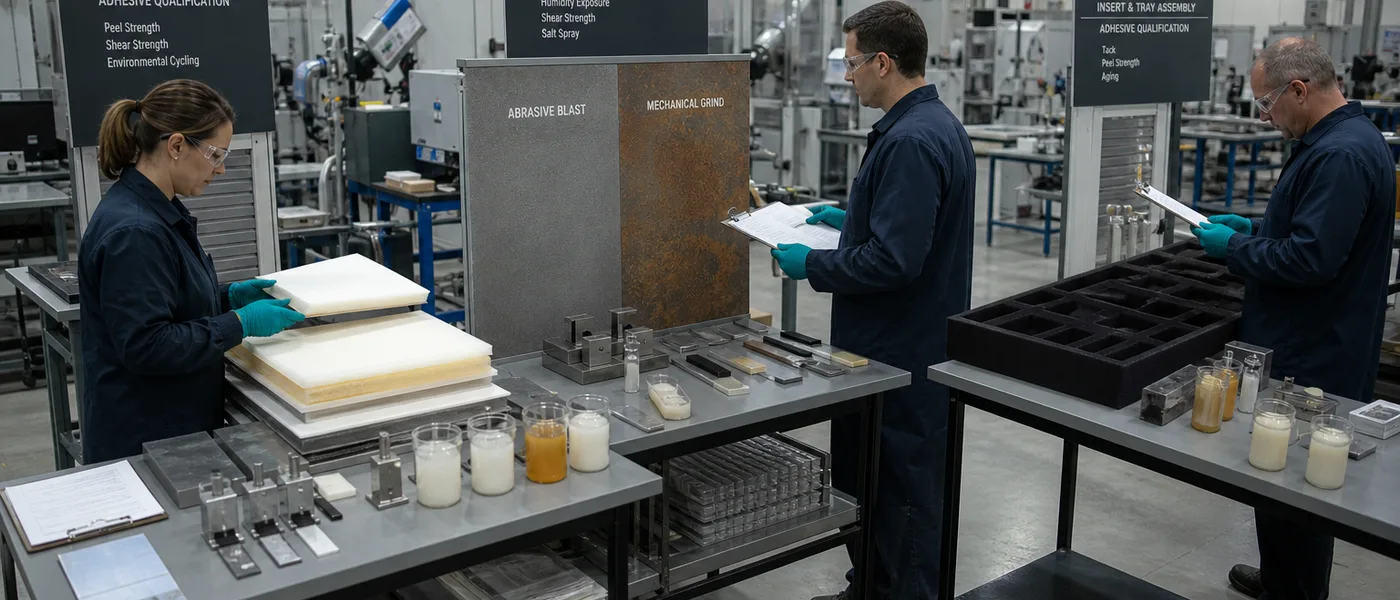
Qualify rust-prep systems by matching corrosion level, surface preparation, converter application, drying window, field conditions, and primer/topcoat handoff before production approval. A useful trial should prove whether the system stabilizes the actual steel surface, supports the coating sequence, and reduces rework risk on mixed-corrosion parts.
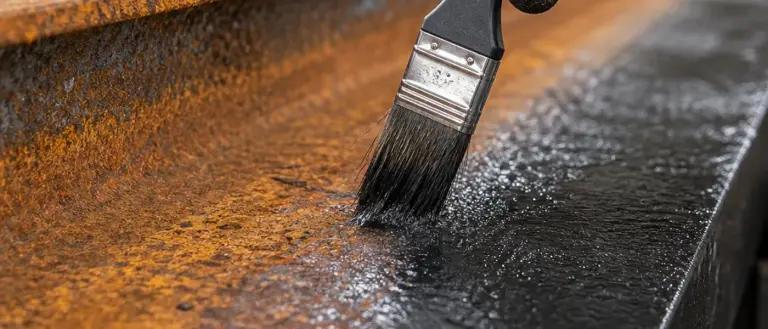
Table of Contents
- ·Why Rust-Prep Qualification Starts With the Steel Surface
- ·Classify the Corrosion Level Before Choosing a Rust-Prep Route
- ·Surface Preparation: Cleaning, Abrasion, Dust, Oil, and Moisture
- ·Converter Application Window: Coverage, Wet Film, Drying, and Reaction
- ·Primer and Topcoat Handoff
- ·Field Conditions: Temperature, Humidity, Dew Point, and Access
- ·Build a Practical Rust-Prep Qualification Trial
- ·Documentation Buyers Should Request
- ·Common Failure Modes During Rust-Prep Approval
- ·Field Evidence
- ·Final Takeaway
- ·Frequently Asked Questions
Why Rust-Prep Qualification Starts With the Steel Surface
Rust-prep approval should never be based only on a product label, a clean lab coupon, or a single before-and-after photo. In industrial maintenance, fabrication, and field repair, the real surface is rarely perfect. One part may include light flash rust, tight rust, old coating edges, mill scale, pitted areas, oily workshop contamination, and zones that are hard to reach. If these areas are treated as one simple rust condition, the primer inspection may reveal blistering, poor wet-out, edge lift, or under-film corrosion later.
A rust-prep system should be qualified as part of a complete surface preparation and coating handoff process. The buyer, maintenance team, coating contractor, and QA team need to know what type of rust is present, what loose material has been removed, how the converter is applied, how long it dries, and whether the primer or topcoat system can be applied inside the qualified window.
The key point is simple: a darkened surface is not automatically a paint-ready surface. A surface may look converted but still hold dust, salts, moisture, oil, loose oxide, or unreacted residue. These conditions can block primer wet-out and reduce confidence in the coating sequence.
A practical qualification should answer buyer-facing questions before material approval:
| Buyer Question | Qualification Focus |
|---|---|
| Is this active rust, flash rust, or heavy scale? | Corrosion level, loose material, surface profile |
| Can the surface be prepared consistently? | Cleaning method, abrasion, dust, oil, moisture |
| Does the converter react properly? | Wet film, dry film appearance, reaction time, coverage |
| Is the primer handoff reliable? | Dry time, compatibility, adhesion, recoat window |
| Can the process work in the field? | Temperature, humidity, access, schedule, documentation |
For procurement, this approach reduces guesswork. A low-cost rust-prep product can become expensive if it causes rework, delayed coating, extra inspection, or disputes with the primer supplier. A more robust system may still fail if the surface preparation method is not controlled. The safest buying decision comes from testing the actual steel condition, with the actual primer system, under the field or line conditions expected in production.
Rust-prep qualification is not an approval of a bottle. It is approval of a process window.
Classify the Corrosion Level Before Choosing a Rust-Prep Route
The first step is to classify the corrosion level. A rust converter or rust-prep material may be useful in defined preparation routes, but it should not be treated as a universal replacement for mechanical surface preparation, blasting, primer selection, coating system design, or qualified corrosion engineering.
Light flash rust is different from heavy loose scale. Localized oxidation is different from deep pitting. Old coating edges behave differently from bare steel. A mixed-corrosion part needs zone-by-zone notes because each area may require a different preparation method before the rust-prep material is judged.
Common steel surface conditions include:
| Surface Condition | Practical Meaning | Qualification Concern |
|---|---|---|
| Light flash rust | Thin rust film after cleaning or exposure | May be manageable if surface is clean and dry |
| Localized surface rust | Small rust areas on otherwise sound steel | Requires edge and spot-prep control |
| Uniform tight rust | Rust appears attached but still needs verification | Check whether loose material remains under abrasion |
| Pitting | Corrosion has created small cavities | Prep must address contaminants and primer coverage in pits |
| Old paint edges | Remaining coating meets exposed steel | Feathering and edge adhesion need review |
| Mill scale | Oxide layer from steel production | May interfere with coating adhesion if unstable |
| Heavy loose scale | Thick, flaky, unstable corrosion | Must be mechanically removed before chemical prep is judged |
| Mixed corrosion | Several rust levels on one part | Needs zone-by-zone documentation and photos |
Heavy loose rust should be removed before any chemical prep route is evaluated. If the converter reacts only with unstable rust flakes, the coating system is being built on a weak layer. That can create early failure even when the converter itself is used correctly.
Pitted steel also needs caution. Pits may trap moisture, salts, dust, or residue. A surface may look acceptable from a distance but still create problems under primer. For pitted areas, the team should document the pit depth visually where possible, the cleaning method, the application amount, and whether primer can cover the area without pinholes or poor wet-out.
For old coated steel, the edge condition matters. If remaining paint is weak, lifting, chalking, or contaminated, a rust-prep material will not solve the boundary failure. The coating edge should be feathered where required by the project specification, and adhesion should be reviewed before the coating sequence continues.
When AMPP, customer coating specifications, or internal maintenance standards apply, use those documents to define the surface condition, preparation expectations, and inspection points. The rust-prep supplier can support material selection, but the project owner or coating professional should still approve the surface preparation route.
Surface Preparation: Cleaning, Abrasion, Dust, Oil, and Moisture
Surface preparation is where many rust-prep trials succeed or fail. A converter cannot perform well if it is applied over loose rust, oil, grease, cutting fluid, shop dust, condensation, or unstable old coating. These materials can block wetting and prevent a reliable handoff to primer.
The goal of surface preparation is not to make every project look like a blasted steel panel. The goal is to create a surface condition that matches the approved rust-prep route and supports the next coating layer. For some maintenance work, that may mean wire brushing, scraping, sanding, grinding, wiping, and drying. For other work, a higher level of mechanical preparation may be needed before chemical treatment is considered.
The preparation method should be documented clearly. “Cleaned before application” is not enough for QA review. Record whether the team used scraping, wire brushing, sanding, grinding, needle scaling, solvent wiping, water cleaning, compressed air, vacuuming, or another method. Also record how the team confirmed that dust, oil, and moisture were controlled.
| Surface Condition | Risk If Ignored | Trial Check |
|---|---|---|
| Loose scale | Converter reacts with unstable material | Scrape/brush before application |
| Oil or grease | Poor wetting and coating adhesion | Degrease and document method |
| Dust after abrasion | Weak boundary layer | Wipe/tape check before coating |
| Moisture or condensation | Unstable reaction and poor primer handoff | Record surface temperature and dew point context |
| Old coating edge | Lift, underfilm corrosion, edge failure | Feather edge and inspect adhesion |
Oil and grease are especially important in fabrication shops. Steel parts may carry cutting oil, fingerprints, hydraulic residue, or handling contamination. If the rust-prep material crawls, beads, fisheyes, or refuses to wet the surface evenly, contamination should be checked before changing the converter.
Dust after abrasion is another common problem. Grinding or wire brushing can leave fine residue. If primer bonds to that residue instead of the steel or converted surface, the system may fail later. A simple wipe check or internal tape check can help identify weak boundary layers, but the exact method should follow the buyer’s quality procedure.
Moisture control matters too. If steel is near the dew point, condensation may form even when the surface looks dry. That moisture can affect converter reaction, drying, and primer handoff. For field work, surface temperature and dew point context should be recorded whenever the coating specification or site conditions make it relevant.
The surface preparation step should end with a clear decision: the surface is ready for converter application under the qualified route, or it needs more cleaning, abrasion, drying, or coating engineering review.
Converter Application Window: Coverage, Wet Film, Drying, and Reaction
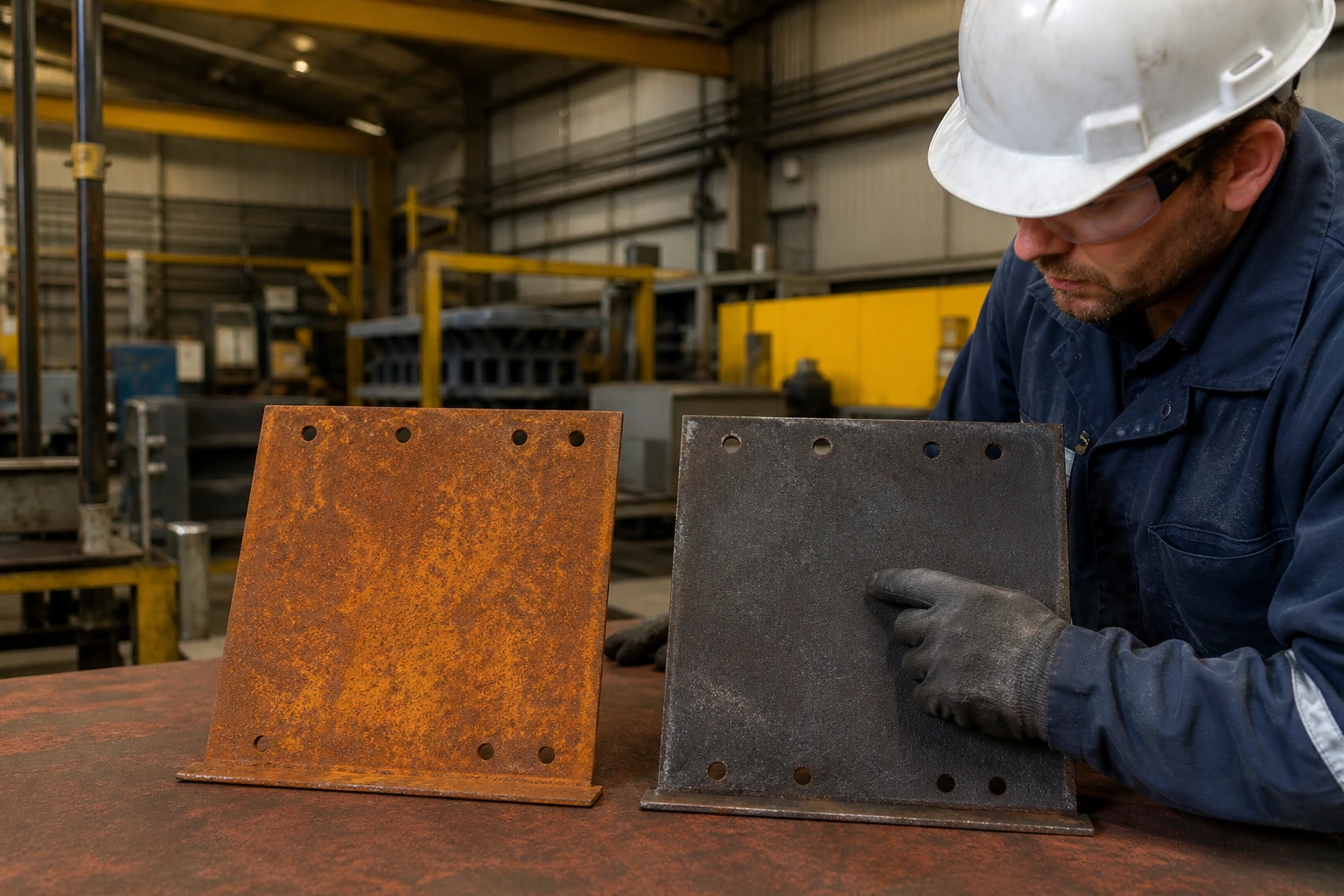
After surface preparation, the converter application must be controlled. The trial should document how much material was applied, how it wet the surface, how long it remained active, how it dried, and what the converted surface looked like before primer.
Application method matters. Brush application may work well for localized repair, weld areas, edges, bolt holes, or hard-to-reach zones. Roller application may suit larger flat areas. Spray application may improve productivity on some parts but needs control of coverage, overspray, wet film consistency, and access. The best method depends on the part geometry, corrosion level, site access, and coating sequence.
Coat weight is important. A film that is too thin may not cover rusted areas consistently. A film that is too heavy may dry slowly, leave residue, or interfere with primer wet-out. The trial should record application amount where practical. If wet film thickness is not measured, note the number of coats, approximate coverage, tool type, and visual wetting behavior.
Drying time and reaction time should be treated as product-specific. Do not assume one universal color change, blackening pattern, or reaction signal applies to all rust-prep materials. Some systems may show a darkened surface; others may show a different visual change. The TDS should guide what the operator expects to see, when the surface can be recoated, and whether any residue must be removed before primer.
A useful application record includes:
| Application Item | What to Record |
|---|---|
| Product name and batch | Traceability for the trial |
| Surface condition | Rust level, old coating, pitting, mill scale notes |
| Application tool | Brush, roller, spray, wipe, touch-up method |
| Number of coats | Single coat or multi-coat route |
| Wet coverage | Visual wetting, missed areas, pooling, runs |
| Dwell or reaction time | Time before dry inspection |
| Drying time | Time before primer or handling |
| Surface appearance | Product-specific reaction result |
| Residue condition | Powder, tack, film, or material to be removed per TDS |
| Recoat timing | Time between converter and primer |
Coverage should be checked around edges, welds, pits, corners, bolt holes, brackets, and underside areas. These zones often receive less consistent preparation and application. If the converter is approved only on an easy flat area, the production result may not match the trial.
The application window should also include stop-start reality. Field teams may have delays, access interruptions, temperature changes, and staged coating work. A useful qualification should confirm what happens if primer is applied at the early side and late side of the recommended handoff window.
Rework Before Primer?
Screen rust-prep material on your actual steel condition before approving the coating handoff.
Rust Converter SolutionsPrimer and Topcoat Handoff
The primer handoff is the most important part of rust-prep qualification. A converted surface is not approved simply because rust changed color. It must accept the next coating layer in a predictable way.
Primer compatibility should be checked with the actual primer planned for production. If the final system includes a primer and topcoat, the trial should include that sequence where practical. Different primers may have different wetting behavior, solvent strength, cure schedule, film build, and sensitivity to residue. A rust-prep surface that accepts one primer may not be suitable for another without further review.
The primer supplier’s instructions and the project coating specification should remain in control. Rust-prep does not replace primer instructions, coating system design, AMPP-related project requirements, or coating engineer approval. It should support the coating sequence, not bypass it.
Primer handoff should review:
| Handoff Item | What to Check |
|---|---|
| Dry-to-prime time | Surface is dry within the qualified window |
| Primer wet-out | No crawling, fisheyes, beading, or poor coverage |
| Residue control | Any unreacted or loose material handled per TDS |
| Primer adhesion | Internal or customer-specified check after cure |
| Recoat window | Primer applied inside allowed timing |
| Cure schedule | Primer and topcoat cured according to supplier guidance |
| Topcoat appearance | No blistering, lifting, staining, or under-film creep during review |
| Edge behavior | Old coating edges and pitted areas remain stable |
If primer blisters, crawls, or lifts, the team should not assume the rust-prep material alone is at fault. The cause may be moisture, salt, oil, loose rust, old coating failure, excessive converter film, insufficient dry time, or primer incompatibility. That is why the trial record must connect surface condition, converter application, field environment, and primer timing.
For procurement, primer handoff data is more useful than a general claim. A strong qualification statement might say: “This rust-prep route was tested on mixed-corrosion fabricated steel, prepared by wire brushing and solvent wipe, dried for the recorded interval, and primed with the named primer under these site conditions.” That is clearer and safer than saying the product is broadly paint-ready.
Field Conditions: Temperature, Humidity, Dew Point, and Access
Field conditions can change rust-prep performance. A product that works on a dry indoor panel may behave differently on a cold steel structure, outdoor repair zone, humid plant floor, or shaded equipment base. Temperature, humidity, dew point, airflow, and access can all affect reaction, drying, and primer handoff.
Temperature affects drying speed and working time. Low temperatures may slow reaction or drying. High temperatures may shorten the working window. Relative humidity can affect flash rust risk and drying behavior. Steel temperature matters because steel can be colder than the air around it, which creates condensation risk.
Dew point context is especially important for coating work. If the steel surface is too close to the dew point, moisture may be present even when the steel looks dry. That can undermine both converter application and primer handoff. The exact dew point margin should follow the coating specification, customer requirement, or coating professional’s instruction.
Access also matters. A technician may easily prepare and coat a flat sample panel, but production parts often include corners, welds, brackets, underside zones, frames, and confined areas. Limited access can create uneven abrasion, incomplete cleaning, thin converter coverage, or missed primer areas.
| Field Variable | Why It Matters | What to Record |
|---|---|---|
| Ambient temperature | Reaction and drying speed | Minimum/maximum during trial |
| Relative humidity | Flash rust and drying risk | RH during prep and coating |
| Steel temperature | Condensation risk | Steel temperature vs. ambient |
| Dew point margin | Moisture on steel | Dew point context |
| Access limitation | Uneven prep or coverage | Brush, roller, spray, touch-up method |
A field trial should record the actual conditions, not ideal assumptions. If the product will be used outdoors, in a humid plant, near washdown areas, or during maintenance shutdowns, the qualification should reflect those realities as closely as possible.
Build a Practical Rust-Prep Qualification Trial
A useful rust-prep trial should be designed around the buyer’s actual parts and coating sequence. Clean lab panels can help with early screening, but they do not replace testing on the same steel condition that causes rework in production.
Start with representative samples. Include actual parts where possible, or prepare panels that mimic the real corrosion level, surface profile, old coating edge, pitting, and access challenge. If the production steel has mixed corrosion, the trial should include mixed corrosion. If the final work is field repair, include field-style preparation and application.
Before application, photograph the surface. Capture rust level, old paint edges, pits, scale, welds, corners, and any access limitation. After surface preparation, photograph again. After converter application and drying, photograph again. After primer and topcoat, photograph the same zones. These records help QA, procurement, the coating contractor, and the supplier review the same facts.
A practical trial sequence can include:
| Trial Stage | What to Do | What to Record |
|---|---|---|
| Sample selection | Choose actual parts or representative panels | Rust level, steel type, old coating, pitting |
| Pre-clean photo | Capture the starting condition | Before images and zone labels |
| Surface preparation | Remove loose rust, clean oil, control dust | Tools, method, time, operator notes |
| Environmental record | Check field or line conditions | Temperature, RH, steel temperature, dew point context |
| Converter application | Apply by planned method | Tool, coats, coverage, wetting, batch |
| Dry inspection | Confirm product-specific reaction and dryness | Time, surface appearance, residue |
| Primer handoff | Apply actual primer in qualified window | Primer name, time, wet-out, film behavior |
| Coating sequence | Apply topcoat where relevant | Cure schedule, recoat time, appearance |
| Adhesion or inspection | Use internal or customer method | Pass/fail, observations, limits |
| Storage or exposure review | Review after rest, handling, or relevant exposure | Blistering, lift, under-film creep, edge behavior |
Where relevant, include limited water exposure, humidity exposure, or storage review based on the customer’s approval method. Avoid turning a small exposure check into a broad corrosion-resistance claim. The test should be described exactly as performed.
The trial should end with a written approval window. This should define the corrosion levels allowed, preparation method, converter application method, dry time, primer handoff window, coating sequence, and conditions that require requalification.
Documentation Buyers Should Request
Procurement teams should request documents before approving rust-prep material for routine use. These documents help purchasing, maintenance, EHS, coating contractors, and QA teams evaluate the same product and process.
The TDS should be reviewed for application method, surface preparation guidance, coverage, drying time, recoat guidance, storage, and use limitations. The SDS should be reviewed for handling, PPE, storage, transport, cleanup, and disposal information. The batch label supports traceability and shelf-life review.
A trial report is also important. It should include photos, timing, surface condition, environmental data, application method, primer timing, coating sequence, and inspection results. Without a trial report, future teams may not know what was actually approved.
| Document | Buyer Use |
|---|---|
| TDS | Application method, surface prep, drying/recoat guidance |
| SDS | Handling, storage, PPE, transport review |
| Batch label | Traceability and shelf-life review |
| Trial report | Photos, timing, conditions, coating sequence |
| Primer/topcoat compatibility note | Avoid handoff assumptions |
| REACH-related statement, when relevant | EU customer or internal restricted substance review |
Commercial information should also be requested early. MOQ, lead time, sample quantity, packaging size, shelf-life, and storage conditions can affect rollout. A product may pass technically but still create purchasing problems if the MOQ is too large for maintenance use or lead time is too long for shutdown planning.
Any REACH-related statement should be treated as a document review item, not a broad compliance claim. The buyer should confirm what product, date, scope, and customer requirement the statement applies to.
Common Failure Modes During Rust-Prep Approval
Rust-prep failures often appear after primer, not during converter application. That is why qualification must follow the coating sequence far enough to reveal wet-out, drying, adhesion, and early film stability issues.
Common failure modes include:
- Loose rust was not removed before application.
- Oil, cutting fluid, or workshop contamination blocked wetting.
- The converter was applied too thin or too heavy.
- Primer was applied before the qualified handoff window.
- Field humidity or condensation changed the drying result.
- The trial used clean lab panels but production steel had mixed corrosion.
- The buyer treated rust-prep as a substitute for coating system qualification.
- Old coating edges were not feathered or checked for adhesion.
- Pitted areas trapped dust, moisture, salts, or residue.
- Residue after conversion was not handled according to the TDS.
- The primer/topcoat system was changed after the rust-prep trial.
- The team approved the material without documenting temperature, humidity, access, or dry time.
A troubleshooting table can help plant teams respond faster:
| Failure | Possible Cause | First Check |
|---|---|---|
| Blistering after primer | Moisture, salts, residue, poor dry time | Surface cleanliness and drying window |
| Primer crawls or fisheyes | Oil, grease, residue, incompatible surface | Degreasing method and primer wet-out |
| Under-film creep | Active corrosion or weak old coating left in place | Rust level, edge prep, old coating adhesion |
| Peeling | Loose rust, dust, poor abrasion, weak boundary layer | Mechanical prep and wipe/tape check |
| Flash rust before primer | Delay, humidity, condensation | Recoat timing and field conditions |
| Uneven converter reaction | Mixed rust levels, poor coverage, contamination | Zone notes and application method |
| Soft or tacky surface | Excess film, low temperature, short dry time | Application amount and drying conditions |
| Poor topcoat appearance | Primer incompatibility or residue issue | Primer handoff and coating sequence |
The key is to identify where the sequence failed. Changing chemistry may help in some cases, but not if the root cause is poor surface preparation, condensation, or the wrong primer handoff.
Field Evidence
For a procurement-oriented rust-prep approval, field evidence should be practical. Buyers should ask for examples that match their use case: mixed-corrosion fabricated steel, field touch-up, maintenance repair, old coating edges, pitted surfaces, or hard-to-access parts. A case study from a clean indoor coupon is less useful if the real project involves outdoor equipment with variable access.
If available, preserve or add internal links that help the buyer qualify the full process:
A useful field evidence file may include:
| Evidence Type | Why It Helps |
|---|---|
| Before/after photos | Shows actual rust level and converted surface |
| Surface prep notes | Confirms loose rust, oil, dust, and edges were addressed |
| Application record | Shows tool, coverage, drying time, and batch |
| Field condition record | Explains temperature, humidity, and access limits |
| Primer/topcoat sequence | Confirms handoff was tested with the planned coating |
| Inspection result | Shows whether blistering, wet-out, or edge problems appeared |
| Known limitations | Prevents overuse outside the qualified window |
Known limitations are especially useful. A material supplier that explains where the product should not be used is often more helpful than one that presents the product as a cure-all. For Senda, this evidence can support a more careful technical conversation with the buyer before sample approval or bulk purchasing.
Related case study: Stabilize Rust Prep Before Primer Handoff on Mixed-Corrosion Steel — field qualification context from a live maintenance program.
Final Takeaway
Rust-prep approval is corrosion stabilization plus coating handoff. It is not approval of a converter product in isolation.
A strong qualification process starts by classifying the rust, removing loose and unstable material, controlling oil, dust, and moisture, applying the converter within a documented window, recording field conditions, and testing primer/topcoat handoff with the actual coating sequence. The team should approve the complete process: surface condition, prep method, converter application, drying time, primer compatibility, environmental window, and inspection record.
For skeptical industrial buyers, maintenance teams, coating contractors, and plant QA teams, this approach reduces rework risk and makes supplier conversations more useful. Instead of asking whether a rust-prep product “works,” ask whether it works on this steel, with this prep method, under these conditions, before this primer, inside this schedule.
That is the difference between a product trial and a qualified rust-prep system.
Frequently Asked Questions
Can a rust converter replace sandblasting or mechanical surface preparation?
No. A rust converter should not be treated as a replacement for sandblasting, mechanical surface preparation, primer, coating system design, or qualified corrosion engineering. Loose rust, heavy scale, unstable old coating, oil, dust, and moisture must be addressed before a rust-prep route is judged. When blasting or a higher level of surface preparation is required by the coating specification, that requirement should remain in control.
How should a plant decide whether rust-prep is suitable for a part?
Start by classifying the corrosion level and reviewing the coating specification. Rust-prep may be considered for defined maintenance, touch-up, or preparation routes where the surface can be cleaned, loose material can be removed, and primer handoff can be tested. If the part has heavy loose scale, severe pitting, active contamination, structural corrosion concerns, or strict coating warranty requirements, involve the coating engineer or project owner before approval.
What should be recorded during a rust-prep trial?
Record the steel condition, corrosion level, old coating condition, surface preparation method, cleaning method, application tool, product batch, number of coats, drying time, residue condition, temperature, humidity, steel temperature, dew point context, primer timing, primer/topcoat system, inspection result, and before/after photos. A trial without these details is hard to repeat.
When should primer compatibility be checked?
Primer compatibility should be checked before production approval and before the rust-prep route is used on critical parts. The trial should use the actual primer planned for production, and where practical, the intended topcoat sequence. Compatibility should also be reviewed again if the primer, topcoat, dry time, surface prep method, or field condition changes.
Does rust-prep qualification need humidity or dew point records?
For many industrial and field coating jobs, yes. Humidity, steel temperature, and dew point context can affect condensation risk, flash rust, drying time, and primer handoff. The exact record requirement should follow the coating specification, site procedure, or project QA plan.
What documents should purchasing request from the supplier?
Purchasing should request the TDS, SDS, batch label, shelf-life or storage guidance, MOQ, lead time, and any relevant product-specific statements requested by the customer. For EU projects or customer compliance files, a REACH-related statement may be requested when relevant. Buyers should also request a trial report if the material is being approved for repeated plant use.
Should heavily scaled steel be tested the same way as light flash rust?
No. Heavy loose scale and light flash rust are different surface conditions. Heavy loose rust should be mechanically removed before chemical treatment is evaluated. Light flash rust may require a different preparation route, depending on the coating specification and primer system. Mixed-corrosion steel should be documented zone by zone.
Can Senda provide lab material for rust-prep screening?
Yes. Senda can review the substrate, corrosion level, surface preparation method, field or line conditions, and intended primer/topcoat sequence before sample screening. A complimentary 1 kg lab material request can support early evaluation, but final approval should be based on the buyer’s actual steel condition and coating handoff trial.
Qualify rust-prep on your substrate
Request complimentary 1 kg lab material (shipping prepaid by recipient) after screening on your substrate and field or line conditions.
References
Technical Disclaimer: All technical data is based on standard laboratory conditions. Users should perform their own verification testing to confirm suitability for specific substrates, processes, and regulatory requirements. Senda Glue makes no warranties, express or implied, and assumes no liability for improper use of the products or reliance on this information.