Choose a carton sealing adhesive by checking the glue flap, the time to compression and the conditions the sealed pack will face. Then run a side-by-side trial on your own board.
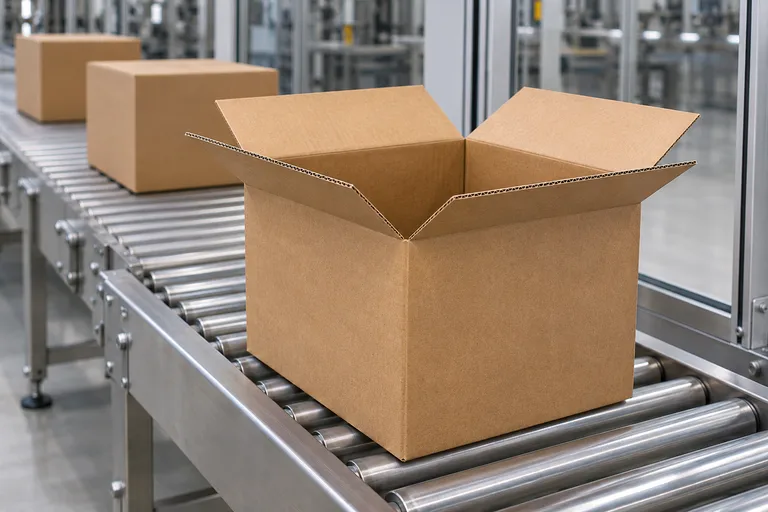
Table of Contents
A carton can leave the sealer looking fine and open up by the time it reaches the pallet. When that happens, pull an opened carton and a sound one from the same run. Compare the glue flaps before asking for a stronger adhesive. You may find the bead missed the overlap, the bond had too little time under compression, or the adhesive held on one board lot and released from the next.
To choose a carton sealing adhesive for food packaging, start with the two surfaces you need to join, the time your machine gives the bond to form, and the temperatures the finished pack will see. Then check the supplier’s food-contact documentation and compare the candidate with your current grade on the line.
Start with the glue flap
Send the supplier two actual blanks. Mark where the glue goes and which face it touches on the opposite flap. A carton described as “coated paperboard” could have a bare glue flap, print and varnish in the bond area, or a film laminate on one side. Those joints can behave very differently, even when the cartons look identical in the stack.
A side seam made on a folder-gluer and a top flap closed around a filled pack call for different checks. If you are bonding the side seam, start with our folding carton adhesives guide. For top and bottom flaps on filled cartons or corrugated shipping cases, compare end-of-line sealing options against the equipment you already run.
Check how much time the adhesive gets
Give the supplier two timings if you can: how long it takes from glue application to flap contact, and how long the flaps stay under compression. The adhesive needs to remain workable through the first interval and hold the flaps shut after the second. Cartons per minute is useful context, but it does not tell the supplier either of those times.
Record the application temperature and bead pattern for a hot-melt line, along with the board temperature at startup. A cold stack can behave differently from board that has spent the shift in the plant. If cases open only after a freezer hold or a warm trip through the warehouse, include that condition in the trial.
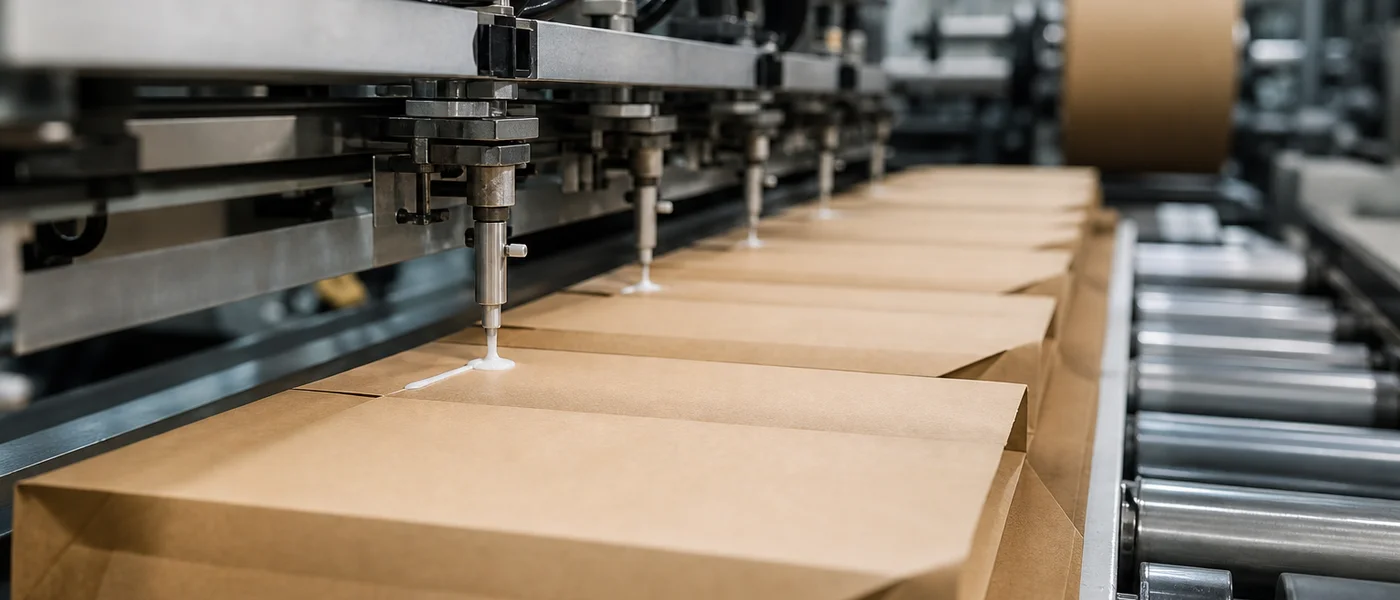
For a fast hot-melt case sealer, screen grades that fit the applicator, the available open time and the compression section. If the joint is made on a folder-gluer that can handle water-based glue, check how the board takes up water and how much time the bond has to develop. Use our hot-melt versus water-based adhesive comparison to compare the two processes.
Compare end-of-line sealing adhesives
Review hot-melt options for case and carton lines and prepare the details needed for a sample trial.
Explore Sealing AdhesivesAsk the supplier what the documentation actually covers
Draw the seam on the package or mark it on a sample. Tell the supplier whether the adhesive sits outside a sealed inner pouch, behind a barrier in the carton structure, or where exposure through a seam or edge is possible. Include the food type, storage and service temperatures, and the destination market. Ask for a statement tied to the exact grade and that intended use.
For U.S. packages, ask how the proposed construction fits the applicable conditions of 21 CFR 175.105 when the supplier cites it. Keep the technical and safety data sheets for handling and line setup. Use the grade-specific food-contact documentation for the compliance review. Our food-safe adhesives guide for paper packaging covers what to request and how to check the limits of the supplier’s statement.
Run the sample against your current adhesive
Use the same board lot for the baseline and the candidate. Set aside cartons from startup and from a stable run. Agree on what will count as a failure before the shift starts, including when to check the seam and which storage conditions the cartons must pass.
- At the sealer, record line speed, adhesive settings, the bead pattern and compression. Look for a flap that springs back as it leaves compression.
- After a defined hold, open a few seams by hand and photograph both faces. Note where the board tore, where the bead released cleanly and whether it reached the intended overlap. Compare samples from the same board lot.
- After the expected cold or warm storage period, check the seam again. Keep the results separate from the initial line check so a bond that closes well on the machine but fails in storage is easy to spot.
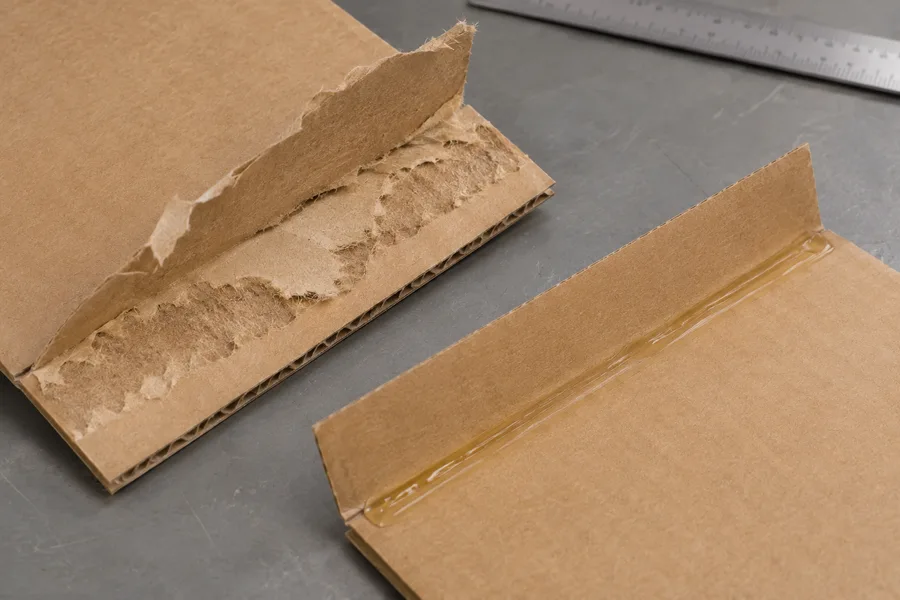
Fiber tear can help explain a failure on the board you tested. Some coated surfaces give little visible tear, so judge the seal against the acceptance criteria you set for that package. If the candidate needs different settings, record those as a separate run. Keep a sample of the original seal so the next shift can see what changed.
What to put in the sample request
Send photos of the glue flap and the defect, the board grade and coating, the applicator and normal speed, and a note on when the carton opens. Include the required food-contact documentation and the hottest or coldest condition the pack is likely to see. Ask the supplier for a grade, a starting setup within its stated operating range, and the one or two changes they would test first on your line.
Frequently Asked Questions
What adhesive is used to seal food packaging cartons?
Fast flap-sealing machines often use hot melt. Water-based adhesives can suit some folder-gluer joints, depending on board absorbency, drying and equipment. Select the exact grade against both the bond requirements and the intended food-contact conditions.
What should I send a carton sealing adhesive supplier?
Send carton blanks or clear photos of both bonding faces, the board and coating details, line speed, time to compression, storage conditions, and the food-contact documentation required for your market. Include an opened seam if you are troubleshooting a failure.
Why do sealed cartons pop open?
The bead may have set too early, missed part of the overlap or had insufficient time under compression. Board changes and handling temperatures can also affect the seal. Compare a failed carton with a sound one from the same run, then record where and when it first opened.
Plan a carton sealing adhesive trial
Share your board, applicator and line conditions. Request complimentary 1 kg lab material for initial screening, with shipping prepaid by the recipient.
References
Technical Disclaimer: All technical data is based on standard laboratory conditions. Users should perform their own verification testing to confirm suitability for specific substrates, processes, and regulatory requirements. Senda Glue makes no warranties, express or implied, and assumes no liability for improper use of the products or reliance on this information.