Security Envelope Adhesive for Fiber Tear & Tyvek

Factory-direct water-based and hot-melt PSA grades for kraft, Tyvek, and peel-and-seal envelopes. Screen visible fiber tear, synthetic wet-out, and steam-exposure resistance on your line—1 kg lab screen, then production trial.
*Complimentary 1 kg lab material · shipping prepaid by recipient. 20 kg trials after screening. MOQ typically ~1,000 kg.*
✅ Fiber tear screened on your paper stock • Tyvek / LSE wet-out protocols • REACH/RoHS statements on request
Optimized For:
Fiber tear
Substrate destruction screened vs. flap peel
Tyvek
Wet-out on your synthetic envelope stock
Line-Matched
Wheel/nozzle cleanliness at your envelope speed
REACH
SVHC statements on request (per grade)
Secure Mail Constructions We Qualify
Porous kraft, smooth Tyvek, and padded mailers each need different penetration, tack, and humidity response—one glue rarely fits every secure-mail SKU.
Kraft Paper Envelopes
Fiber-tear routes: Water-based systems that penetrate kraft fibers—visible paper tear on opening screened for bank, legal, and ballot mail programs.
Tyvek & Synthetic Envelopes
LSE wet-out: Hot-melt PSA grades for smooth Tyvek and synthetic stocks where conventional paper glues skin over and release cleanly.
Bubble Mailers (Kraft/Poly)
Compression-stable closure: High-tack systems for padded mailers—flap hold under stuffing pressure and sortation screened on your construction.
From Steam Re-Entry, Tyvek Lift & Transit Pop-Open to Qualified Seals
We address the sealing failures that most often compromise confidential mail: covert reopening, synthetic-stock bond failure, and flap lift in distribution.
Common Failures
Steam Opening Attacks
Covert re-entry risk: Some water-based glues re-soften under steam or localized heat—flaps can lift and re-close without obvious substrate damage.
Adhesion Failure on Tyvek
LSE failure: Smooth synthetic stocks let regular paper glue dry on the surface and release before a security bond forms.
Flap Lifting in Transit
Transit pop-open: Weak initial tack allows flaps to lift in insertion equipment, humid mail rooms, or overloaded sacks.
Our Solution
Steam-Exposure Screening
Cure profile reviewed: Grades screened so the bond does not re-soften under your steam or heat-exposure protocol—confirm before promising covert-open resistance.
Tyvek-Optimized Tack
PSA wet-out on synthetics: Aggressive tack packages for low-surface-energy envelope stocks—bond strength validated on your Tyvek or film construction.
Humidity-Stable Hold
Distribution screening: Tack and cohesion reviewed in your humidity band—flap security through inserting and downstream handling.
Lab Support for Envelope Lines
Fiber tear, Tyvek wet-out, and machine cleanliness reviewed on your stock and speed—not generic marketing soak times.
Fiber-Tear Panel
Opening tests on your kraft weight and flap overlap—compare peel-back vs. visible substrate destruction.
Tyvek / LSE Wet-Out
Peel and tamper checks on your synthetic construction—confirm before retail or banking submission.
Glue Wheel & Line Cleanliness
Splash, throw-off, and buildup screened at your glue temperature and envelopes/min target.
Tune to Stock, Tamper Threshold & Envelope Speed
We benchmark paper penetration, Tyvek wet-out, and machine running against your envelope stock, closure geometry, and line speed—not generic peel data alone.
| Application | Engineering goal | Typical scope | Benefit |
|---|---|---|---|
| Kraft security envelopes | Fiber penetration | Deep soak-in for visible paper tear | Substrate destruction vs. flap peel-back screened on your kraft weight and flap overlap. |
| Tyvek / synthetic stocks | LSE wet-out | Tack on low-energy surfaces | Reliable bond on smooth synthetics where paper glues release cleanly. |
| High-speed envelope lines | Clean machining | Application at your envelopes/min | Splash, stringing, and wheel buildup reviewed at nominated speed—not a universal 500+ cpm claim. |
| Security level | Tamper threshold | Steam / heat protocol | Irreversible-cure routes screened for confidential-mail specs—approve with your security QA method. |
Engineering goal: Fiber penetration
Benefit: Deep soak-in for visible paper tear
Extra: Substrate destruction vs. flap peel-back screened on your kraft weight and flap overlap.
Engineering goal: LSE wet-out
Benefit: Tack on low-energy surfaces
Extra: Reliable bond on smooth synthetics where paper glues release cleanly.
Engineering goal: Clean machining
Benefit: Application at your envelopes/min
Extra: Splash, stringing, and wheel buildup reviewed at nominated speed—not a universal 500+ cpm claim.
Engineering goal: Tamper threshold
Benefit: Steam / heat protocol
Extra: Irreversible-cure routes screened for confidential-mail specs—approve with your security QA method.
Why Secure-Mail Teams Shortlist Senda
Tamper evidence, synthetic wet-out, and line cleanliness qualified together—without universal fiber-tear or speed guarantees.
Visible Tamper Evidence
Tyvek & Synthetic Ready
Stable on Your Envelope Line
Documentation for Secure Mail Programs
Request declarations scoped to your envelope construction and retention rules—not site-wide “REACH certified” badges.
Compliance Scope (Confirm for Your Program)
REACH, RoHS, and archival requirements depend on grade, substrate, and how documents are stored.
- REACH & RoHS ( SVHC and restricted-substance statements on request for export programs (per grade). )
- Archival / acid-free ( Options for document-sensitive constructions—confirm scope for long-term record retention. )
- TDS + SDS ( Via technical resources for the nominated grade and secure-mail audit questionnaire. )
TDS, SDS, and REACH/RoHS declarations for the nominated grade—scoped to your secure-mail program.
Related E-commerce Packaging Lines
Extend secure document mail into parcel closure and controlled easy-open formats on the same outbound network.
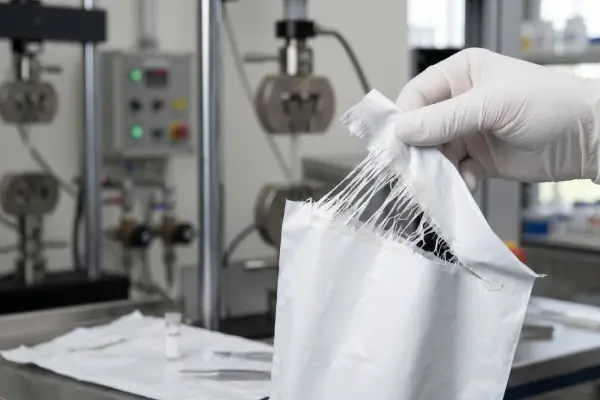
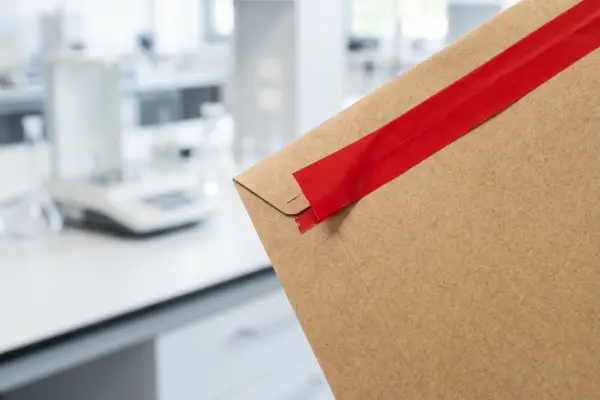

Senda's envelope adhesive gave us clear visible fiber tear on our secure-mail formats after line qualification—and cleaner glue-wheel running at our envelope speed, not from a brochure '100% tear' claim alone.
Security Envelope Knowledge Base
Two proof points: visible substrate destruction on opening, and clean sealing on your envelope equipment.
 CASE STUDY
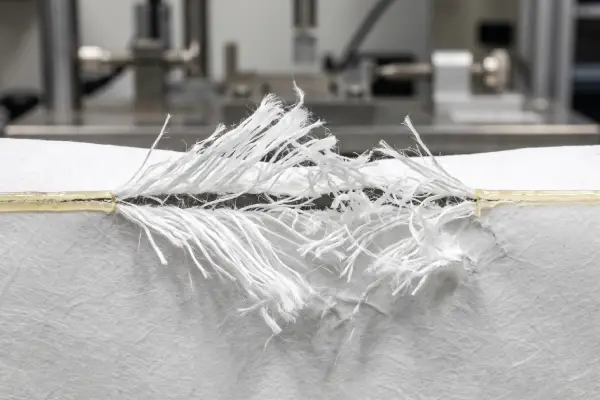
 Case Study: Fiber-Tear Security on Tyvek & Paper
A secure document program replaced a peelable seal with Senda adhesive—visible fiber tear on opening checks and better Tyvek wet-out after line qualification.
Read Full Article → TECHNICAL GUIDE Guide: Optimizing High-Speed Envelope Sealing
Glue wheel setup, compression belt pressure, and cleaning discipline for stable flap security on high-speed envelope equipment.
Read Full Article →Security Envelope FAQ
Commercial, machine, and compliance answers for teams validating fiber-tear and Tyvek-compatible envelope adhesives.
What is security envelope adhesive used for?
Water-based and hot-melt PSA grades seal kraft, Tyvek, and peel-and-seal envelopes for confidential mail. Screen fiber tear, Tyvek wet-out, and line cleanliness—start here, then request a complimentary 1 kg screen.
What are MOQ, lead time, and sample options?
MOQ is typically ~1,000 kg. Lead time is confirmed at quotation. Complimentary 1 kg lab material (recipient prepaid shipping) and larger trials for envelope-line validation after screening.
Is the 1 kg sample free? Who pays shipping?
Yes—the 1 kg lab material (200 g–1 kg) is complimentary for qualified screening. Courier freight is prepaid by the recipient (liquid formulations ship prepaid only). 20 kg production trials are quoted separately before dispatch.
Do your adhesives work on Tyvek and synthetic stocks?
Yes—PSA and specialized routes are screened for low-surface-energy synthetics. Wet-out and peel strength are validated on your Tyvek or film construction before bulk.
Can the bond resist steam-opening or heat tampering?
We screen grades under your steam or heat-exposure protocol. Confirm covert-open resistance with your security QA method—not a universal “steam-proof” promise.
Are grades suitable for peel-and-seal formats?
Hot-melt PSA systems are available for peel-and-seal constructions—shelf-life stability confirmed under your storage conditions and liner stack.
How is this different from courier bag destructive bond?
Security envelopes target paper fiber tear or Tyvek bond on document mailers. Courier bags use film destructive bond on PE mailers—different chemistry and equipment.
Where do I get TDS, SDS, or REACH paperwork?
Use technical resources (`/technical-resources`) or request an audit package with your grade nomination and envelope construction.