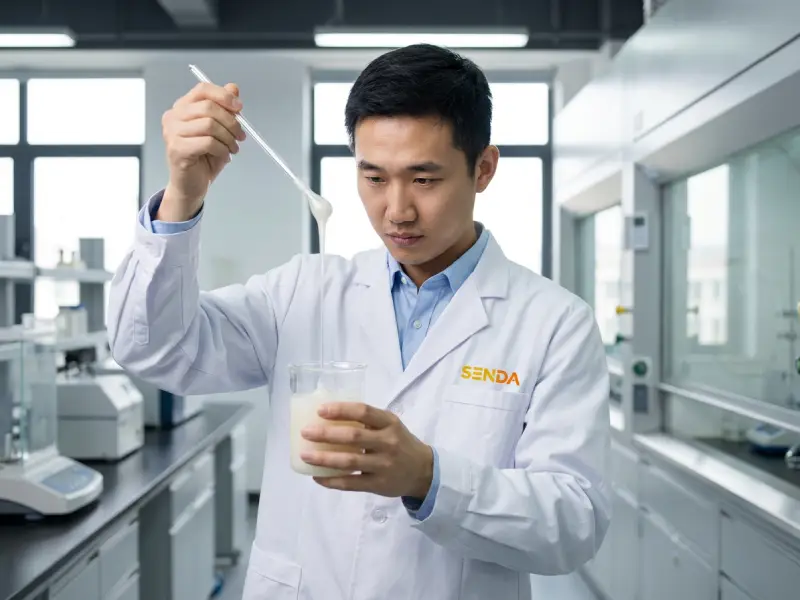
Blank acceptance, line-run and liquid-exposure records for paper straw adhesive trials, with a supplier feedback template and separate food-contact review.
Table of Contents
Use this checklist to agree a paper straw adhesive trial, label the samples, record what happened and decide what to do next. Purchasing, process and quality teams can complete the same records with the supplier, instead of exchanging an unqualified “passed the soak test.”
Copy the tables into your working file or use the download below. Each [fill in] is an empty field; add rows and run columns as needed. CSV entry cells are blank except for the template Source column. Give the file a project ID, revision and date before sharing it. On a narrow screen, scroll each table sideways.
This is a working template, not a recognized test standard or a food-contact suitability assessment. The customer, supplier and responsible team must agree the methods, acceptance targets, inspection times and sample quantities for the intended use before testing. No soak duration, strength limit or maximum line speed is prescribed here.
For winding principles and troubleshooting, use the paper straw manufacturing guide. The industrial adhesive qualification checklist covers the broader approval process across applications; this page supplies the straw-specific records.

Prepare the samples and the brief
Gather the actual paper reels, adhesive labels and available files before booking the line. Mark missing information as open, with an owner; do not silently substitute a similar paper or adhesive grade.
Swipe sideways to see all columns.
| Prepare / confirm | Details or file reference | Checked by / open item |
|---|---|---|
| Project ID, record revision, date and team | [fill in] | [fill in] |
| Paper by ply: mill, grade, reel lot, basis weight, thickness, strip width, coatings/print and bonding side | [fill in] | [fill in] |
| Straw drawing/revision: ply order, diameter, length, overlap, straight/bendable format and glue location | [fill in] | [fill in] |
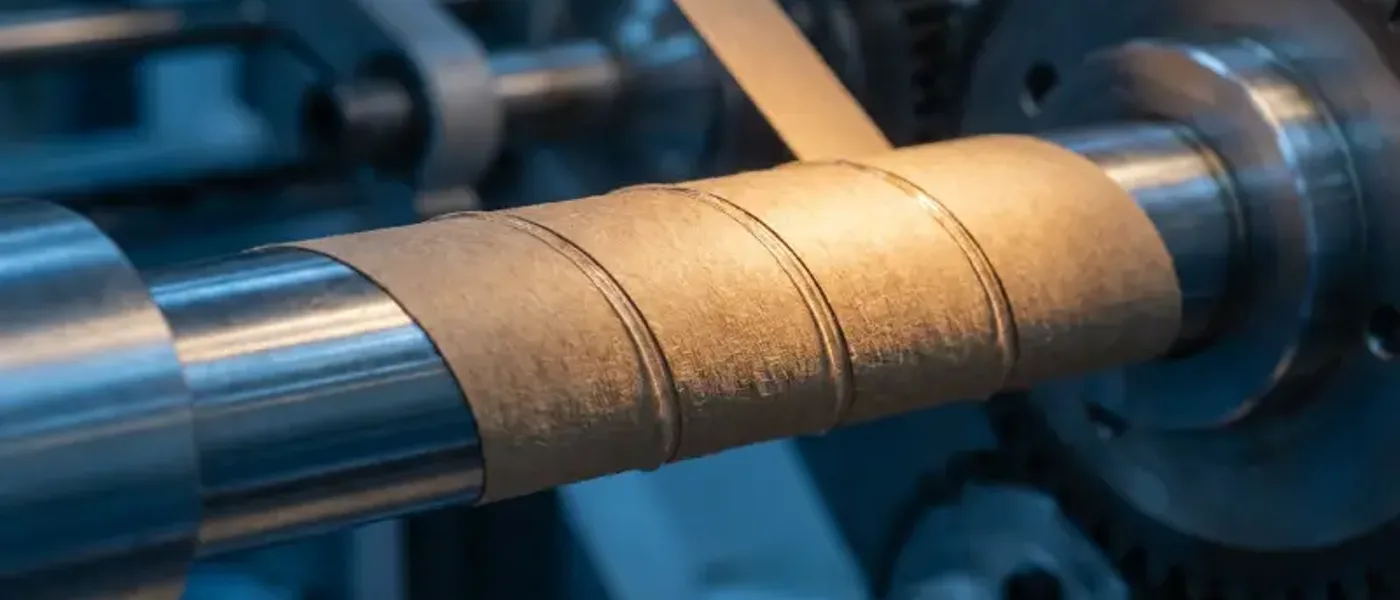
| Winder, mandrel, applicator and cutter; speed definition/units; available drying and conditioning equipment | [fill in] | [fill in] |
| Current adhesive: supplier, exact grade/batch, preparation; defect, first appearance and retained reference samples | [fill in] | [fill in] |
| Intended drinks, temperature/time range, immersion/handling, storage, destination market and customer specification | [fill in] | [fill in] |
| Available TDS/SDS, grade-specific food-contact statement, supporting reports and batch files: IDs/revisions and missing items | [fill in] | [fill in] |
| Trial objective, proposed baseline/candidates, quantity needed for reservoir/startup/repeats and agreed review team | [fill in] | [fill in] |
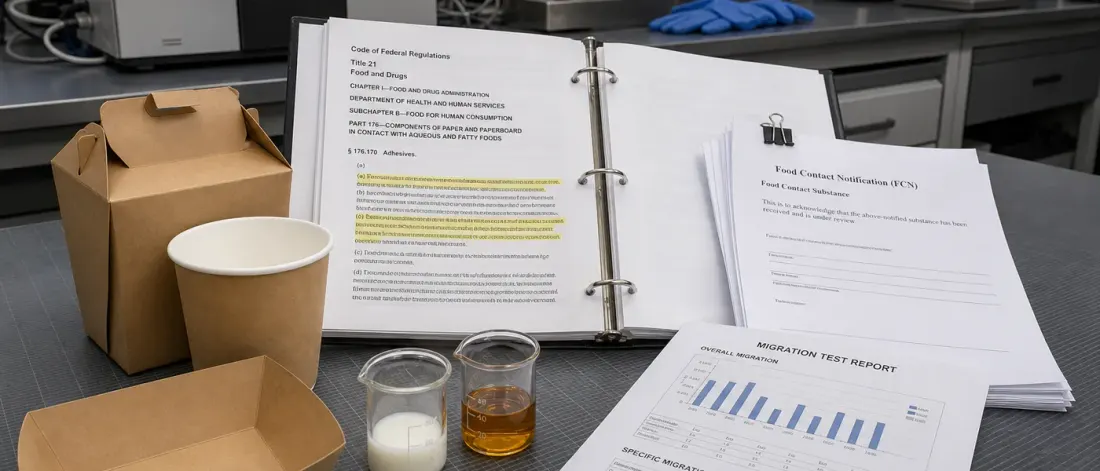
Keep food-contact evidence questions on a separate review track. The food-safe paper packaging adhesive guide explains the use conditions and what supplier documents can and cannot establish; listing a file here does not approve it. For grade-selection context, see the paper straw adhesive application page.
Agree acceptance before starting the line
Write a method and a failure definition that another reviewer can apply. Include the target and units, the sample age when tested, and how samples will represent the run. A blank target means “not agreed,” not “passed.” The rows below are prompts, not mandatory tests; replace or extend them for the intended use.
Swipe sideways to see all columns.
| Evaluation item | Method / failure definition | Agreed target and units | Check time / sample age | Sample quantity and selection basis | Review owner |
|---|---|---|---|---|---|
| Winding, cutting and dry handling | [fill in] | [fill in] | [fill in] | [fill in] | [fill in] |
| Performance in intended drink / handling | [fill in] | [fill in] | [fill in] | [fill in] | [fill in] |
| Instrument measurement, if selected | [fill in] | [fill in] | [fill in] | [fill in] | [fill in] |
| Other agreed requirement | [fill in] | [fill in] | [fill in] | [fill in] | [fill in] |
Plan agreed by customer: [fill in]; supplier: [fill in]; process/quality reviewers: [fill in]; date and revision: [fill in]. Record any later target or method change as a new revision and identify which results still apply.
Keep controlled and optimized runs separate
For a same-condition comparison, hold the recorded paper lots, construction, application settings and test schedule constant; log any departure. If a candidate needs different settings, give it a separate optimized run ID. Its result describes the candidate-plus-process setup and should not be ranked as an unchanged glue substitution.
Swipe sideways to see all columns.
| Record field | Baseline run | Candidate run |
|---|---|---|
| Trial/run ID, comparison group and date/time | [fill in] | [fill in] |
| Run type: same-condition control / same-condition candidate / separately optimized candidate | [fill in] | [fill in] |
| Adhesive supplier, exact grade and batch; current control or candidate | [fill in] | [fill in] |
| Paper grade and reel lot by ply; drawing/revision | [fill in] | [fill in] |
| Machine, mandrel, operator, applicator and cutter configuration | [fill in] | [fill in] |
| Adhesive preparation: dilution/additives or none, temperature; viscosity value, units, instrument/method and temperature | [fill in] | [fill in] |
| Applied amount and units/method; observed coverage and edges | [fill in] | [fill in] |
| Output speed and definition/units; tension, overlap, belt/pressure settings | [fill in] | [fill in] |
| Variable changed, reason, previous/new setting and time; departures from agreed control | [fill in] | [fill in] |
| Cleaning/changeover and residual-glue check | [fill in] | [fill in] |
| Drying settings and measured conditions; residence time where known | [fill in] | [fill in] |
| Conditioning: start/end, temperature/humidity, loose or packed storage; elapsed age at test | [fill in] | [fill in] |
| Collection time/point, run stage (startup/stable/restart), selected quantity and selection basis | [fill in] | [fill in] |
| Sample/retained dry-control labels, photo IDs, rejects and run interruptions | [fill in] | [fill in] |
Label retained dry controls and exposed samples with run and sample IDs. If paper lots, conditioning or settings differ unexpectedly, record the mismatch and decide whether the comparison needs repeating before drawing a conclusion.
Record exposure, observations and measurements
Use one liquid setup record per drink/condition, linked to the run and sample IDs. Enter the planned and actual exposure so a temperature drift or handling change remains visible.
Swipe sideways to see all columns.
| Field | Planned condition | Actual condition / deviation |
|---|---|---|
| Exposure ID; trial/run and sample IDs; straw age after manufacture | [fill in] | [fill in] |
| Liquid identity, preparation and batch where relevant | [fill in] | [fill in] |
| Temperature: starting value, maintained range, units, how/when checked | [fill in] | [fill in] |
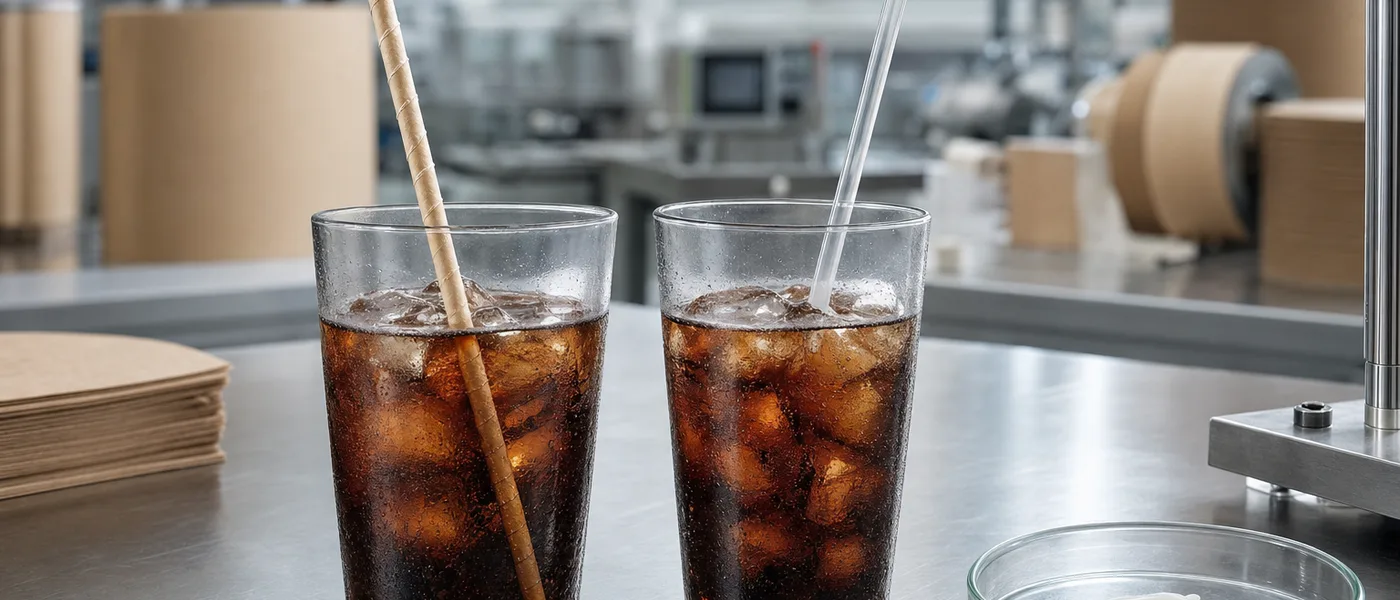
| Immersion depth/orientation, exposed end, vessel and liquid volume | [fill in] | [fill in] |
| Exposure start; observation times and total duration | [fill in] | [fill in] |
| Stirring, squeezing, lid piercing or other agreed handling; retained dry control IDs | [fill in] | [fill in] |
In the observation log, distinguish paper-wall softening with plies still joined, broad layer separation, and local spiral-seam opening. Record more than one symptom if present. These describe appearance, not the root cause of a glue failure. Keep visual or hand-feel comments separate from instrument results; do not turn a finger squeeze into a strength percentage.
Swipe sideways to see all columns.
| Run / sample / exposure IDs | Check time / elapsed exposure | Visual or hand-feel method | Number checked | Number failing agreed criterion | First observed symptom | First failure location | Photo / retained sample IDs | Observer / deviations |
|---|---|---|---|---|---|---|---|---|
| [fill in] | [fill in] | [fill in] | [fill in] | [fill in] | [fill in] | [fill in] | [fill in] | [fill in] |
State whether failure counts are new at that check or cumulative, and whether the same samples were handled again or fresh samples were used. If failure appeared between checks, record “last checked intact at [fill in]; first observed at [fill in]” rather than inventing an exact onset time. Keep the original photos before opening a failed section. For the investigation steps, return to the manufacturing guide’s soaking-failure checks.
Swipe sideways to see all columns.
| Run / sample / exposure IDs | Method, fixture, instrument and check/calibration reference | Sample count / selection | Condition and measurement time | Result and units / raw-data file | Assessor / deviations |
|---|---|---|---|---|---|
| [fill in] | [fill in] | [fill in] | [fill in] | [fill in] | [fill in] |
If no instrument measurement was made, mark it “not measured.” Keep loading direction, fixture and procedure identifiable. Record a dry/wet comparison only with its actual methods and sample basis; do not substitute a subjective observation for missing measured data.
Make the next decision and assign the open work
Review the evidence against the agreed plan, including deviations and unsuccessful runs. A single successful run does not establish full approval. Record production performance and food-contact evidence separately, with the exact use and revision each decision covers.
Swipe sideways to see all columns.
| Track | Status / decision | Scope, evidence IDs and limitations | Reviewer / date |
|---|---|---|---|
| Production performance: results against agreed criteria | [fill in] | [fill in] | [fill in] |
| Food-contact evidence: intended use covered / gaps still open | [fill in] | [fill in] | [fill in] |
Choose a next step and state why: continue optimization (name the variable and a new run ID); repeat verification (name the uncertainty or run/lot to repeat); advance to a defined next stage (name its limits and prerequisites); or do not adopt for the current use (record the reason and retained evidence). “Advance” is not permission to supply for unreviewed drinks, structures or markets.
Swipe sideways to see all columns.
| Decision / next stage | Open question or required action | Owner | Due / review date | Evidence needed to close; scope or change triggers |
|---|---|---|---|---|
| [fill in] | [fill in] | [fill in] | [fill in] | [fill in] |
Before scale-up, record what would reopen review: [fill in]. Confirm who can close each track and authorize the named next stage: [fill in]. An unresolved food-contact question stays open even when the line result is promising.
Send a question the supplier can answer
Copy the text below into an email and replace the blank fields. Attach the relevant records and numbered photos, including the baseline and deviations. Ask for an adjustment linked to the observed symptom or for the missing evidence, rather than only reporting “the sample failed.”
Subject: Paper straw adhesive trial [trial/run ID] — review requested

Hello [supplier contact],

We evaluated [exact adhesive grade/batch] against [baseline grade/batch] on [paper grades/lots by ply; straw drawing/revision].

Trial/run IDs: [fill in]
Comparison: [same-condition / separately optimized; changed variables]
Application and line settings: [fill in; attached record/file revision]
Drying, conditioning and age at test: [fill in]
Drink, temperature, immersion/handling and check times: [fill in]
Agreed criterion and method: [fill in]
Samples checked / failing: [fill in; new or cumulative; selection basis]
First observed symptom, time interval and location: [fill in]
Visual/hand-feel notes: [fill in]
Instrument results and units, if measured: [fill in / not measured]
Photos, raw-data and retained-sample IDs: [fill in]
Food-contact evidence reviewed / open use-condition questions: [fill in]

Please advise [specific adjustment or evidence question], explaining which observation or gap it addresses and what should remain unchanged for the next comparison.

Our proposed next step is [fill in]. Please confirm [responsible person / requested response date].

Regards,
[name / role / company]
Use the completed preparation brief when discussing sample quantity and delivery. The records deliberately contain no sample results or default acceptance figures; keep them attached to the trial revision as the work progresses.
Frequently Asked Questions
Does this checklist set a standard soak time or sample count?
No. The customer, supplier and responsible team must agree the methods, targets, check times, quantities and sample-selection basis for the actual straw and use. Blank fields are not acceptance criteria.
Can an optimized candidate run be called a same-condition comparison?
No. Give it a separate run ID and record each setting change. It evaluates the candidate with that process setup; it does not isolate an unchanged adhesive substitution.
What does a decision to advance authorize?
Only the named next stage within its recorded scope, limits and prerequisites. Keep production performance and food-contact evidence decisions separate. One successful trial does not establish full approval.
Prepare your paper straw adhesive trial
Share the completed brief and agree the quantity needed for your equipment and repeat runs. Complimentary 1 kg lab material for initial screening; shipping prepaid by recipient.
References
Technical Disclaimer: All technical data is based on standard laboratory conditions. Users should perform their own verification testing to confirm suitability for specific substrates, processes, and regulatory requirements. Senda Glue makes no warranties, express or implied, and assumes no liability for improper use of the products or reliance on this information.