Cigarette Adhesive for Clean Machining at Maker Speed

Factory-direct grades for tipping, plug wrap, seam bonding, and pack assembly. Screen pickup stability, stringing control, and set window on your paper grades and speed—1 kg lab screen, then maker trial.
*Complimentary 1 kg lab material · shipping prepaid by recipient. 20 kg trials after screening. MOQ typically ~1,000 kg.*
Optimized For:
Machining
Stringing and buildup screened on your applicator
Pickup
Transfer window reviewed at your line speed
Set window
Seam and tipping bonds matched to machine sequence
Bonding Steps We Qualify
Tipping pickup, seam closure, and pack assembly each stress transfer, set timing, and machine cleanliness differently on the maker.
Tipping & Filter Attachment
Maker pickup: Transfer consistency, paper wet-out, and clean release on tipping and filter attachment—bond placement screened at your speed.
Plug Wrap & Seam Bonding
Seam integrity: Fast set and lower stringing on plug wrap and rod seams—open seams and nozzle fouling reviewed on your continuous line.
Pack & Carton Assembly
Downstream forming: Predictable set for inner frame, packet, and carton steps—folding and compression matched to your packer sequence.
From Stringing, Open Seams & Pickup Drift to Qualified Machine Windows
Cigarette adhesive issues usually appear at the applicator before lab peel data—pickup drift, stringing, and set timing out of sync with real speed.
Common Failures
Stringing & Nozzle Buildup
Cleaning stops: Tails and buildup on glue wheels, nozzles, and transfer points force speed corrections and extra maintenance.
Open Seams & Weak Bonds
Late or uneven set: Inconsistent transfer or slow set for actual speed opens seams and shifts tipping before compression finishes.
Pickup Drift at Speed
Narrow window: Viscosity, paper absorbency, or ambient shifts change laydown enough to drive rejects and operator adjustments.
Our Solution
Cleaner Transfer Rheology
Less buildup: Viscosity tuned for cleaner pickup and lower stringing risk at your application points.
Set Matched to the Line
In-cycle bond formation: Open time and set aligned to compression timing and paper structure on your maker.
Process-Window Tuning
Forgiving range: Line speed, applicator, paper grades, and bond points reviewed so the grade holds through normal variation.
Lab Support for Cigarette Makers
Machine cleanliness, pickup stability, and set behavior reviewed on your bonding steps—not generic high-speed claims alone.
Clean Machining Screening
Applicator hygiene: Stringing, tailing, and accumulation around wheels and nozzles screened against your cleanup protocol.
Pickup Stability
Transfer hold: Steadier laydown on tipping, plug wrap, and pack components at your cpm target.
Machine-Matched Set
Real cycle fit: Bond formation inside compression and forming sequence on fast converting equipment.
Tune by Bond Point, Paper & Speed
We benchmark pickup, set timing, and clean running against your applicator, paper grades, and speed range—not a lab-only viscosity chart.
| APPLICATION | ENGINEERING GOAL | TUNABLE RANGE | BENEFIT |
|---|---|---|---|
| Tipping & Filter Attachment | Pickup stability | Wet-out on tipping and filter components | Tighter transfer window and repeatable bond placement on maker equipment at your nominated speed. |
| Plug Wrap & Seam Bonding | Clean, fast set | Lower stringing, dependable seam closure | Seam integrity with reduced nozzle fouling on continuous-running lines. |
| Pack & Carton Assembly | Set window | Folding and compression response | Downstream pack appearance matched to actual folding and side-seam sequence. |
ENGINEERING GOAL: Pickup stability
BENEFIT: Wet-out on tipping and filter components
Extra: Tighter transfer window and repeatable bond placement on maker equipment at your nominated speed.
ENGINEERING GOAL: Clean, fast set
BENEFIT: Lower stringing, dependable seam closure
Extra: Seam integrity with reduced nozzle fouling on continuous-running lines.
ENGINEERING GOAL: Set window
BENEFIT: Folding and compression response
Extra: Downstream pack appearance matched to actual folding and side-seam sequence.
Why Cigarette Converters Shortlist Senda
Machine-first qualification—without universal “zero stringing” or undocumented speed guarantees.
Machine Behavior First
Fewer Interruption Drivers
Step-by-Step Qualification
Documentation for Cigarette Adhesive Programs
Handling and regulatory fit depend on bond step and market. Request TDS, SDS, and compliance notes for the grade you nominate.
Common Documentation Paths
REACH and plant paperwork are provided per grade—not blanket site certifications.
- REACH & RoHS ( SVHC statements on request for export and supplier qualification (per grade). )
- TDS + SDS ( Handling, viscosity window, and line-cleaning notes via technical resources. )
- Bond-step support ( Application conditions documented separately for tipping, seam, and pack programs. )
Batch-level TDS, SDS, and compliance notes scoped to your tipping, seam, or pack program.
Related Industrial & Specialty Lines
Pair cigarette programs with industrial PSA lamination or flocking finish on adjacent specialty lines.
General PSA
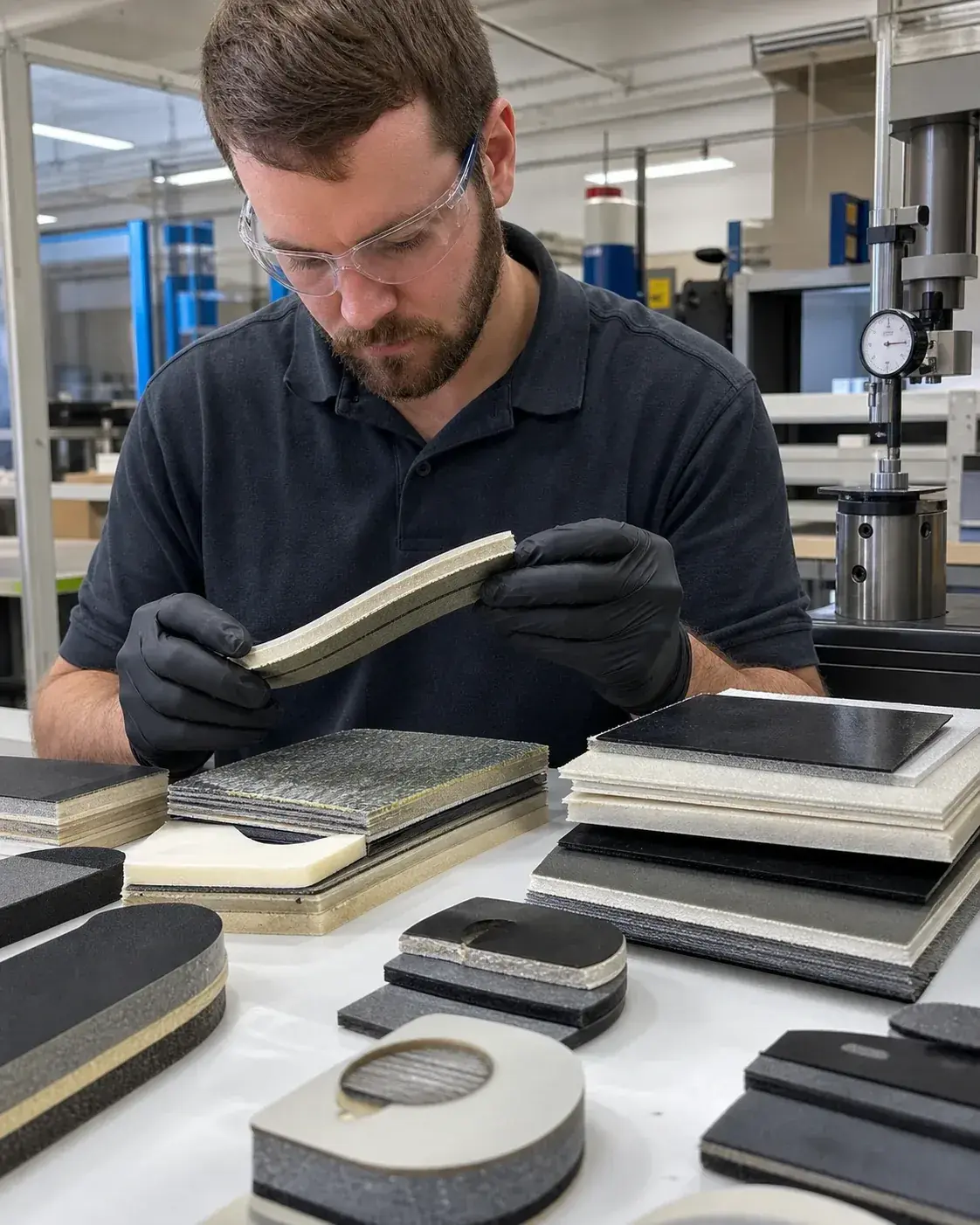
Foam and film lamination PSAs—peel/shear tuning distinct from maker tipping and seam hot-melt or water-based routes.
View general PSA grades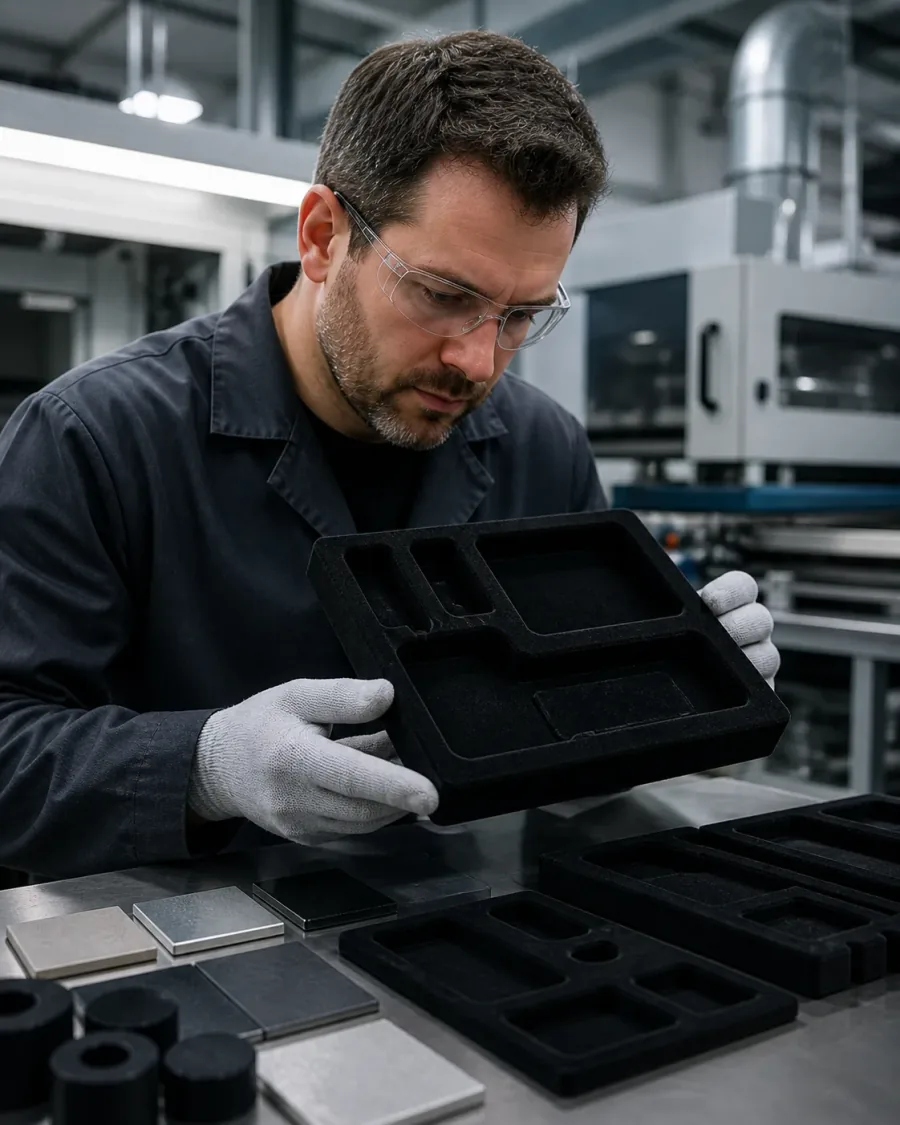
Flocking Adhesives
Electrostatic flocking adhesives for inserts and technical surfaces—finish chemistry separate from cigarette bond points.
View flocking adhesive grades
We were correcting pickup drift and cleaning buildup around the applicator too often. Senda’s qualification gave us a cleaner window at our speed and fewer seam-related stops—after maker trials, not from a generic high-speed datasheet.
Technical Proof (Optional Reading)
After you share line speed and paper grades, use these for deeper reading—not a substitute for maker trials.
 CASE STUDY
 Case Study: Reducing Pickup Drift on a High-Speed Line
How a converter improved pickup stability, reduced applicator buildup, and cut seam-related stops after cigarette adhesive qualification.
Read the Full Story → TECHNICAL GUIDE Guide: Qualifying a Cigarette Adhesive System
Line speed, paper grades, pickup method, and bond-point sequence before approving a grade for production.
Read Full Article →Cigarette Adhesive FAQ
Commercial, machine, and documentation answers for tipping, seam, and pack qualification.
What is your standard MOQ for cigarette adhesives?
MOQ is typically ~1,000 kg per approved grade. Lead time is confirmed at quotation. Start with complimentary 1 kg lab material (recipient prepaid shipping), then 20–25 kg maker trials.
Is the 1 kg sample free? Who pays shipping?
Yes—the 1 kg lab material (200 g–1 kg) is complimentary for qualified screening. Courier freight is prepaid by the recipient (liquid formulations ship prepaid only). 20 kg production trials are quoted separately before dispatch.
Which bonding steps can you support in our maker or packing-line configuration?
Tipping, filter attachment, plug wrap, seam bonding, and selected pack or carton steps—depending on applicator, paper grades, and set window on your equipment.
Is this the same as regulated food-packaging or metal-packaging glue?
Can you tune for our maker speed and applicator?
Yes—we review line speed, applicator type, pickup method, and bond-point sequence so the grade matches the real operating window.
How do you reduce stringing and nozzle buildup?
Stringing control balances viscosity, transfer, and set profile—screened on your glue wheels or nozzles, not claimed as universal zero stringing.
How do you improve seam integrity without slowing the line?
Seam closure depends on pickup, paper absorbency, compression timing, and set—tuned so bond formation stays inside your existing machine sequence.
Do you support different tipping papers or pack constructions?
Yes—we can adjust viscosity, solids, set speed, and transfer for different absorbency levels and machine conditions.