Industrial PSA Adhesive for Foam, Film & Laminated Builds

Factory-direct PSA for foam-to-film, low-energy plastics, and specialty mounting. Screen wet-out, peel/shear balance, and edge-lift risk on your carrier and substrate—1 kg lab screen, then coating or lamination trial.
*Complimentary 1 kg lab material · shipping prepaid by recipient. 20 kg trials after screening. MOQ typically ~1,000 kg.*
Optimized For:
Wet-out
Initial grab screened on your facestock
Shear
Creep and edge lift reviewed on your load case
Lamination
Foam and film builds qualified per program
PSA Programs by Construction
Wet-out, in-use hold, and peel/shear balance—each validated differently on foam laminations, films, and mounted assemblies.
Foam Lamination
Foam-to-film / metal / plastic: PSAs where compressibility, tack, and long-term hold must stay balanced on your lamination line.
Films & Coated Facestocks
Low surface energy: Plastic films, coated stocks, and nonwovens—wet-out and shear screened where contamination or LSE limits contact.
Mounting & Specialty Assembly
Converted parts: Repeatable tack, peel, and shear at production scale—creep and edge lift reviewed on your end-use stress profile.
From Edge Lift, Poor Wet-Out & Peel/Shear Drift to Qualified Bonds
PSA rejects usually start with incomplete wet-out, weak cohesion for the load case, or bondline drift under heat and storage—not “low tack” alone.
Common Failures
Edge Lift & Bond Creep
Hold failure: Laminated parts creep, lift at the edge, or lose alignment under load, heat, or long-term storage stress.
Poor Wet-Out on LSE Surfaces
Contact gap: Films, foams, and coated substrates resist full contact—early peel before the bond stabilizes.
Unstable Peel / Shear Balance
Qualification drift: Aggressive initial tack can still fail if peel and shear are not matched to conversion and end-use load.
Our Solution
Controlled Tack Development
Better contact area: Polymer balance tuned for films, foams, and coated surfaces without an over-soft, unstable bondline.
Higher Cohesive Strength
Lower creep: Internal strength to resist edge lift and shift in laminated and mounted constructions.
Load-Matched Formulation
Predictable qualification: Tack, peel, and shear tuned to your carrier, substrate, and assembly stress.
Lab Support for PSA Converting & Lamination
Wet-out, shear stability, and lamination behavior reviewed on your construction—not generic lab peel charts alone.
Wet-Out on Difficult Surfaces
Initial grab: Contact on films, foams, and coated materials where LSE or light contamination limits area.
Shear Under Load
Position hold: Cohesion screened under heat, static load, and storage relevant to your part.
Lamination Stability
Conversion fit: Carrier, coat weight, and end-use load reflected in peel and long-term bond behavior.
Tune to Carrier, Substrate & End-Use Load
We benchmark wet-out, peel, shear, and hold against your lamination or coating line—not finished-tape marketing specs alone.
| APPLICATION | ENGINEERING GOAL | TUNABLE RANGE | BENEFIT |
|---|---|---|---|
| Foam Laminations | Fast wet-out | Balanced tack on compressible builds | First-contact bonding on foam constructions with hold reviewed after conversion on your line. |
| Films & Coated Surfaces | High shear | Hold on low-energy facestocks | Creep and early peel screened on films and coated stocks at your coat weight. |
| Mounted & Converted Parts | Long-term stability | Cohesive hold under stress | Alignment and edge lift reviewed under your storage and handling protocol. |
ENGINEERING GOAL: Fast wet-out
BENEFIT: Balanced tack on compressible builds
Extra: First-contact bonding on foam constructions with hold reviewed after conversion on your line.
ENGINEERING GOAL: High shear
BENEFIT: Hold on low-energy facestocks
Extra: Creep and early peel screened on films and coated stocks at your coat weight.
ENGINEERING GOAL: Long-term stability
BENEFIT: Cohesive hold under stress
Extra: Alignment and edge lift reviewed under your storage and handling protocol.
Why Converters Shortlist Senda PSA
Surface contact, shear hold, and qualification by construction—without universal “high tack” or finished-tape promises.
Built for Real Facestocks
Creep & Edge Lift Screening
Construction-First Qualification
Documentation for Industrial PSA Programs
Regulatory fit depends on application and market. Request TDS, SDS, and compliance notes for the grade you nominate.
Common Documentation Paths
REACH and VOC claims are confirmed per grade—not site-wide certifications.
- REACH & RoHS ( SVHC statements on request for export programs (per grade). )
- Low-VOC routes ( Options for indoor coating or emissions-sensitive plants—confirm with EHS. )
- TDS + SDS ( Via technical resources for the nominated grade and lamination questionnaire. )
Batch-level TDS, SDS, and compliance notes scoped to your PSA program and construction.
Related Industrial & Specialty Lines
Pair lamination PSA with flocking finish or high-speed precision bonding on adjacent specialty programs.
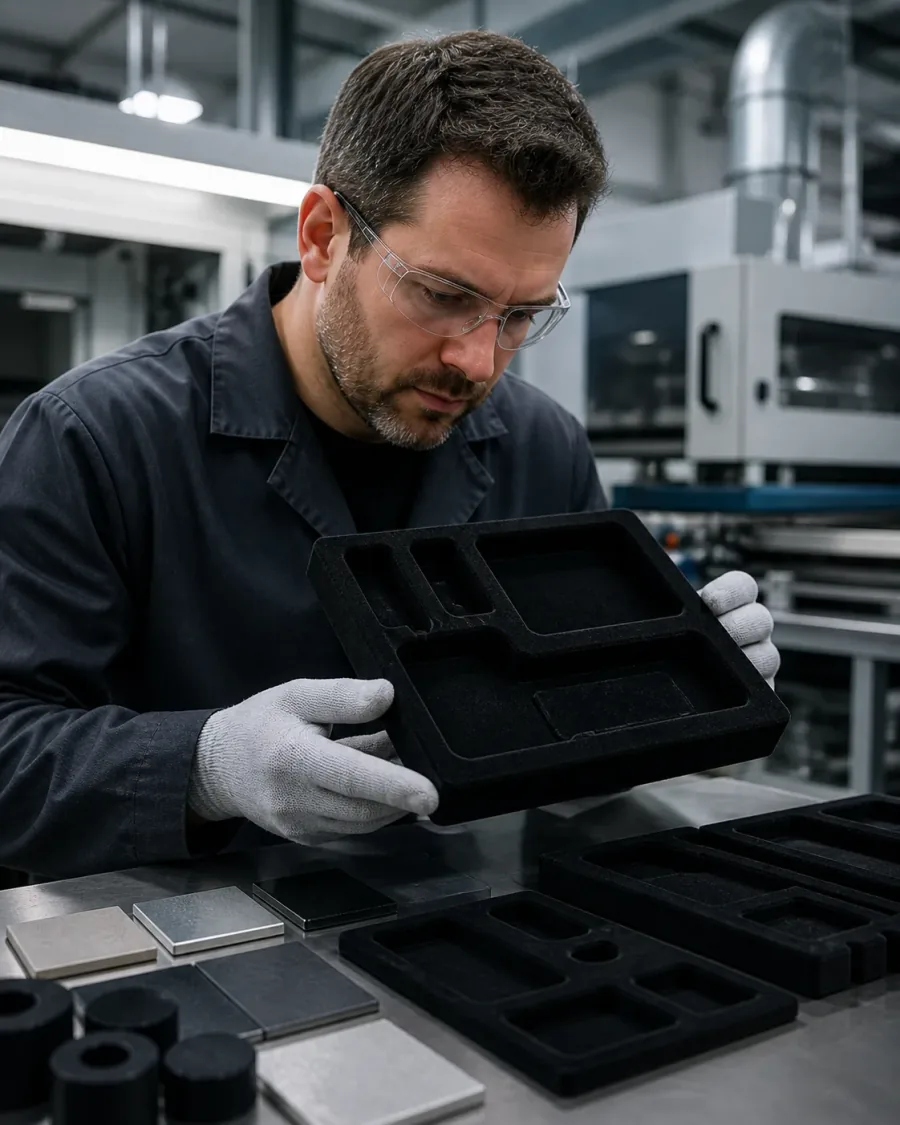
Flocking Adhesives
Electrostatic flocking laydown and fiber retention—surface-finish chemistry distinct from lamination PSA tack/shear tuning.
View flocking adhesive grades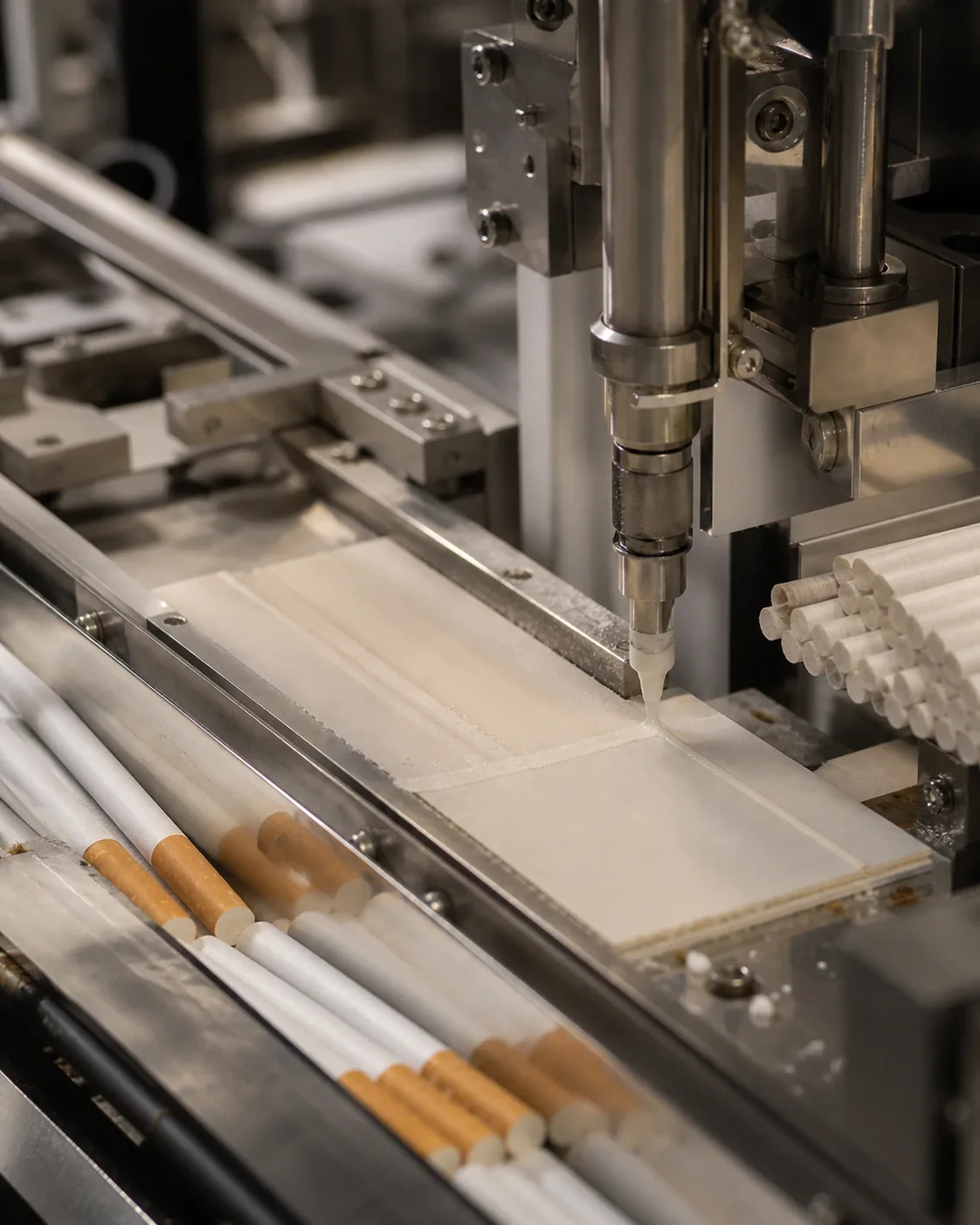
Cigarette Adhesives
Clean machining for tipping and pack lines—precision hot-melt routes separate from bulk PSA lamination programs.
View cigarette adhesive grades
Senda helped us qualify a PSA that improved wet-out on coated films and a clearer shear window on laminated foam—our validation loop shortened and edge-lift complaints dropped after line approval, not from a generic high-tack pitch.
Technical Proof (Optional Reading)
After you share carrier and substrate specs, use these for deeper reading—not a substitute for line qualification.
 CASE STUDY
 Case Study: Reducing Edge Lift on Laminated Foam
How a converter improved coated-film wet-out and shear hold, reducing field edge lift on laminated foam parts after PSA qualification.
Read the Full Story → TECHNICAL GUIDE Guide: Qualifying an Industrial PSA System
Surface energy, coat weight, carrier selection, and peel/shear targets before approving a PSA for production.
Read Full Article →Industrial PSA FAQ
Commercial, converting, and documentation answers for teams qualifying bulk PSA—not finished tape rolls.
What is your standard MOQ for industrial PSA?
MOQ is typically ~1,000 kg per approved grade. Lead time is confirmed at quotation. Start with complimentary 1 kg lab material (recipient prepaid shipping), then 20–25 kg coating or lamination trials.
Is the 1 kg sample free? Who pays shipping?
Yes—the 1 kg lab material (200 g–1 kg) is complimentary for qualified screening. Courier freight is prepaid by the recipient (liquid formulations ship prepaid only). 20 kg production trials are quoted separately before dispatch.
Do you sell finished PSA tape rolls, or supply coating adhesive for tape converters?
What substrates can you screen?
Films, foams, coated facestocks, plastics, nonwovens, and other specialty surfaces—depending on carrier, surface energy, and peel/shear targets on your line.
Can you tune peel and shear for our load case?
Yes—we adjust tack, peel, and shear around your end-use stress, coat weight, and conversion method before bulk supply.
How do you reduce edge lift and bond creep?
We balance wet-out with cohesion to resist long-term stress—screened under your heat, load, and storage conditions, not universal “zero creep” claims.
How do you improve wet-out on low-energy surfaces?
Wet-out depends on polymer balance, coat weight, and application conditions. We tune initial grab without sacrificing hold on your facestock.
Can you develop a custom formulation for our substrate, equipment, and performance target?
Yes—for challenging constructions we can adjust tack profile, cohesion, wet-out, and flexibility to match substrate and end-use load.