Flocking Adhesive for Uniform Fiber Lock-In on Premium Surfaces

Factory-direct flocking grades for paperboard, ABS, PVC, rubber, and coated parts. Screen laydown uniformity, post-brush retention, and electrostatic pickup on your fiber and substrate—1 kg lab screen, then line trial.
*Complimentary 1 kg lab material · shipping prepaid by recipient. 20 kg trials after screening. MOQ typically ~1,000 kg.*
Optimized For:
Laydown
Coverage uniformity screened on your panel size
Retention
Post-brush fiber loss reviewed on your process
Substrate
Coated board, plastic, and rubber routes by program
Flocking Programs by End Use
Finish uniformity, post-brush retention, and bond on low-porosity surfaces—each inspected differently on inserts, trays, and molded parts.
Packaging & Presentation
Premium inserts: Rigid boxes, jewelry trays, and presentation components where fiber density, soft-hand feel, and edge definition are QA-checked on your stock.
Molded Plastic & Rubber
Technical surfaces: ABS, PVC, and rubber parts where flocking cuts noise or scuffing—shedding after contact screened on your molding and brushing protocol.
Display & Fitted Inserts
High-touch durability: Display components and formed inserts needing repeatable retention through packing and handling—not generic “soft touch” claims.
From Patchy Coverage, Shedding & Poor Wet-Out to Qualified Flock Fields
Most flocking waste starts with unstable laydown or weak anchorage on the base—not the fiber lot alone.
Common Failures
Patchy Fiber Density
Visual rejects: Uneven adhesive thickness creates light/dark zones and poor stand-up—especially on large decorative panels and inserts.
Fiber Shedding After Cure
Durability failure: Weak anchorage lets fibers brush off during trimming, packing, or repeated contact.
Poor Bond on Difficult Substrates
Compatibility gaps: Coated board, low-porosity plastics, and rubber often need tuned wet-out before retention can hold.
Our Solution
Controlled Laydown
More even flock fields: Rheology tuned for stable spray, roller, or screen thickness and cleaner electrostatic pickup on your applicator.
Stronger Anchorage
Lower post-brush loss: Film formation and cohesion balanced for nylon or rayon fibers after drying, brushing, and downstream handling.
Substrate-Matched Grade
Grip on hard-to-bond bases: Formulation tuned to paperboard, plastics, or rubber so anchorage is confirmed before bulk MOQ.
Lab Support for Flocking Lines
Laydown uniformity, retention after brushing, and substrate wet-out reviewed on your fiber and equipment—not bench claims alone.
Stable Viscosity Window
Repeatable application: Spray, roller, or screen behavior screened to limit laydown drift across a production run.
Retention After Brushing
In-use hold: Anchorage reviewed after curing, brushing, trimming, and packing—surface feel tuned with your QA panel.
Uniform Stand-Up
Finish consistency: Fiber orientation and edge definition on coated board, ABS, PVC, and rubber at your coat weight.
Tune to Fiber, Substrate & Application Method
We benchmark laydown, post-brush retention, and surface feel against your fiber type, substrate condition, and flocking line—not generic peel data alone.
| APPLICATION | ENGINEERING GOAL | TUNABLE RANGE | BENEFIT |
|---|---|---|---|
| Rigid Boxes & Inserts | Uniform coverage | Controlled film build on coated paperboard | Even flock density and cleaner edges on appearance-sensitive packaging components—qualified on your panel geometry. |
| Plastic & Rubber Parts | Low shedding | Anchorage on low-porosity surfaces | Post-brush retention on molded parts where smooth surfaces limit standard wet-out—screened on your fiber and brush protocol. |
| Display & Inserts | Handling durability | Balanced cohesion and flexibility | Shedding after packing, transport, and repeated contact reviewed while preserving target soft-touch feel. |
ENGINEERING GOAL: Uniform coverage
BENEFIT: Controlled film build on coated paperboard
Extra: Even flock density and cleaner edges on appearance-sensitive packaging components—qualified on your panel geometry.
ENGINEERING GOAL: Low shedding
BENEFIT: Anchorage on low-porosity surfaces
Extra: Post-brush retention on molded parts where smooth surfaces limit standard wet-out—screened on your fiber and brush protocol.
ENGINEERING GOAL: Handling durability
BENEFIT: Balanced cohesion and flexibility
Extra: Shedding after packing, transport, and repeated contact reviewed while preserving target soft-touch feel.

Why Flocking Teams Shortlist Senda
Finish consistency, retention, and substrate qualification—without universal “zero shedding” or instant compliance badges.
Appearance-First Screening
Retention Under Real Handling
Process-Matched Qualification
Documentation for Flocking Programs
Regulatory fit depends on application, indoor use, and market. Request TDS, SDS, and compliance notes for the grade you nominate.
Common Documentation Paths
REACH, VOC, and operator-safety claims are confirmed per grade—not site-wide certifications.
- REACH & RoHS ( SVHC statements on request for export and EU programs (per grade). )
- Low-VOC routes ( Options for odor-sensitive or indoor flocking lines—confirm limits with EHS. )
- TDS + SDS ( Via technical resources for the nominated grade and plant questionnaire. )
Batch-level TDS, SDS, and compliance notes scoped to your flocking program and substrate.
Related Industrial & Specialty Lines
Pair flocking finish programs with industrial PSA lamination or high-speed precision bonding on adjacent specialty lines.
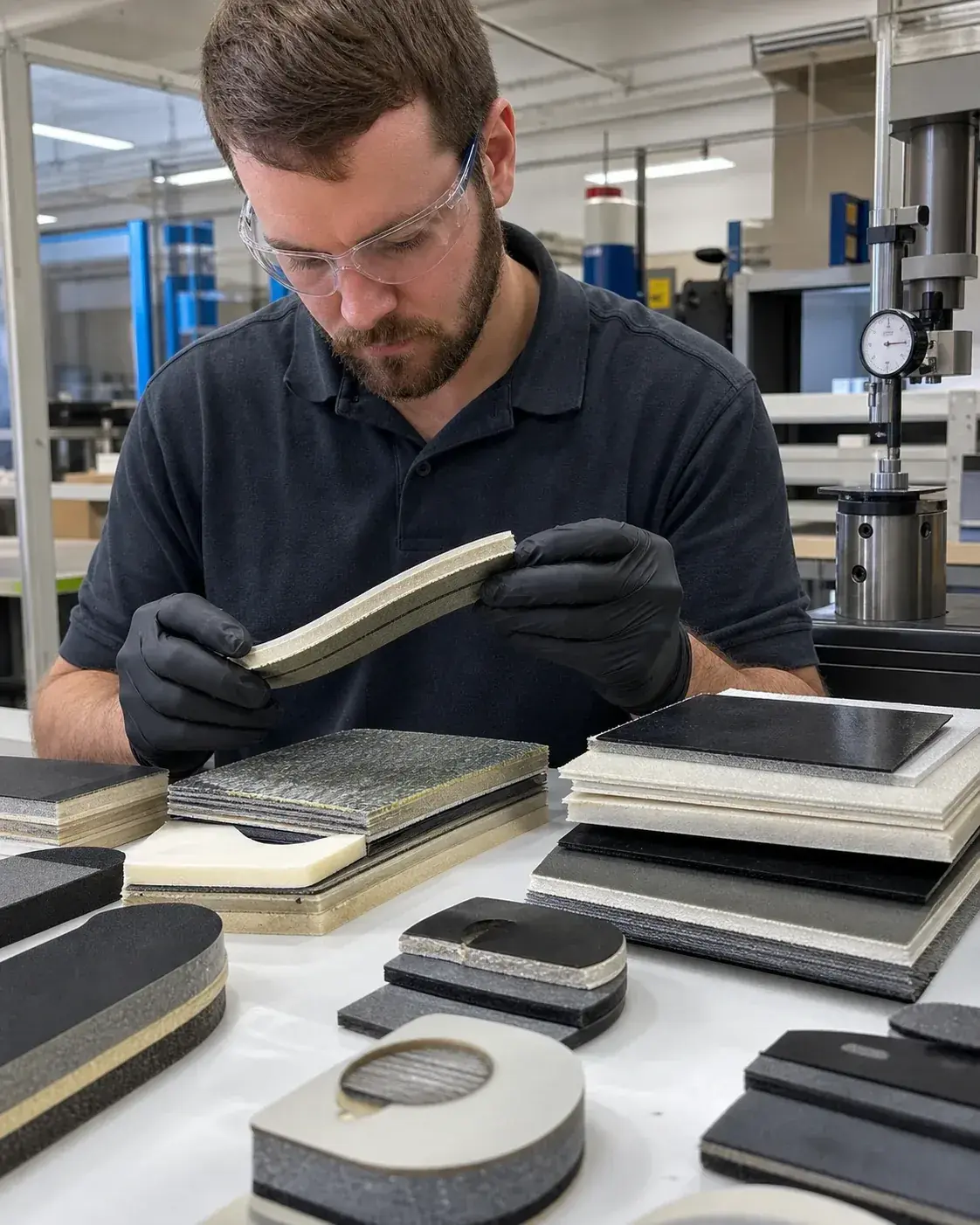
General PSA
Foam and film lamination PSAs—tack, shear, and wet-out distinct from electrostatic flocking laydown chemistry.
View general PSA grades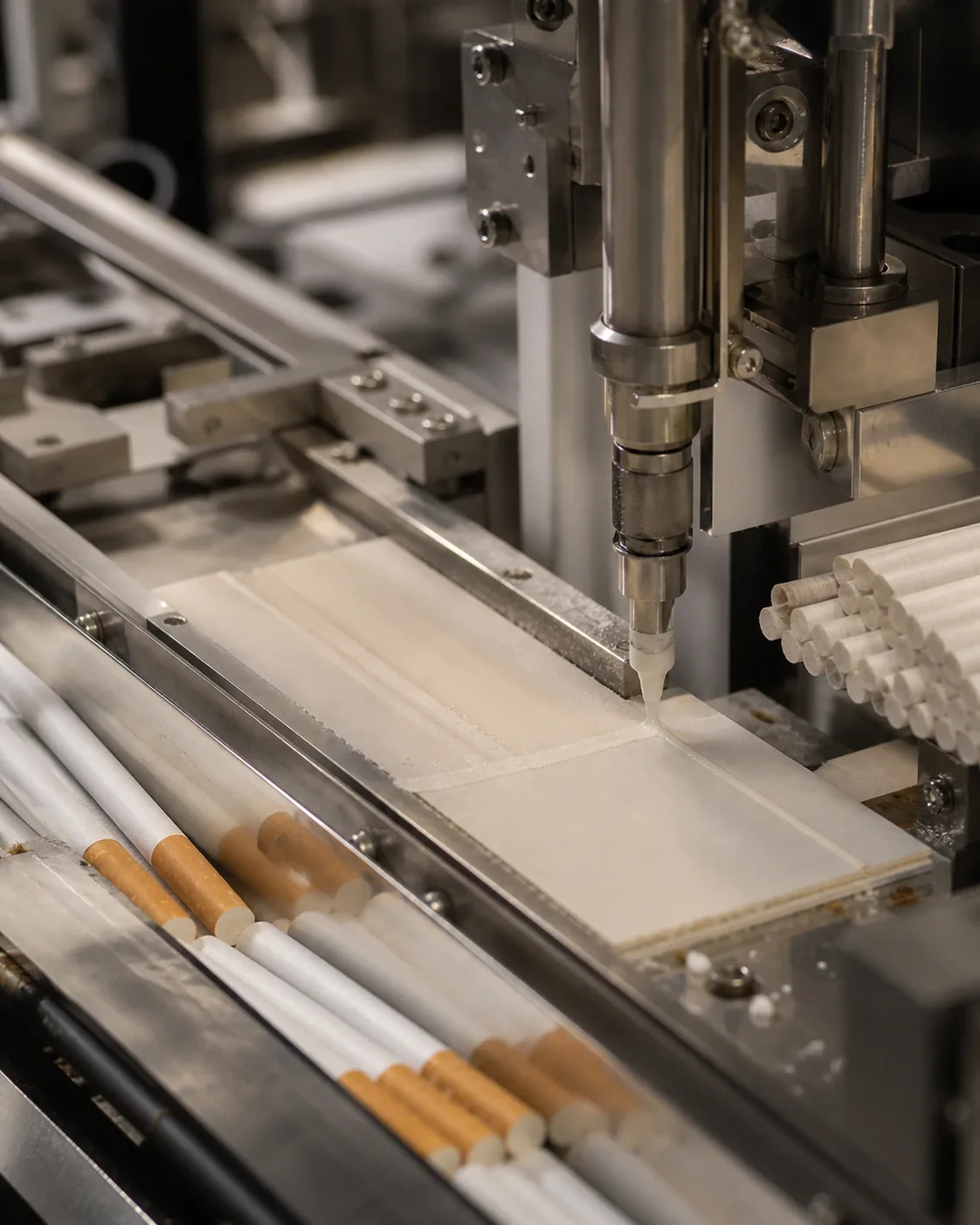
Cigarette Adhesives
High-speed clean machining for tipping and pack lines—precision laydown discipline separate from flocking finish QA.
View cigarette adhesive grades
Senda helped us stabilize a flocking process that had been producing visible density variation and post-brush fiber loss. The nominated grade gave us a cleaner finish window after qualification on our inserts—not a one-size “premium flock” pitch.
Technical Proof (Optional Reading)
After you share substrate and fiber specs, use these for deeper reading—not a substitute for line qualification.
 CASE STUDY
 Case Study: Reducing Fiber Loss on Premium Flocked Inserts
How a specialty producer improved finish uniformity and post-brush shedding after flocking adhesive qualification on premium inserts.
Read the Full Story → TECHNICAL GUIDE Guide: Qualifying a Flocking Adhesive System
Review fiber type, substrate surface, application method, and curing behavior before approving a flocking grade for production.
Read Full Article →Flocking Adhesive FAQ
Commercial, process, and documentation answers for teams qualifying flocking adhesives.
What is your standard MOQ for flocking adhesives?
MOQ is typically ~1,000 kg per approved grade. Lead time is confirmed at quotation. Start with complimentary 1 kg lab material (recipient prepaid shipping), then 20–25 kg line trials.
Is the 1 kg sample free? Who pays shipping?
Yes—the 1 kg lab material (200 g–1 kg) is complimentary for qualified screening. Courier freight is prepaid by the recipient (liquid formulations ship prepaid only). 20 kg production trials are quoted separately before dispatch.
What substrates can you screen?
Paperboard, coated board, ABS, PVC, rubber, and other specialty surfaces—depending on fiber type, laydown method, and finish target on your line.
Can you tune for spray, roller, or screen application?
Yes—we adjust viscosity, solids, and tack around your applicator, transfer consistency, and cure protocol before bulk supply.
How do you reduce fiber shedding after cure?
Shedding control balances substrate wet-out, film formation, and cohesion. We screen retention after brushing, trimming, and handling on your structure—not universal “zero shed” claims.
How do you improve uniformity on large flocked panels?
Uniform finish depends on stable laydown, transfer, and electrostatic pickup. We tune viscosity and wet-out to reduce patchiness and edge inconsistency on your panel size.
Can you develop a custom formulation for our substrate, equipment, and performance target?
Yes—for challenging surfaces we can adjust viscosity window, solids, tack, and flexibility to match your fiber and substrate combination.