Stationery & Office Adhesives for OEM Programs

Factory-direct PVA white glue, glue-stick, and craft-gel routes for private-label school and office brands. Screen washability, filling-line transfer, and shelf stability on your packaging—1 kg lab screen, then 20 kg fill trial.
*Complimentary 1 kg lab material · shipping prepaid by recipient. 20 kg trial pails after screening. Bulk MOQ typically ~1,000 kg.*
✅ EN 71-3 / ASTM routes per grade • Washability screened on your fabric • Compliance docs on request
Optimized For:
EN 71-3 / ASTM
Safety statements for nominated grades
Shelf-Life
Stability screened for your pack & climate
Washable
Fabric/skin cleanup qualified per formula
Bulk OEM
20 kg trials to ~1,000 kg totes
OEM Formulation Lines We Match
Viscosity, solids, and pack format differ between school bottles, glue sticks, and craft gels—one bulk grade rarely fits every SKU.
Washable School PVA
Water-based emulsion routes for bottling lines—solids and viscosity tuned for your nozzle and label claims (EN 71-3 where required).
Glue Stick (PVP / PVA)
Smooth-glide and tube seal stability screened on your stick format—approve glide and dry-down on your line, not from a generic shelf-life claim.
Craft & Scrapbook Gels
Higher-viscosity, lower-water routes to limit paper cockling on decorative stocks—validate flatness after drying on your paper grade.
From Retail Blocks to Qualified OEM Rolls
Stationery failures are usually documentation + fill-line behavior + pack stability together—not viscosity alone.
Common Failures
Safety Documentation Gaps
Retailers block listings when heavy-metal or art-material statements do not match the nominated grade and pack size.
Shelf Returns & Separation
Viscosity drift, skinning, or tack loss during long storage or hot-climate shipping drives returns and dead stock.
Paper Wrinkling in Crafts
High-water cheap PVA swells fibers—end users see warped scrapbook pages and poor reviews on craft SKUs.
Our Solution
Grade-Scoped Safety Files
EN 71-3 and ASTM D-4236 statements tied to the exact SKU—request an audit package instead of a generic “non-toxic” label.
Stability Protocol
Accelerated and real-time shelf checks on your bottle or stick pack—targets agreed with your QA, not a blanket 24-month promise.
Higher-Solids PVA Routes
More polymer, less water add-on—flatness and bond speed screened on your paper and application method.
Lab Support for Stationery OEMs
We qualify washability, fill transfer, and shelf behavior on your pack and line—not only in a supplier datasheet.
EN 71-3 & ASTM Paths
Documentation packages for school and art-material programs—scoped to the nominated grade.
Washability Screening
Fabric and skin cleanup trials with warm water—confirm against your retailer checklist.
Fill-Line & Pack Stability
Viscosity hold, stringing, and tube seal reviewed on your filler speed and closure design.
Tune to Bottle, Stick, or Gel SKU
PVA emulsion, PVP/PVA stick, or modified starch routes—confirm vegan, allergen, and label claims before retail submission.
| Parameter | Typical range | Engineering benefit |
|---|---|---|
| Technology | PVA emulsion / PVP–PVA stick / starch gel | Separate routes for school liquid, sticks, and craft gels. |
| Safety scope | EN 71-3 / ASTM D-4236 / REACH | Statements per grade—confirm for your market and pack size. |
| Viscosity | ~1,000–15,000 cps | Matched to bottle nozzle, stick extrusion, or gel tip. |
| Solids (liquid PVA) | ~40–55% (grade-dependent) | Bond speed vs cockling—screen on your paper and fill rate. |
| Shelf stability | Pack-matched (often ~18–24 months target) | Validated in your container and storage profile—not a universal guarantee. |
Typical range: PVA emulsion / PVP–PVA stick / starch gel
Engineering benefit: Separate routes for school liquid, sticks, and craft gels.
Typical range: EN 71-3 / ASTM D-4236 / REACH
Engineering benefit: Statements per grade—confirm for your market and pack size.
Typical range: ~1,000–15,000 cps
Engineering benefit: Matched to bottle nozzle, stick extrusion, or gel tip.
Typical range: ~40–55% (grade-dependent)
Engineering benefit: Bond speed vs cockling—screen on your paper and fill rate.
Typical range: Pack-matched (often ~18–24 months target)
Engineering benefit: Validated in your container and storage profile—not a universal guarantee.
Why Stationery OEMs Shortlist Senda
Safety files, fill-line behavior, and shelf stability qualified together—without “100% washable” or fixed shelf-life marketing.
Retailer-Ready Documentation
Bulk Scale
Liquid + Stick in One Program
Documentation for School & Retail Programs
Request statements scoped to your SKU (liquid PVA, glue stick, craft gel)—not a site-wide “certified safe” badge.
Compliance Scope (Confirm for Your Program)
EN 71-3, ASTM D-4236, and REACH depend on grade, pack type, and end market.
- EN 71-3 ( Statements available for nominated school and craft grades (per grade). )
- ASTM D-4236 ( US art-material labeling support on request for applicable grades. )
- REACH & RoHS ( SVHC statements for EU retail programs—confirm scope in your audit request. )
TDS, SDS, and safety declarations for the nominated grade—scoped to your stationery program.
Related Bookbinding Lines
Stationery OEM is separate from industrial binding—route spine and case work to the right program.

Perfect Binding (Spine & Side)
PUR/EVA hot melts for spine and side gluing—page-pull and cutoff qualified on your binder.
View perfect binding grades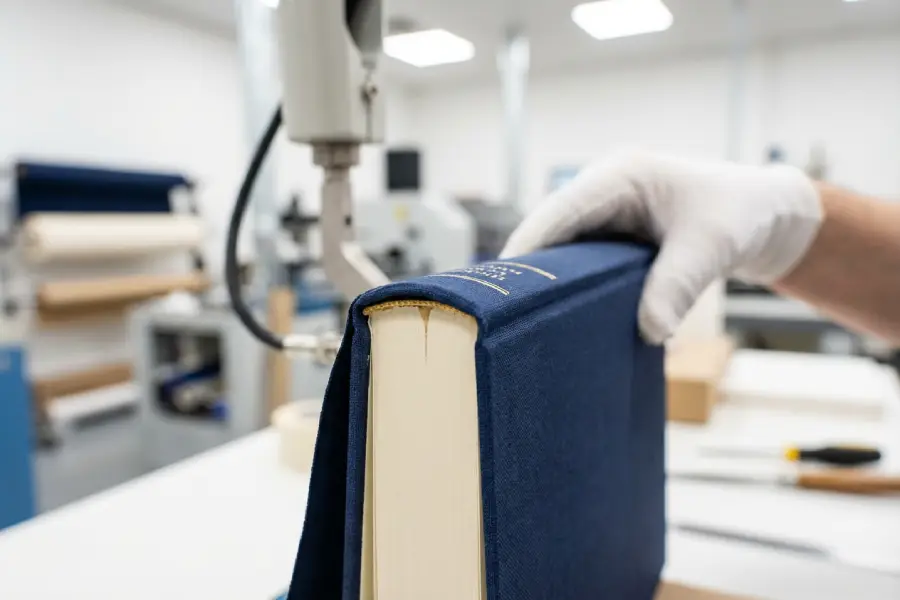
Hardcover & Case Making
Case wrap and casing-in adhesives—anti-warp and laminate wet-out on grey board, distinct from school PVA bottles.
View hardcover & case making grades
Senda’s bulk PVA gave us the washability and viscosity stability we needed for a private-label school line. Filling transferred cleanly, and safety-document review with retailers went faster with grade-specific files—not a generic datasheet.
Technical Proof (Optional Reading)
Share with OEM and QA after you request samples. Primary path: lab screen + audit package via the buttons above.
 CASE STUDY
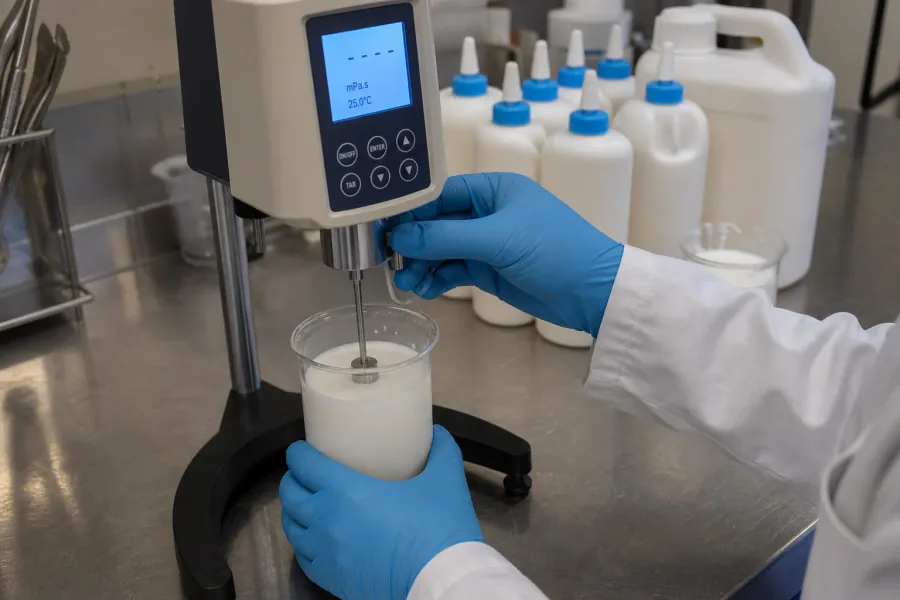
 Case Study: School PVA Safety & Shelf-Life
How a private-label program aligned washability, filling-line transfer, and audit-ready documentation on bulk school glue.
Read the Full Story →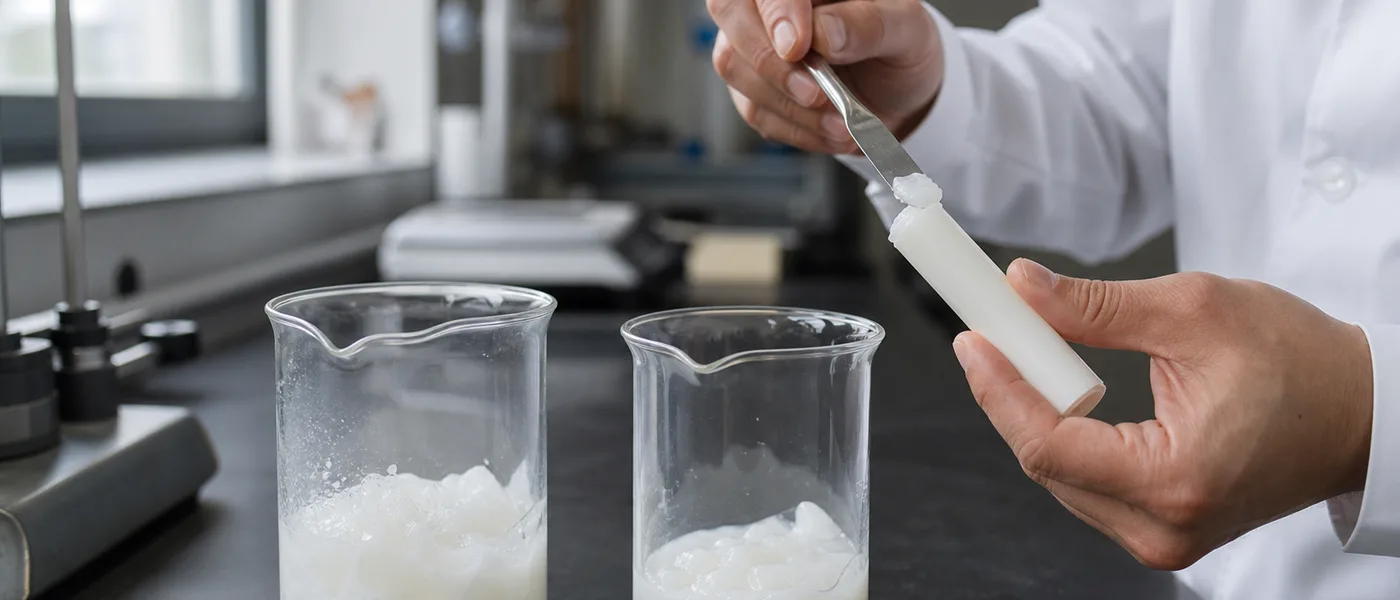 TECHNICAL GUIDE
 Guide: Solvent-Free Glue Stick Qualification
Glide feel, tube stability, washability fit, and shelf-life screening logic for school and office stick formats.
Read Full Article →Frequently Asked Questions
Find answers to common questions about our adhesive solutions and services.
What adhesive formats do you supply for stationery OEM?
Bulk PVA white glue for bottles, PVP/PVA glue-stick routes, and higher-viscosity craft gels. Match grade to pack and safety scope before retail listing.
What are MOQ, lead time, and sample options?
Liquid PVA bulk MOQ is typically ~1,000 kg. Lead time is often 7–10 business days for qualified grades. Complimentary 1 kg lab material (recipient prepaid shipping) and 20 kg trial pails for fill-line validation.
Are your school glues safe for children?
EN 71-3 and ASTM D-4236 statements are available for nominated grades—confirm pack size, market, and end use in your audit request. Avoid approving from a generic “non-toxic” claim alone.
Is the glue washable from skin and fabric?
Washability is grade-dependent—we screen cleanup with warm water and soap on fabrics you nominate. Retailer checklists differ; qualify on your label claims.
What shelf life should we plan for retail?
Targets are often ~18–24 months in sealed packs, but depend on formula, stick vs liquid, and storage climate. Run stability on your container before fixing shelf-life on the label.
Do you support private-label (OEM) programs?
Yes—bulk supply plus viscosity/solids tuning for your filler, nozzle, and tube design. Start with 1 kg lab match, then 20 kg production trial.
How do you limit paper wrinkling in craft glues?
Higher-solids, lower-water routes reduce fiber swell—validate flatness on your paper stock. See the glue-stick guide (Resources) for pack-stability parallels.
What documentation do retailers usually request?
TDS, SDS, and EN 71-3 / ASTM declarations for the exact SKU. Request an audit package via technical resources rather than scattered contact threads.